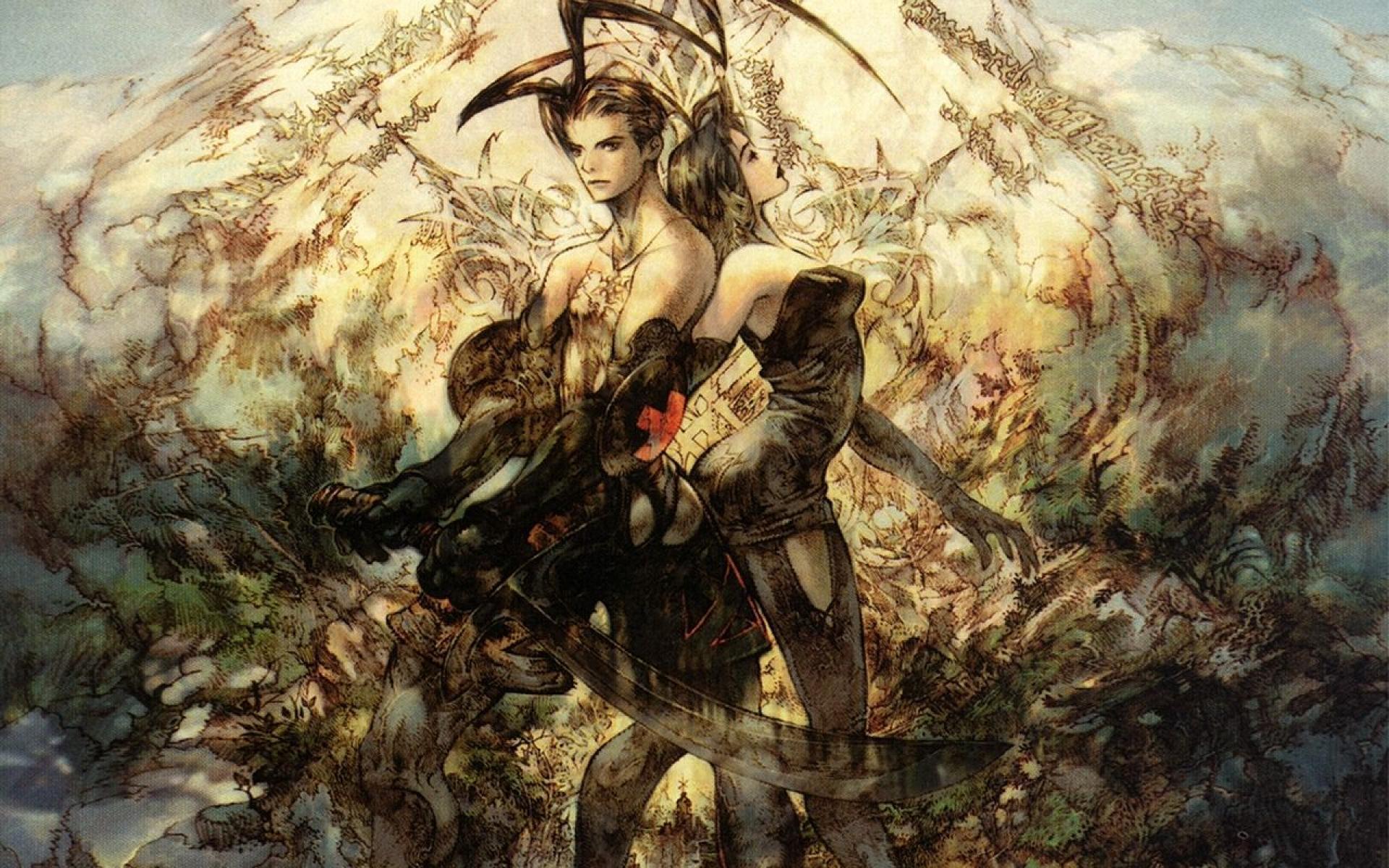
1. Vagrant Story (2000)
Vagrant Story (2000) arrived from Square, a bold departure from their typical JRPG fare. This PS1 title offered an intricate, almost overwhelming combat system, a dark fantasy narrative, and a unique, painterly aesthetic that still holds up. Critics lauded its depth and artistic ambition. Yet, its complexity and mature tone, perhaps ahead of its time, relegated it to cult status. It proved that even a Squaresoft gem could struggle commercially if it strayed too far from the mainstream path. It was an audacious experiment.
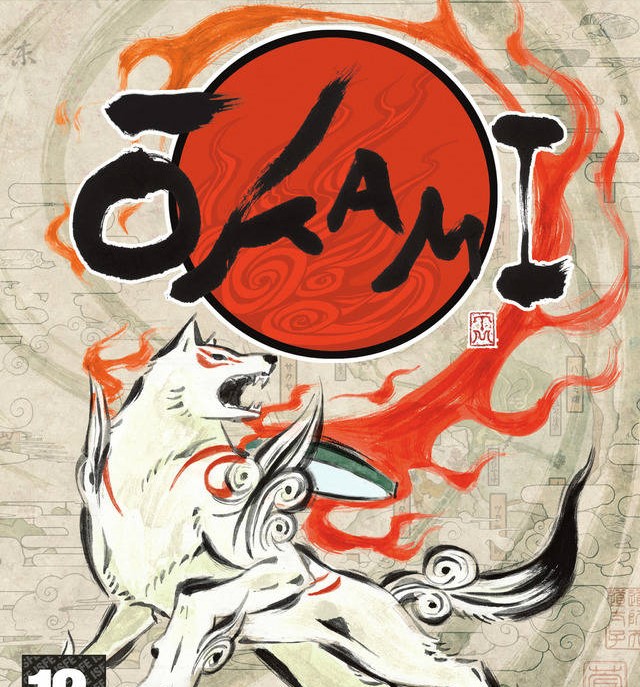
2. Okami
Clover Studio's masterpiece, a visually stunning action-adventure inspired by Japanese mythology and ukiyo-e art. Praised for its unique Celestial Brush mechanics and charming story, it felt like a playable legend. Despite widespread critical acclaim and numerous awards, it sold modestly, leading to Clover Studio's eventual closure. This game stands as a poignant example of artistic triumph not always translating to commercial fortune. Its beauty and innovation deserved a grander stage.
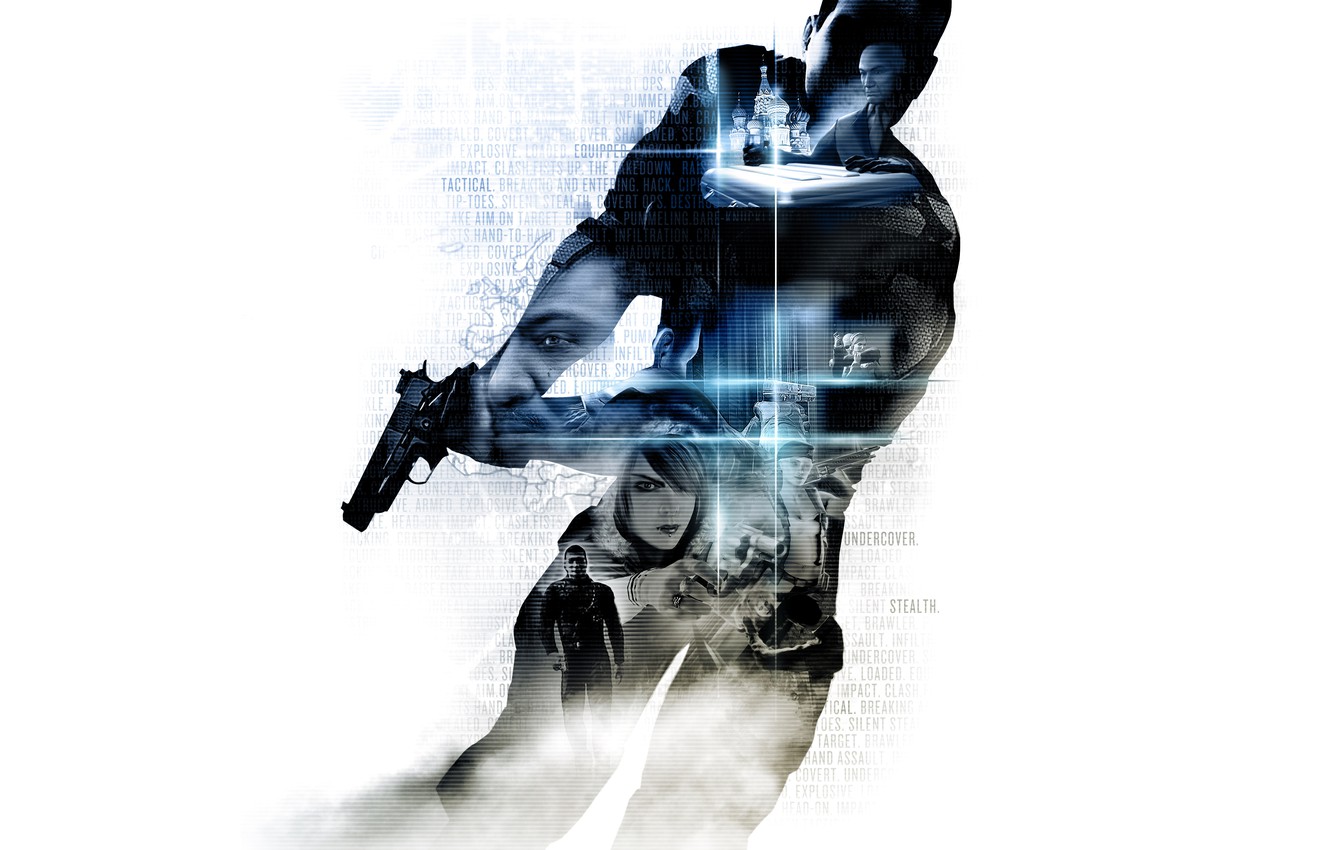
3. Alpha Protocol
Obsidian's attempt at a spy RPG, lauded for its branching narrative, player choice, and character interactions. It was ambitious, aiming for a Mass Effect-style experience in a modern spy setting. However, technical issues, janky combat, and a lack of polish upon release marred its reception. Its potential was immense, but execution faltered, leading to it becoming a beloved but ultimately flawed cult classic, preventing any sequels. A true diamond in the rough that needed more time.
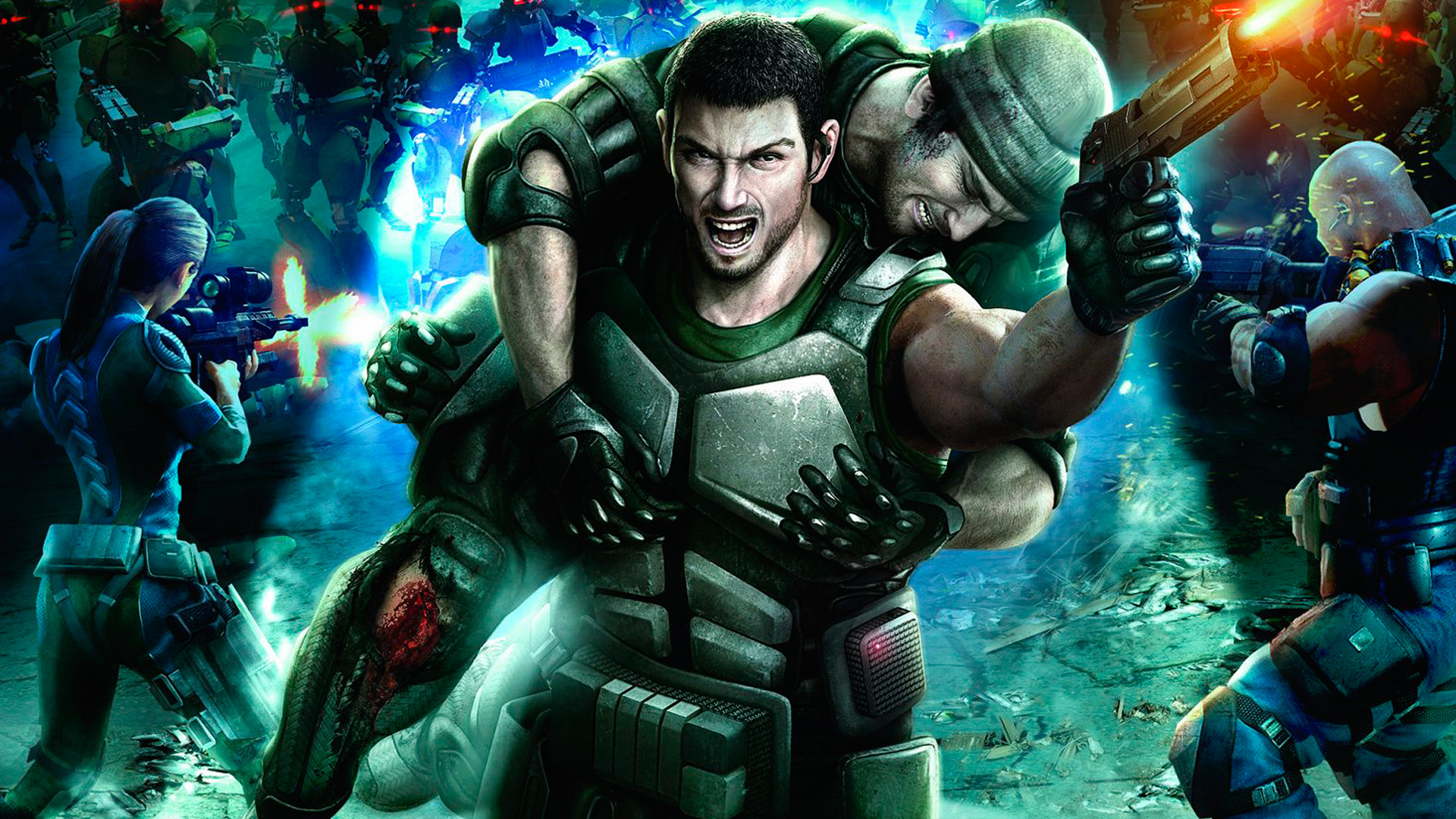
4. Binary Domain
A third-person shooter from Sega, blending cover-based combat with a unique 'consequence system' that reacted to player choices and squad trust. It was a stylish, surprisingly deep narrative experience set in a futuristic Tokyo, tackling themes of humanity and AI. Despite its solid mechanics and engaging story, it struggled to find an audience, likely overshadowed by larger franchises. A strong example of a competent game lost in the crowd, it deserved more recognition for its thoughtful blend of action and philosophy.
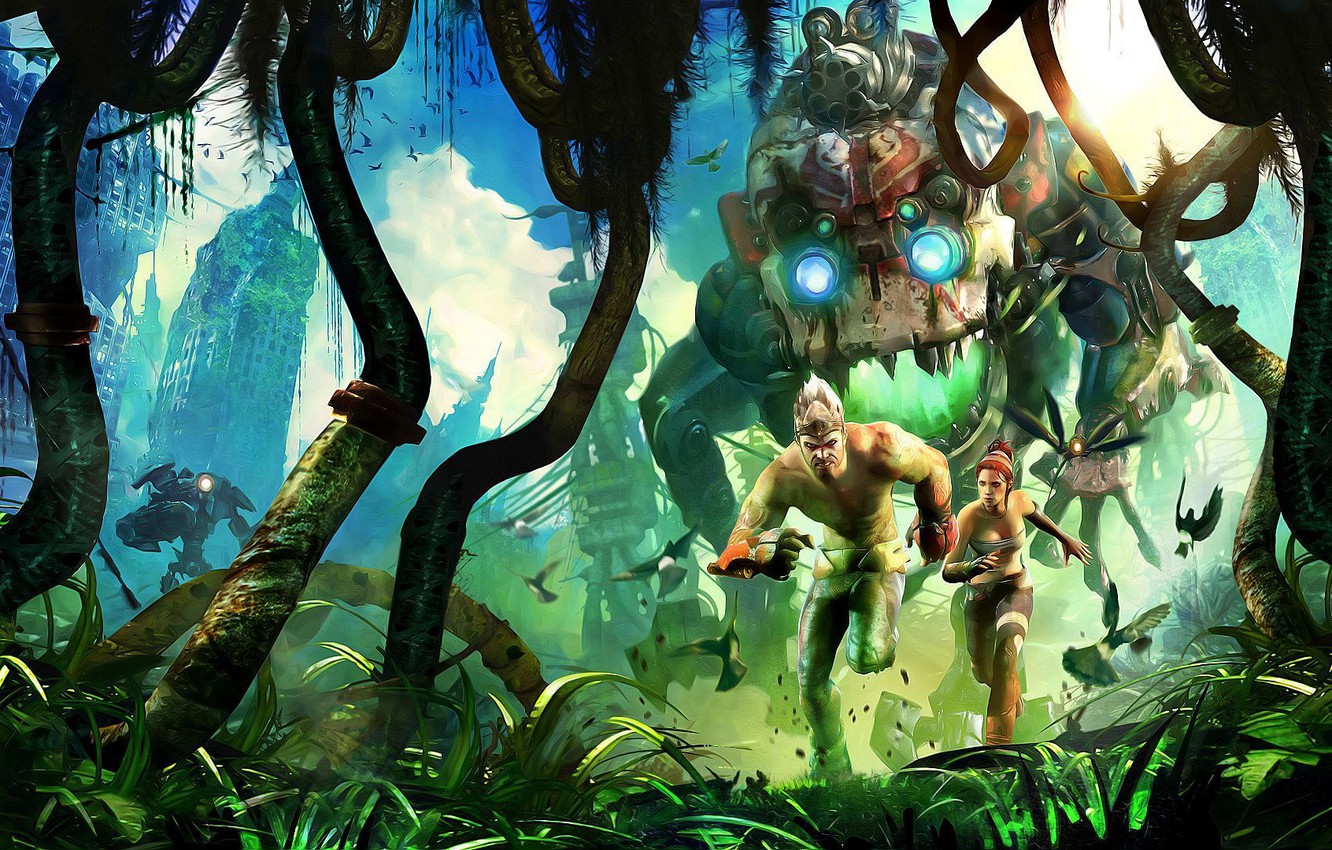
5. Enslaved: Odyssey to the West
Ninja Theory’s post-apocalyptic action-adventure, a visually striking re-imagining of the classic Chinese novel. It boasted excellent character performances, a compelling story, and beautiful art direction that felt truly lived-in. However, linear gameplay and a short length, coupled with a lack of marketing push, meant it underperformed commercially. A critical darling that couldn't quite capture the mass market, leaving its planned sequel an unfulfilled promise. A poignant reminder of narrative potential left untapped.
6. Sleeping Dogs
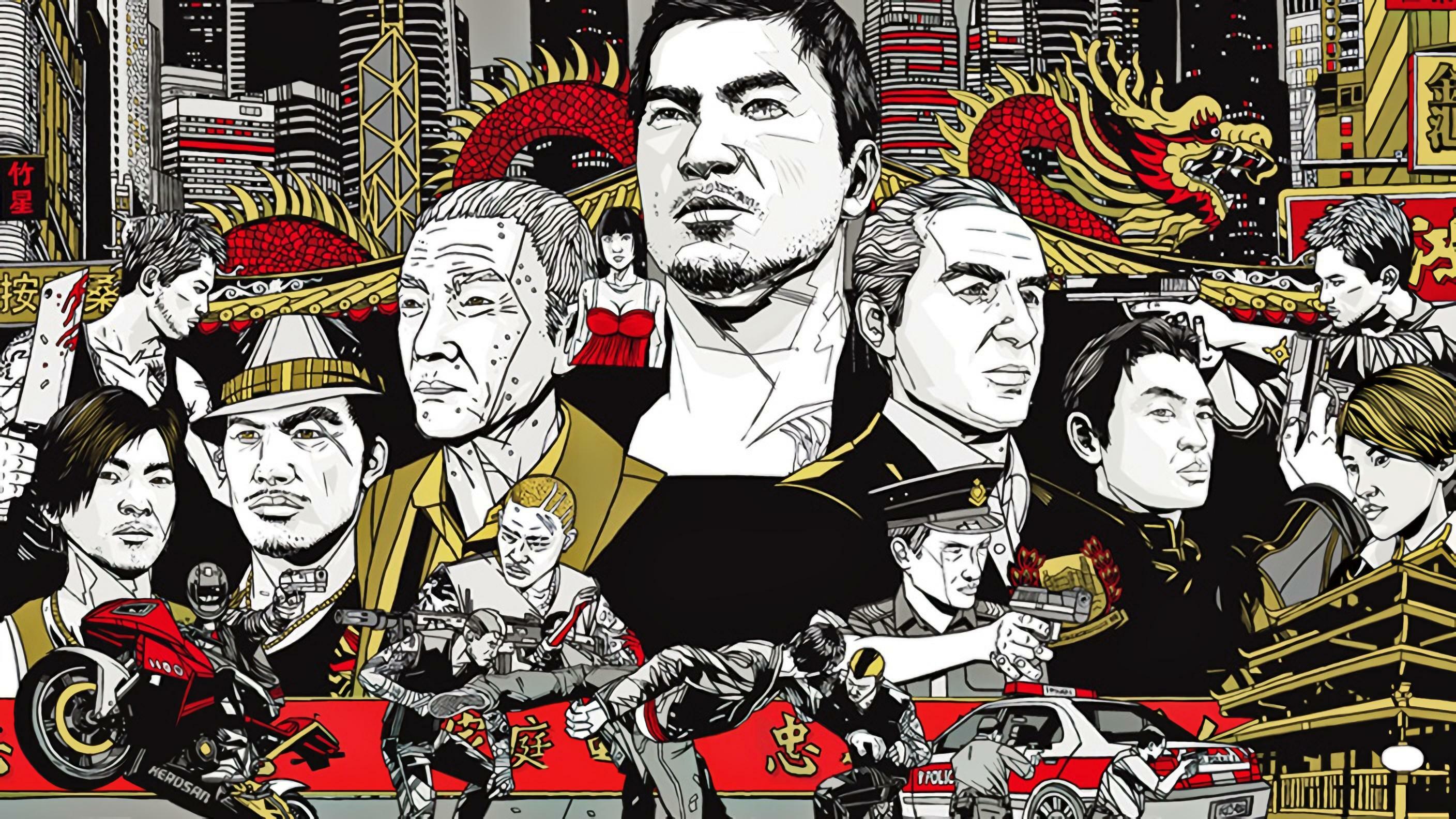
United Front Games delivered an open-world action game set in Hong Kong, celebrated for its martial arts combat, gripping undercover cop narrative, and vibrant city. It emerged from the ashes of a cancelled True Crime project, surprising many with its quality. Despite strong reviews and a dedicated fanbase, it didn't achieve the blockbuster sales needed to sustain its developer, showcasing the fierce competition in the open-world genre. A truly memorable experience, its legacy is a bittersweet one.
7. S.T.A.L.K.E.R.: Shadow of Chernobyl
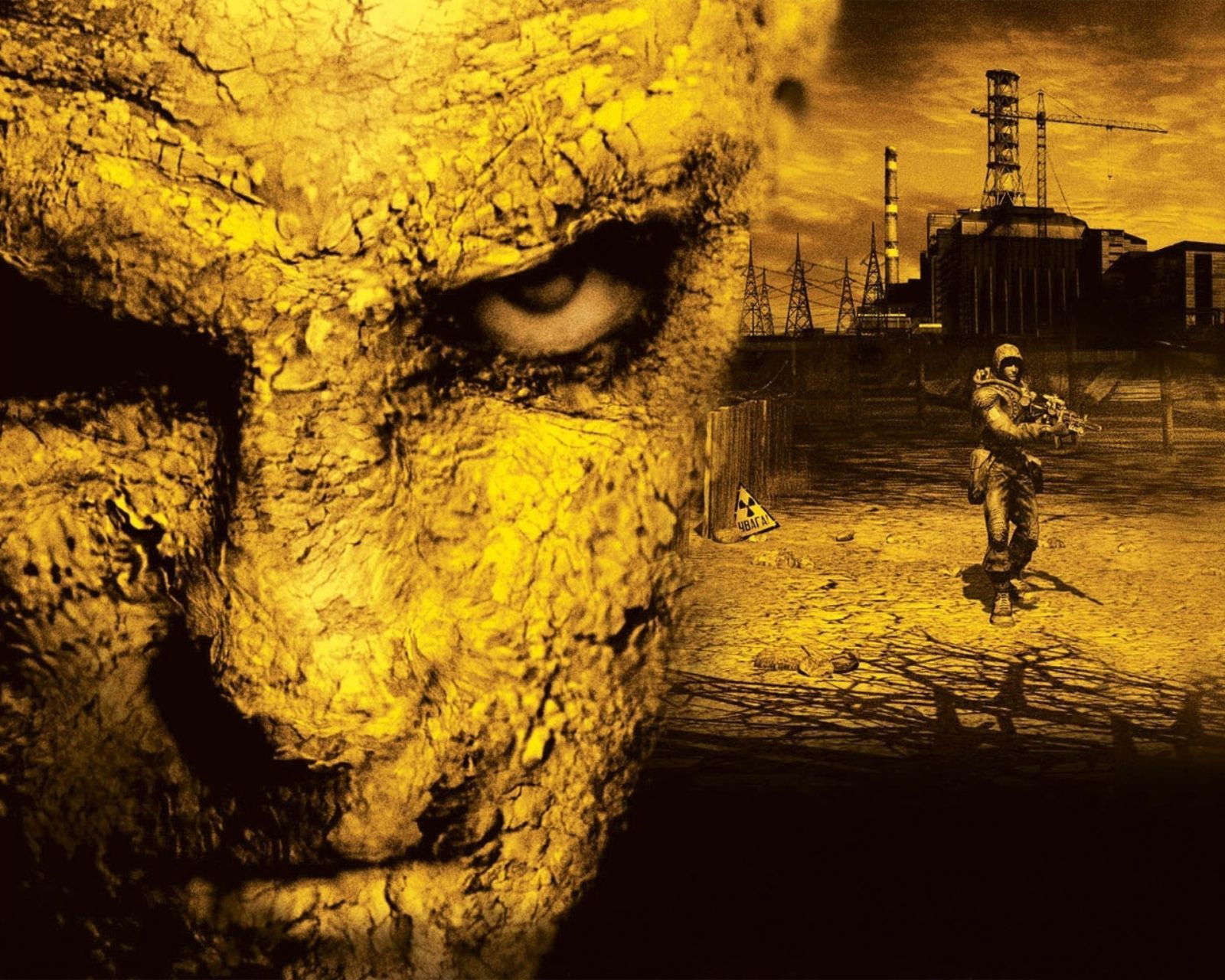
GSC Game World's gritty, atmospheric FPS/RPG hybrid set in the Chernobyl Exclusion Zone. It offered unparalleled immersion, a brutal difficulty, and a deeply unsettling world that felt hostile and alive. Critically praised for its unique blend of survival horror, exploration, and emergent gameplay, it was a PC phenomenon. Yet, its uncompromising nature and technical rough edges probably prevented it from breaking into the console mainstream, remaining a niche, albeit highly influential, classic. A singular vision that defied easy categorization.
8. Spec Ops: The Line
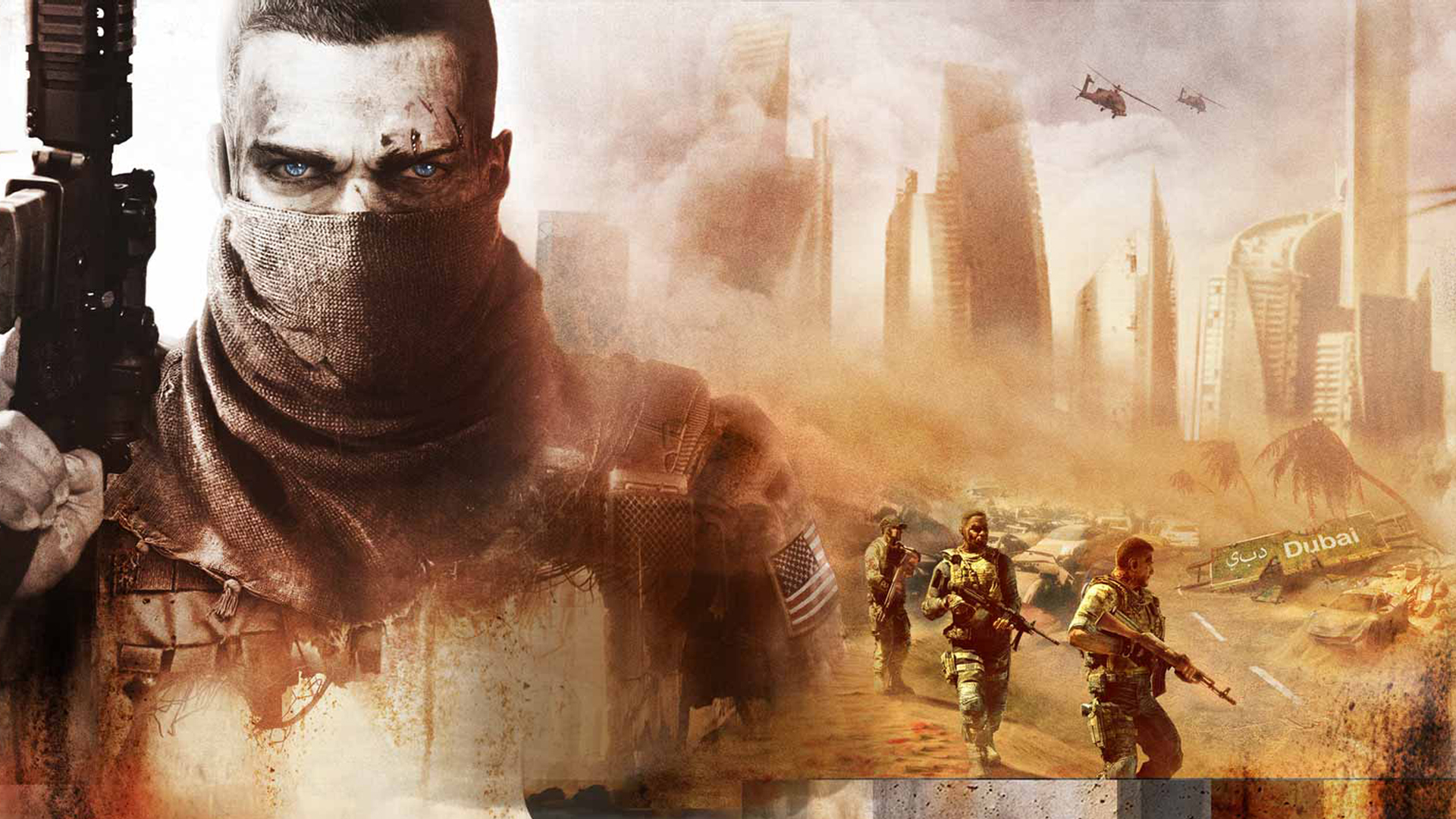
Yager Development's provocative third-person shooter that dared to question player morality and the glorification of war. Its narrative was a masterclass in deconstruction, forcing players to confront difficult choices and the psychological toll of conflict. While lauded for its storytelling, its conventional shooter mechanics and heavy themes likely limited its broad appeal. It was a game that asked uncomfortable questions, and perhaps that was its commercial undoing. A necessary, if uncomfortable, entry in the shooter genre.
9. The Darkness II
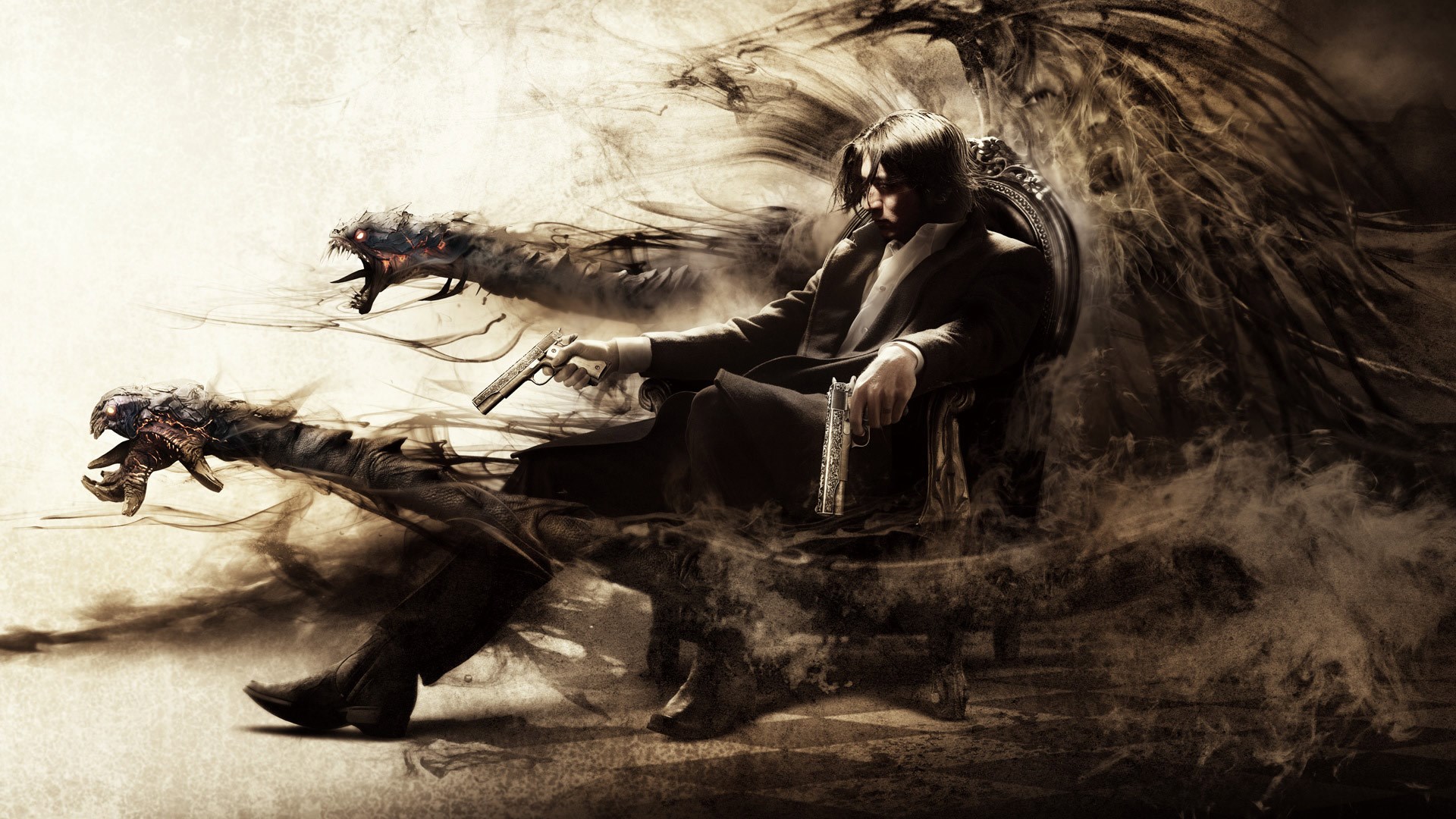
Digital Extremes took over from Starbreeze, delivering a stylish, pulp-noir sequel to the cult original. Its 'quad-wielding' mechanic, allowing simultaneous gunplay and demon tentacle attacks, was innovative and satisfying. The cel-shaded art style and brutal, comedic narrative were distinct. While critically well-received for its tight gameplay and unique premise, it didn't quite capture the same buzz as other shooters, fading into a respectable, but commercially modest, legacy. A unique power fantasy that deserved more spotlight.
10. killer7
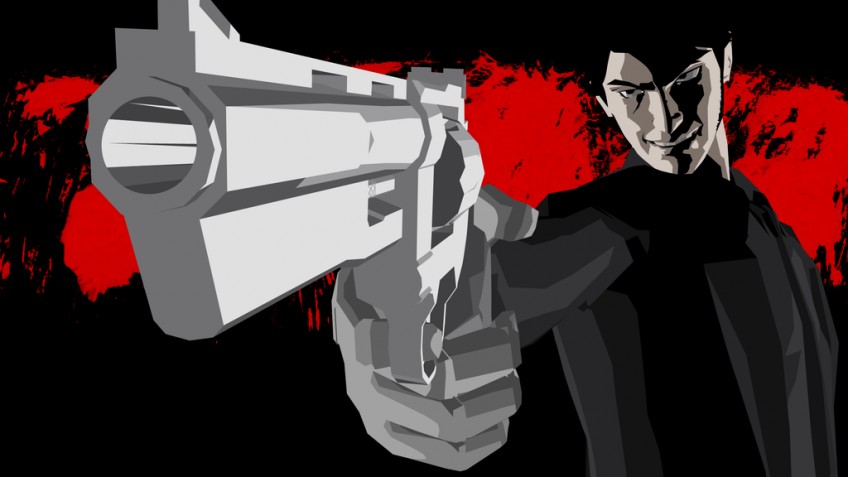
Suda51's utterly bizarre, on-rails shooter for the GameCube and PS2, a masterclass in stylistic surrealism. Its fragmented narrative, striking cel-shaded visuals, and politically charged themes made it one of the most unique games of its era. It garnered a devoted cult following for its uncompromising vision. However, its unconventional gameplay and mature, abstract storytelling were always destined for a niche audience, ensuring it remained an experimental curio rather than a mainstream hit. A singular, unforgettable experience.
11. Gravity Rush
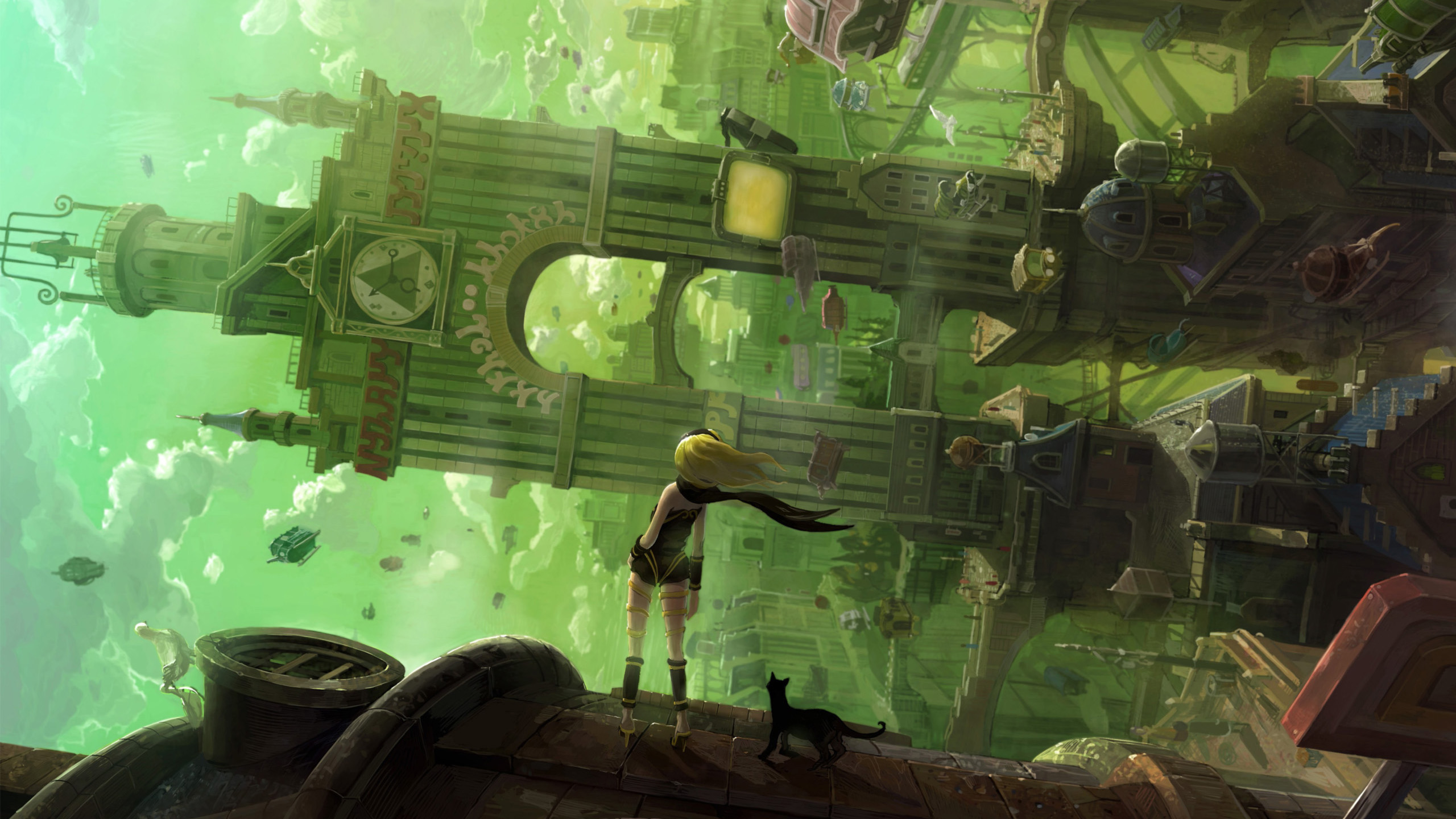
SCE Japan Studio's imaginative action-adventure for the PlayStation Vita, showcasing innovative gravity-shifting mechanics. Kat's adventures through Hekseville, with its distinct European comic book aesthetic, were a delight. Critically praised for its creativity and unique gameplay, it was a flagship title for the Vita. But the Vita's own commercial struggles inevitably limited Gravity Rush's reach, making it a brilliant game on a platform that couldn't quite find its footing. A bright star dimmed by platform woes.
12. Jade Empire
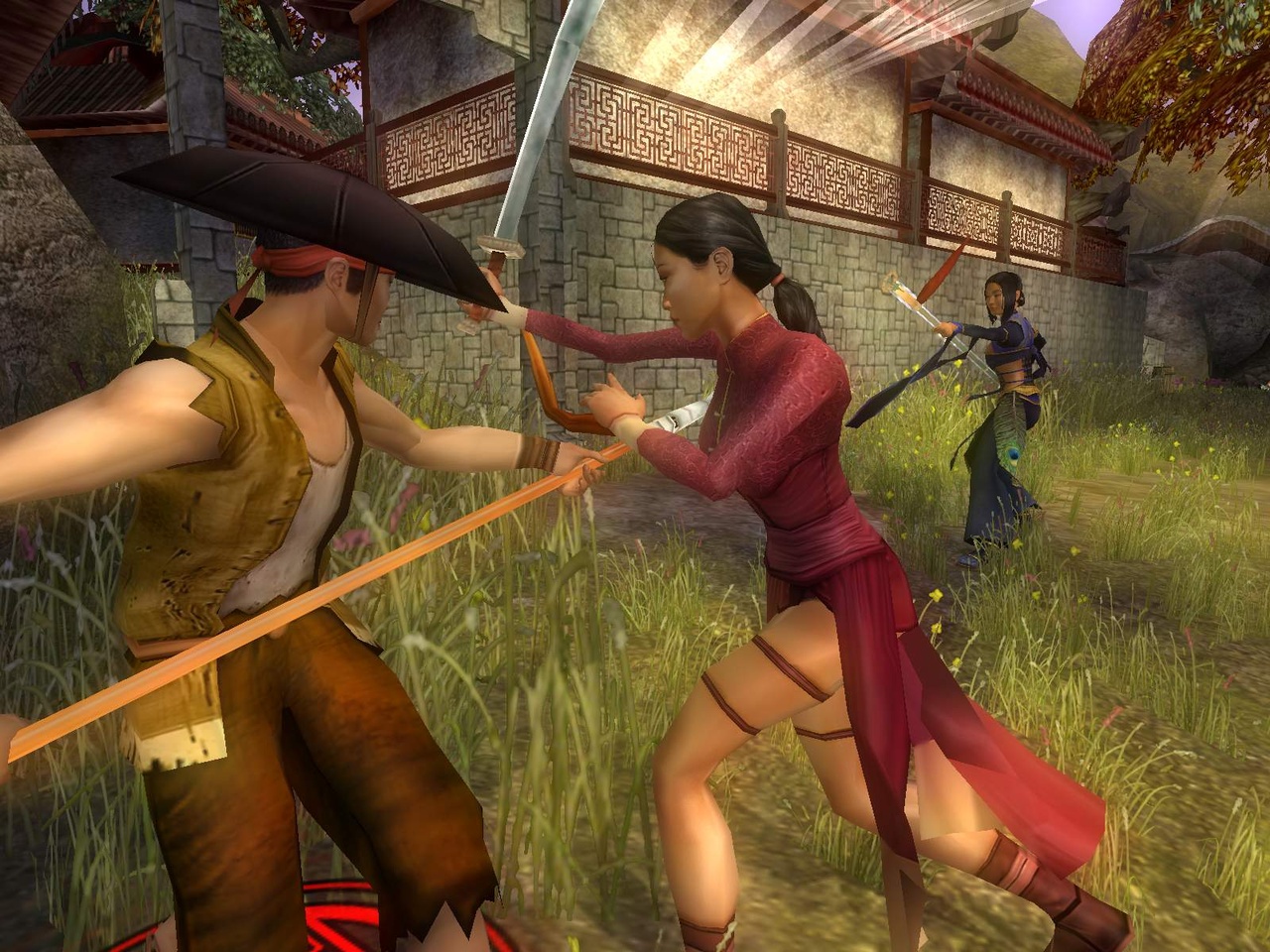
BioWare's original IP, an action RPG set in a vibrant, mythical ancient China. It offered their signature strong storytelling, meaningful choices, and compelling companions, all wrapped in a unique setting. Despite being a critical success and a strong Xbox exclusive, it didn't quite achieve the same commercial juggernaut status as their Star Wars or Mass Effect titles. It remains a beloved entry, a testament to BioWare's world-building, but a sequel never materialized. A rich world that deserved further exploration.