
1 / 12
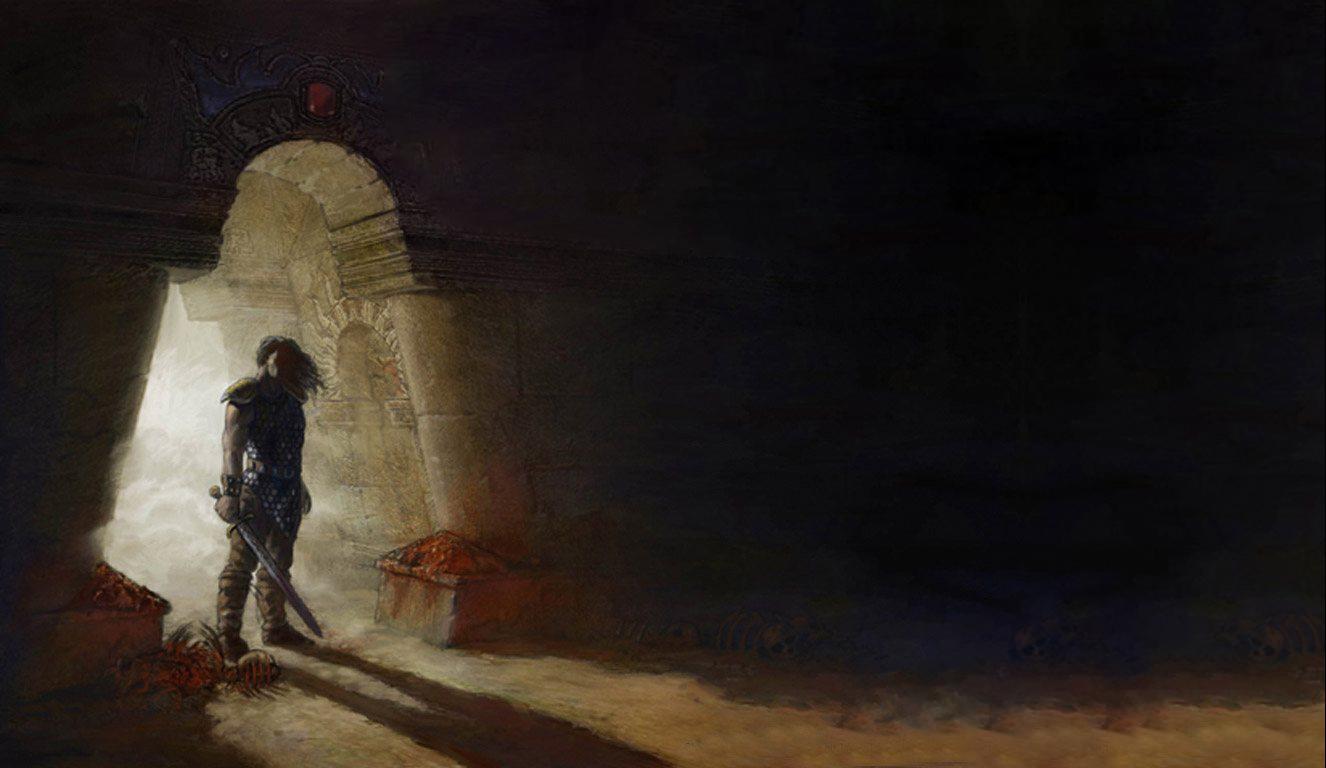
1. Arx Fatalis
Arx Fatalis, released in 2002, was an immersive PC RPG that truly understood its genre. It built a subterranean world that felt genuinely oppressive, a masterful blend of dark fantasy and systemic gameplay. Its innovative rune-drawing magic system was clunky yet deeply satisfying, fostering a sense of arcane mastery. It aspired to be a spiritual successor to Ultima Underworld, and in many ways, it succeeded, offering a deep, atmospheric experience overlooked by many.
2 / 12
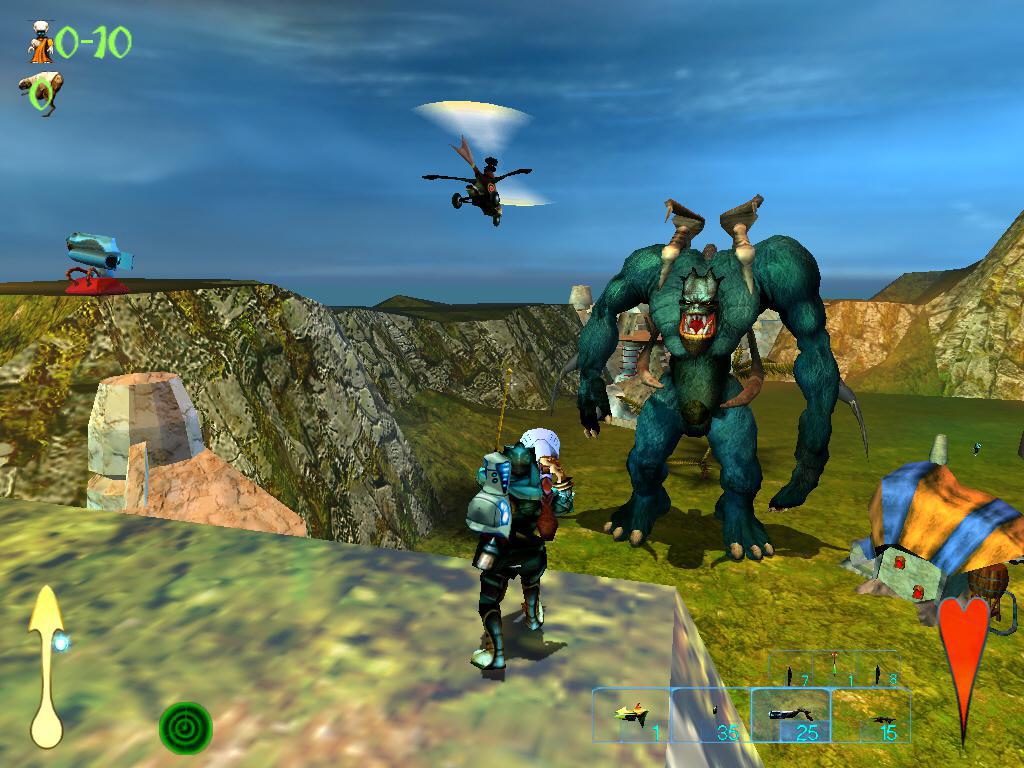
2. Giants: Citizen Kabuto
In 2000, Giants: Citizen Kabuto arrived, a bold, genre-defying experiment. It seamlessly blended third-person shooting, real-time strategy, and platforming, all wrapped in a hilariously irreverent package. Playing as the tiny Meccaryns, the powerful Sea Reapers, or the colossal Kabuto offered wildly different, yet equally engaging, experiences. It was a chaotic, beautiful mess of a game, brimming with personality and inventive mechanics that few titles dared to replicate.
3 / 12
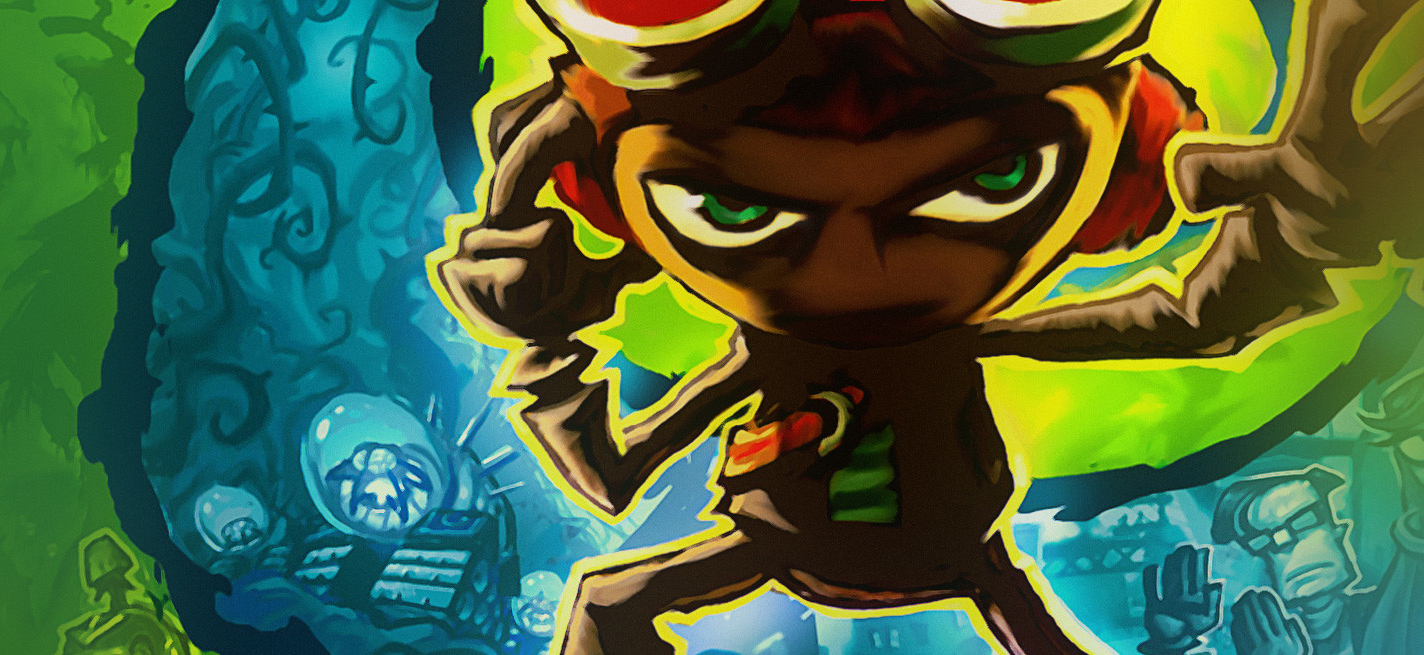
3. Psychonauts
Psychonauts, from 2005, is Double Fine's brilliant debut, a platformer with a startlingly imaginative premise. You delve into the minds of others, each a uniquely designed level reflecting their inner turmoil. The game's writing is sharp, witty, and surprisingly poignant, tackling themes of mental health with grace and humor. It's a testament to creative vision, proving that platforming could be more than just jumping, an undeniable cult classic.
4 / 12
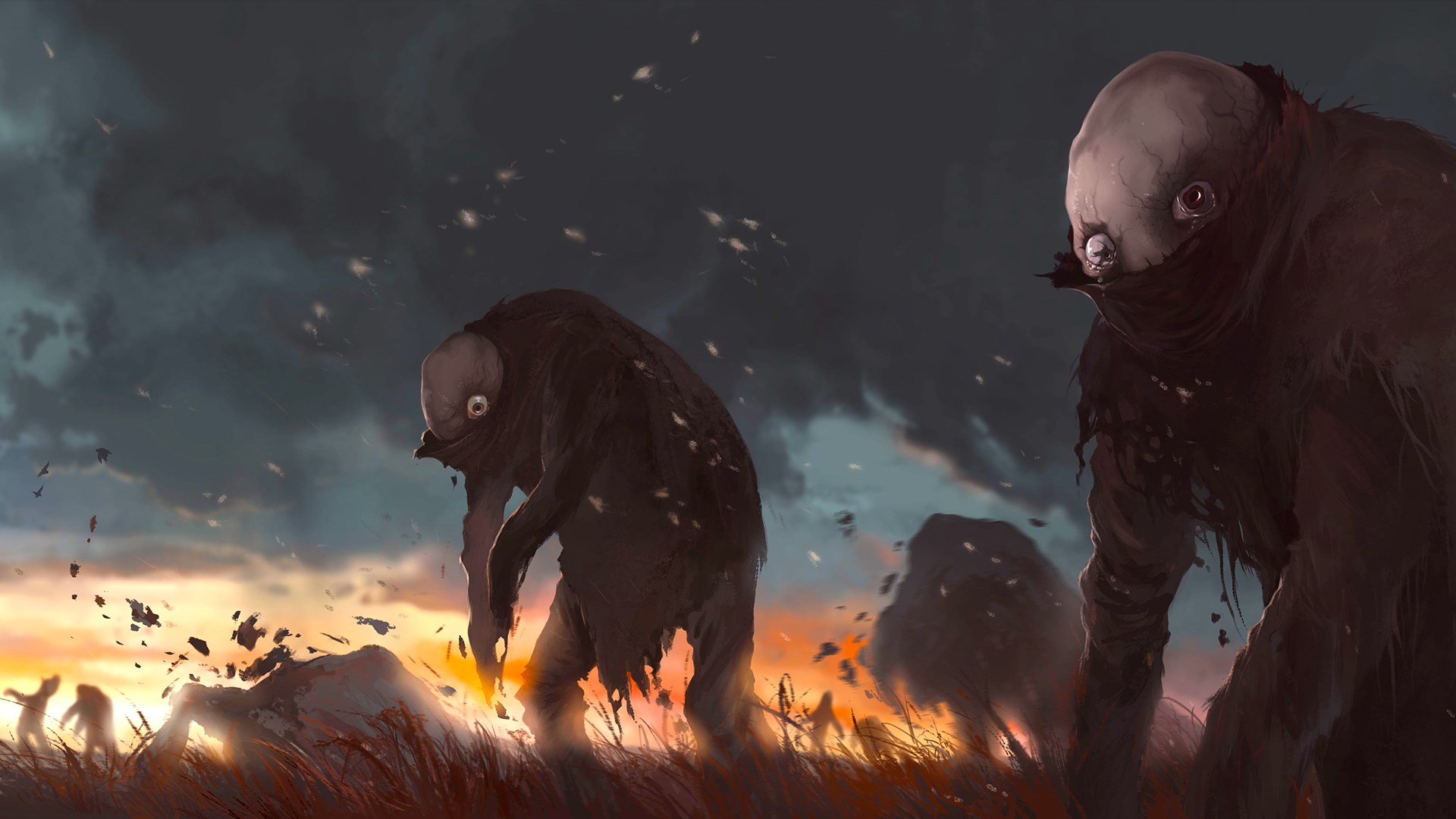
4. Pathologic 2
The 2019 reimagining, Pathologic 2, isn't just a game; it's an experience in existential dread and moral compromise. Set in a plague-ridden town, it’s brutally difficult, constantly forcing impossible choices upon the player. Its narrative is opaque, unsettling, and deeply philosophical, defying conventional horror tropes. This is a game that actively pushes back, demanding patience and introspection, leaving a profound, often uncomfortable, mark on those who endure it.
5 / 12
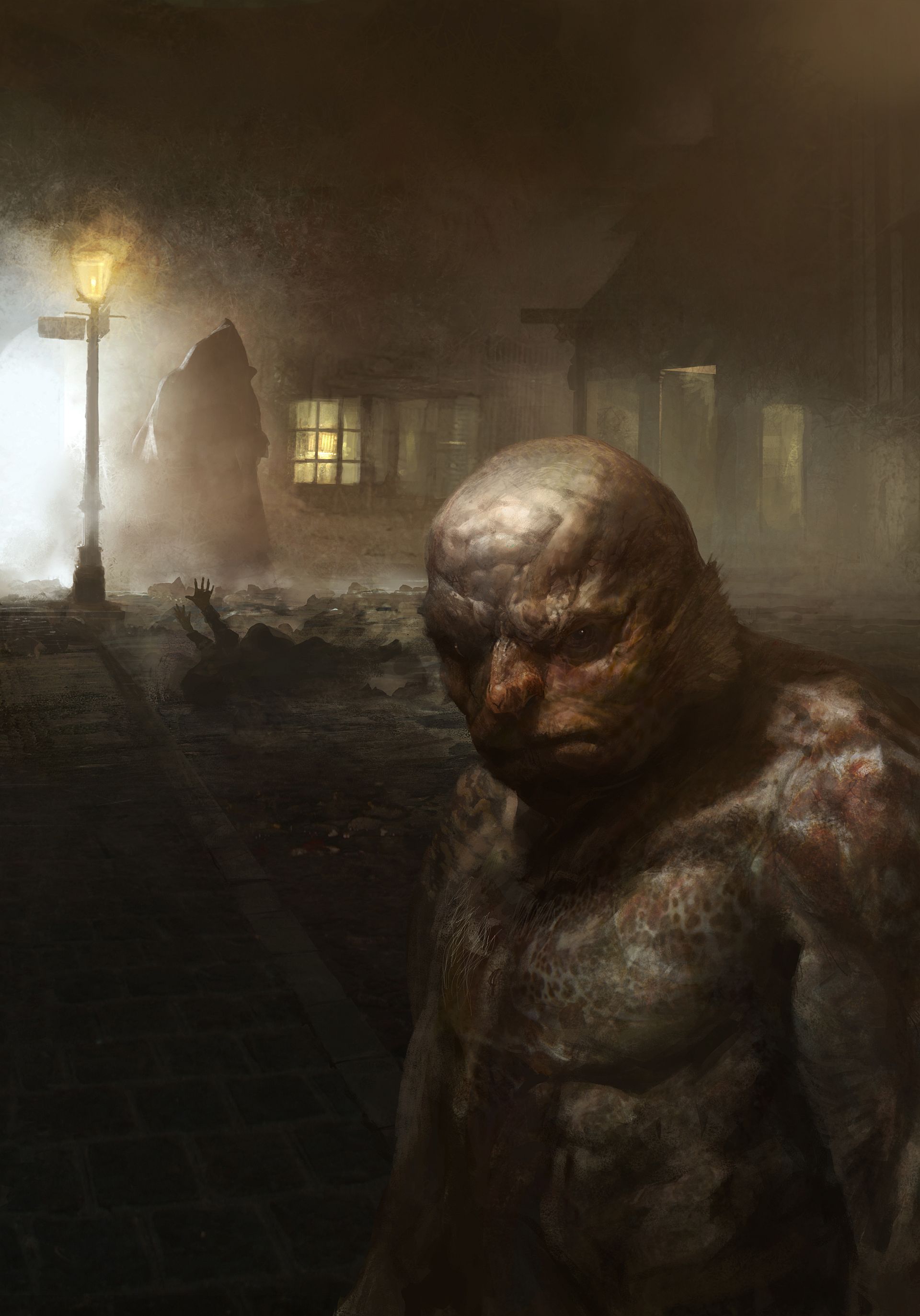
5. Call of Cthulhu: Dark Corners of the Earth
Released in 2005, Call of Cthulhu: Dark Corners of the Earth was an ambitious, albeit flawed, attempt to translate Lovecraftian horror into a first-person adventure. Its sanity mechanics were groundbreaking, making players question reality as much as their character did. Despite its technical quirks and punishing difficulty, the game captured an unparalleled sense of dread and cosmic insignificance, creating an immersive, unforgettable, and genuinely terrifying journey into madness.
6 / 12
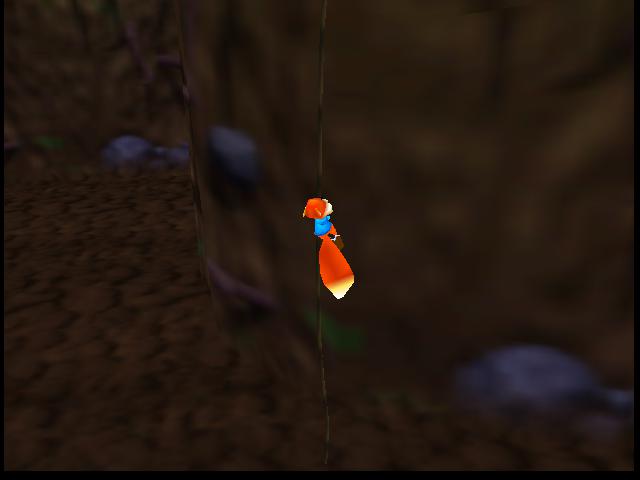
6. Conker's Bad Fur Day
Conker's Bad Fur Day, the 2001 N64 release, famously shattered expectations for a cute Rare platformer. This was a game overflowing with profanity, slapstick violence, and crude humor, a deliberate subversion of its cuddly facade. Beneath the shock value, however, lay a surprisingly varied and well-designed adventure, blending action, puzzles, and even a musical number. It was audacious, hilarious, and a truly unique, if controversial, swan song for the console.
7 / 12
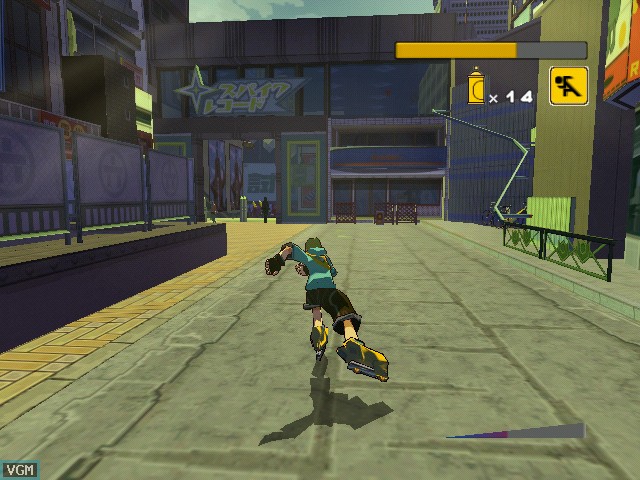
7. Jet Set Radio Future
The 2002 Xbox exclusive, Jet Set Radio Future, was a masterclass in style and attitude. Its cel-shaded visuals were revolutionary, creating a vibrant, graffiti-laden Tokyo that pulsed with energy. The iconic soundtrack, a fusion of funk, hip-hop, and electronic beats, was inseparable from the fluid, acrobatic traversal and tagging gameplay. It wasn't just a game; it was a cultural phenomenon, a rebellious, unforgettable statement of art and music.
8 / 12
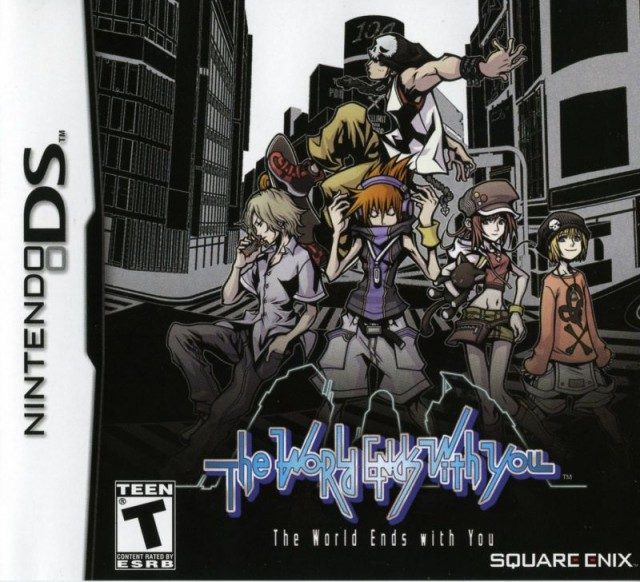
8. The World Ends With You DS
The World Ends With You (DS), from 2007, was a dazzling, innovative JRPG. It ingeniously utilized the Nintendo DS's dual screens for its frenetic, strategic combat, demanding simultaneous control. Set in a stylized, fashion-obsessed Shibuya, its narrative explored identity and consumerism with sharp dialogue and memorable characters. This game was a bold, creative outlier, proving that the JRPG genre still had fresh ideas and a unique voice.
9 / 12
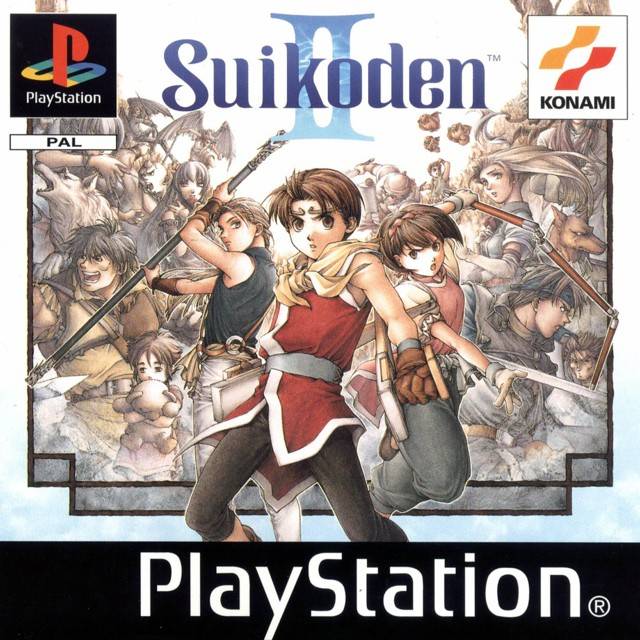
9. Suikoden II
Suikoden II, released in 1998 for the PlayStation, remains a towering achievement in JRPG design. Its epic narrative, focusing on war, betrayal, and friendship, was incredibly compelling, allowing players to recruit over 100 unique characters to their cause. The castle-building mechanic and diverse combat systems added immense depth. It was a grand, emotionally resonant adventure that, despite its critical acclaim, often gets overlooked in broader gaming history.
10 / 12
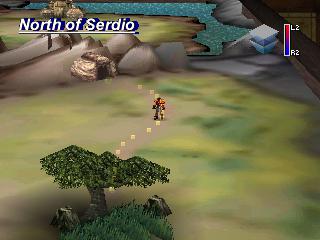
10. The Legend of Dragoon
Released on the PlayStation in 1999, The Legend of Dragoon was Sony's ambitious answer to Final Fantasy. It boasted a grand, cinematic scope, featuring lavish cutscenes and a compelling, if somewhat conventional, narrative of ancient warriors. Its "Additions" combat system, requiring precise button presses, offered a unique layer of player engagement. While it aspired to epic heights, it struggled to carve out its own space against formidable competition, becoming a cherished memory for many.
11 / 12
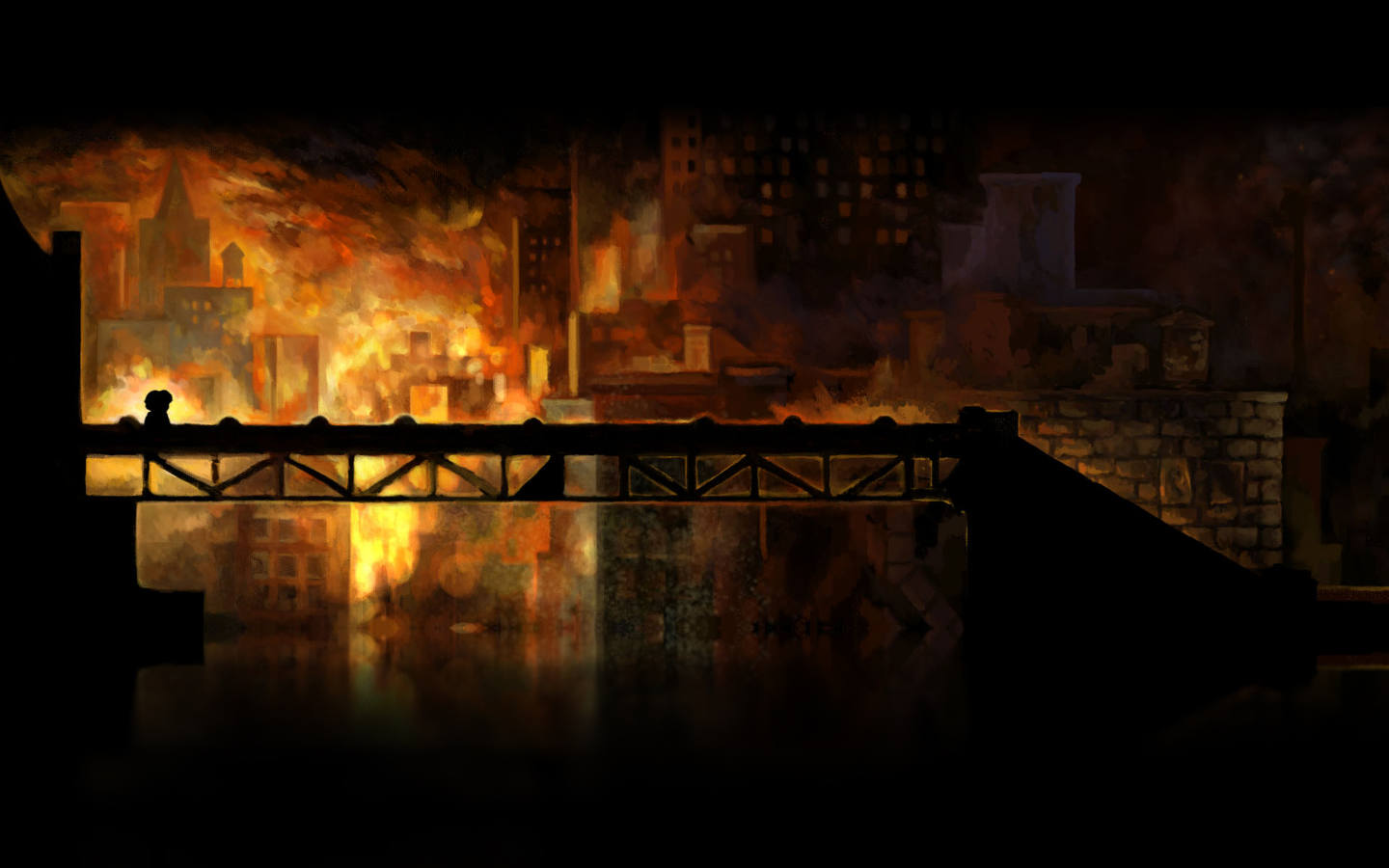
11. Braid
Braid, a 2008 Xbox Live Arcade release, wasn't just an indie game; it was a philosophical statement wrapped in a puzzle-platformer. Its groundbreaking time-manipulation mechanics forced players to rethink conventional platforming, creating truly mind-bending challenges. The poignant, often abstract narrative explored themes of regret and obsession, culminating in a revelatory ending. Braid significantly influenced the burgeoning indie scene, proving that games could be both intellectually stimulating and emotionally resonant.
12 / 12
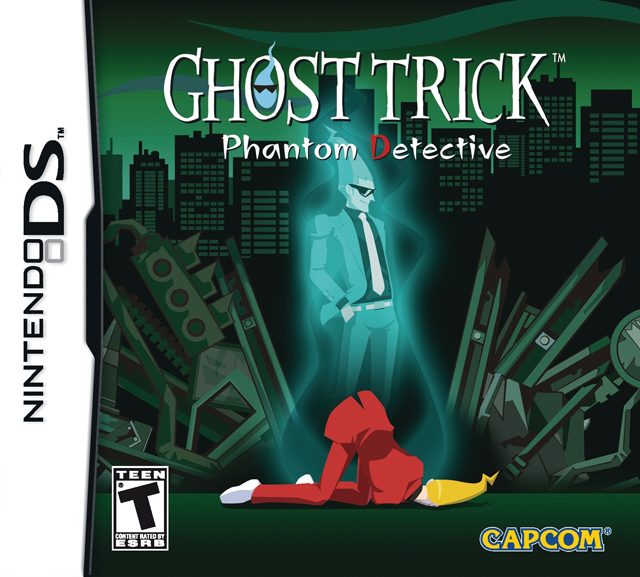
12. GHOST TRICK: Phantom Detective
From 2010, GHOST TRICK: Phantom Detective, by Ace Attorney's Shu Takumi, was a masterclass in narrative adventure. Players control Sissel, a ghost with the power to manipulate objects and rewind time four minutes before a death. Its clever puzzle design, charming animation, and surprisingly emotional story unfold with impeccable pacing. This unique premise, combined with its quirky humor and eventual heartwarming conclusion, makes it an unforgettable, overlooked gem.