1 / 12
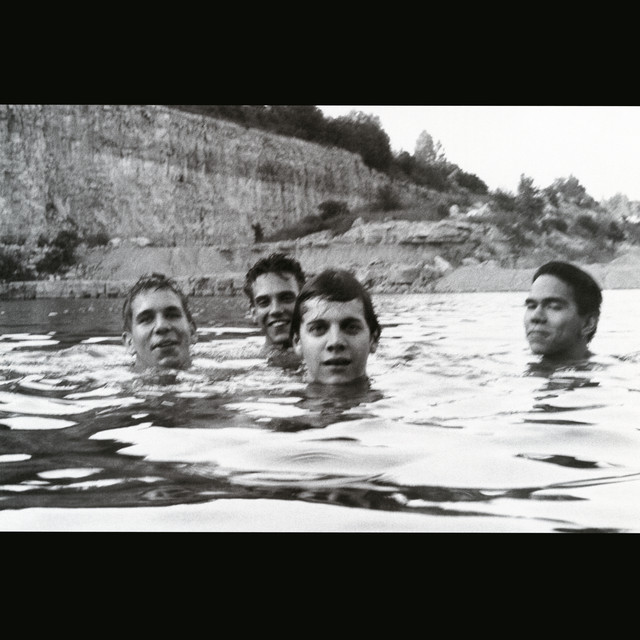
1. Spiderland
Before 'post-rock' was a genre, *Spiderland* just *was*. This wasn't about flashy solos; it was about space, tension, and the creeping dread of unfolding narratives. Its stark, intricate guitar work and spoken-word delivery felt like a whispered secret passed among those tired of grunge’s bombast. It showed us how quiet could be devastatingly loud, a blueprint for atmospheric tension that still resonates deeply.
2 / 12
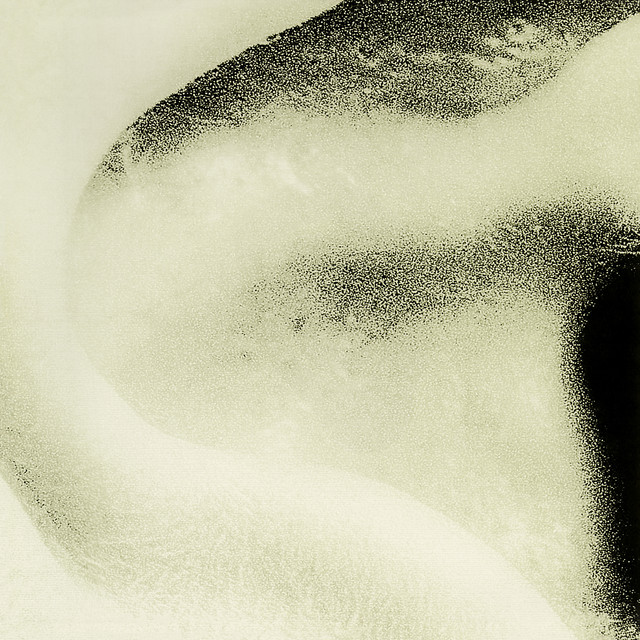
2. 76:14
Stepping into *76:14* felt like slipping into a digital ocean, vast and endlessly deep. This wasn't background music; it was a destination, a meticulously crafted sonic landscape where time dissolved. Its ambient washes and subtle rhythmic pulses became the soundtrack for late-night coding sessions or early morning contemplation, proving electronic music could be profoundly organic and emotionally resonant without ever needing a beat drop.
3 / 12
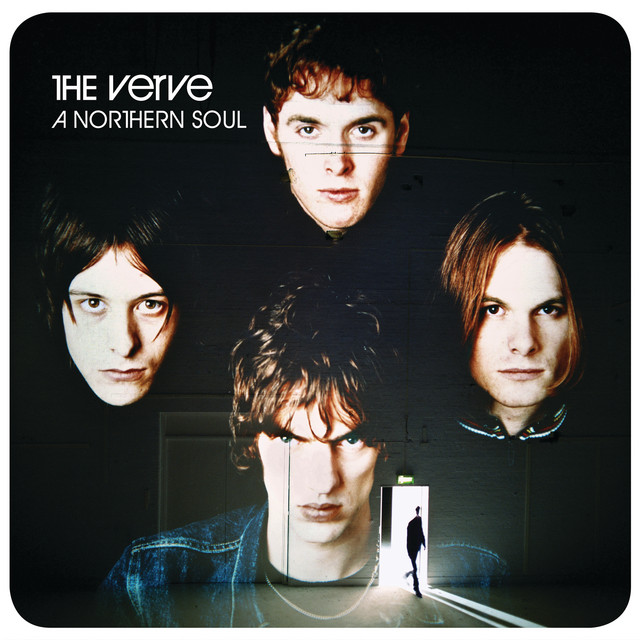
3. A Northern Soul
The Verve, before the superstardom, delivered *A Northern Soul* – a raw, sprawling beast that captured the aching grandeur of youth in post-industrial Britain. Ashcroft's yearning vocals against Nick McCabe’s psychedelic guitar maelstrom was pure, unadulterated passion. It wasn't clean; it was messy, beautiful, and utterly vital, a defiant roar that carved out its own space beyond mere Britpop swagger, foreshadowing a much larger sound.
4 / 12
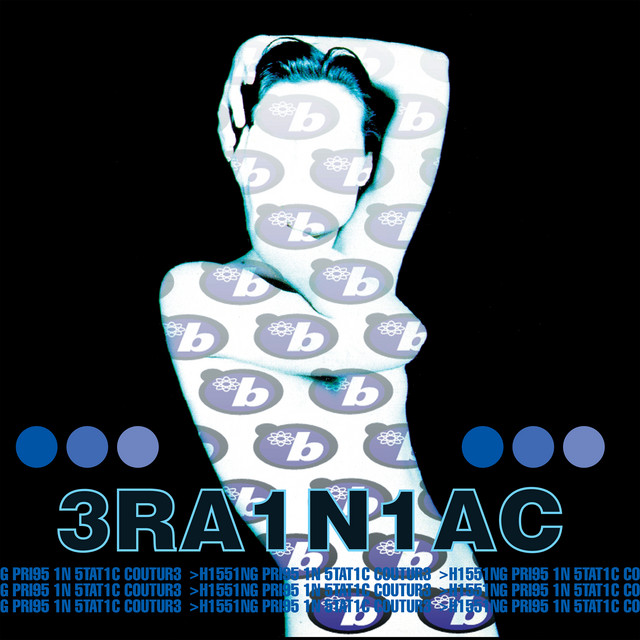
4. Hissing Prigs in Static Couture
Cardiacs were always an anomaly, and *Hissing Prigs* is their defiant, glorious middle finger to convention. This album was a masterclass in controlled chaos, a dizzying whirlwind of unexpected time changes, intricate arrangements, and Tim Smith’s uniquely British, theatrical vocals. It was challenging, yes, but immensely rewarding, showing that rock could be wildly intelligent, playful, and utterly, unforgettably weird without compromise.
5 / 12
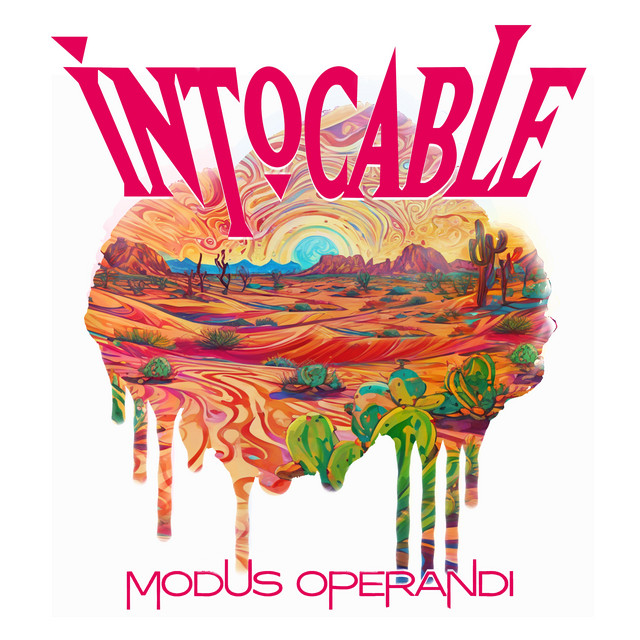
5. Modus Operandi
When *Modus Operandi* hit, it wasn't just drum and bass; it was a manifesto. Photek took jungle's frantic energy and refined it into something surgically precise, almost architectural. The intricate breakbeats, the deep, dark basslines, and the sparse, atmospheric pads created a soundscape that felt both menacing and intellectually stimulating. It was the sound of future shock, a complex rhythmic puzzle that demanded your full attention.
6 / 12
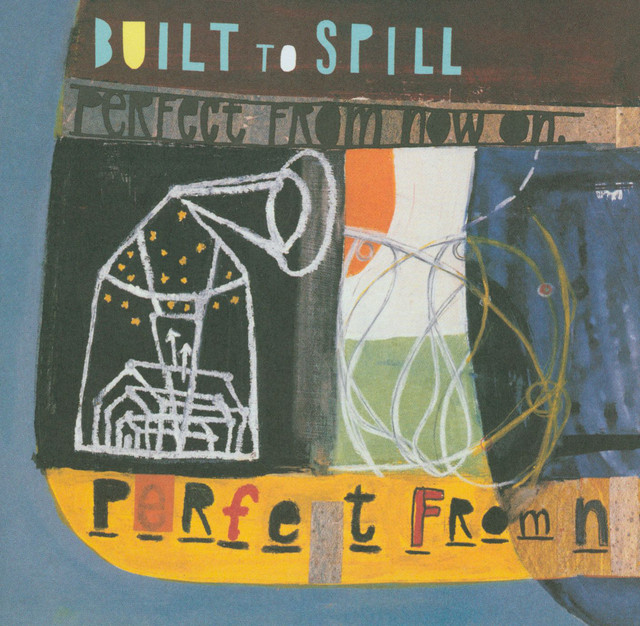
6. Perfect from Now On
*Perfect from Now On* felt like Doug Martsch poured his entire soul into a sprawling, guitar-laden odyssey. Each track stretched out, building layers of intricate melodies and soaring solos that felt both meticulously crafted and utterly spontaneous. It was an album for long drives and deep thoughts, a testament to how indie rock could achieve epic scale and emotional depth without succumbing to stadium rock clichés. Pure guitar alchemy.
7 / 12
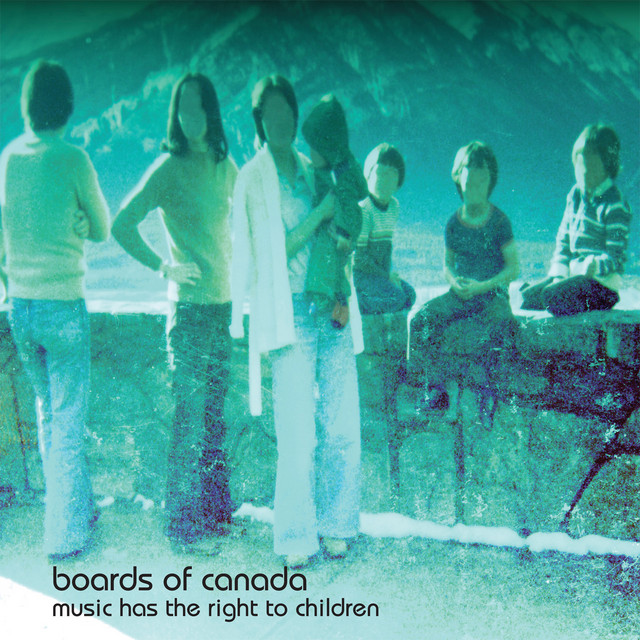
7. Music Has The Right To Children
*Music Has The Right To Children* landed like a transmission from a forgotten childhood, filtered through analog tape and hazy memories. Boards of Canada crafted a sound that was instantly recognizable: warm, dusty synthesizers, sampled voices, and beats that shuffled with a benevolent melancholy. It tapped into a collective subconscious, a wistful yearning for simpler times, proving electronic music could be profoundly human and deeply nostalgic.
8 / 12
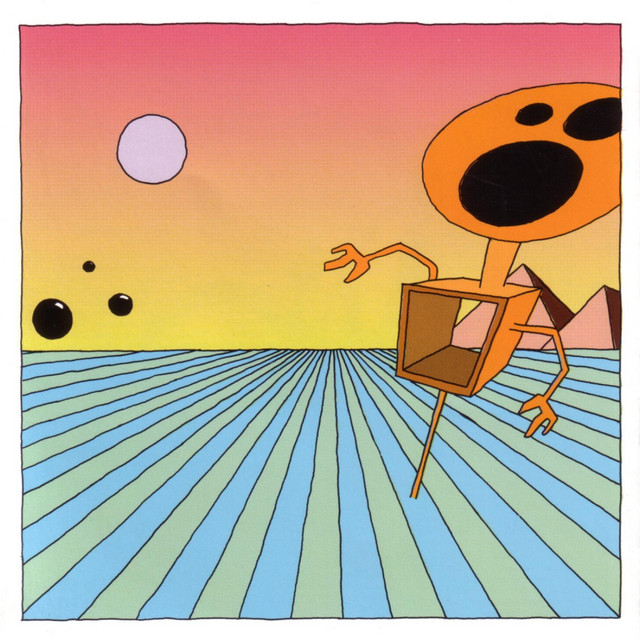
8. Emergency & I
This album was a jittery, smart, and profoundly human take on indie rock anxiety. The Dismemberment Plan, with Travis Morrison's idiosyncratic vocals and the band's tightly wound, often danceable rhythms, navigated the awkwardness of modern life with surgical precision. *Emergency & I* felt like a conversation with your smartest, most neurotic friend, showing that emotional vulnerability could be delivered with sharp wit and undeniable energy.
9 / 12
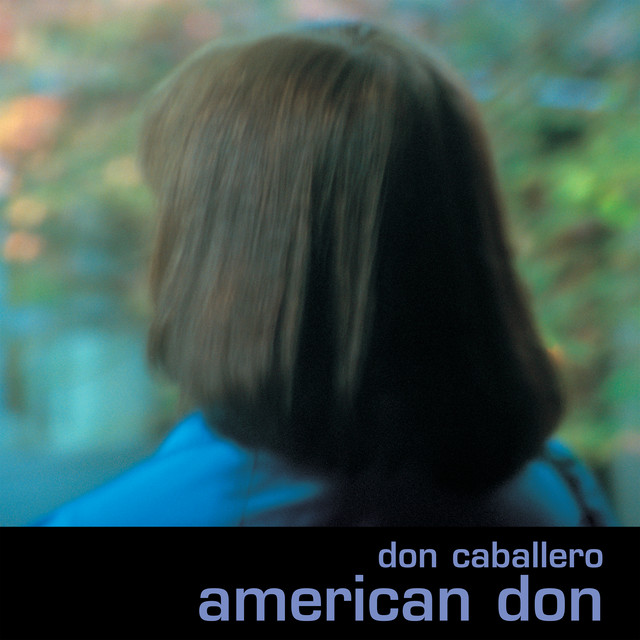
9. American Don
Don Caballero's *American Don* was a masterclass in rhythmic complexity and instrumental prowess. There were no vocals here, just a relentless, interlocking assault of guitar, bass, and especially Damon Che's unparalleled drumming. It wasn't about catchy hooks; it was about the sheer, exhilarating force of musicians pushing the boundaries of rock, creating intricate, almost geometric soundscapes that demanded active listening and rewarded it tenfold.
10 / 12
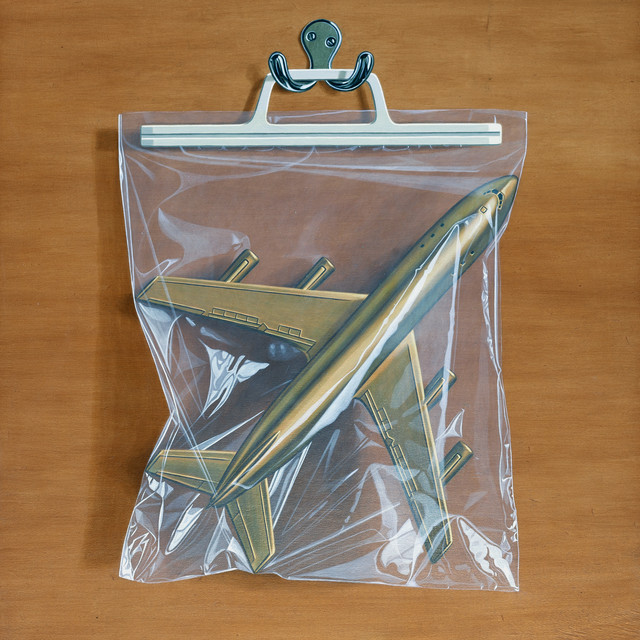
10. Ants From Up There
Looking back from the digital explosion era, *Ants From Up There* feels like a culmination of so many threads woven through our formative years. It takes the sprawling intensity of post-rock, the emotional rawness of indie, and the intricate dynamics of math-rock, distilling them into an album of breathtaking scope. Isaac Wood's dramatic storytelling, backed by that dynamic, jazz-inflected instrumentation, showed how those earlier blueprints could evolve into something profoundly modern yet undeniably rooted.
11 / 12

11. Leaves Turn Inside You
Unwound's *Leaves Turn Inside You* was their sprawling, defiant swan song, an epic double album that pushed post-hardcore into uncharted, emotionally raw territory. Its intricate guitar interplay, unsettling atmosphere, and Justin Trosper's strained vocals painted a bleak but captivating landscape. It was complex, challenging, and utterly uncompromising, a testament to a band refusing to simplify, instead opting for a dense, singular vision that still feels revolutionary.
12 / 12
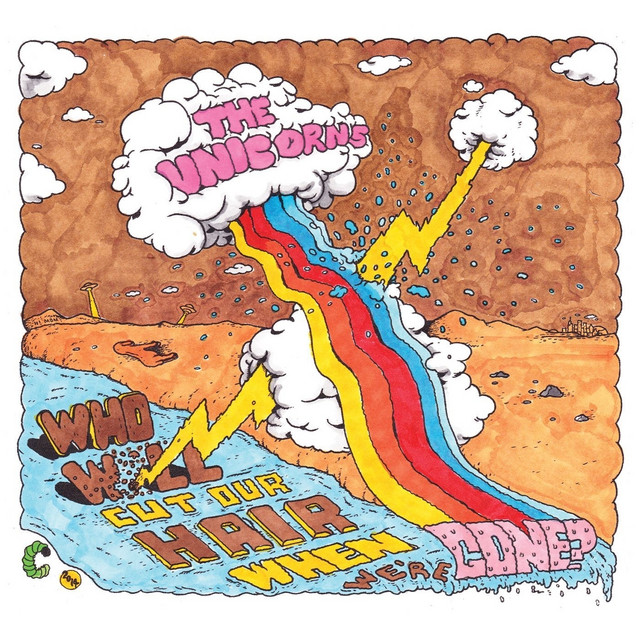
12. Who Will Cut Our Hair When We're Gone? (Remastered)
The Unicorns' *Who Will Cut Our Hair When We're Gone?* felt like a secret handshake among indie kids, a bizarre, charming, and deceptively melancholic gem. Its lo-fi aesthetic and playful, often absurd lyrics belied a deep emotional core. This wasn't polished; it was raw, immediate, and full of quirky sincerity, showing that you didn't need big budgets to create something utterly captivating and enduringly beloved. It was wonderfully weird.