1 / 11

1. Pong (1972)
This was the spark. Before it, arcades were pinball and shooting galleries. Pong introduced a simple, competitive digital interaction that hooked people, making them realize electronics could be fun. It laid the groundwork for an entire industry, showing that games weren't just toys, but a new form of entertainment capable of drawing a crowd. And it certainly did, birthing an entirely new cultural pastime.
2 / 11
2. Space Invaders (1978)
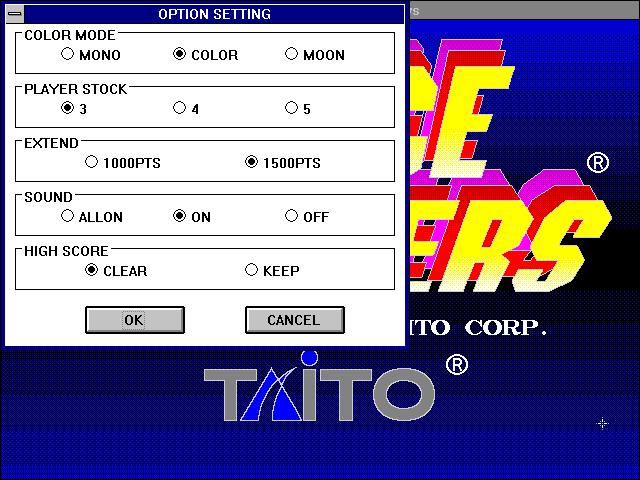
Then came Space Invaders, tightening the loop. It wasn't just about hitting a ball; it was about survival, a high score, and a sense of progression. This game popularized the high-score chase, the concept of lives, and even created a social space around the arcade cabinet. It truly cemented video games as a cultural phenomenon, pulling coins from pockets worldwide and establishing the arcade as a central gathering point.
3 / 11
3. Pac-Man
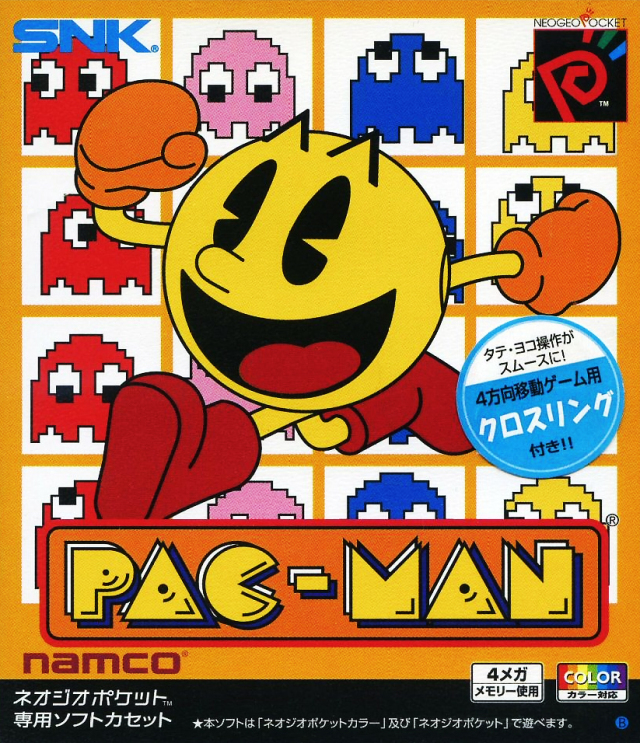
Pac-Man, though, brought character and a nascent narrative to the arcade. It wasn't just abstract shapes; it was a hungry yellow circle chased by ghosts with distinct personalities. It appealed to a broader demographic, including women, expanding the perceived audience for games beyond young men. Pac-Man showed that games could be charming, iconic, and universally recognized mascots, transcending the pixels.
4 / 11
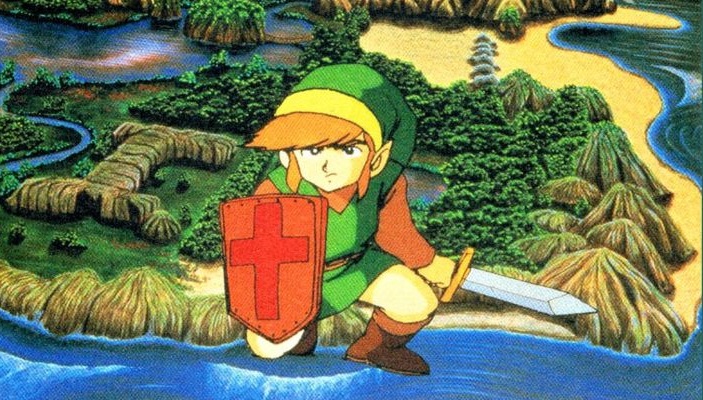
4. The Legend of Zelda
This one redefined adventure. It wasn't just about levels; it was an entire world to explore, secrets to uncover, and a genuine sense of discovery. Zelda offered a non-linear path, encouraging players to think, map, and return, a pioneering move for console games. It proved games could offer complex, enduring fantasies, building a template for open-world design and character progression that resonated for decades.
5 / 11
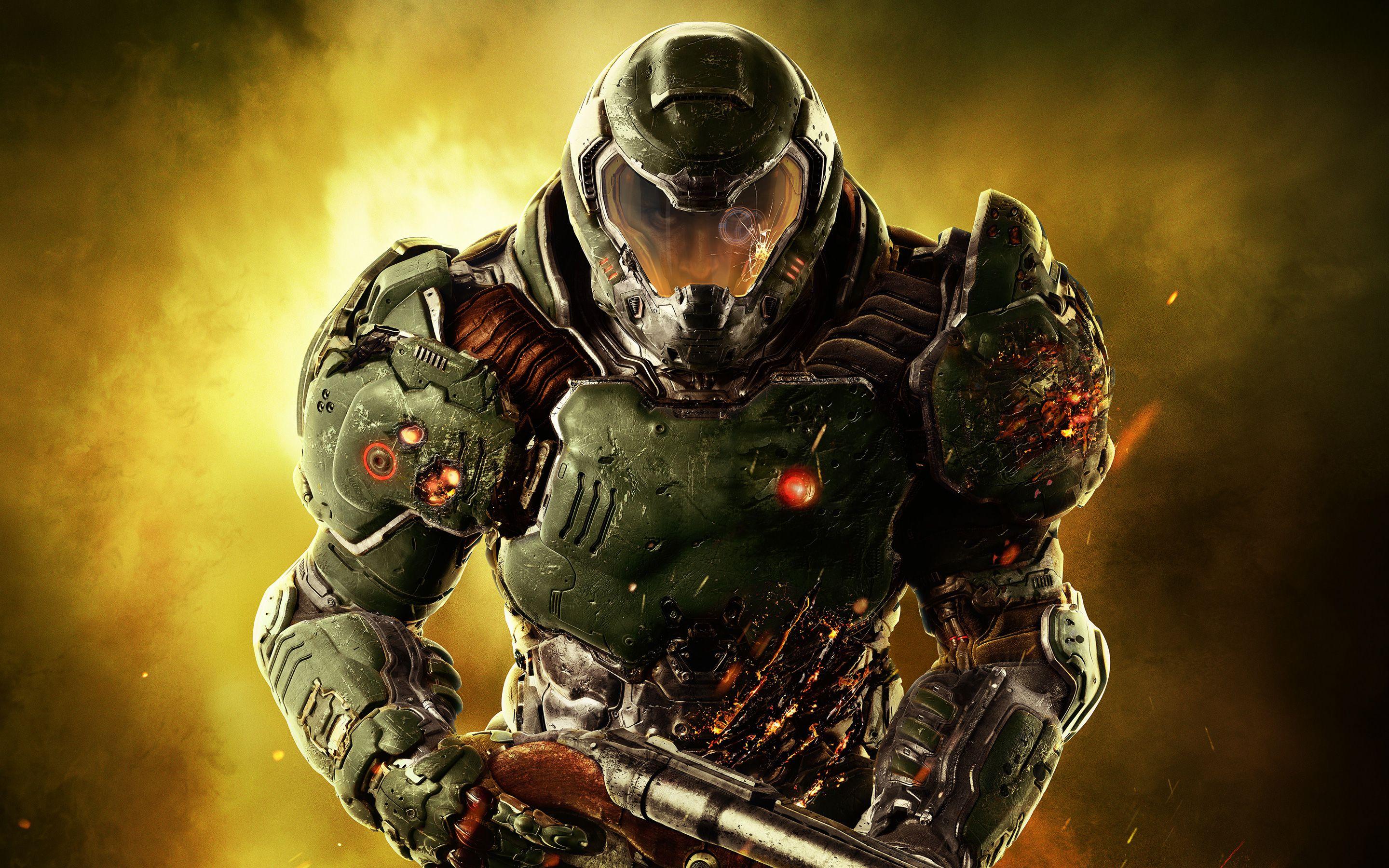
5. DOOM (2016)
The original DOOM pioneered the FPS, but the 2016 reboot reminded everyone why it mattered. It wasn't just a nostalgic cash-in; it was a masterclass in kinetic combat, pure aggression, and environmental storytelling. This game proved that a well-crafted single-player experience, even in a crowded genre, could still captivate with relentless pace and satisfying mechanics, pushing back against open-world bloat and redefining visceral action.
6 / 11

6. Final Fantasy VII
This was a cinematic revolution for games. Its sprawling narrative, unforgettable characters, and pre-rendered cutscenes elevated storytelling in a way few had seen before. It demonstrated that video games could deliver emotional depth and epic scale rivaling blockbuster films, legitimizing them as a serious narrative medium. It cemented JRPGs as a global force, showing their narrative power.
7 / 11
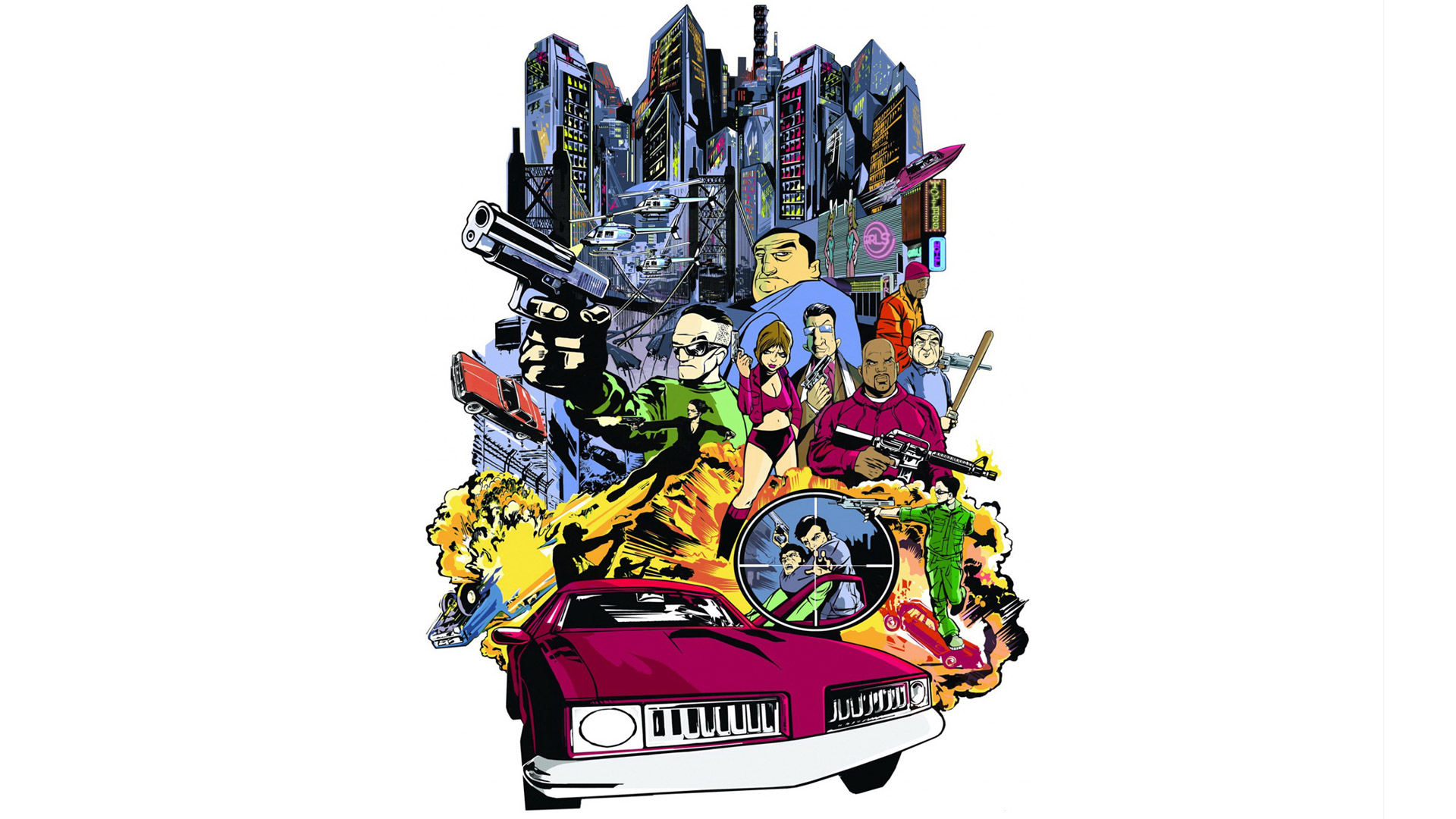
7. Grand Theft Auto III
Then came Grand Theft Auto III, a seismic shift. It created the modern open-world sandbox, a living, breathing city ripe for chaos and exploration. This game wasn't just about missions; it was about agency, letting players dictate their own fun, pushing boundaries of what a game world could be. It sparked debates, sold millions, and became a blueprint for countless imitators, fundamentally altering game design.
8 / 11
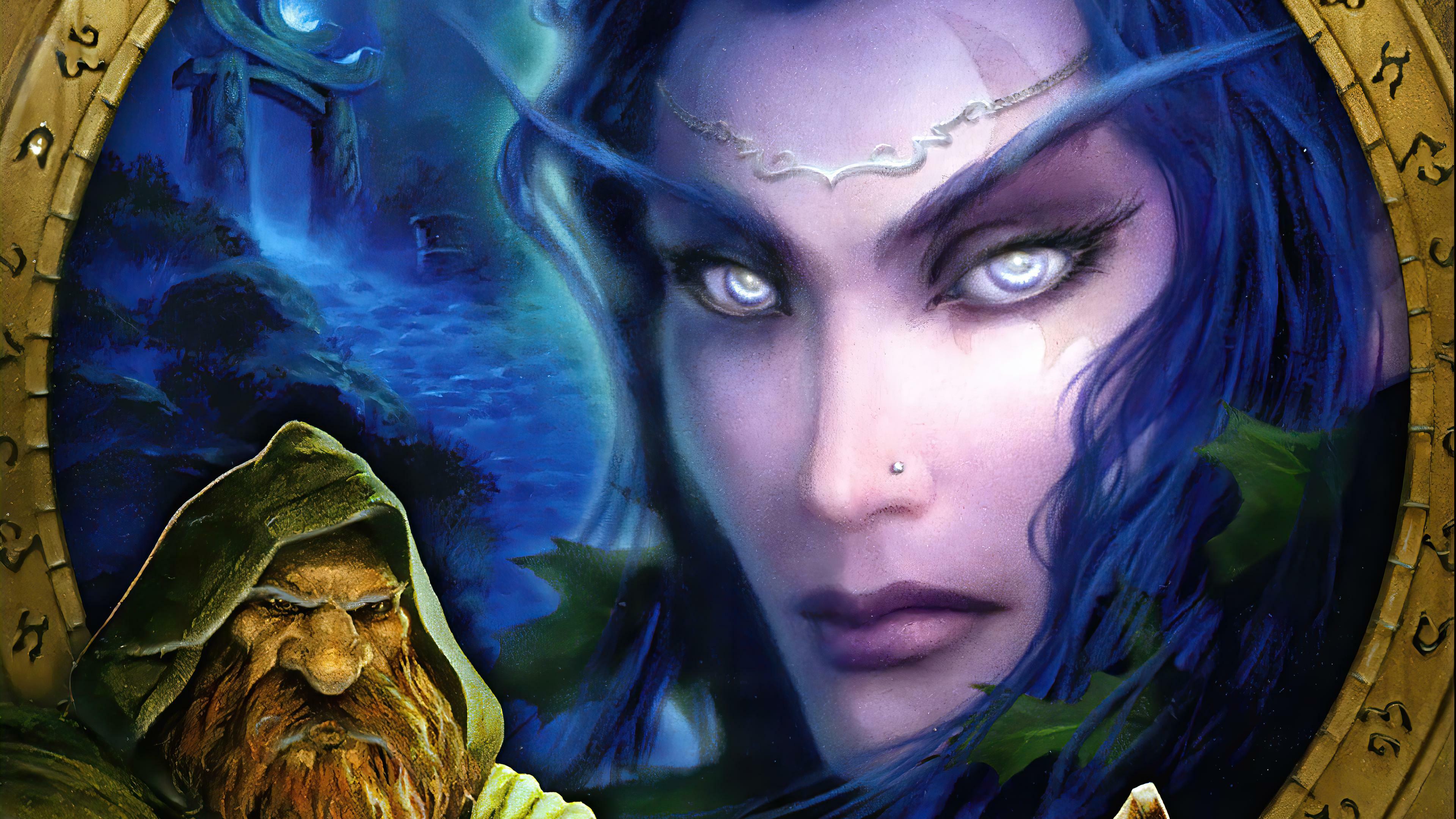
8. World of Warcraft
World of Warcraft didn't just popularize MMOs; it built entire virtual societies. It showed the power of persistent online worlds, fostering communities, economies, and even real-world relationships. This game proved that digital spaces could be as meaningful and engaging as physical ones, blurring the lines between play and social interaction on an unprecedented scale, creating a true digital second life for millions.
9 / 11
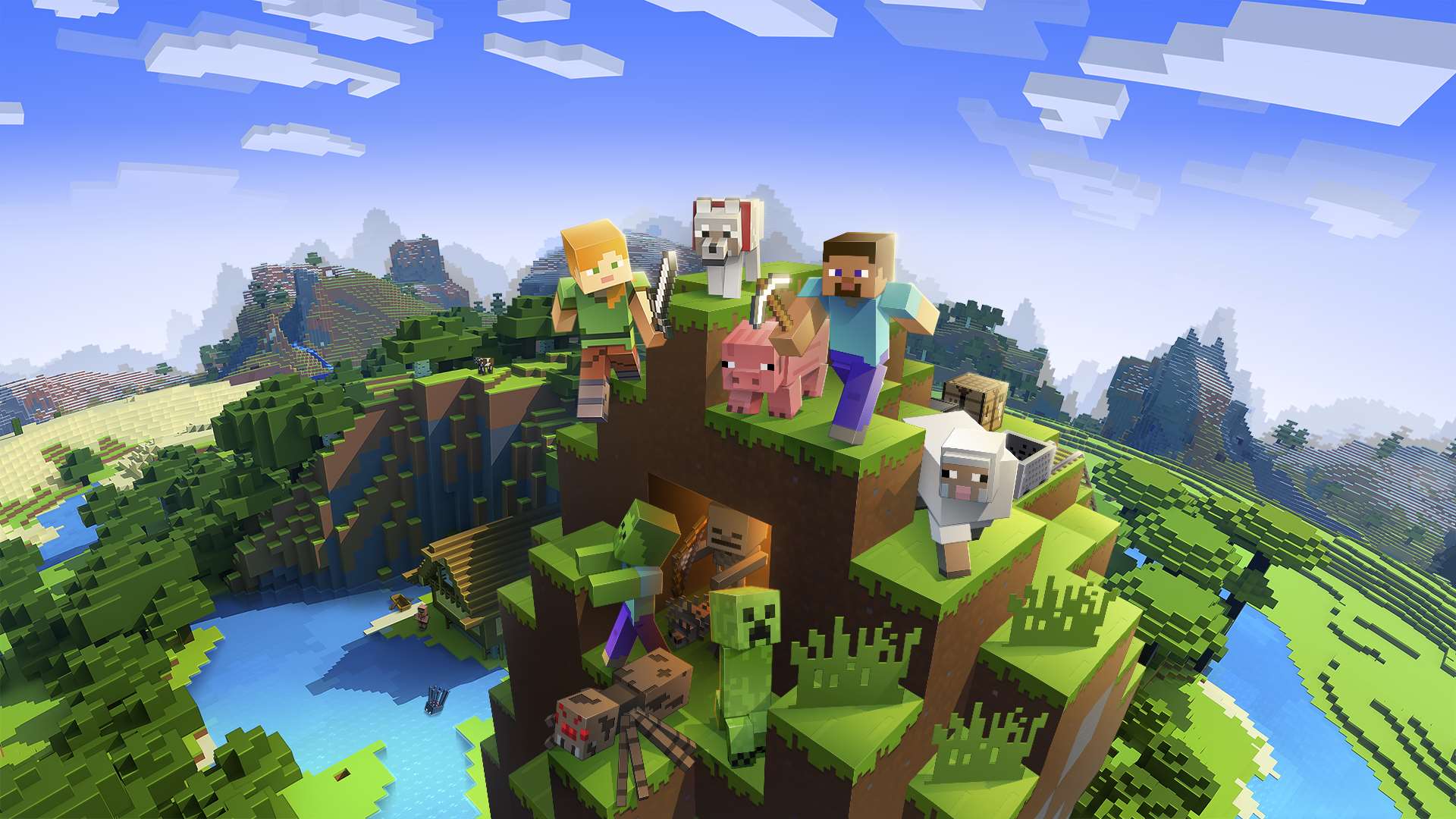
9. Minecraft
Minecraft democratized game creation. It put powerful tools in the hands of millions, allowing players to build, destroy, and create their own experiences without explicit goals. This game wasn't just about survival; it was about boundless creativity, collaboration, and emergent gameplay. It became a global phenomenon, influencing education, art, and the very concept of digital ownership, evolving beyond a mere game.
10 / 11
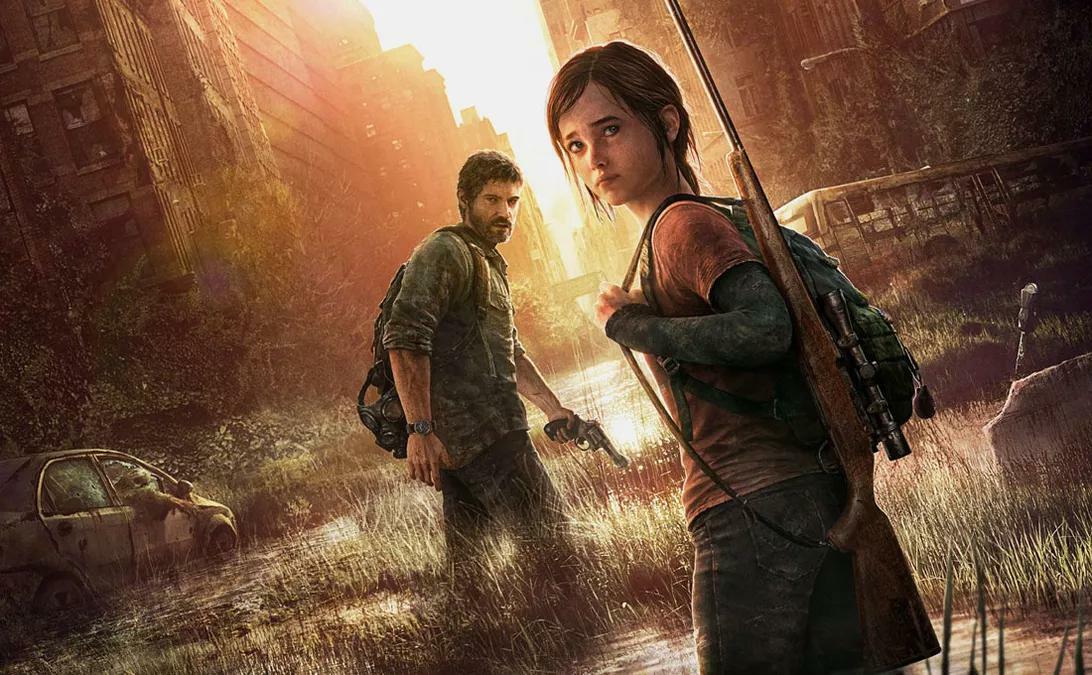
10. The Last Of Us
This game elevated interactive storytelling to a new level. It delivered a mature, emotionally grueling narrative with characters that felt profoundly real, using gameplay to deepen the connection to their journey. It proved that games could tackle difficult themes with nuance and artistic integrity, pushing the medium further into the realm of serious drama and solidifying its place as a powerful narrative art form.
11 / 11
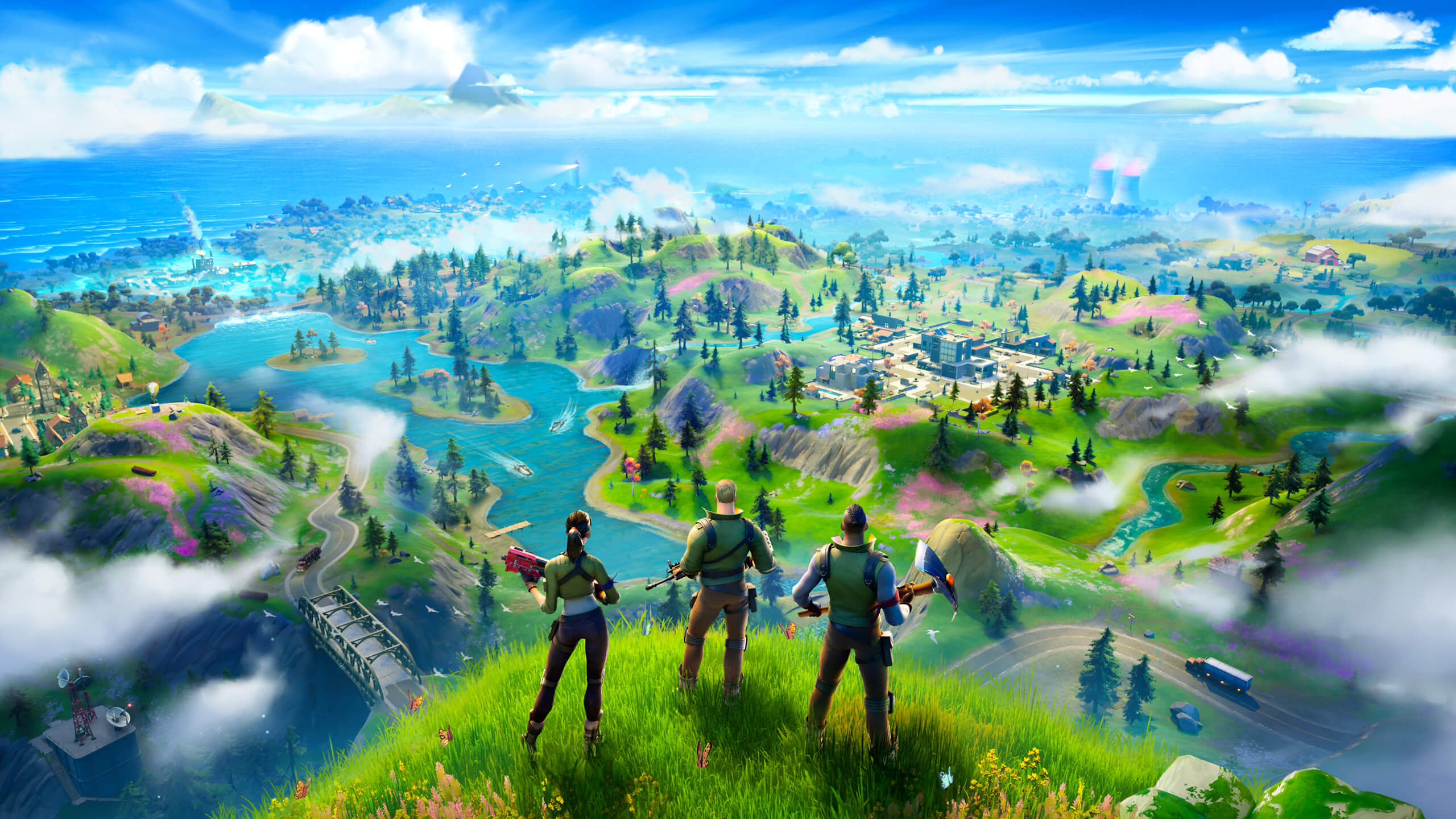
11. Fortnite Battle Royale
Fortnite didn't invent the Battle Royale, but it perfected its accessibility and cultural omnipresence. It blended competitive shooting with building, a free-to-play model, and relentless cross-media events that transcended gaming. This game became a social hub, a fashion statement, and a digital playground for millions, defining a generation's online social experience far beyond mere gameplay and digital boundaries.