1 / 11

1. Pong (1972)
Pong wasn't just a game; it was a societal experiment. Its minimalist design, two paddles and a bouncing square, proved that interactive electronic entertainment held mass appeal. This wasn't a complex machine for engineers; it was a communal experience, sparking a wildfire of innovation and public fascination. It etched gaming into the collective subconscious, undeniably shifting perceptions.
2 / 11
2. Space Invaders (1978)
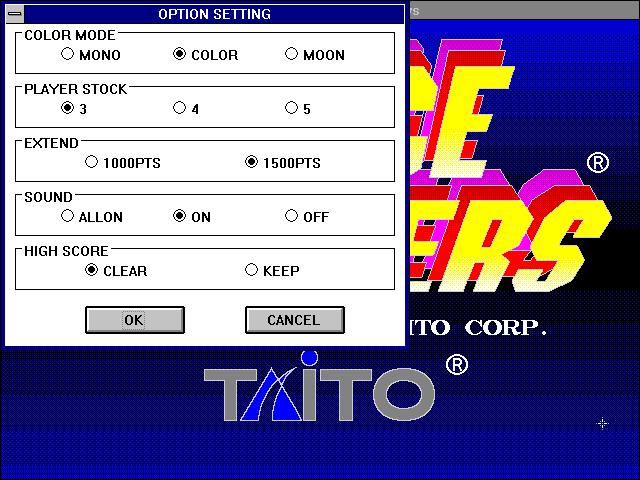
Space Invaders turned public spaces into buzzing arenas of digital warfare. The relentless descent of pixelated aliens, the escalating tension, the sheer addictive loop—it wasn't just a coin-op; it was a cultural touchstone. It fostered competitive spirit, built communities around high scores, and demonstrated gaming's power to create shared, intense experiences beyond mere novelty.
3 / 11
3. Super Mario Bros.
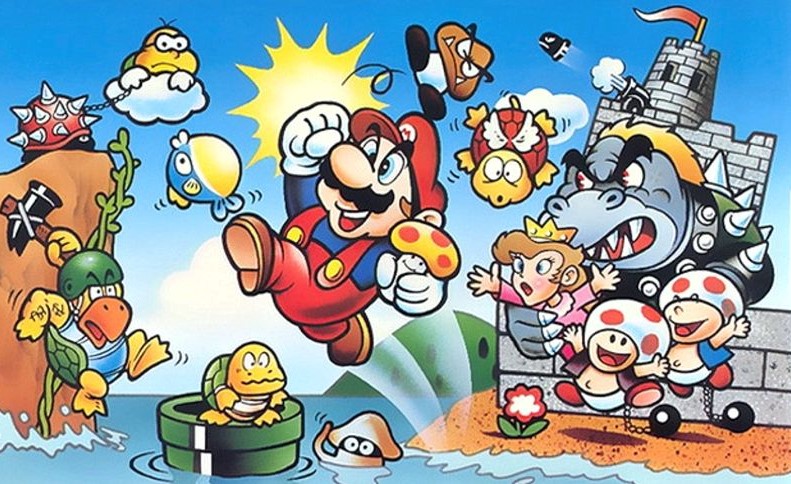
Super Mario Bros. resurrected an entire industry and defined a genre. Its intricate level design, responsive controls, and undeniable charm transcended simple diversion, establishing a blueprint for character-driven platforming. Mario wasn't just a sprite; he was an icon, demonstrating gaming's capacity for imaginative storytelling and enduring character creation, firmly cementing its place in homes.
4 / 11
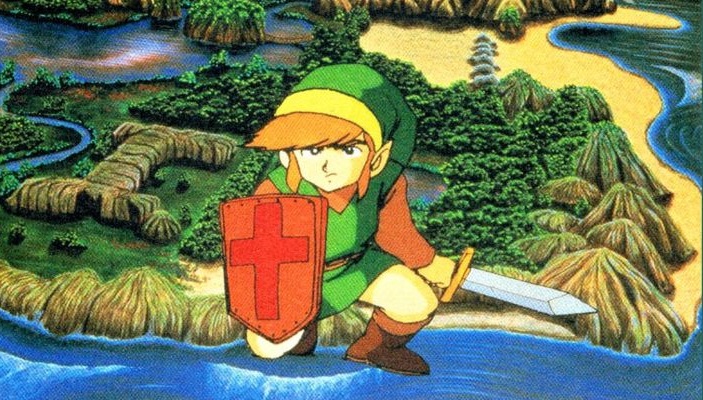
4. The Legend of Zelda
The Legend of Zelda offered something profound: a sense of boundless exploration and discovery. Its sprawling overworld and enigmatic dungeons captivated players, promising secrets around every corner. This wasn't just a game; it was an invitation to an epic journey, proving that digital realms could foster deep emotional connections and a pervasive sense of wonder, shaping adventure narratives.
5 / 11
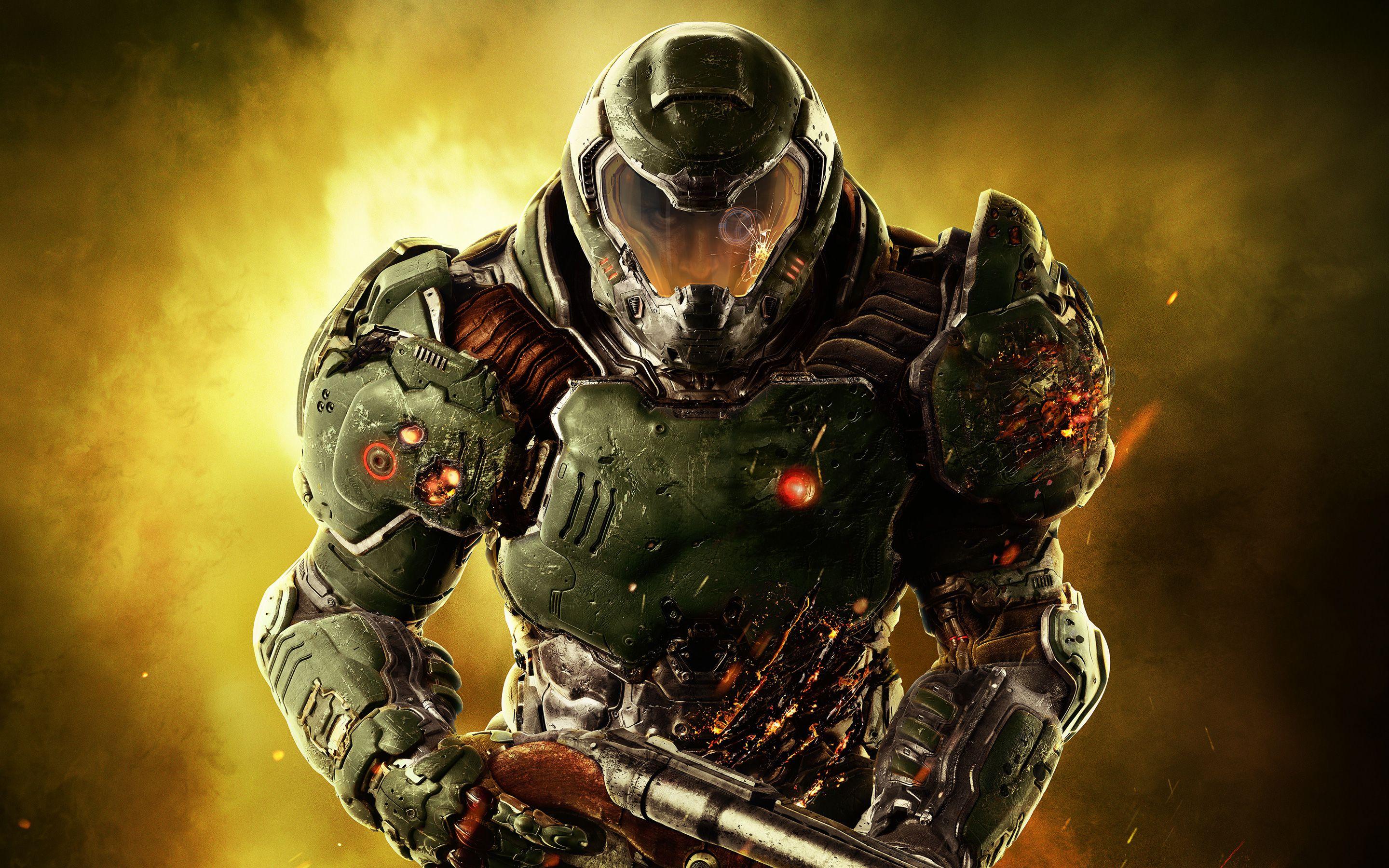
5. DOOM (2016)
Myst was a revelation, demonstrating gaming's potential for artistic depth and intellectual challenge. Its stunning pre-rendered landscapes and intricate, non-linear puzzles demanded contemplation, not reflexes. It appealed to a broader audience, showing that games could be immersive, atmospheric experiences, blurring lines between entertainment and interactive art. This was a sophisticated, contemplative journey.
6 / 11
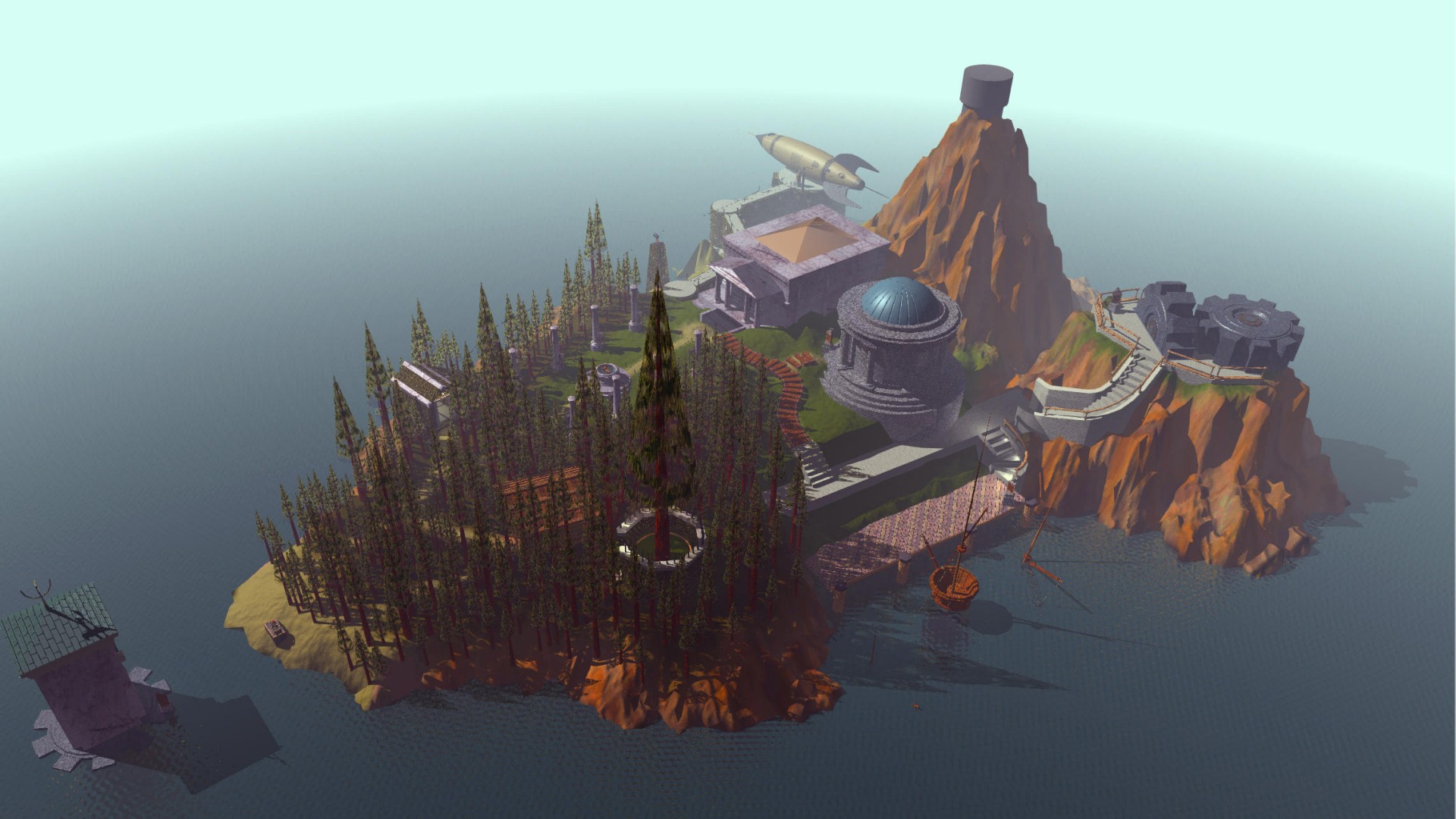
6. Myst
Final Fantasy VII wasn't merely a game; it was an epic, cinematic experience that redefined storytelling in interactive media. Its sprawling narrative, unforgettable characters, and emotional gravitas proved that video games could tackle profound themes with Hollywood-level production. It forged deep player connections, showing the medium's capacity for complex, resonant narratives that transcended simple entertainment.
7 / 11
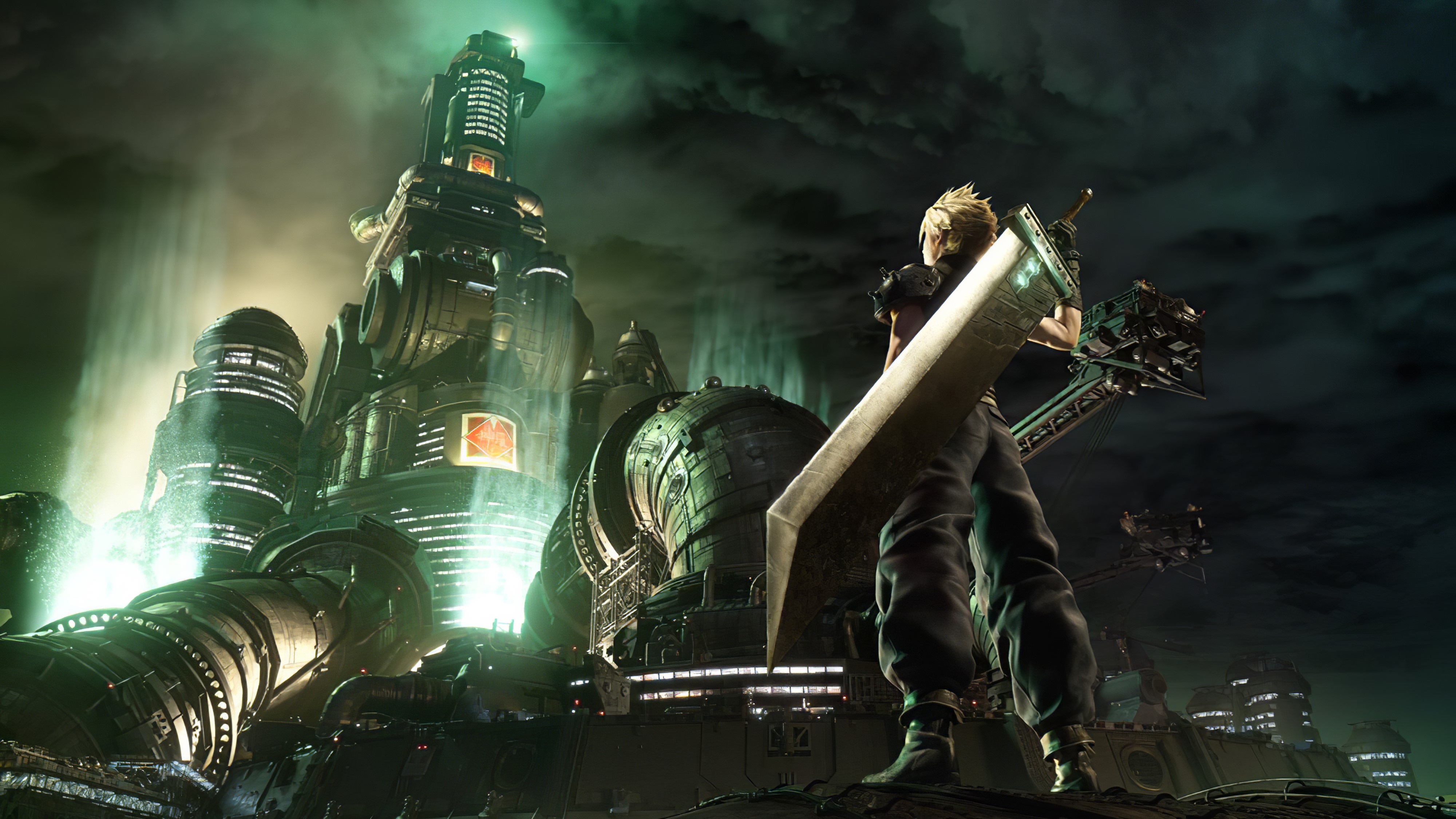
7. Final Fantasy VII
The Sims shattered traditional gaming paradigms by offering an open-ended sandbox of digital life. Without explicit goals, players found endless fascination in creation, experimentation, and observation of virtual existence. It broadened gaming's appeal exponentially, proving that simulation and emergent storytelling could create profound cultural resonance, attracting a vast, previously untapped audience.
8 / 11
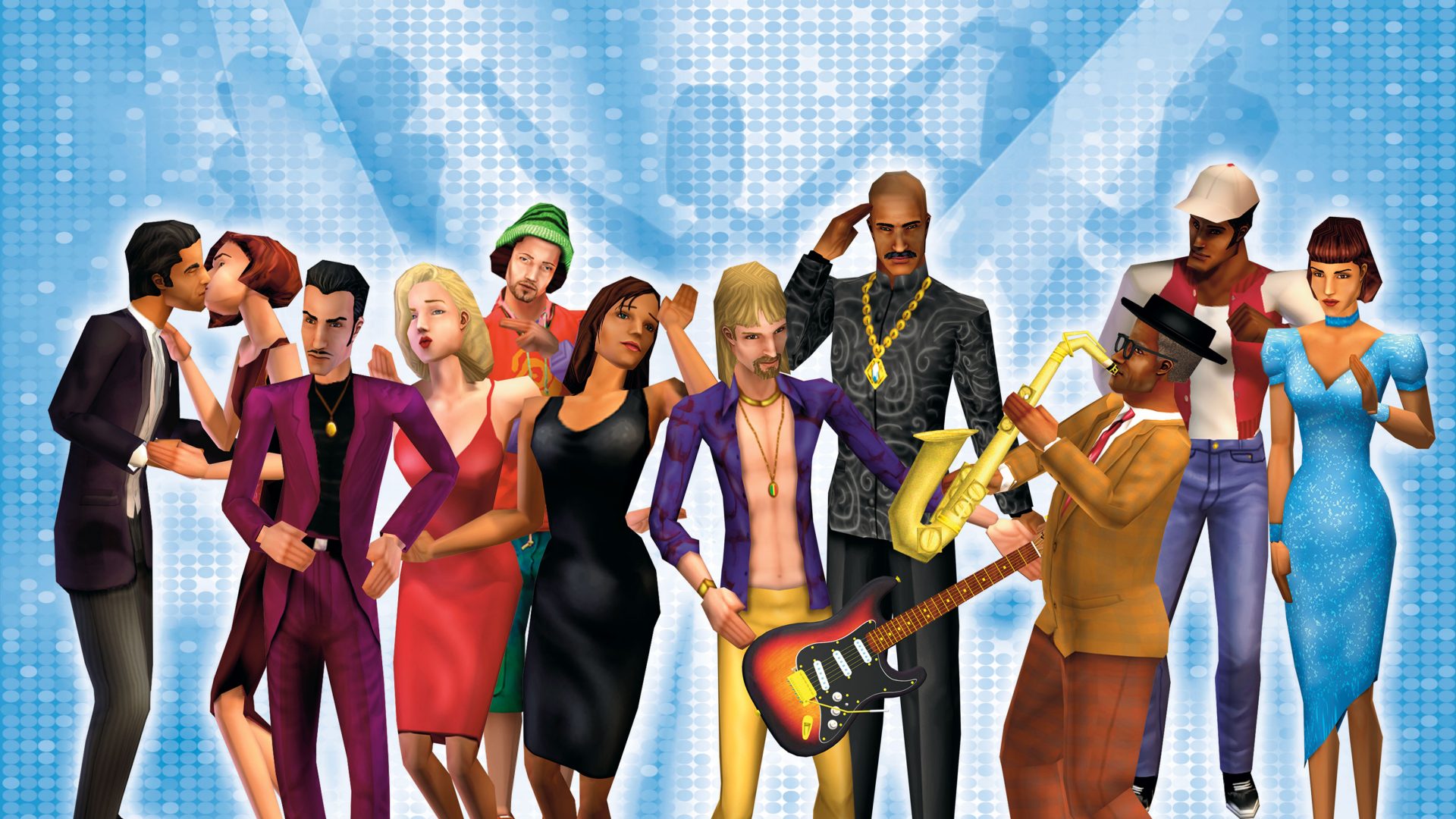
8. The Sims
World of Warcraft wasn't just a game; it was a persistent, living world that redefined social interaction in digital spaces. It fostered vast communities, intricate economies, and unparalleled collective experiences, proving that online gaming could create deep, enduring real-world connections. This virtual society demonstrated gaming's immense power to shape culture and forge identity.
9 / 11
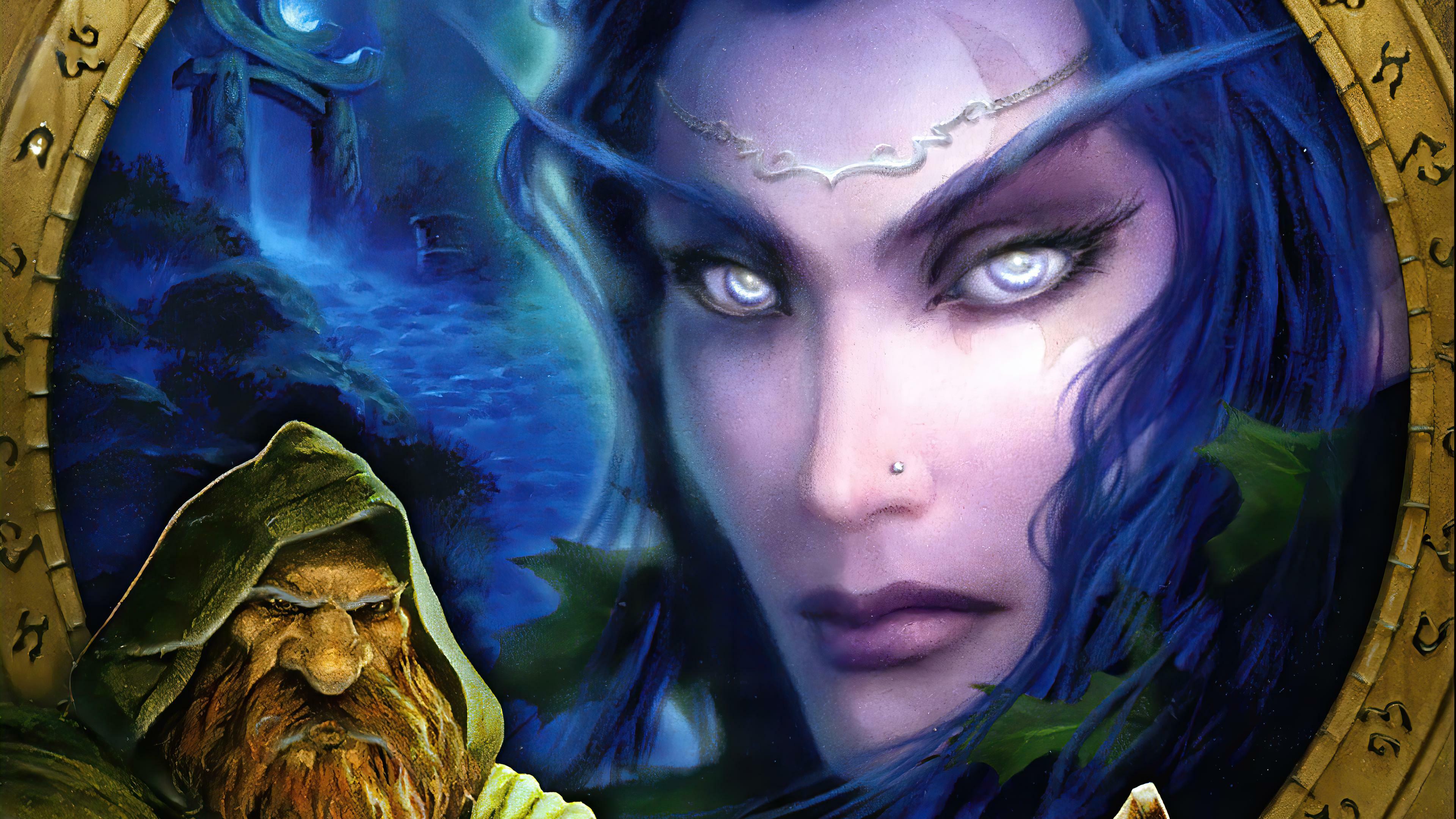
9. World of Warcraft
Minecraft offered an unparalleled canvas for digital creation, empowering millions to build, explore, and share their imagination on a global scale. Its intuitive block-based system transcended traditional gaming, becoming a platform for education, art, and emergent storytelling. It proved that boundless creativity, not just predefined challenges, could captivate and shape a generation's cultural landscape.
10 / 11
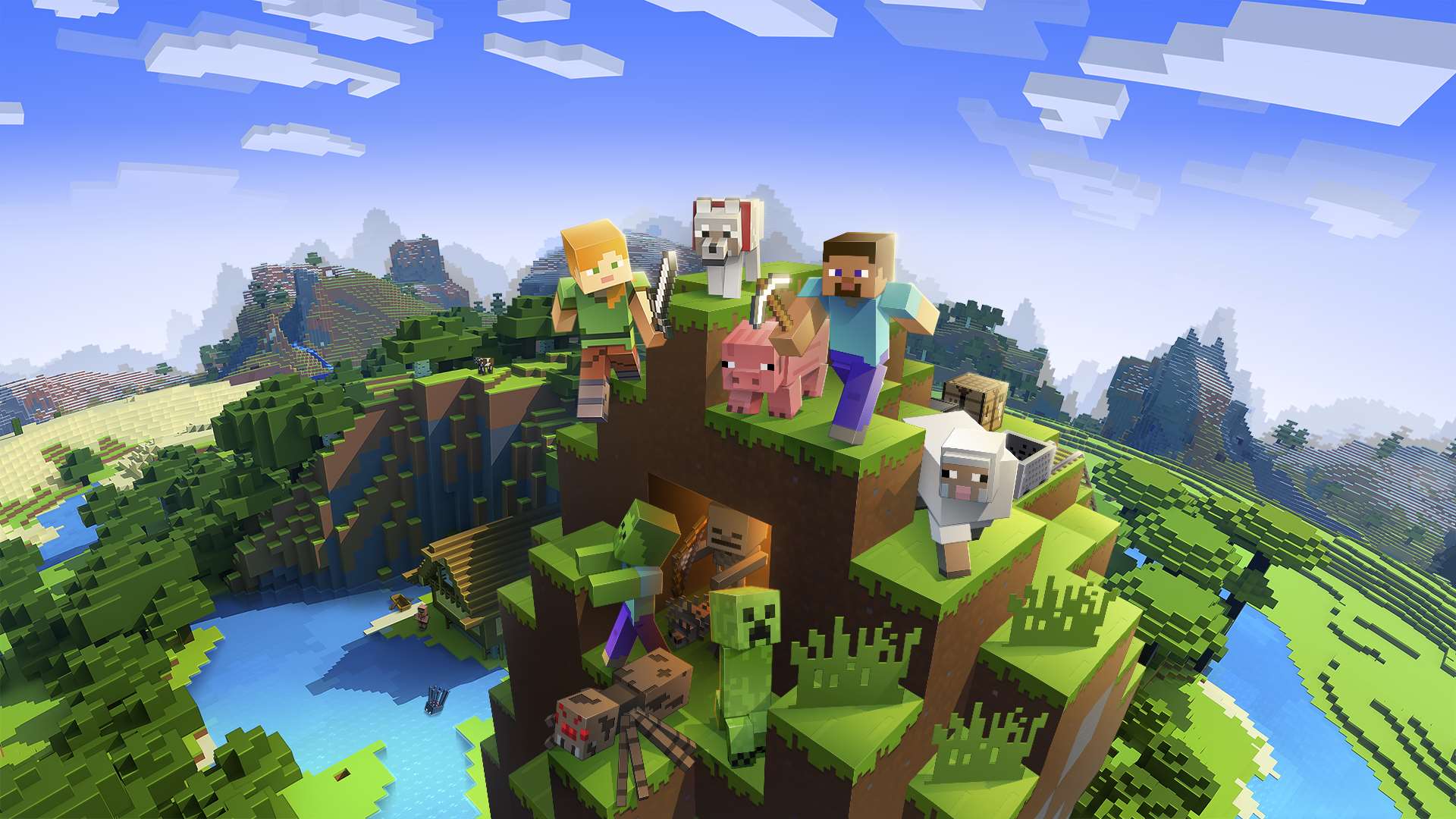
10. Minecraft
DOOM (2016) was a masterclass in genre revitalization, proving that a legacy series could be brutally modernized without sacrificing its core essence. Its relentless pace, visceral combat, and metal-infused soundtrack delivered a powerful, cathartic experience. It demonstrated that refined gameplay, not just novelty, could deeply resonate, influencing a generation of action game design and reaffirming the FPS's cultural weight.
11 / 11
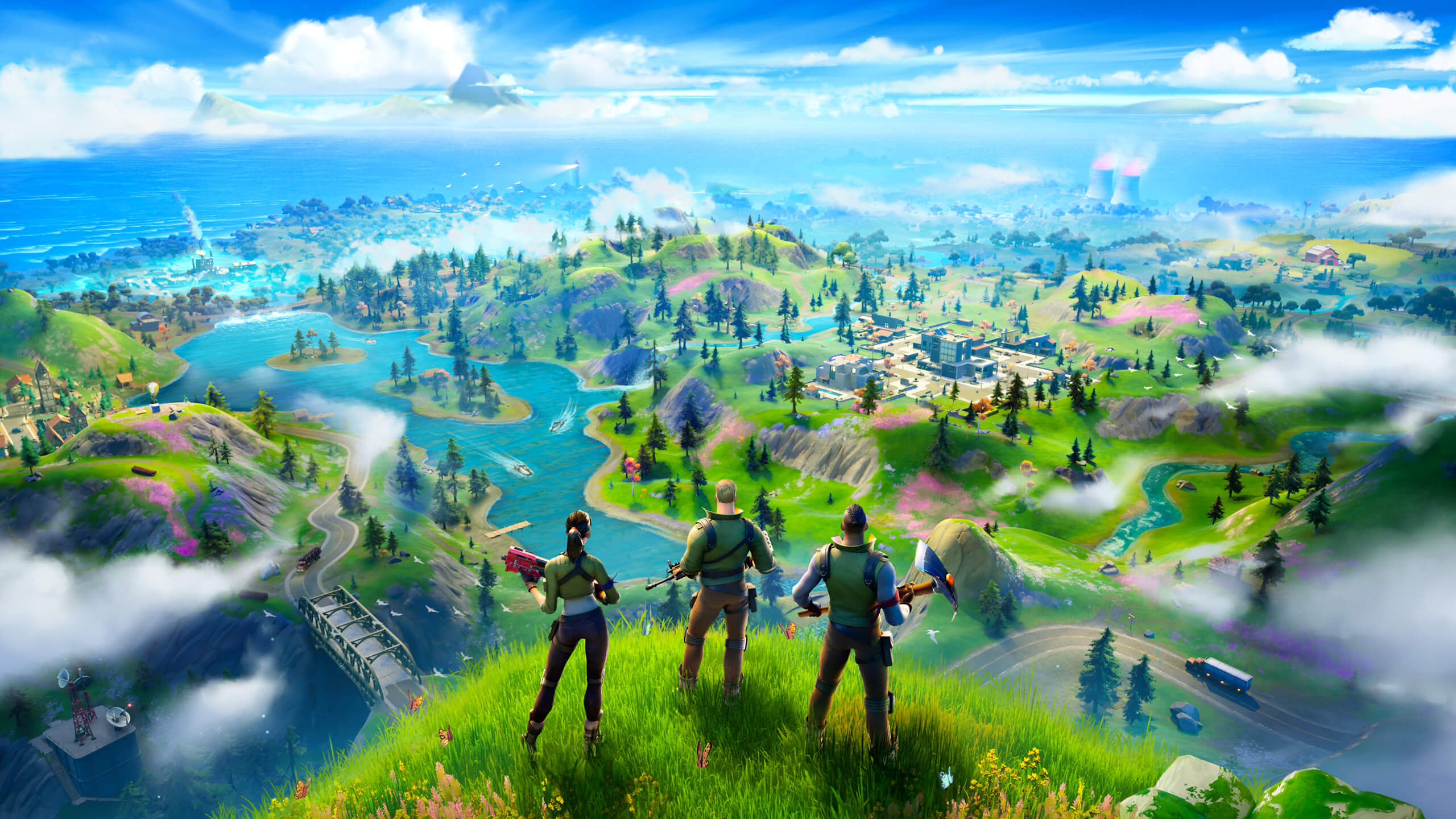
11. Fortnite Battle Royale
Fortnite Battle Royale transcended gaming, becoming a global cultural phenomenon driven by its free-to-play model, cross-platform accessibility, and constant evolution. It blurred lines between entertainment, social interaction, and personal expression, influencing fashion, music, and language. This wasn't just a game; it was a digital gathering place, demonstrating gaming's pervasive influence on modern youth culture.