
1 / 11
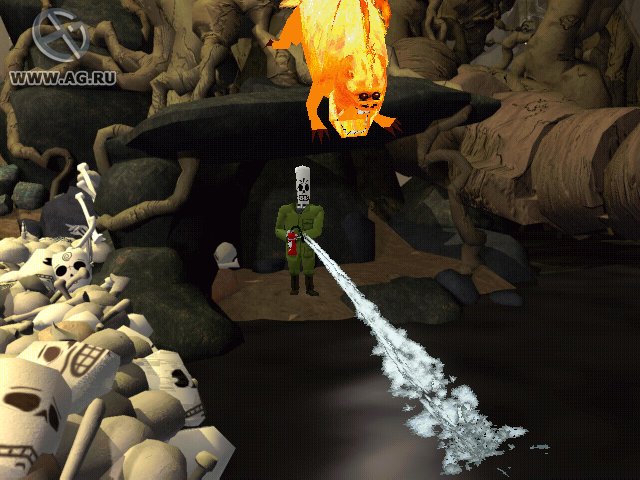
1. Grim Fandango
LucasArts' magnum opus, *Grim Fandango*, was a point-and-click adventure unlike any other, weaving Film Noir with Mexican folklore in the Land of the Dead. Its stylish art direction, sharp writing, and unforgettable characters, like Manny Calavera, crafted an experience brimming with dark humor and melancholic charm. Despite its critical acclaim, the PC-exclusive struggled commercially, marking a poignant moment in adventure gaming's evolving landscape. It remains a masterclass in storytelling.
2 / 11
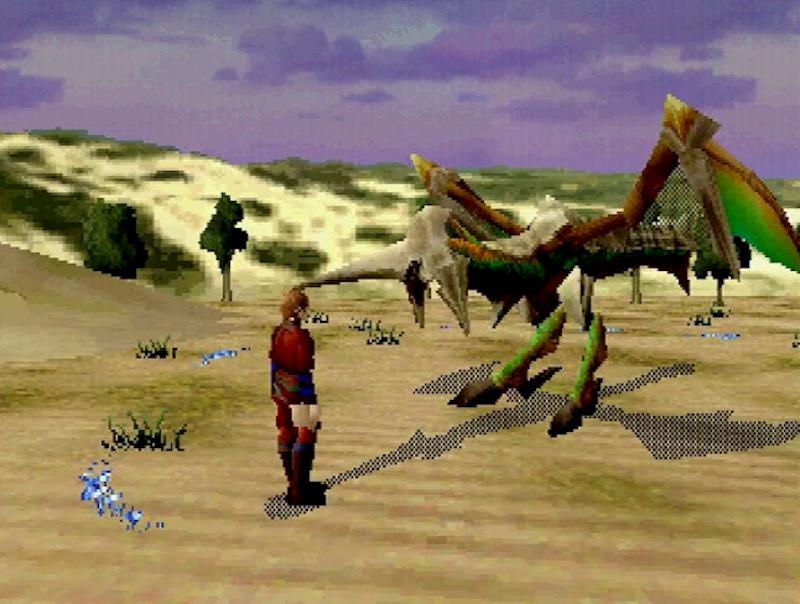
2. Panzer Dragoon Saga
For those who owned a Sega Saturn, *Panzer Dragoon Saga* was a revelation, an ambitious JRPG that pushed the console to its limits. Its unique, real-time combat system on a flying dragon, combined with a hauntingly beautiful world and mature, minimalist storytelling, set it apart. Production issues and the Saturn's dwindling market share doomed its commercial prospects, making it one of gaming's most sought-after and expensive cult classics, a true testament to Sega's creative daring.
3 / 11
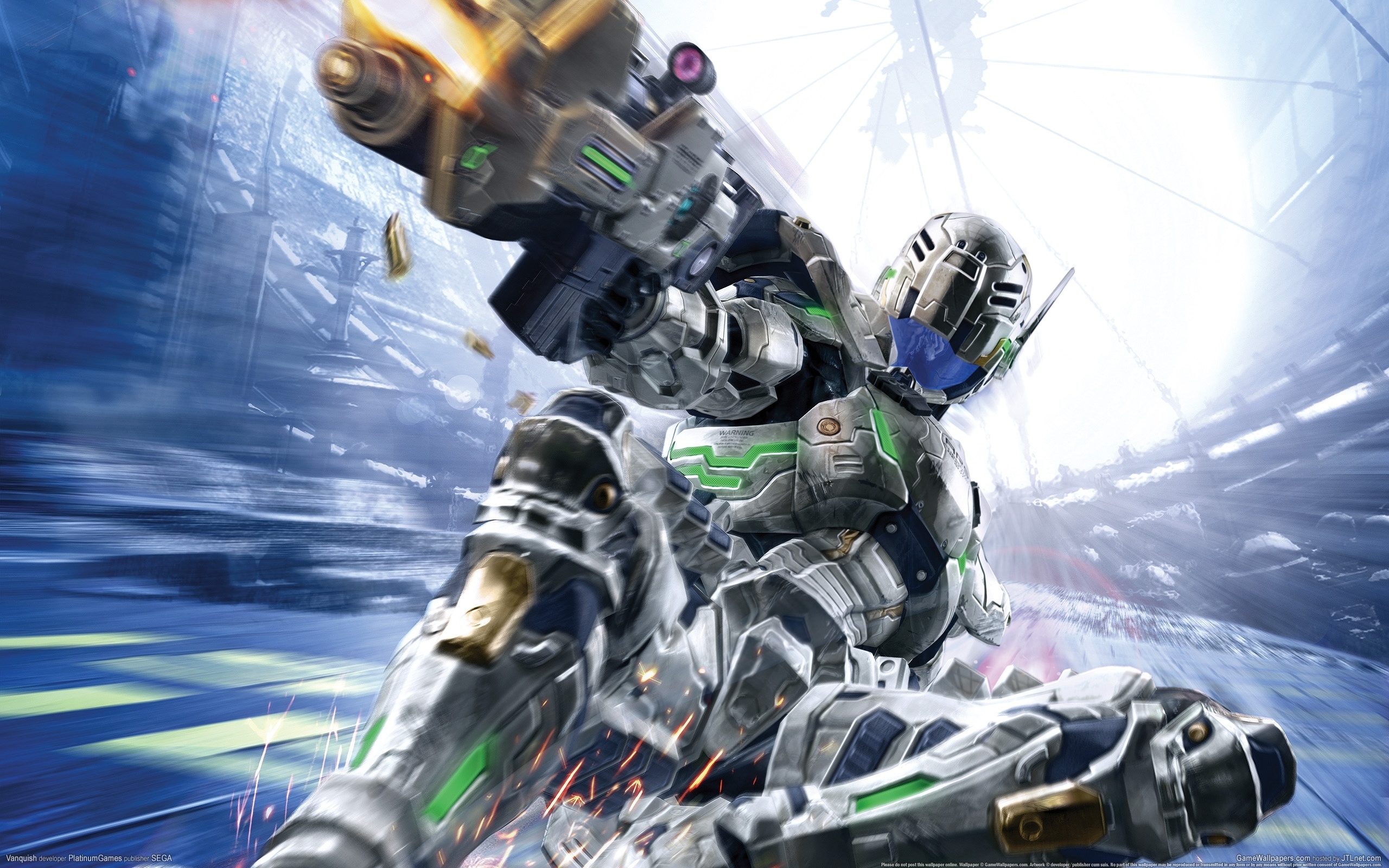
3. Vanquish
PlatinumGames’ *Vanquish* redefined the third-person shooter with its blisteringly fast, hyper-stylized action. Boost-sliding across battlefields in an ARS suit, executing slow-motion takedowns, felt impossibly cool and fluid. It was pure, unadulterated spectacle, a masterclass in kinetic combat design. Yet, its relatively short campaign and niche appeal meant it never quite hit mainstream sales, leaving many to overlook one of the genre’s most exhilarating and mechanically innovative entries.
4 / 11

4. Radiant Historia
On the Nintendo DS, *Radiant Historia* offered a sophisticated JRPG experience, eschewing typical tropes for a compelling narrative centered on time travel and moral choices. Its grid-based combat system rewarded strategic thinking, while the branching storyline encouraged multiple playthroughs to uncover every facet of its richly detailed world. Atlus delivered an intellectual and emotionally resonant journey, but its late-era DS release and traditional gameplay kept it from wider recognition.
5 / 11
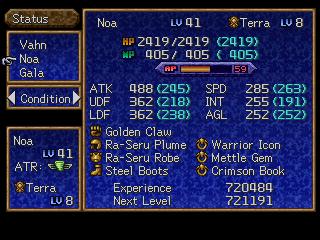
5. Legend of Legaia
*Legend of Legaia* carved out its own identity on the original PlayStation with a distinctive combat system. The 'Tactical Arts System' allowed players to input specific limb attacks, adding a layer of strategic depth absent from many contemporaries. Its dark fantasy narrative, revolving around 'The Mist' and humanity's fight for survival, was engaging. While solid, it was ultimately overshadowed by the console's behemoth RPGs, preventing it from achieving broader mainstream success.
6 / 11
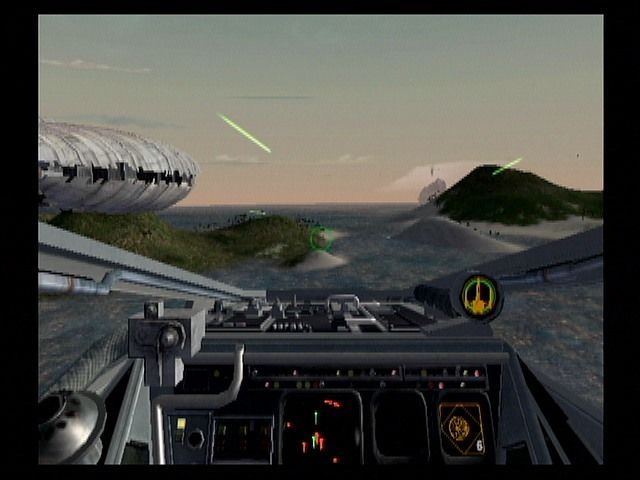
6. Star Wars Rogue Squadron II: Rogue Leader
A Nintendo GameCube launch title, *Rogue Leader* was a technical marvel, delivering an unparalleled Star Wars dogfighting experience. Its stunning visuals, authentic sound design, and faithful recreation of iconic battles immersed players completely. It was an arcade-perfect translation of the original trilogy's aerial combat, focusing purely on exhilarating action. Despite its critical acclaim and strong sales for a GameCube title, it remained a console exclusive, limiting its reach compared to multi-platform blockbusters.
7 / 11
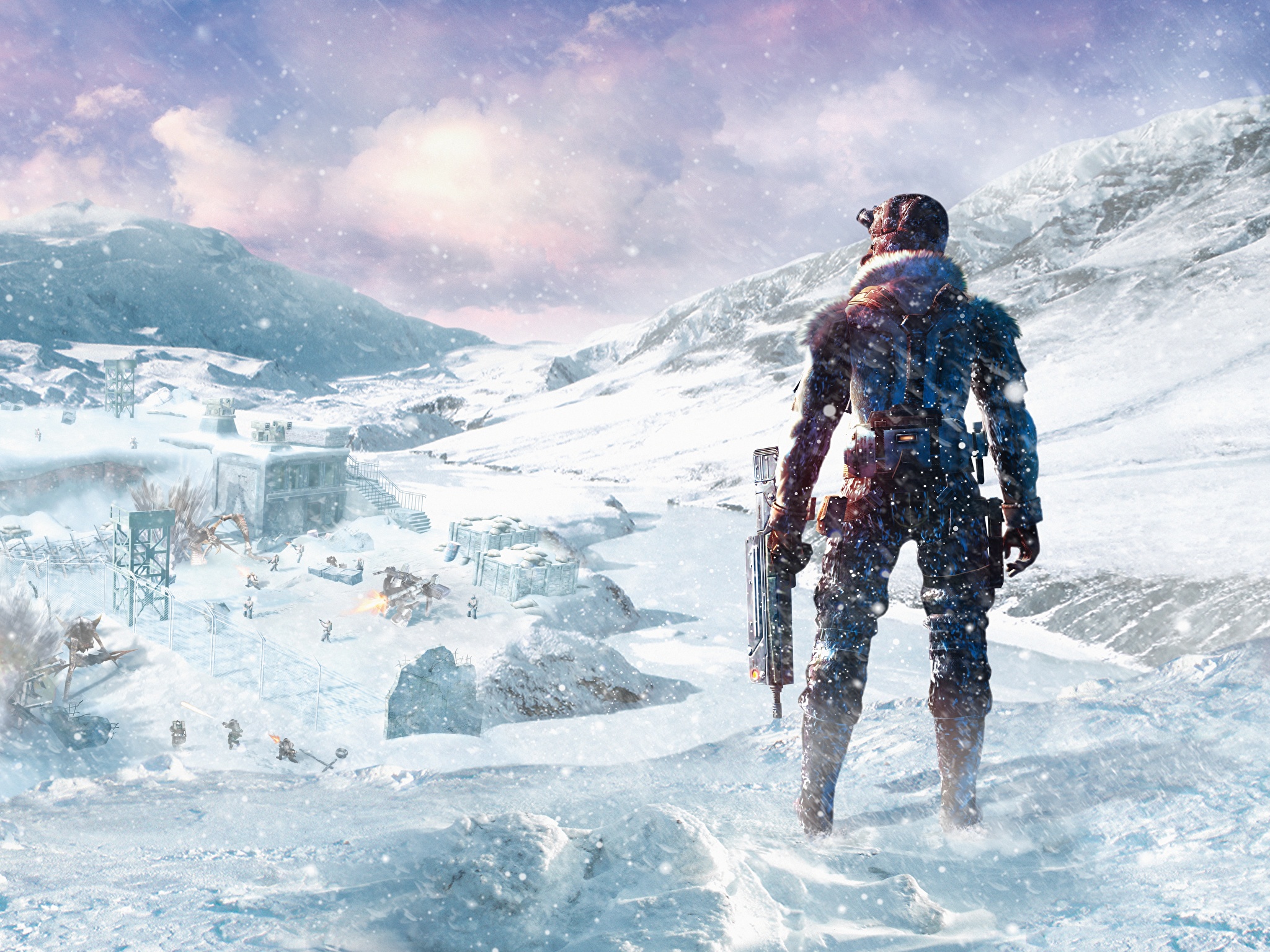
7. Lost Planet: Extreme Condition
Capcom’s *Lost Planet: Extreme Condition* launched early in the Xbox 360's life, showcasing next-gen visuals with its frozen alien world. The unique thermal energy mechanic, constantly balancing warmth with combat, added a compelling survival element to its third-person shooter action against colossal Akrid monsters. Its ambitious world-building and solid gameplay were well-received, but the game never quite cemented itself as a major franchise, perhaps due to its steep learning curve and focus on a new IP.
8 / 11
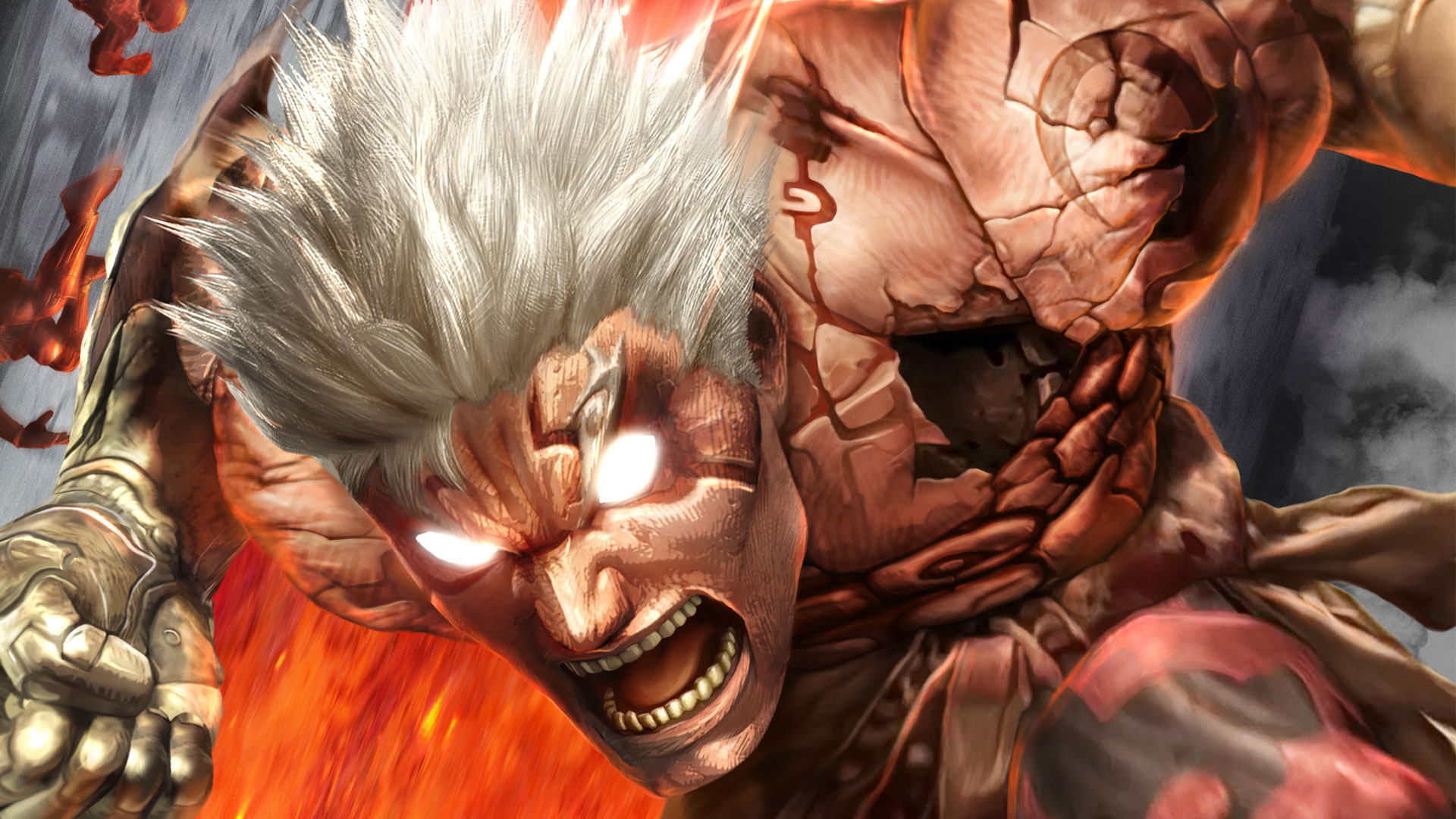
8. ASURA'S WRATH
*Asura's Wrath* from CyberConnect2 was less a game, more an interactive anime epic, pushing the boundaries of spectacle and Quick Time Events. Its narrative, chronicling a demigod's furious quest for revenge against cosmic deities, was relentless in its escalation and over-the-top action. While some found its gameplay shallow, its sheer audacity, visual flair, and unique storytelling approach made it an unforgettable experience that defied easy categorization, appealing to a dedicated, albeit niche, audience.
9 / 11
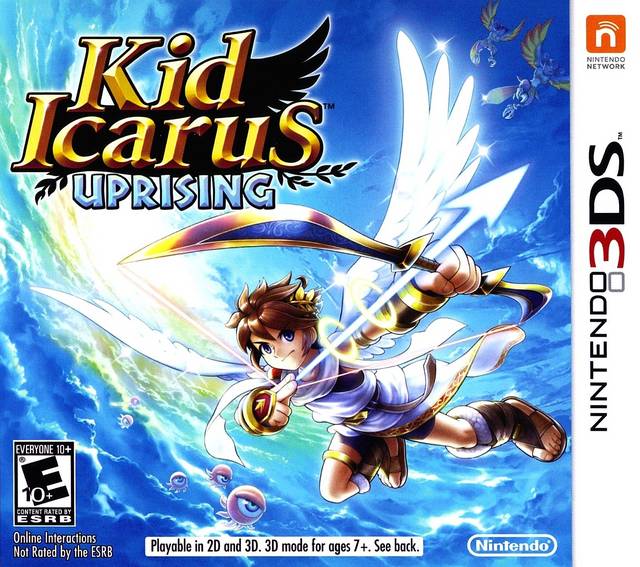
9. Kid Icarus: Uprising
Masahiro Sakurai's *Kid Icarus: Uprising* for the 3DS was an incredibly ambitious rail shooter that packed an astonishing amount of content, humor, and inventive gameplay into a portable package. Its dual-screen control scheme, while divisive, enabled precise aiming amidst frenetic aerial and ground combat. The game’s witty dialogue and deep customization were standout features. It was a dense, personality-filled triumph, yet its platform and unique controls arguably kept it from the wider recognition it deserved.
10 / 11
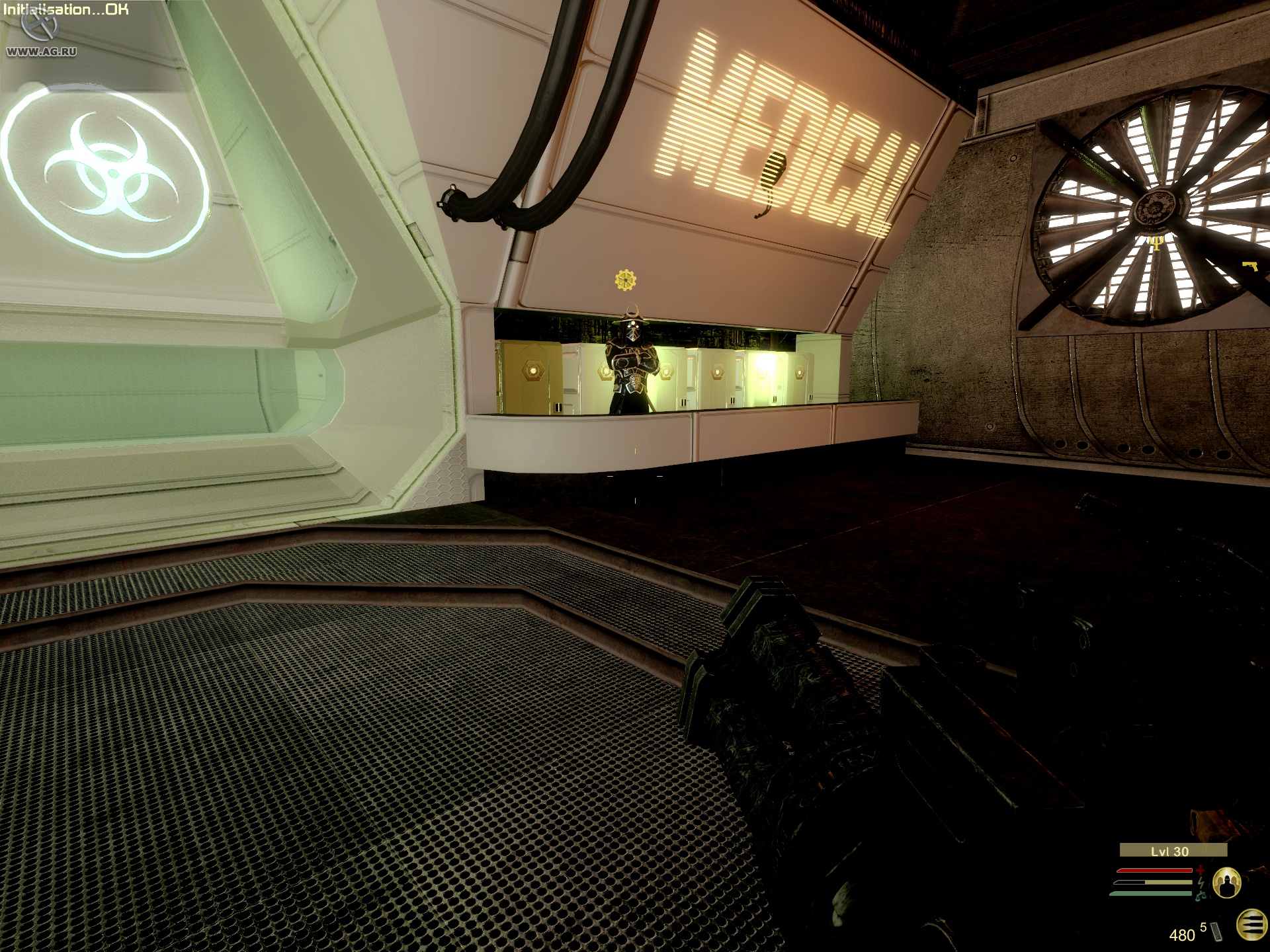
10. E.Y.E: Divine Cybermancy
*E.Y.E: Divine Cybermancy* is a PC cult classic, an incredibly dense and opaque cyberpunk FPS-RPG that revels in its own inscrutability. Set in a dystopian future, its cryptic narrative, intricate lore, and blend of hacking, psychic powers, and intense gunplay created a uniquely challenging experience. Developed by Streum On Studio, its unconventional design and steep learning curve meant it was never destined for mainstream appeal, but it captivated those willing to delve into its complex, atmospheric world.
11 / 11

11. F.E.A.R.
Monolith Productions' *F.E.A.R.* masterfully blended intense, bullet-time-fueled FPS action with genuine psychological horror. Its groundbreaking enemy AI created incredibly reactive and challenging firefights, while the pervasive, unsettling atmosphere, driven by Alma Wade's spectral presence, delivered consistent scares. Though critically lauded and influential in its genre, *F.E.A.R.* never quite achieved the mainstream recognition of a Call of Duty or Halo, perhaps due to its niche blend of horror and fast-paced gunplay.