
1. Drakengard 3
Yoko Taro's prequel is a masterclass in challenging player expectations, even if its combat was a janky mess. But honestly, who cares about the jank when you're getting a narrative this raw, this aggressively self-aware, and so utterly drenched in nihilism? The characters are unforgettable, the music transcendent, and its sheer audacity makes most modern AAA epics feel like focus-grouped mush. It’s a beautifully broken, essential experience for those tired of pristine, soulless productions.
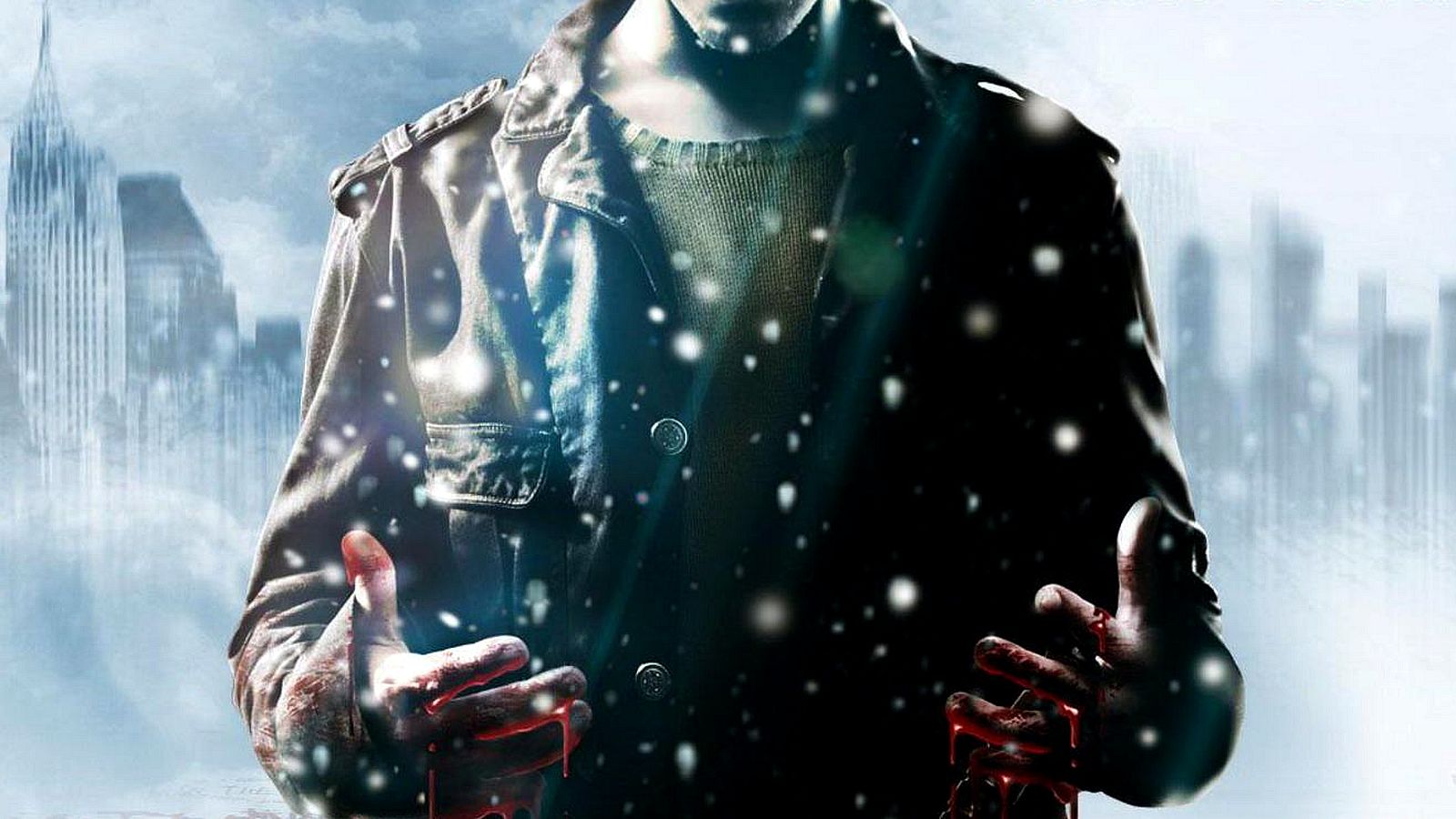
2. Fahrenheit (Indigo Prophecy)
Before Quantic Dream became a meme factory, they gave us *Indigo Prophecy*. Yeah, the story goes off the rails harder than a derailed freight train by the end, but those initial chapters? That atmosphere, the grounded detective work, the branching choices in mundane situations, the sheer ambition in its interactive drama – it was revolutionary. It pushed boundaries, even if it eventually face-planted. Most modern "choice-based narratives" don't even try to reach this high.
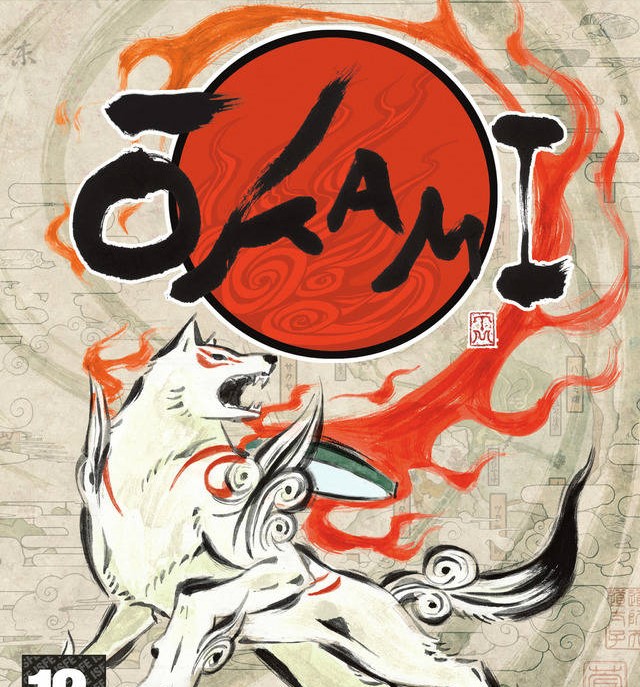
3. Okami
Seriously, how was this not a bigger hit? Capcom's masterpiece is a breathtaking fusion of traditional Japanese art and classic *Zelda*-style adventure. Its Celestial Brush mechanic was pure genius, turning combat and puzzle-solving into an artistic expression. The vibrant world, the charming characters, and that utterly gorgeous visual style still put so many bland, realistic open worlds to shame. It's a timeless celebration of creativity and a masterclass in aesthetic design.
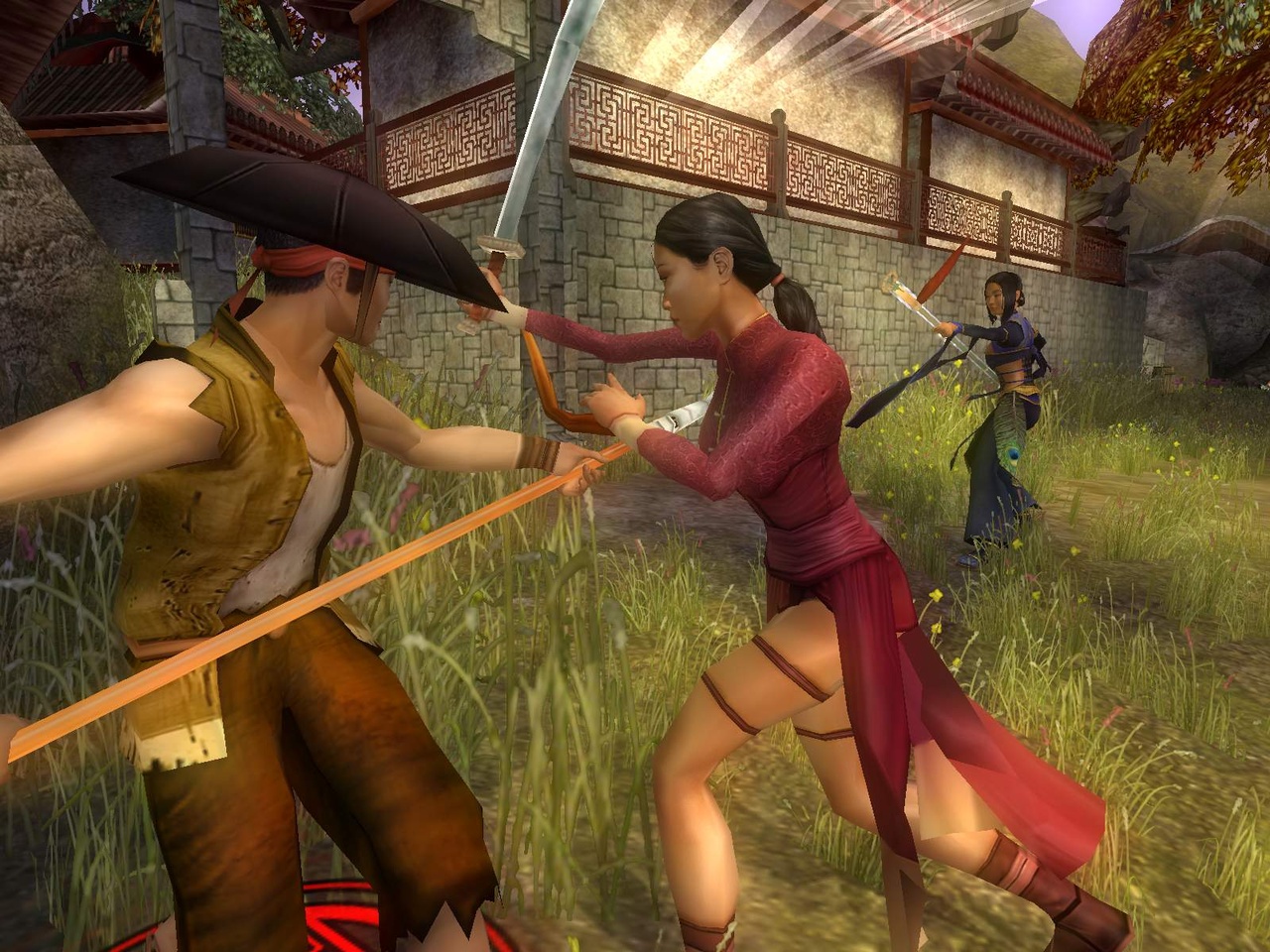
4. Jade Empire
BioWare's often-forgotten gem, *Jade Empire* offered a unique Wuxia-inspired RPG experience. While simpler than *KOTOR*, its real-time martial arts combat, moral choices, and distinct setting were refreshing. The companion characters were classic BioWare gold, and the world felt alive, steeped in mythology. It delivered a focused, engaging narrative without the bloat of many contemporary RPGs, proving that sometimes, less truly is more for a memorable journey.
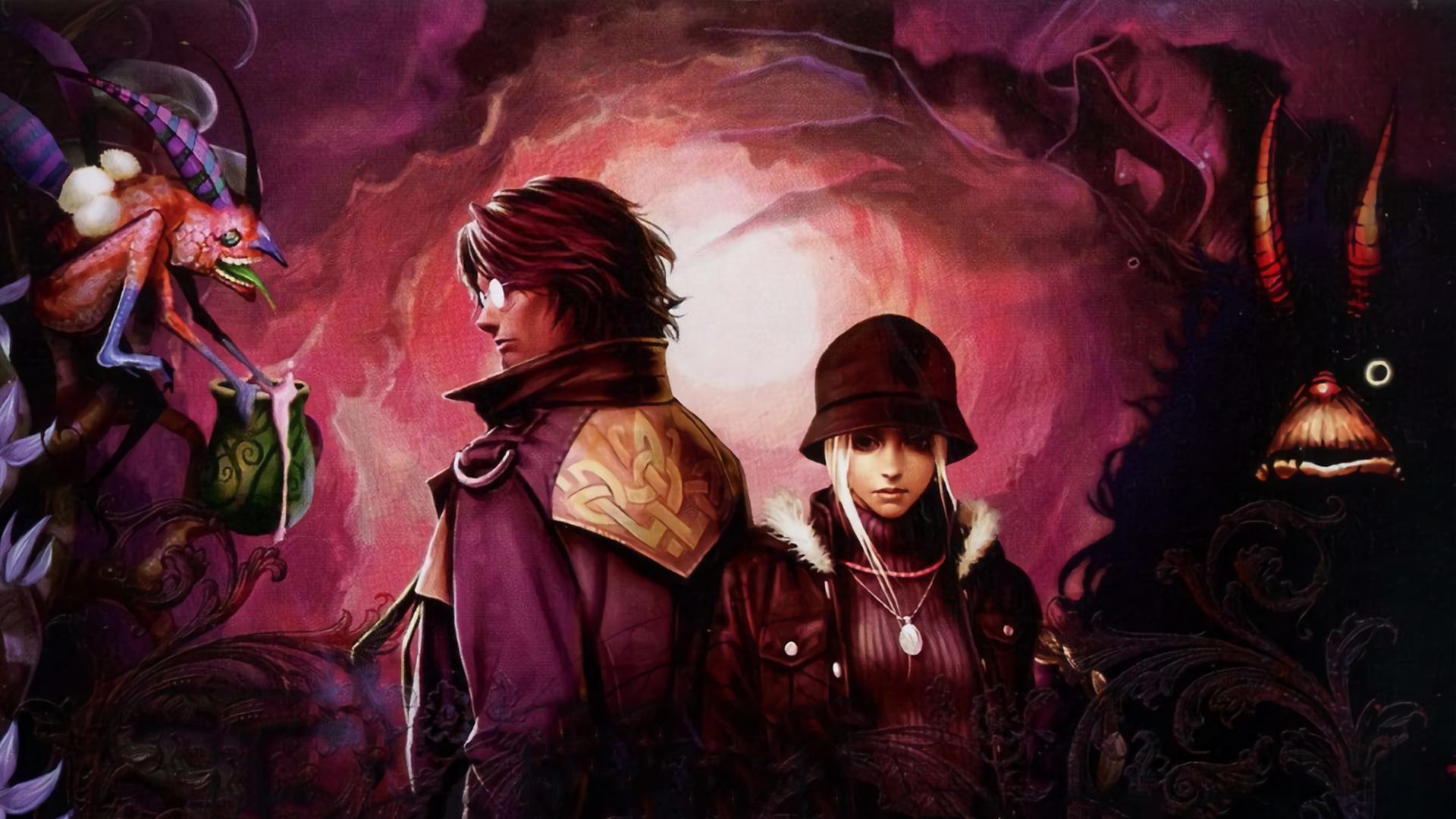
5. Folklore
This PS3 launch title was a bizarre, beautiful dark fantasy. You played as two characters exploring the land of the dead, capturing and wielding spirits called Folk. Its unique art style, melancholic atmosphere, and the incredibly satisfying mechanic of ripping souls from enemies with the Sixaxis controller made it stand out. It felt like a fever dream you couldn't quite shake, a genuine experiment in mood and mechanics that bigger studios wouldn't dare touch today.
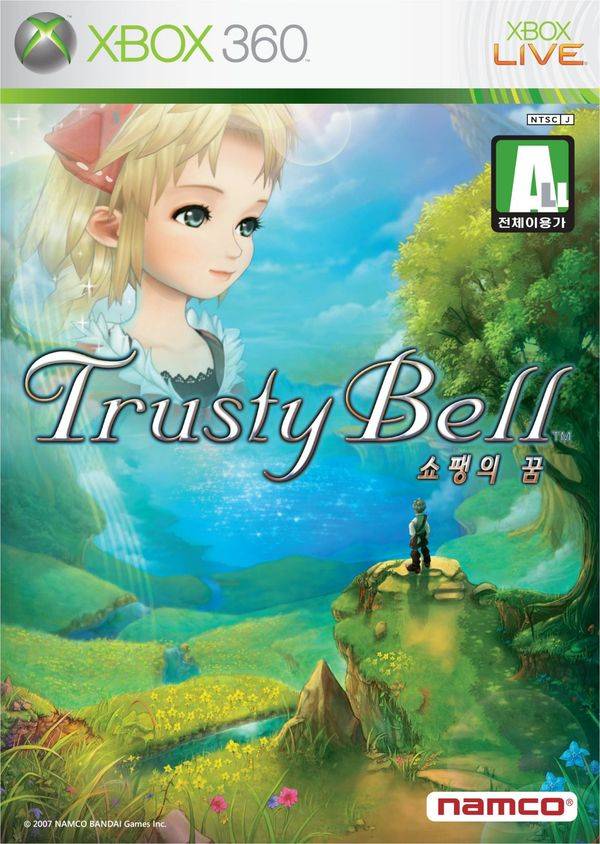
6. Eternal Sonata
A JRPG where every character is named after a musical term and the story is literally a dying Frederic Chopin's dream? Yeah, it's as wild as it sounds. The combat system, blending turn-based strategy with real-time action based on light and shadow, was ingenious. Its vibrant, painterly aesthetic and heartfelt narrative about life, death, and music transcended typical JRPG tropes. It’s a beautiful, melancholic symphony ignored by a generation chasing grimdark.
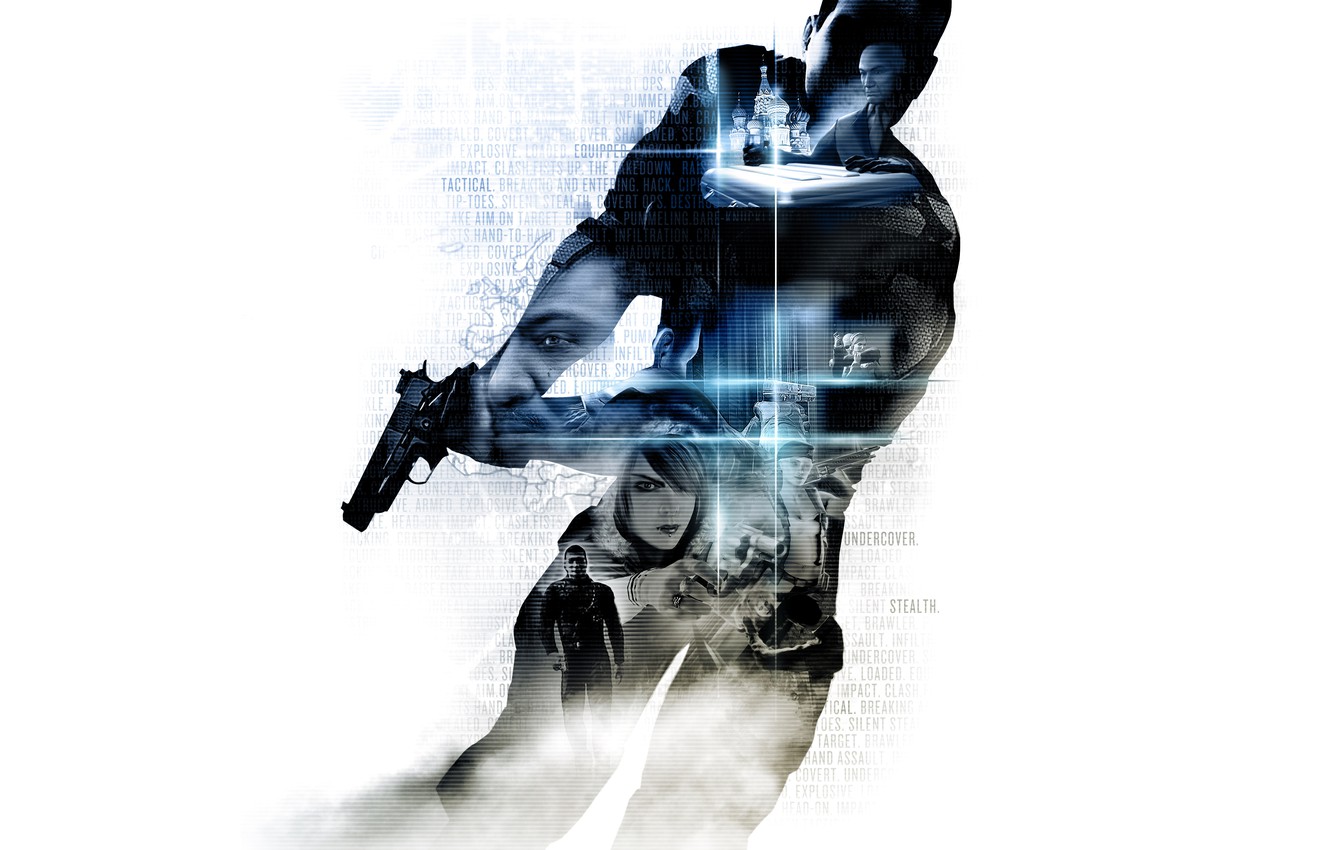
7. Alpha Protocol
Obsidian's spy RPG was notoriously buggy and clunky, but beneath that rough exterior lay a truly reactive, choice-driven narrative. Your dialogue choices, mission outcomes, and relationships genuinely shaped the story and characters in ways few games manage. It embraced player agency, letting you be a smooth operator or a blunt instrument. It's a cult classic because its ambition in player consequence outshines almost any AAA game today.
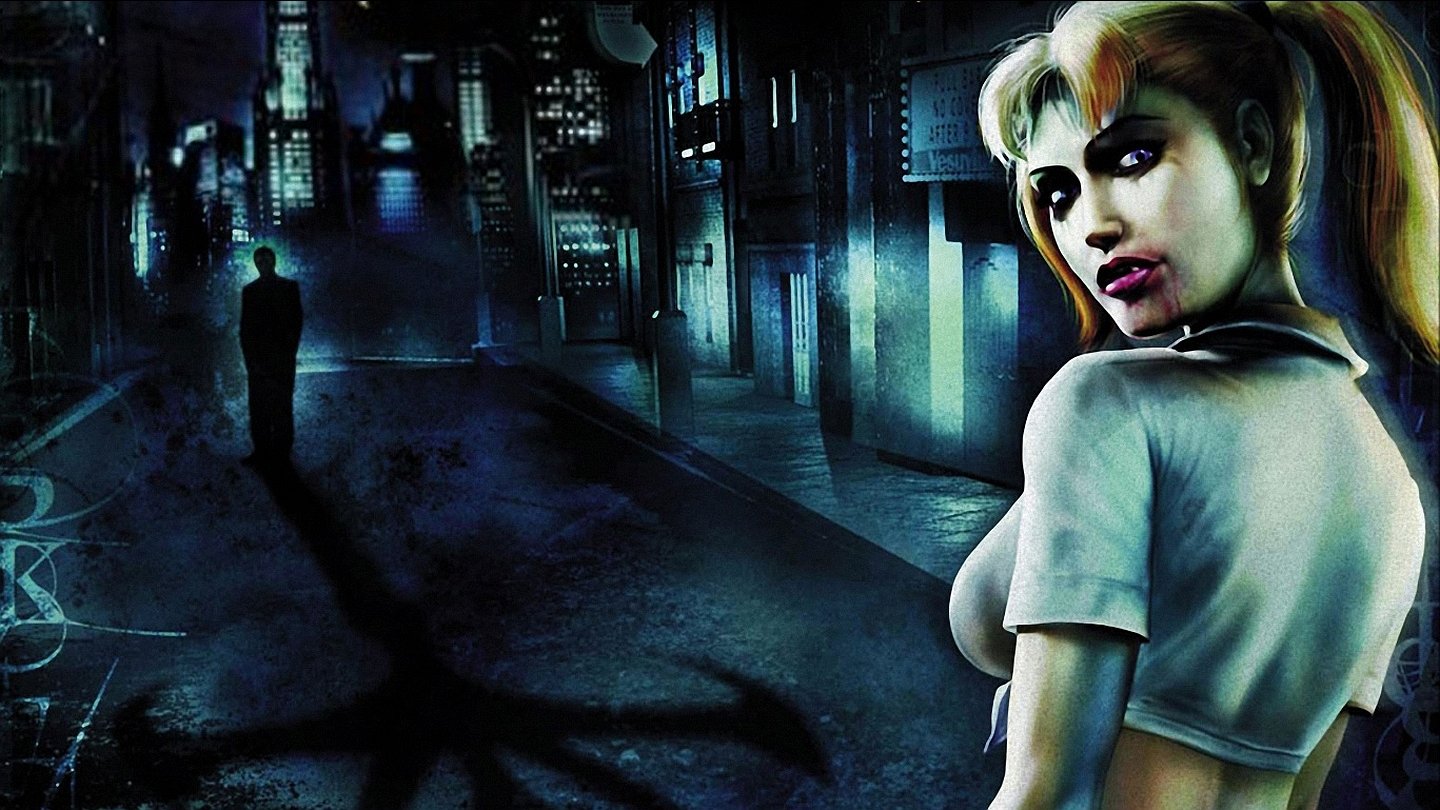
8. Vampire: The Masquerade - Bloodlines
Troika's swansong was a technical disaster at launch, but its sheer world-building and role-playing depth were unparalleled. The dark, gritty atmosphere of Los Angeles's underbelly, the distinct clans, the phenomenal writing, and the sheer freedom in how you approached quests made it legendary. Fan patches kept it alive for a reason: no other game captures the essence of the *World of Darkness* with such intricate detail and dark charm.
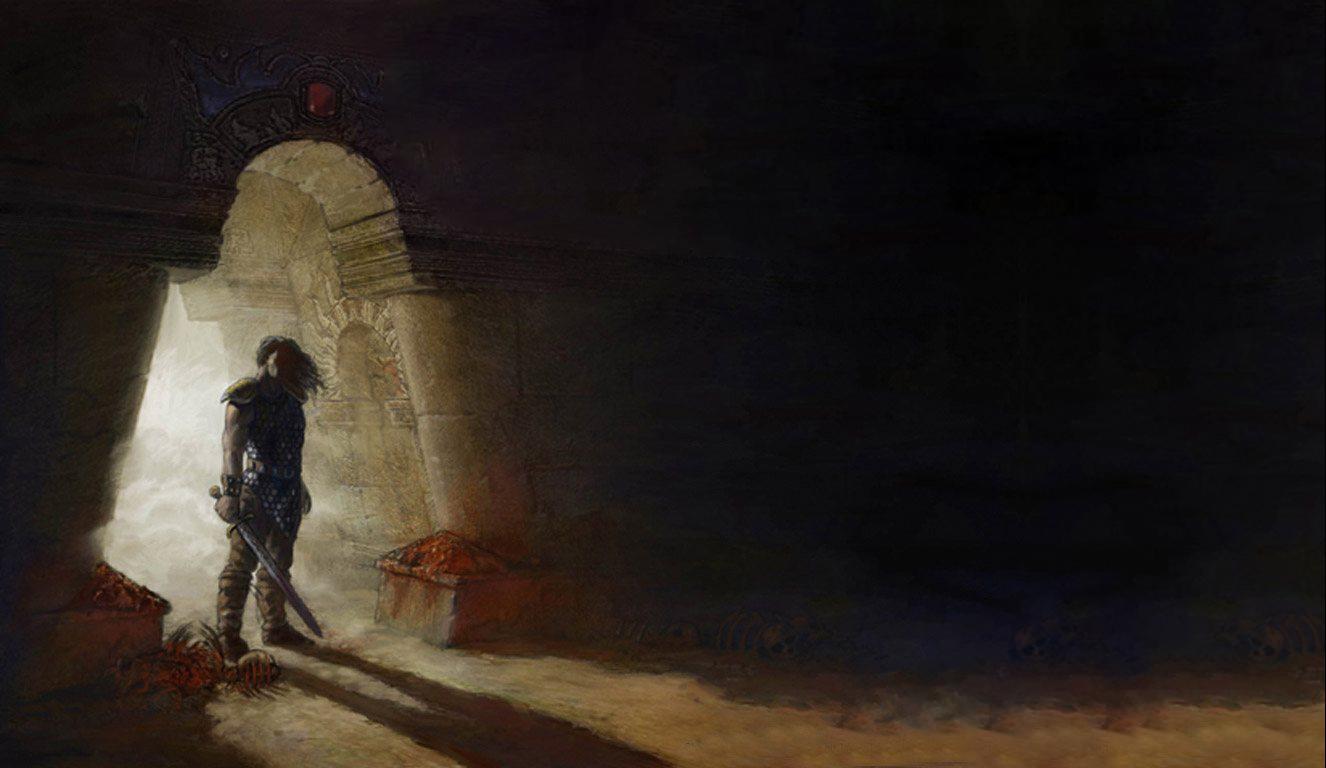
9. Arx Fatalis
Arkane's debut was a true spiritual successor to *Ultima Underworld*, a first-person RPG in a deep, dark dungeon. Its innovative rune-drawing magic system and emphasis on player freedom and environmental interaction were way ahead of its time. It’s an immersive sim before the term was ubiquitous, offering a hardcore, uncompromised experience that demanded player ingenuity. Modern RPGs could learn a lot about genuine player choice from this gem.
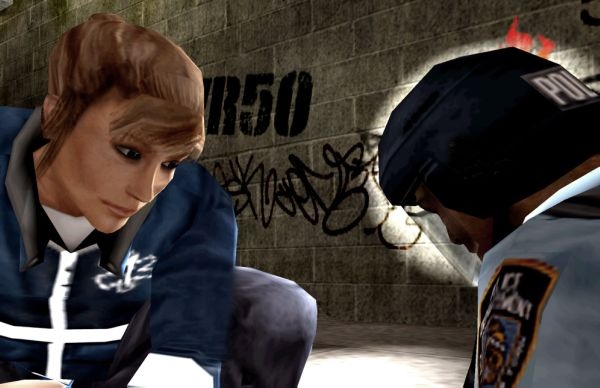
10. Urban Chaos: Riot Response
This underrated PS2/Xbox FPS was pure, unadulterated arcade action. As a member of an elite riot squad, you gunned down gangs with satisfyingly meaty weapons and a destructive environment. It had a kinetic energy and flow that few shooters achieve, prioritizing visceral fun over realistic grittiness. It was loud, chaotic, and relentlessly entertaining, a forgotten relic that still delivers more pure adrenaline than most meticulously crafted blockbusters.
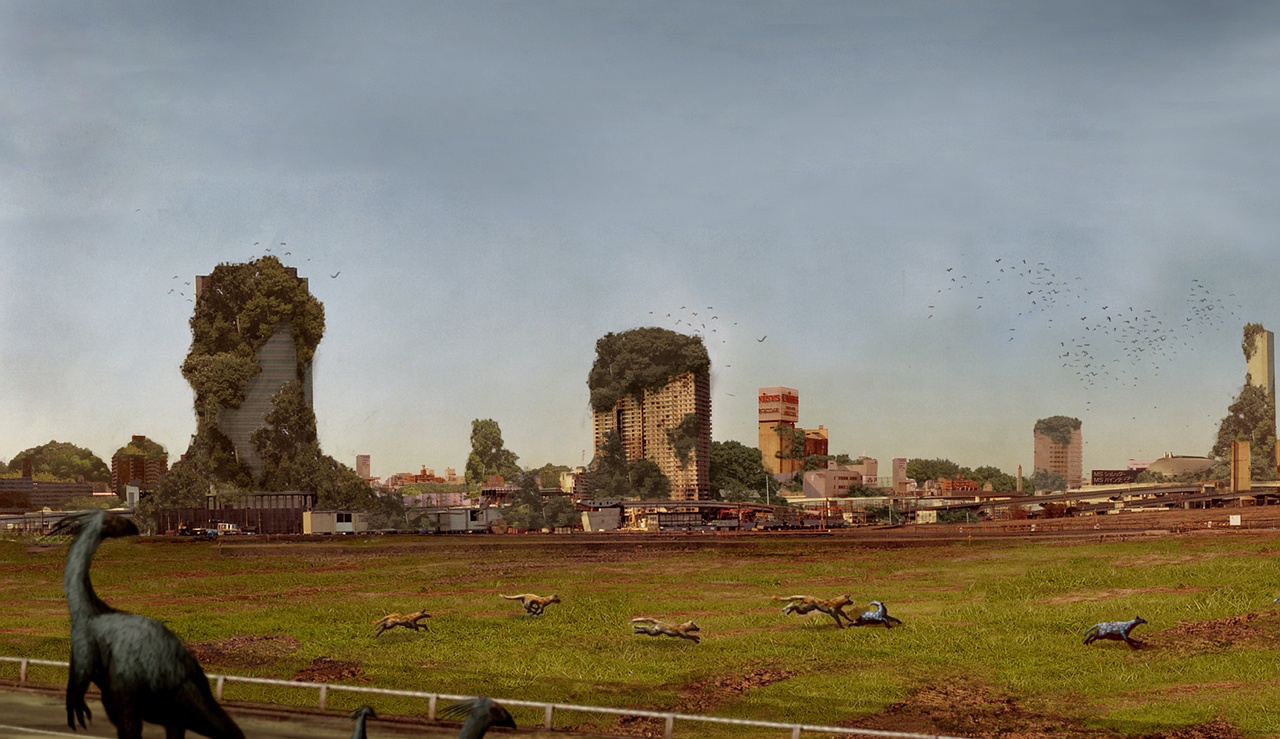
11. Tokyo Jungle
Picture this: post-apocalyptic Tokyo, completely devoid of humans, where animals have taken over. You play as a Pomeranian, a deer, or even a velociraptor, trying to survive, breed, and dominate the food chain. It’s bizarre, hilarious, and surprisingly deep. This PS3 downloadable title was an utterly unique take on survival, combining roguelike elements with territorial combat. It proves that originality and charm beat bloated budgets any day.