
1 / 11
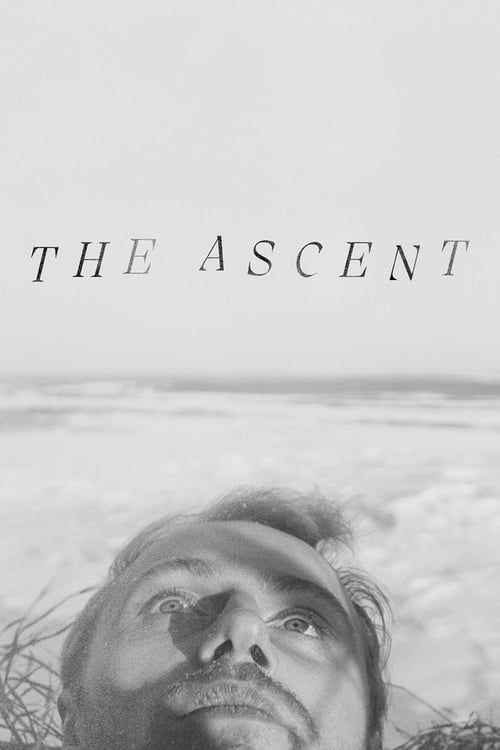
1. The Ascent
Elem Klimov's "The Ascent" is a harrowing, almost spiritual journey into the brutal realities of WWII partisan warfare. Shot in stark black and white, it strips away any romanticism from conflict, showing the moral and physical degradation of two Soviet soldiers. This 1977 masterpiece isn't just a war film; it's a profound, unflinching meditation on faith, betrayal, and sacrifice, challenging viewers to confront the darkest corners of humanity. It’s a gut punch, frankly.
2 / 11
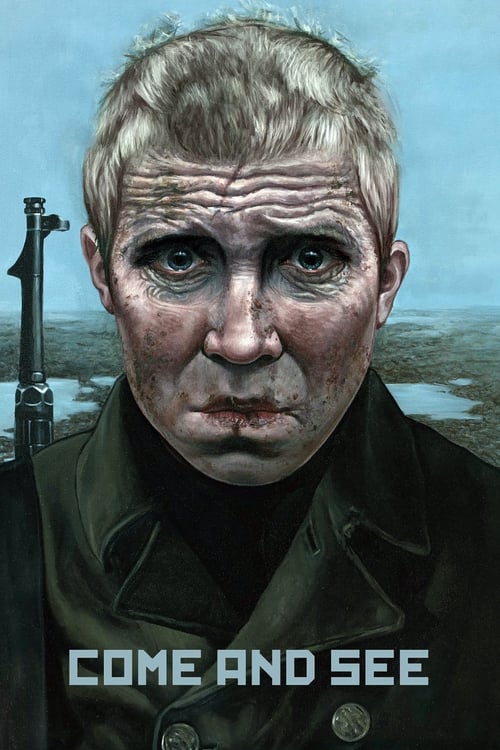
2. Come and See
Elem Klimov's "Come and See" from 1985 is arguably the most visceral, terrifying war film ever made. Witnessing the atrocities of the Nazi occupation in Belarus through the eyes of a young boy named Flyora, it's a relentless, surreal descent into hell. This isn't entertainment; it’s an experience that leaves you profoundly shaken, showcasing the unimaginable horrors of conflict with an almost documentary-like intensity. Algorithms probably think it's 'too much'.
3 / 11
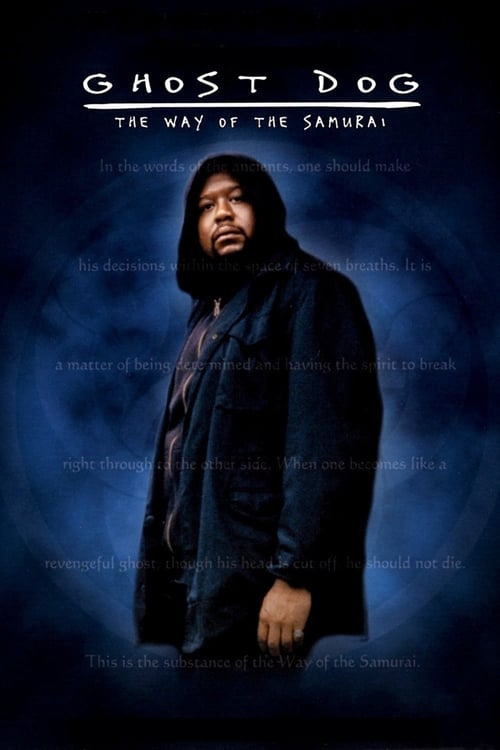
3. Ghost Dog: The Way of the Samurai
Jim Jarmusch’s "Ghost Dog: The Way of the Samurai" from 1999 is a beautifully anachronistic blend of ancient philosophy and modern urban grit. Forest Whitaker plays a hitman living by the samurai code, navigating a dilapidated world with quiet dignity. Its unique blend of hip-hop aesthetics, meditative pacing, and unexpected humor makes it a singular experience. It’s too cool, too thoughtful, and too wonderfully strange for algorithm-driven recommendations.
4 / 11
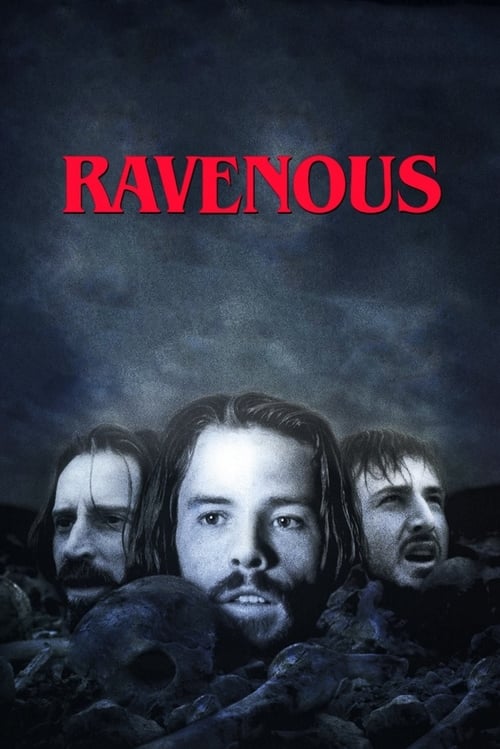
4. Ravenous
Antonia Bird's "Ravenous" from 1999 is a wildly eccentric, darkly comedic, and genuinely unsettling horror-western. Set during the Mexican-American War, it delves into cannibalism and the chilling legend of the Wendigo with a perverse glee. Its brilliant, off-kilter score and the committed, often grotesque performances make it a cult classic that defies easy categorization. It's too weird, too disturbing, and too unique for mainstream streaming.
5 / 11
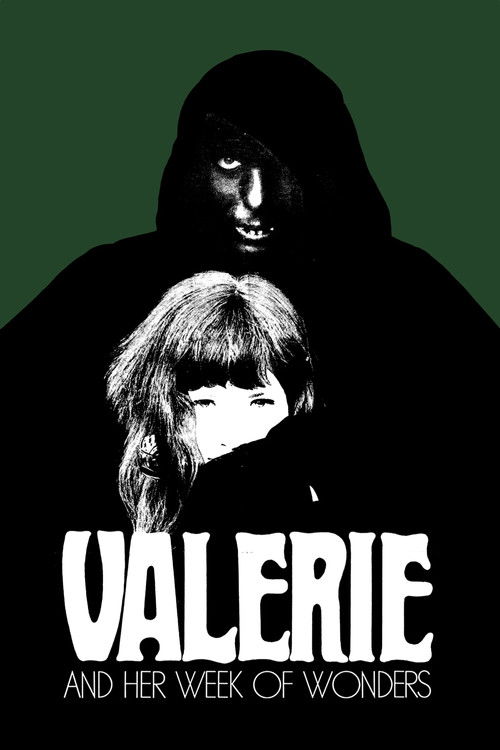
5. Valerie and Her Week of Wonders
Jaromil Jireš's "Valerie and Her Week of Wonders," a 1970 Czech New Wave gem, is pure, unadulterated surrealism. It’s a dreamlike, gothic coming-of-age fable, exploring adolescent sexuality and fear through a kaleidoscope of poetic, often unsettling imagery. This film doesn't tell a story so much as it invites you to immerse yourself in its beautiful, bizarre, and sometimes disturbing world. You won’t find this on your homepage.
6 / 11

6. Cure
Kiyoshi Kurosawa’s "Cure" from 1997 is a masterful, slow-burn psychological horror that will burrow under your skin. A detective investigates a series of bizarre murders where the killers confess immediately but can't explain their motives. It’s less about jump scares and more about existential dread and the insidious nature of suggestion. This film is chillingly intellectual, deeply unsettling, and exactly why algorithms struggle with true art-house horror.
7 / 11

7. Dark City
Alex Proyas's "Dark City" (1998) is a neo-noir sci-fi marvel that predates and arguably influenced "The Matrix." Its stunning, expressionistic visuals and labyrinthine plot follow a man who wakes up with amnesia in a city where the sun never rises and reality is constantly reshaped. It's a deep dive into identity, free will, and the nature of existence, far too complex and visually distinct for casual discovery.
8 / 11

8. Whisper of the Heart
“Whisper of the Heart” (1995) is a quieter, more grounded Studio Ghibli film, but no less magical. It’s a beautiful coming-of-age story about Shizuku, a young girl discovering her passion for writing and navigating first love. This film captures the delicate balance between dreams and reality, ambition and uncertainty, with a tender, nostalgic grace. It’s a gentle, introspective gem often overshadowed by Ghibli’s flashier fantasy epics.
9 / 11

9. The Man Who Fell to Earth
Nicolas Roeg’s "The Man Who Fell to Earth" (1976) stars David Bowie as an alien who comes to Earth seeking water for his dying planet. It's a mesmerizing, fragmented, and deeply melancholic sci-fi allegory about alienation, capitalism, and human corruption. Bowie’s ethereal performance perfectly embodies the film’s otherworldly, often psychedelic tone. This is less a narrative and more an experience, too artful and strange for algorithm-led browsing.
10 / 11
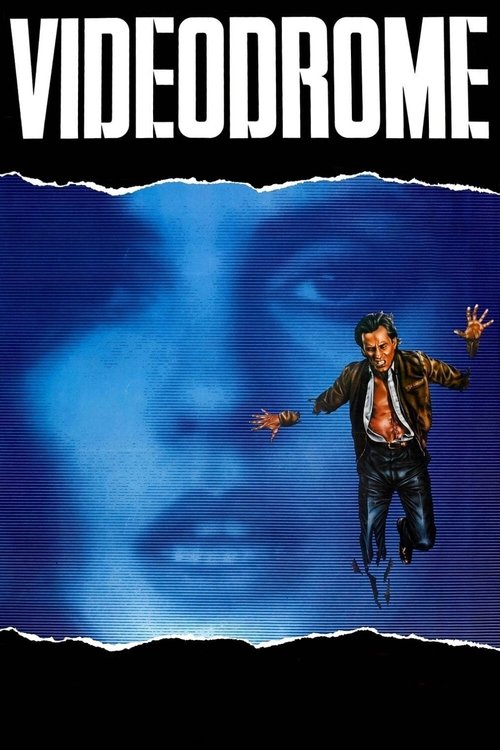
10. Videodrome
David Cronenberg’s "Videodrome" (1983) is a prescient, disturbing masterpiece of body horror and media critique. James Woods plays a sleazy TV programmer who stumbles upon a broadcast signal that causes hallucinations and physical mutations. It's a visceral, unsettling exploration of technology’s impact on consciousness and reality, feeling more relevant now than ever. Long live the new flesh, but not on your 'recommended for you' list.
11 / 11

11. My Dinner with Andre
Louis Malle’s "My Dinner with Andre" (1981) is a cinematic anomaly: two men, Wallace Shawn and Andre Gregory, simply talk for nearly two hours over dinner. Yet, it’s utterly captivating. Their conversation spans philosophy, art, life, and the human condition, making it a profoundly intellectual and unexpectedly dramatic experience. It's pure, unadulterated dialogue, demonstrating the power of words in film, something algorithms can't quite grasp.