


1. Planescape: Torment
This game, from its 1999 release, challenged RPG conventions. It wasn't about heroics or saving the world, but about identity, regret, and the nature of the soul. Its narrative depth and philosophical inquiries pushed boundaries, influencing countless story-driven games that followed. It showed that character development could transcend combat, that dialogue choices could be more impactful than spells, and that a truly unique setting could resonate for decades. It's a masterclass in interactive storytelling.

2. Deus Ex
The original 2000 Deus Ex blended genres and offered unparalleled player agency. Its sprawling conspiracy narrative, choice-driven gameplay, and moral ambiguities set a new standard for immersive simulations. Players could approach objectives with stealth, combat, or hacking, each path feeling equally valid. This design philosophy, emphasizing player freedom and consequence in a cyberpunk future, echoes through modern immersive sims and RPGs, shaping expectations for emergent gameplay and complex world-building.

3. Vampire: The Masquerade – Bloodlines 2
This game, still unreleased and subject to development changes, represents a fascinating cultural phenomenon. Its troubled production history and the fervent anticipation for its dark, choice-driven narrative highlight the enduring power of its predecessor's legacy and the White Wolf universe. The very discussion around its potential—or lack thereof—to capture the original's magic speaks volumes about player expectations for narrative depth, moral ambiguity, and rich RPG mechanics in urban fantasy.
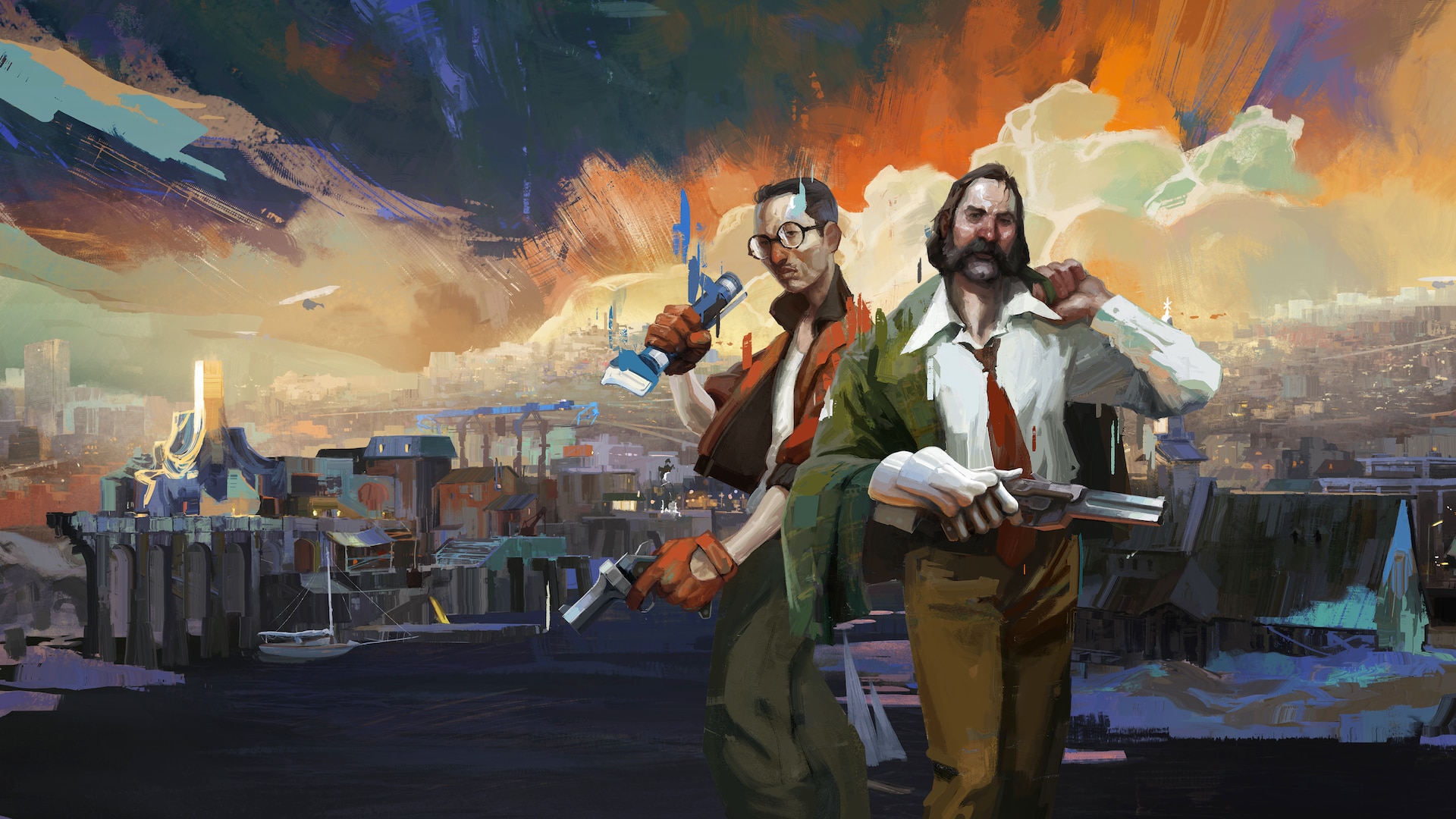
4. Disco Elysium: Final Cut
Disco Elysium: Final Cut, released in 2021, solidified the game's place as a cultural touchstone. This definitive edition, with full voice acting and new quests, redefined what an RPG could be. It ditched traditional combat for psychological introspection, political discourse, and detective work. Its unique skill system, a conversation with one's own psyche, and its unflinching look at societal decay left an indelible mark on narrative design. It proved intellectual depth and existential angst could be wildly engaging.

5. Alpha Centauri
Sid Meier's Alpha Centauri, released in 1999, transcended typical 4X strategy. It wasn't just about conquering planets; it was a deep exploration of ideology, transhumanism, and environmental ethics. Each faction represented a distinct philosophical approach to humanity's future, forcing players to grapple with complex moral choices. Its narrative depth and sophisticated political mechanics pushed the genre beyond simple resource management, influencing subsequent grand strategy titles and demonstrating the power of games to tackle profound, speculative themes.

6. Kentucky Route Zero
This episodic adventure, completed in 2020, stands as a triumph of interactive fiction. It’s a melancholic, surreal journey through a hidden highway in Kentucky, exploring themes of debt, labor, and the American dream. Its abstract narrative, striking art style, and lack of traditional puzzles or challenges redefined expectations for what a "game" could be. Kentucky Route Zero proved that experimental storytelling, relying on mood and implication, could be profoundly impactful, influencing a wave of narrative-focused independent titles.

7. Okami
Released in 2006, Okami brought a stunning, cel-shaded art style inspired by Japanese sumi-e ink painting to the forefront. More than just visual flair, it wove a beautiful narrative rooted in Japanese folklore, challenging the Western-centric fantasy tropes prevalent in gaming. Its innovative "Celestial Brush" mechanic, integrating drawing into gameplay, offered a unique form of interaction. Okami proved that artistic vision and cultural heritage could elevate a game beyond its mechanics, inspiring a generation of developers to explore diverse aesthetic and narrative inspirations.

8. Psychonauts
This 2005 platformer, with its wildly imaginative levels set inside people's minds, was a masterclass in creative design and empathetic storytelling. It tackled complex themes like mental health, trauma, and identity with humor and sensitivity, long before such topics were common in mainstream games. Its distinct aesthetic and clever mechanics, allowing players to literally explore psychological landscapes, proved that games could be both whimsical and deeply meaningful, influencing subsequent titles to explore psychological narratives in novel ways.

9. Prey
The 2017 iteration of Prey, developed by Arkane Studios, is an unsung hero of the immersive sim genre. Set aboard a derelict space station, it offered unparalleled freedom in problem-solving, blending elements of horror, stealth, and sci-fi. Its intricate level design, emergent gameplay possibilities, and deep lore created a truly reactive world. Prey demonstrated that meticulous environmental storytelling and player-driven choices, even in a linear setting, could foster an incredibly deep sense of immersion and replayability, influencing subsequent thoughtful sci-fi experiences.

10. Papers, Please
Released in 2013, Papers, Please offered a stark, unsettling look into the mundane bureaucracy of a dystopian state. Players, as immigration inspectors, faced difficult moral choices under constant pressure, highlighting the human cost of oppressive regimes. Its minimalist presentation and unique gameplay loop—stamping passports—forced players to confront ethics and empathy in a way few games had before. This critically acclaimed title proved that "serious games" could be both thought-provoking and engaging, inspiring a wave of politically charged, mechanically innovative indies.