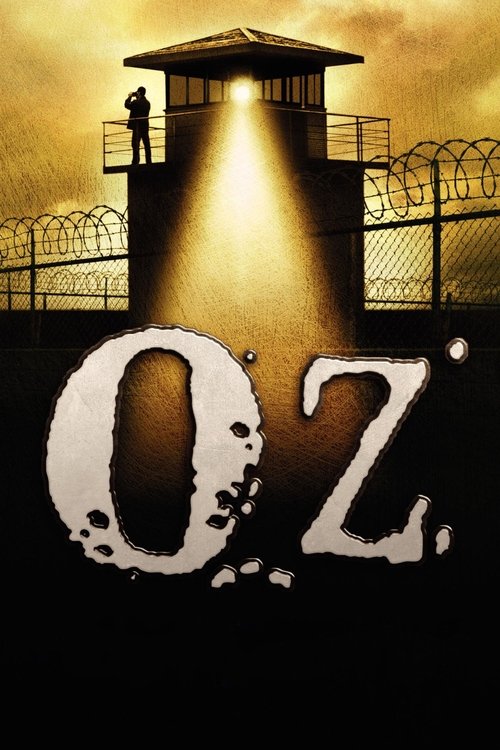
1. Oz
Gary Shandling’s *Larry Sanders* wasn't just a sitcom; it was a masterclass in meta-comedy. Peeling back the veneer of late-night TV, it showed us the insecurities and power plays behind the smiles. Its mockumentary feel and layered performances made you forget it was fiction, setting a new bar for smart, uncomfortable humor, influencing countless shows since.
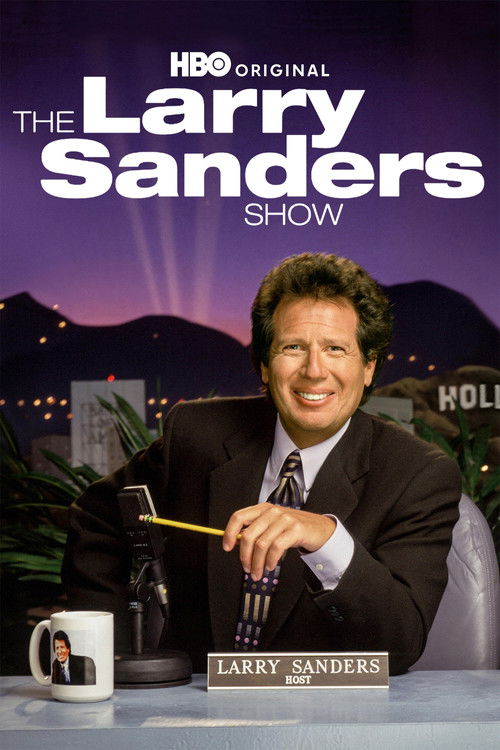
2. The Larry Sanders Show
From Chris Carter, *Millennium* plunged us into a world far bleaker than *The X-Files*. Frank Black's disturbing visions of evil weren't just scary; they were existential dread personified. Its cinematic gloom and serialized exploration of the darkness within humanity proved that network TV could tackle profoundly unsettling, character-driven horror with real artistic ambition, often leaving you unsettled for days.
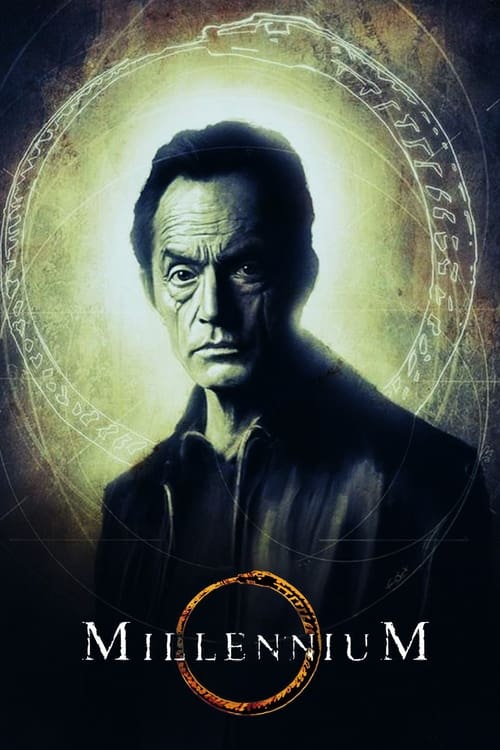
3. Millennium
*Six Feet Under* started every episode with a death, but it was really about life, family, and grief. HBO let Alan Ball craft a deeply personal, often surreal, ensemble drama that explored mortality with a dark wit and profound empathy. It showed how a series could be both intensely serialized and self-contained, utterly unique in its tone and emotional impact.
4. Six Feet Under
FX threw down the gauntlet with *The Shield*, giving us Vic Mackey, an anti-hero who made Tony Soprano look like a choir boy. This wasn't just a cop show; it was a gritty, morally ambiguous character study that refused easy answers. Its raw, visceral energy and serialized narrative proved that basic cable could deliver cinematic, high-stakes drama with unflinching power.
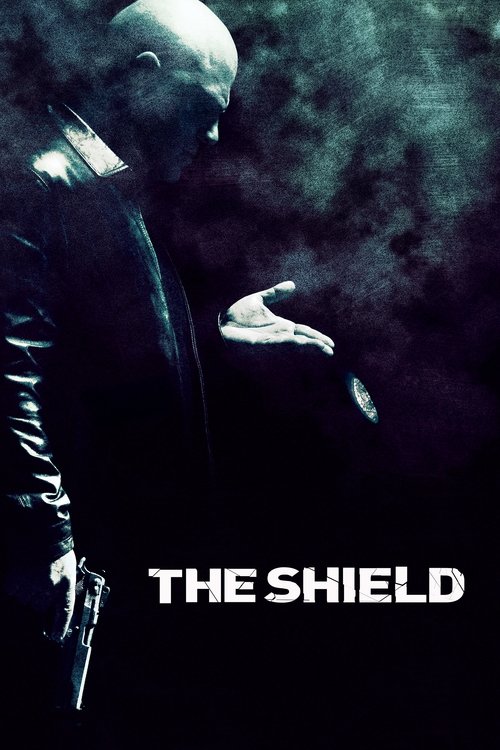
5. The Shield
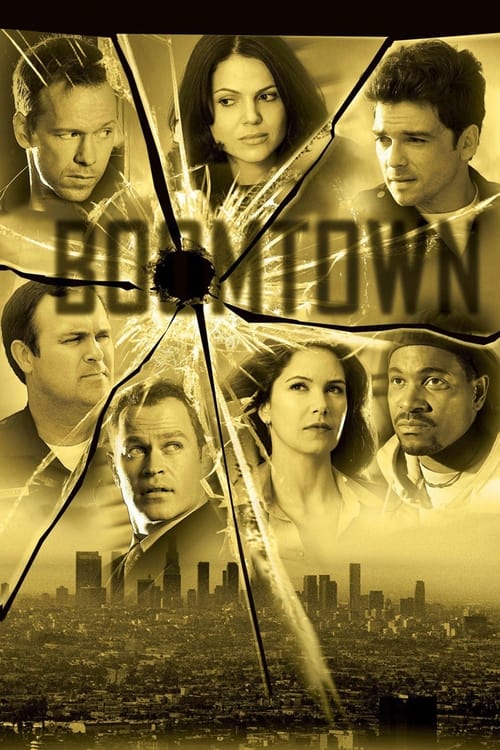
*Boomtown* was ahead of its time, a procedural that played with narrative structure like nobody else. Each episode told a crime story from multiple, often conflicting, perspectives – cops, criminals, victims – all out of chronological order. It was a smart, ambitious ensemble drama that demanded attention, showing how much depth a network procedural could achieve with a bold vision.
6. Boomtown
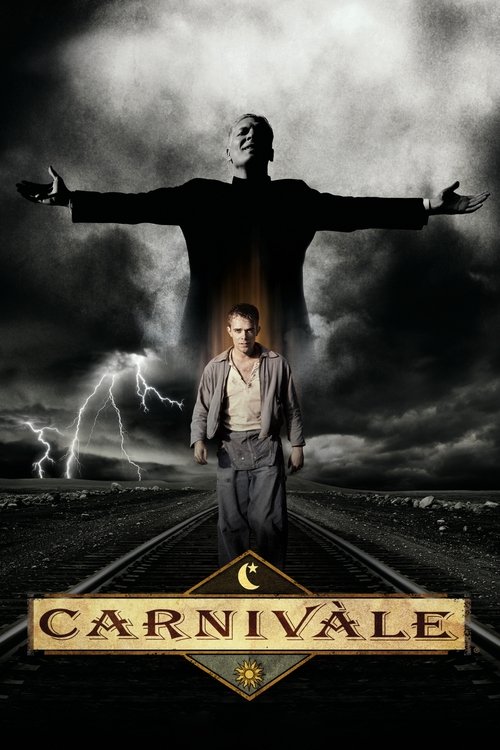
HBO's *Carnivàle* was pure ambition on screen, a visually stunning, sprawling epic set during the Dust Bowl. Its intricate mythology of good versus evil and slow-burn, highly serialized narrative defied easy categorization. It proved television could be as visually rich and thematically complex as any feature film, even if its mysteries sometimes felt a little too grand.
7. Carnivàle
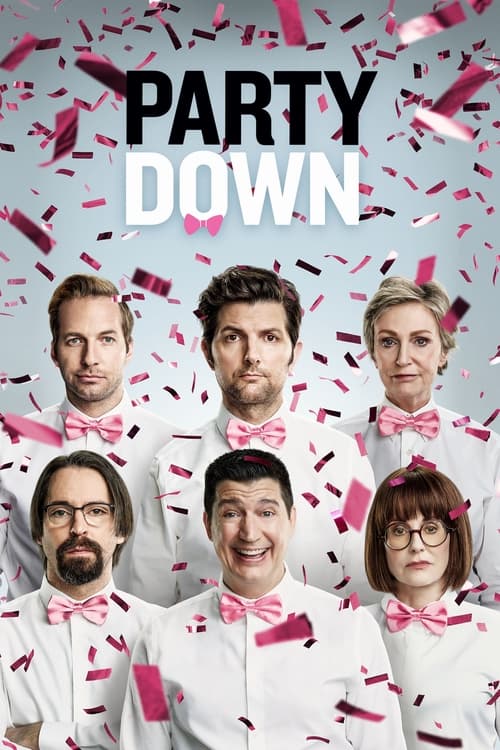
*Party Down* might have been a cult hit for Starz, but its impact on smart comedy is undeniable. This mockumentary-style ensemble followed a group of aspiring Hollywood types stuck catering gigs, blending awkward humor with genuine pathos. It perfected the art of the cringe-comedy workplace drama, proving that niche channels could deliver sharp, character-driven laughs with surprising emotional depth.
8. Party Down
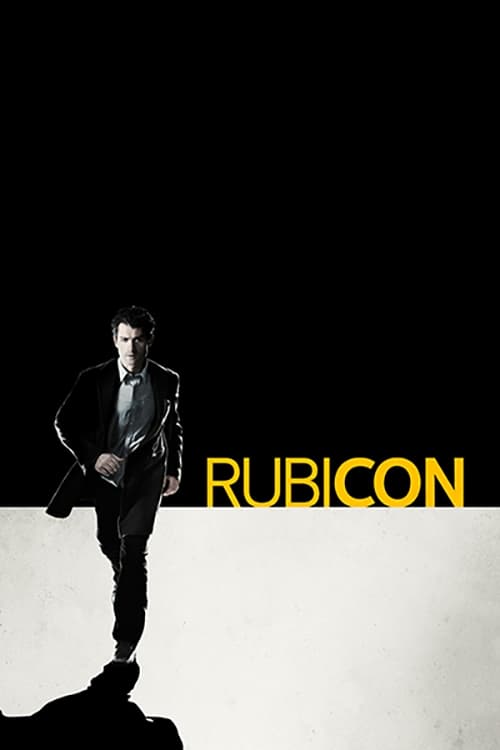
AMC, fresh off *Mad Men*, gave us *Rubicon*, a slow-burn conspiracy thriller that demanded patience and rewarded close attention. It built an incredibly intricate, atmospheric world of intelligence analysts, focusing on quiet paranoia and intellectual puzzles rather than explosions. It showed that prestige TV could be understated, deeply serialized, and utterly gripping without resorting to overt action.
9. Rubicon
*Terriers* was an FX gem that got unfairly canceled, but its legacy as a smart, character-driven buddy detective show endures. It perfected the art of the serialized, witty, and surprisingly poignant drama about two down-on-their-luck PIs. It proved basic cable could create deeply human stories with sharp dialogue and a strong sense of place, a true shame it ended too soon.