1. Homicide: Life on the Street
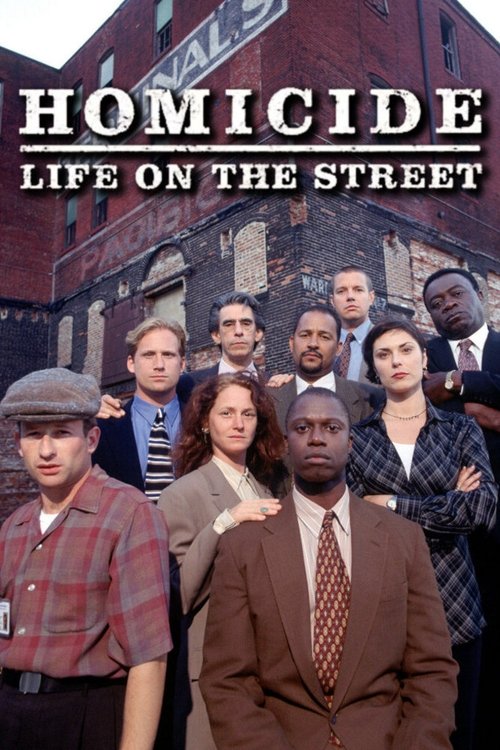
Before *The Wire*, there was *Homicide*. This NBC network show, adapting a David Simon book, broke the mold for cop dramas. It was dark, messy, and shot with a documentary-style immediacy that felt radical for broadcast. The ensemble cast felt genuinely lived-in, navigating grim investigations where answers weren't always neat. It proved serialized storytelling and complex character arcs could thrive outside of primetime soaps, laying groundwork for future prestige.
2. Profit
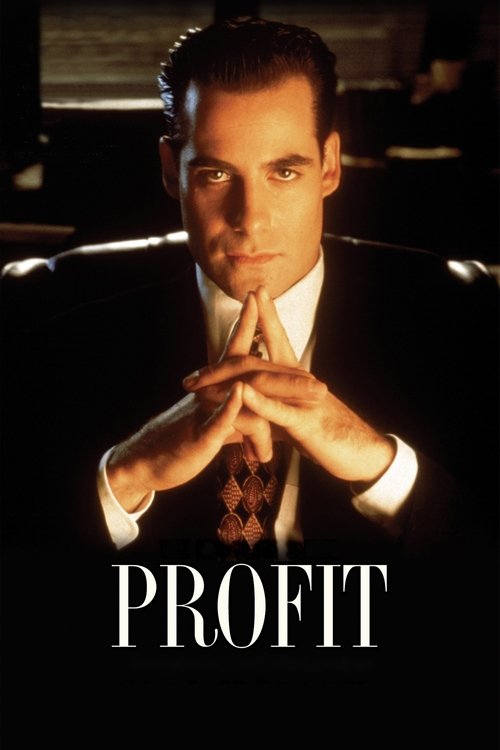
Fox's *Profit* was a cynical, darkly comedic corporate thriller that was wildly ahead of its time. Jim Profit, an anti-hero who'd make Tony Soprano blush, manipulated everyone around him with chilling efficiency, often breaking the fourth wall. Its stark, almost theatrical aesthetic and morally bankrupt protagonist were cable-level daring, a precursor to the complex villains we'd later embrace. It got buried, but its influence on character-driven risk-taking is undeniable.
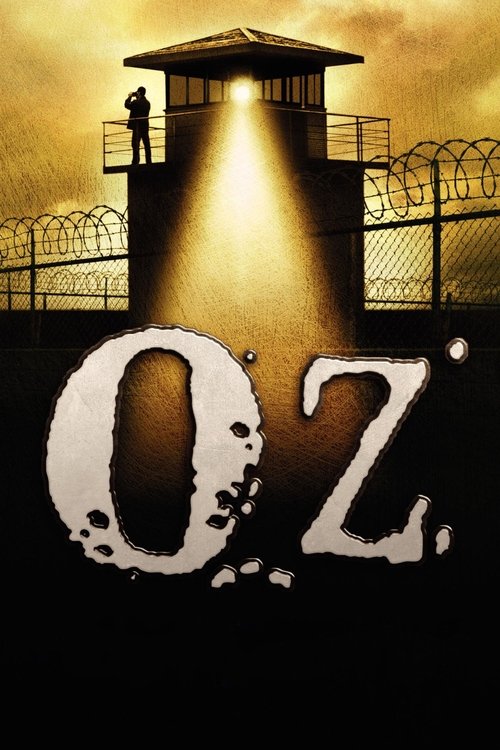
3. Oz
HBO truly announced its arrival with *Oz*. This wasn't just a prison drama; it was a brutal, unflinching look at human nature under extreme duress, pushing boundaries with violence, sex, and language that network TV couldn't touch. Its sprawling ensemble cast and deeply serialized narratives created a world both terrifying and strangely compelling. It proved cable could offer something fundamentally different, more adult, and utterly addictive.
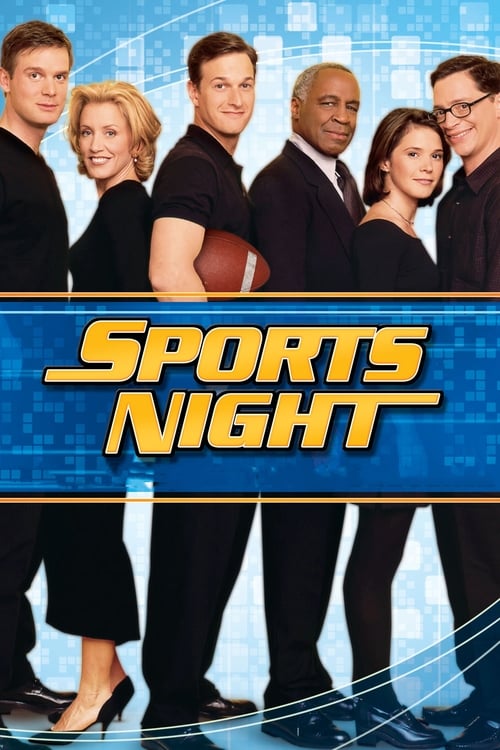
4. Sports Night
Aaron Sorkin’s debut, *Sports Night*, was a masterclass in rapid-fire dialogue and ensemble chemistry. Ostensibly a sitcom about a cable sports news show, it blended sharp comedy with genuine drama, tackling ethics and personal struggles. The camera work, often tracking through hallways, created a dynamic, theatrical feel. It explored the idea that smart, serialized television could exist in a half-hour format, even if ABC didn't quite know what to do with it.
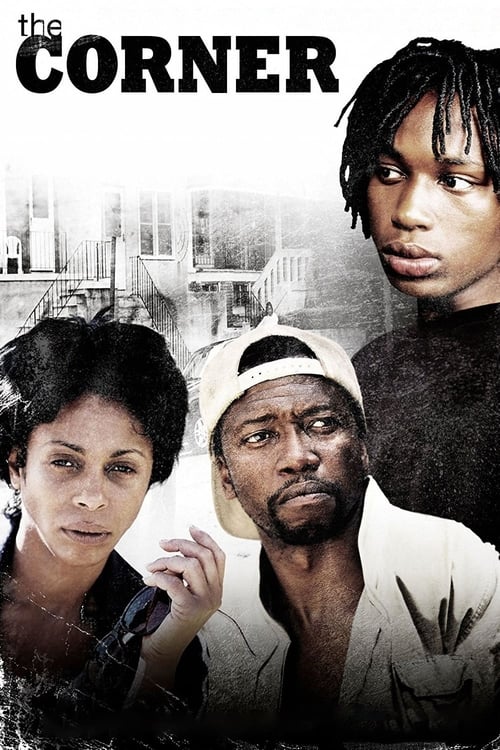
5. The Corner
*The Corner*, an HBO miniseries, offered an unflinching, quasi-documentary look at drug addiction and poverty in West Baltimore. Based on David Simon and Ed Burns’ book, it captured a raw, authentic realism that felt more like cinema vérité than typical television. It was a stark, heartbreaking predecessor to *The Wire*, establishing HBO's commitment to gritty, character-driven social commentary and showing the power of limited, focused narratives.
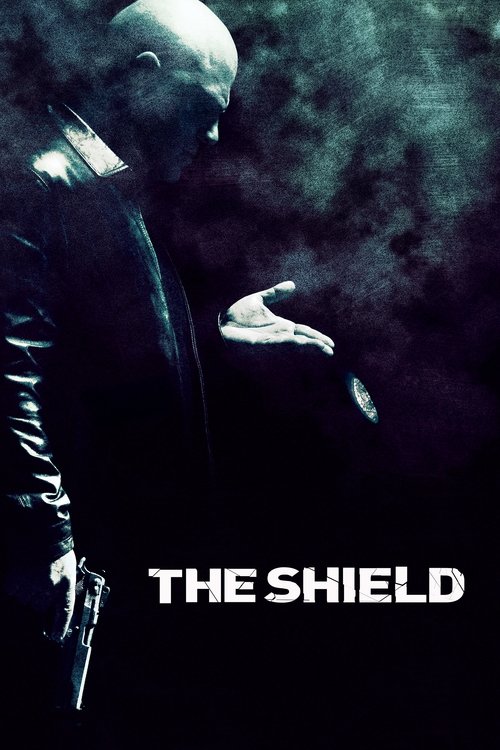
6. The Shield
FX’s *The Shield* hit like a gut punch. Vic Mackey was the ultimate anti-hero, doing bad things for what he believed were good reasons, blurring moral lines in a way network TV wouldn't dare. Its handheld camera work and intense, serialized storylines created a relentless, visceral experience. This show proved cable wasn’t just about premium channels; basic cable could deliver daring, cinematic, and profoundly impactful drama.
7. Carnivàle
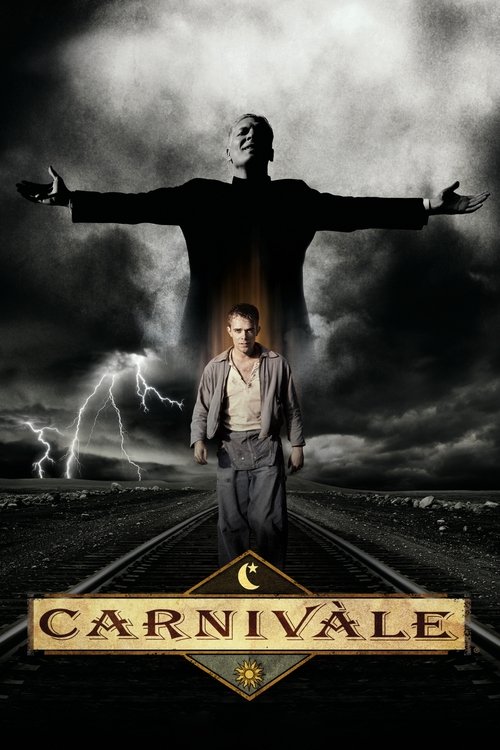
*Carnivàle* was an audacious swing by HBO, a Depression-era magical realism epic about good versus evil. Its stunning visuals, intricate mythology, and atmospheric world-building were unlike anything on television. While expensive and sometimes opaque, it represented the network's willingness to invest heavily in grand, serialized narratives that demanded viewer commitment. It pushed the boundaries of visual storytelling, feeling more like a long movie than a TV series.
8. Arrested Development
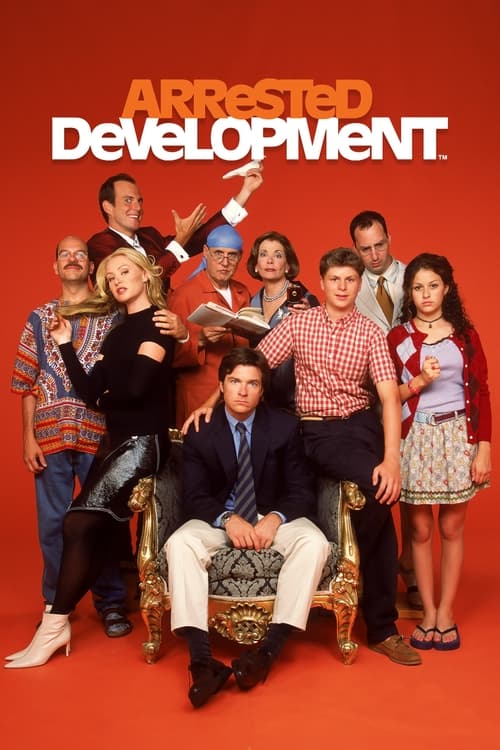
*Arrested Development* was a comedy that operated on a different plane. Its mockumentary style, dense recurring gags, and layered, self-referential humor rewarded rewatching, practically begging for the emerging on-demand culture. The ensemble cast was brilliantly dysfunctional, creating a serialized sitcom that was both hilarious and formally inventive. It proved that smart, complex comedy could find an audience, even if FOX didn't quite get it at first.
9. Deadwood
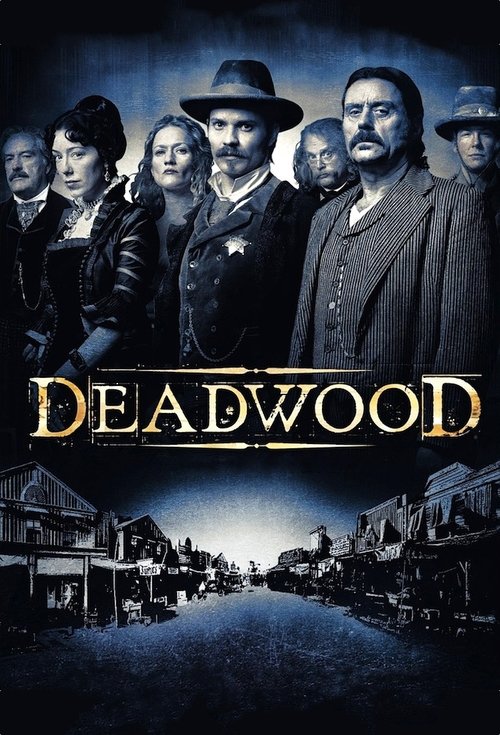
David Milch’s *Deadwood* was a masterclass in language and character. This HBO western was less about shootouts and more about the brutal, poetic forging of civilization. The dialogue was Shakespearean in its profanity and complexity, bringing a stunning authenticity to its historical setting. Its raw, serialized narrative and deep character studies cemented HBO's reputation for uncompromising, cinematic television that trusted its audience.
10. Terriers
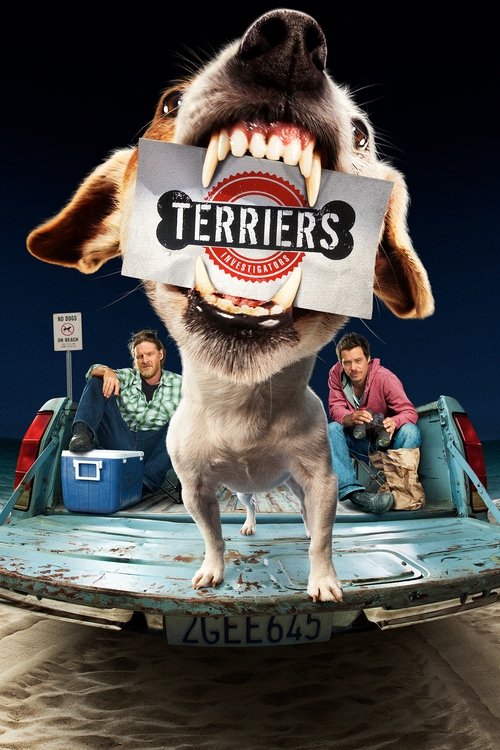
*Terriers* arrived quietly on FX, a sun-drenched, melancholic gem about two unlicensed PIs in San Diego. It was a character study disguised as a detective show, expertly blending humor, pathos, and a deep sense of loyalty. Despite universal critical acclaim for its nuanced writing and naturalistic performances, it was tragically short-lived. It's a prime example of a show too good for its time, a serialized cult classic that deserved more.