

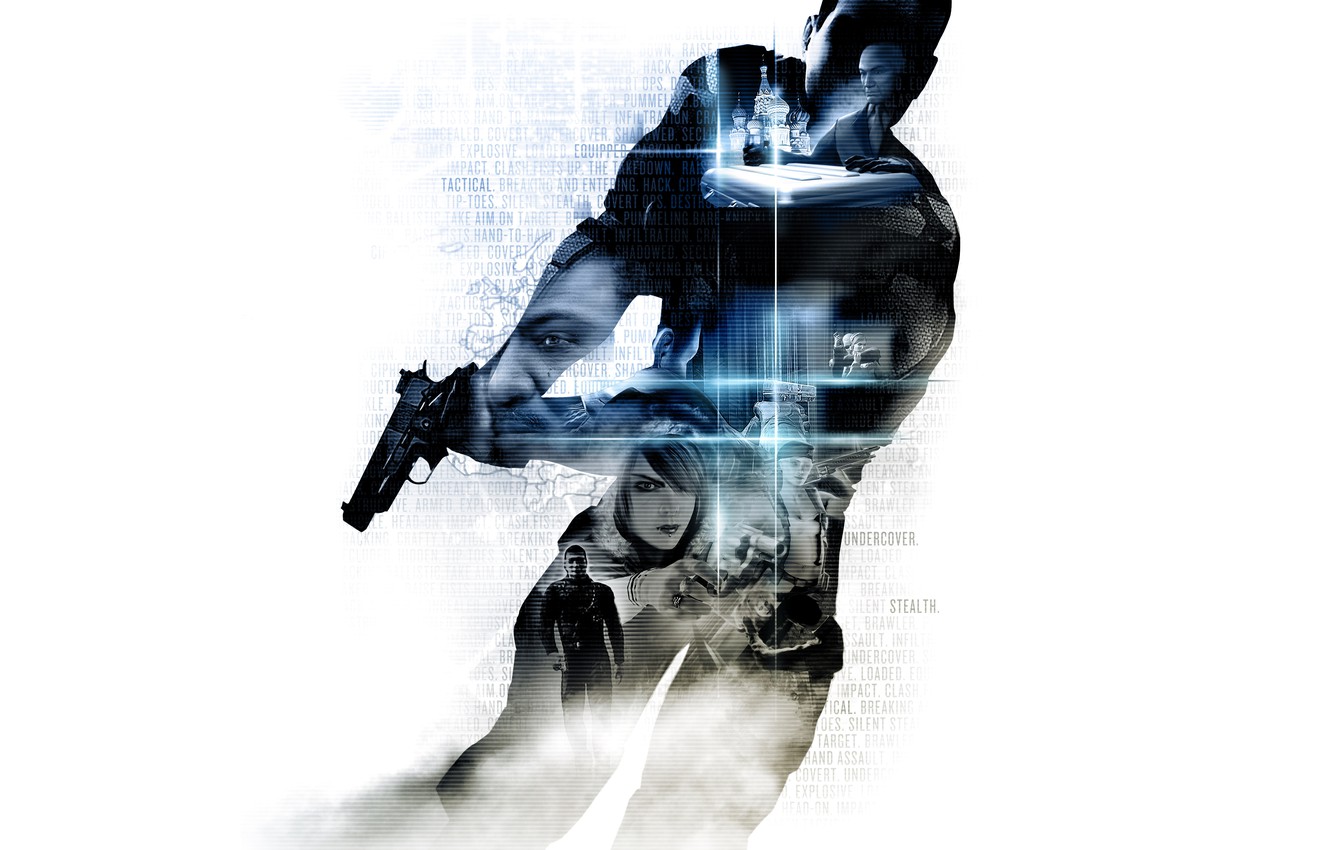
1. Alpha Protocol
Released in 2010, Alpha Protocol was a fascinating, ambitious spy RPG that felt ahead of its time, despite its rough edges. It offered genuine narrative choices with lasting consequences, influencing character relationships and even mission outcomes. Players crafted their own agent, navigating a morally ambiguous world where no decision was simple. Though critically divisive upon release, its reputation has steadily grown, celebrated for its unique dialogue system and willingness to let players truly define their story.
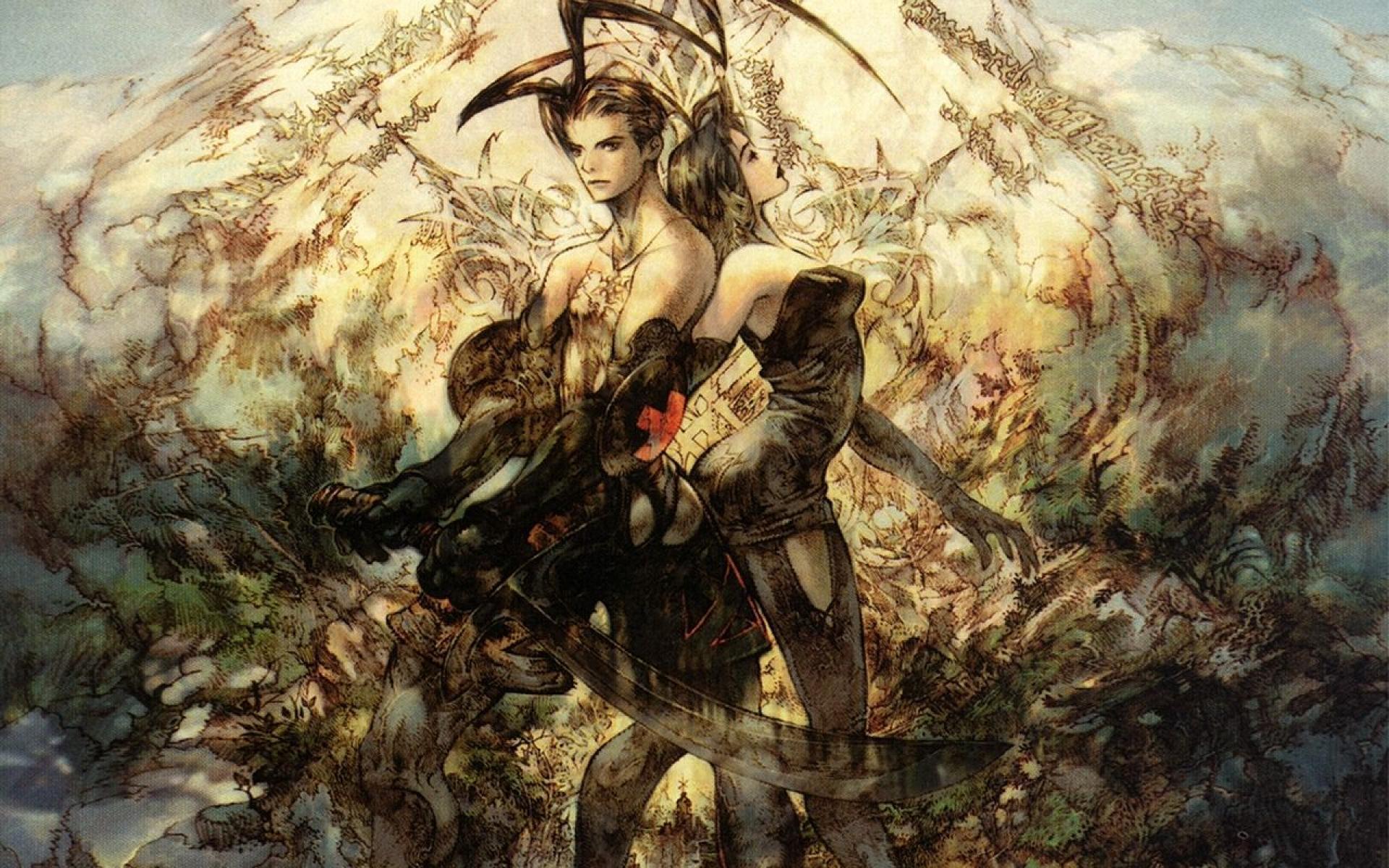
2. Vagrant Story (2000)
Vagrant Story, from 2000, presented an intricate, often opaque RPG experience, revered for its detailed world-building and unique combat system. Its dark fantasy setting and Shakespearean dialogue created a dense atmosphere, while the weapon customization and chain-combo mechanics demanded dedication. This PlayStation title transcended typical JRPG conventions, opting for a more solitary, almost puzzle-like approach to its challenging encounters, making it a cult classic for those who appreciated its depth.
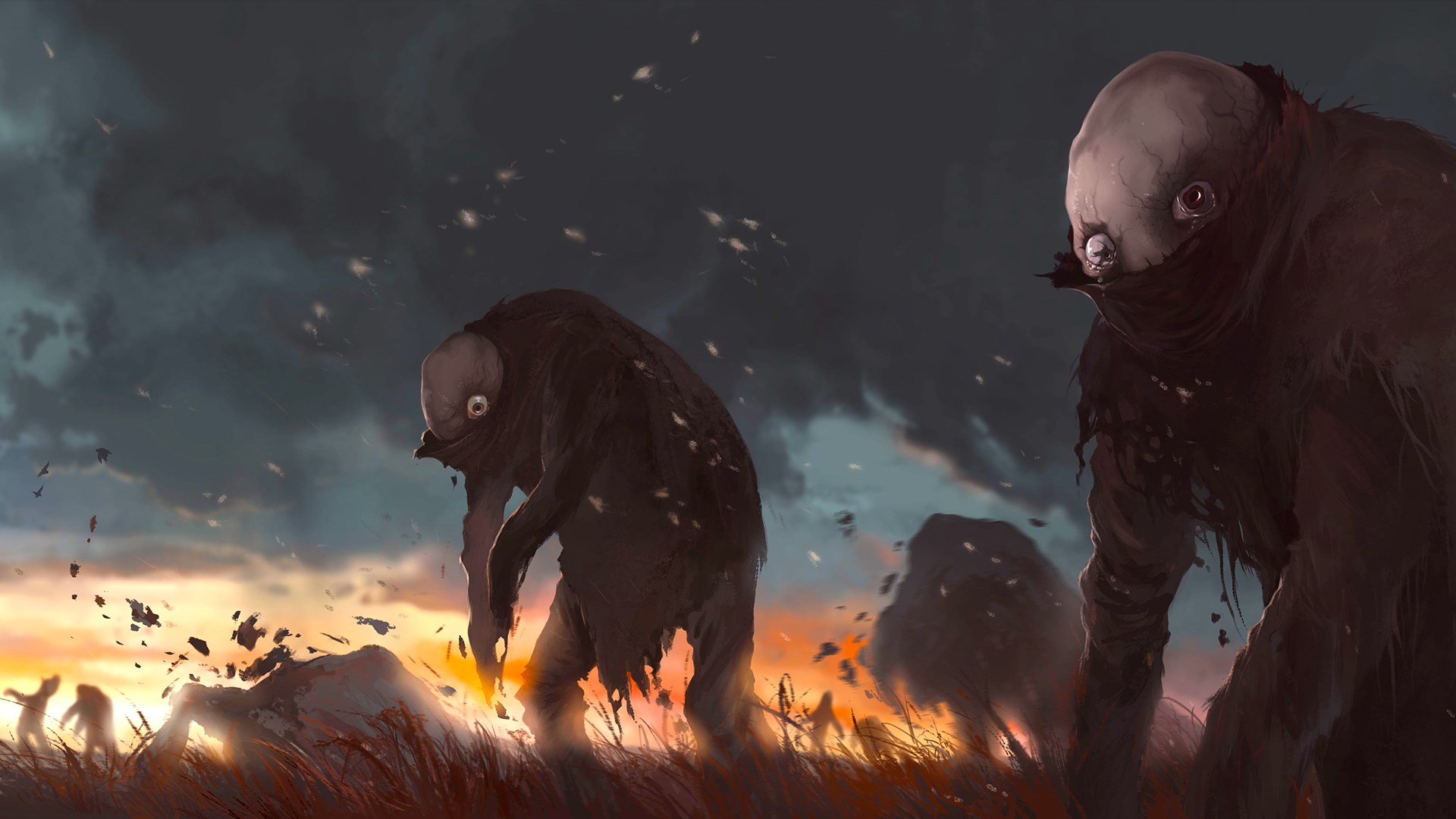
3. Pathologic 2
Pathologic 2, launched in 2019, isn't just a game; it's an experience in existential dread and survival. This brutal, philosophical narrative adventure pushes players to their limits, forcing impossible choices in a plague-ridden town. Its commitment to making the player feel overwhelmed and constantly struggling against insurmountable odds, rather than empowered, set it apart. Also, its unconventional approach to storytelling and resource management created a uniquely memorable, unsettling journey.
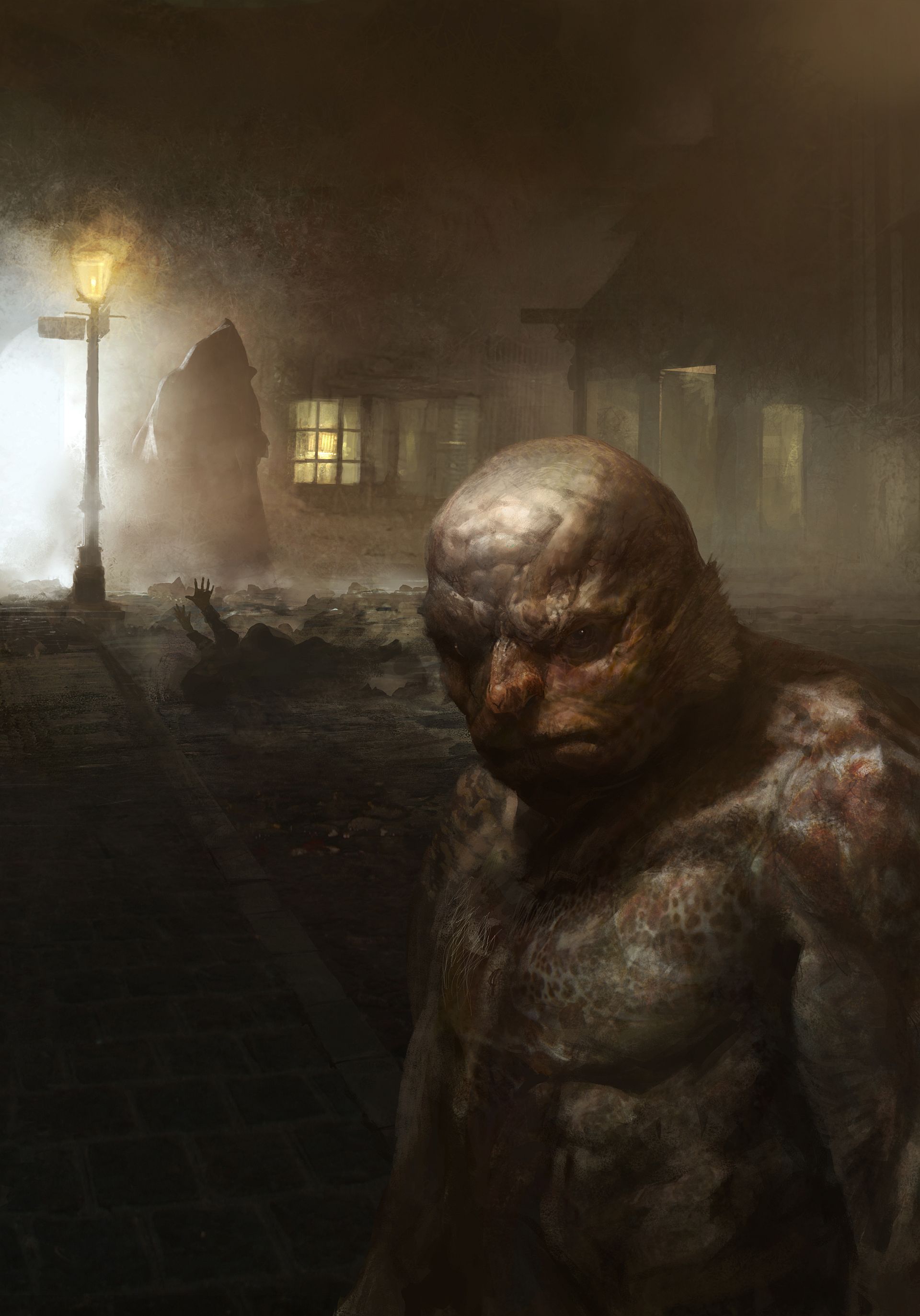
4. Call of Cthulhu: Dark Corners of the Earth
From 2005, Call of Cthulhu: Dark Corners of the Earth stands as a benchmark for Lovecraftian horror in games. It plunged players into an oppressive, sanity-draining world, faithfully translating the cosmic dread of the source material. The innovative sanity system, which distorted perception and control, along with its emphasis on stealth and investigation over combat, created an intensely atmospheric and terrifying first-person adventure, demanding patience and a strong stomach.

5. Psi-Ops: The Mindgate Conspiracy
Psi-Ops, released in 2004, showcased a thrilling blend of third-person shooting and groundbreaking psychic powers. Players could telekinetically hurl enemies, mind control them, or ignite them with pyrokinetic blasts, often combining abilities for spectacular effect. Its innovative physics engine allowed for genuinely creative combat solutions, turning environmental objects into weapons. The game's sheer fun factor and power fantasy cemented its place as a cherished, albeit overlooked, gem of its era.

6. Freedom Fighters
In 2003, Freedom Fighters delivered a compelling alternate history where the Soviet Union invaded New York. This third-person shooter stood out for its intuitive squad-based command system, allowing players to strategically direct their resistance cell in urban warfare. Its strong sense of camaraderie and the satisfying progression from a lone plumber to a celebrated leader resonated deeply, crafting a memorable tale of patriotism and insurgency against overwhelming odds.
7. Star Wars Rogue Squadron II: Rogue Leader
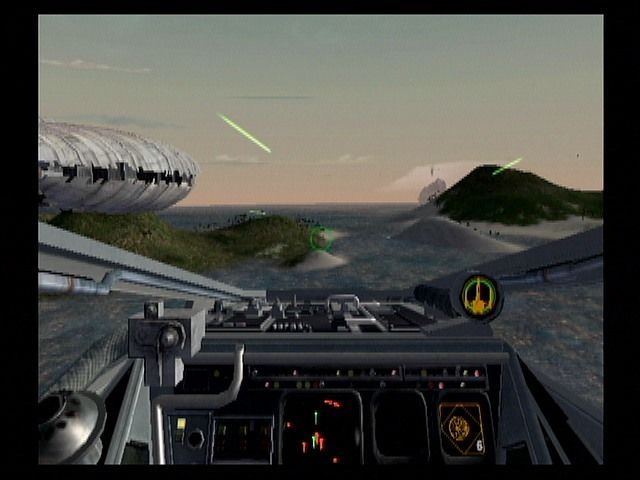
Star Wars Rogue Squadron II: Rogue Leader, a GameCube launch title from 2001, was a technical marvel. It offered breathtaking space and planetary dogfights, capturing the kinetic energy of the original trilogy with unparalleled graphical fidelity for its time. Piloting iconic starfighters through legendary battles like the Death Star trench run was an electrifying experience, proving the GameCube's power and delivering a definitive Star Wars flight combat fantasy.
8. Giants: Citizen Kabuto
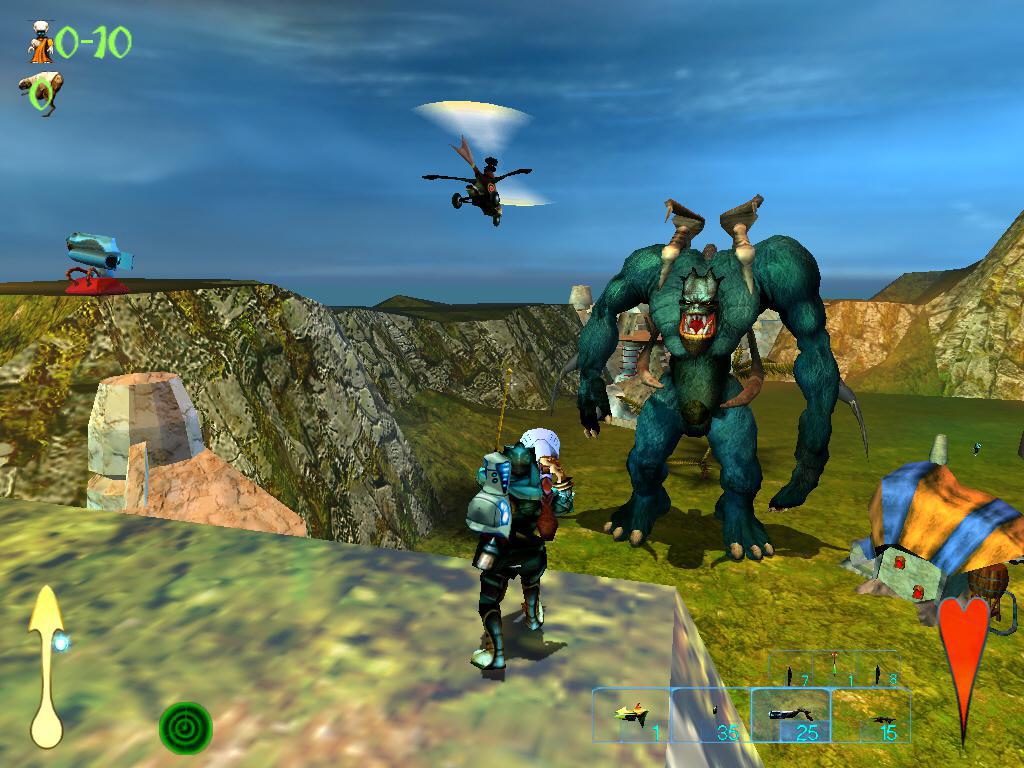
Giants: Citizen Kabuto, from 2000, was a wildly imaginative and often hilarious action-strategy game. It allowed players to control three distinct factions—the agile Meccs, the magic-wielding Sea Reapers, or the colossal monster Kabuto—each with unique gameplay mechanics. Its vibrant, surreal world, coupled with genuinely witty dialogue and diverse mission objectives, made it a truly original and unforgettable experience that defied easy categorization.
9. Outcast
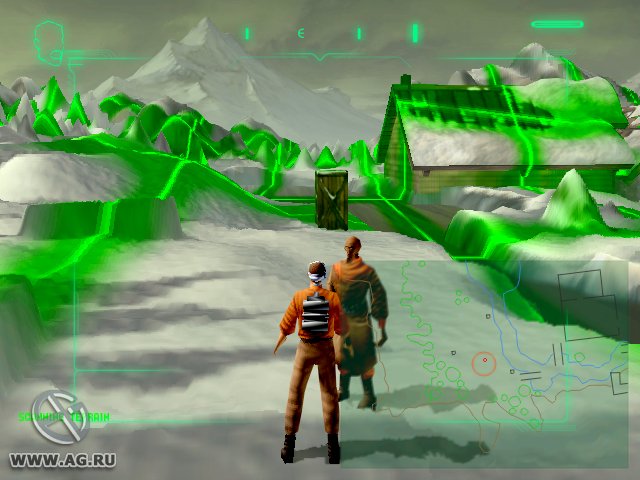
Released in 1999, Outcast was a pioneering open-world action-adventure, remarkably ambitious for its time. It immersed players in Adelpha, a richly detailed alien world rendered with unique voxel technology, long before open-world became ubiquitous. Its non-linear structure, detailed lore, and distinct cultural interactions made exploration truly rewarding. The game offered a sense of discovery and freedom that few contemporaries could match, solidifying its place as a groundbreaking title.
10. Blood
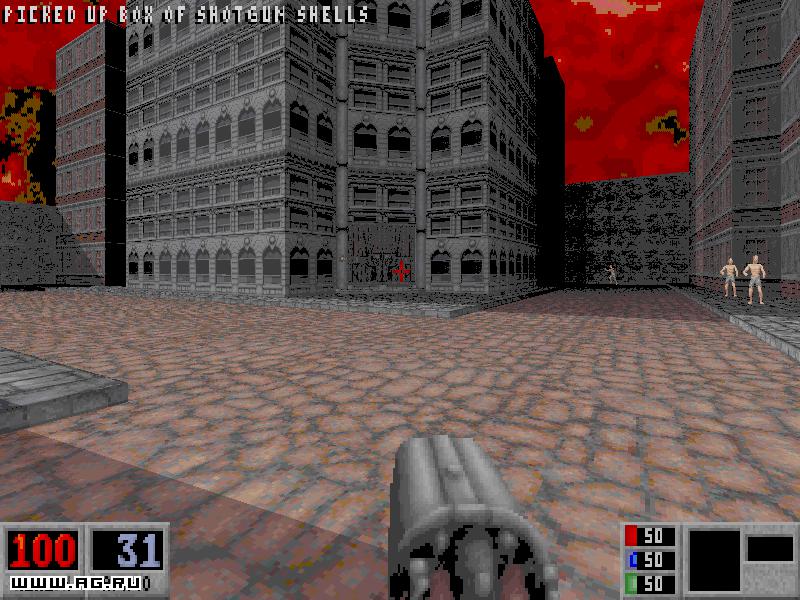
Blood, a 1997 Build engine classic, reveled in its unapologetic gore, dark humor, and frantic first-person shooter action. As the undead gunslinger Caleb, players navigated a world infested with cultists and monsters, dispatching them with a gruesome arsenal and sardonic one-liners. Its challenging level design, secret-filled environments, and over-the-top violence captured the raw energy of its era, becoming a beloved entry in the pantheon of 'boomer shooters'.