
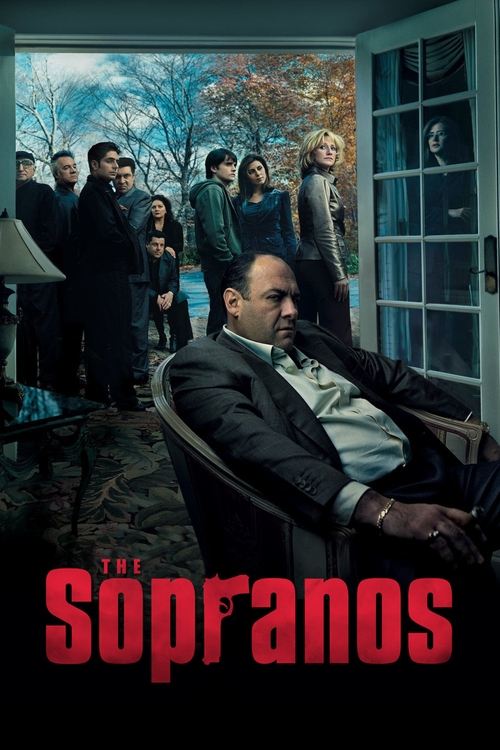
1. The Sopranos
Before Tony Soprano, you didn't really think of a cable show as an event. HBO went all-in, gave us a deeply flawed, utterly compelling anti-hero, and proved that television could tackle the kind of moral ambiguity and character depth previously reserved for the big screen. It was raw, it was smart, and it set the bar for the cinematic drama that followed. This was appointment viewing, no question.
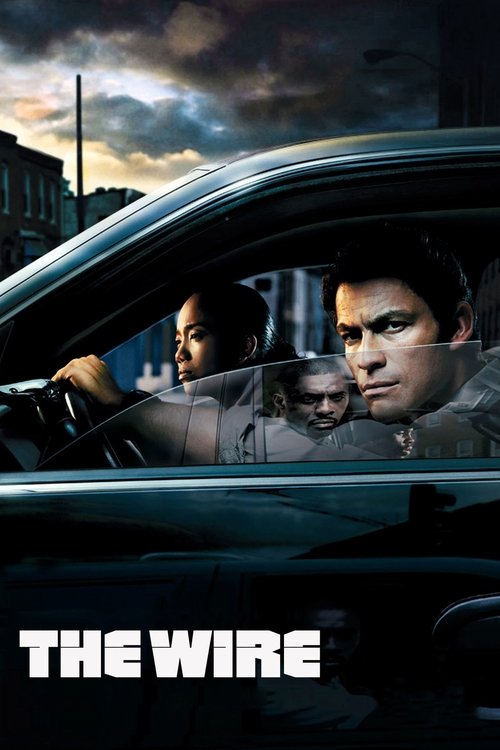
2. The Wire
Look, *The Wire* wasn't just a cop show; it was a sprawling, novelistic examination of an American city, told from every angle. Its ensemble cast was immense, its storytelling meticulous, and it respected your intelligence enough to let narratives unfold slowly. It eschewed easy answers, showing systemic failures rather than simple villains. This show basically invented the idea of TV as social literature.
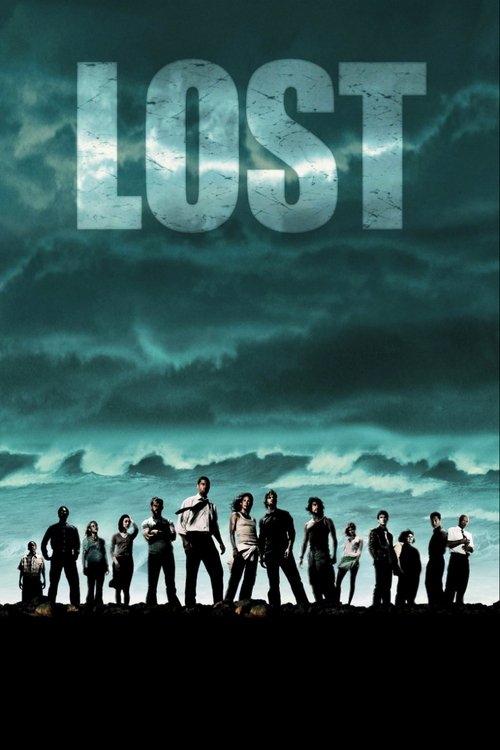
3. Lost
On network TV, *Lost* was a phenomenon. It took the serialized mystery box to an extreme, delivering cliffhangers that had everyone talking the next day. The ensemble was huge, and every character got their moment in the sun, even as the plot got wild. It proved that audiences craved complex, long-form mythology, even if it eventually spun out a little. You just had to watch live.
4. Mad Men
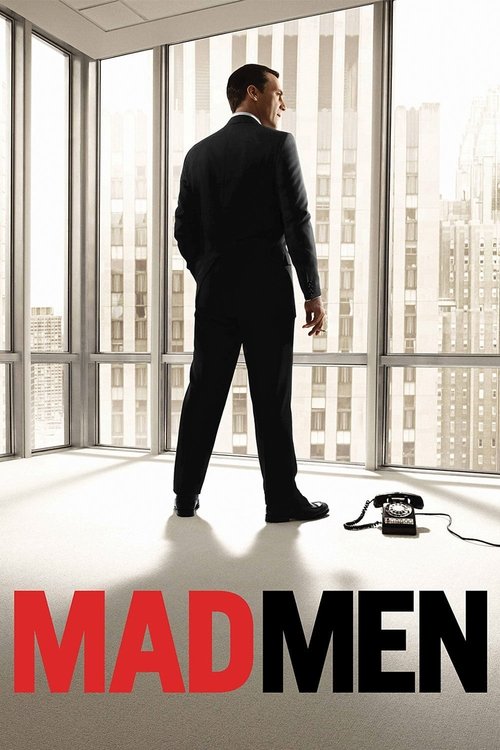
Mad Men was a masterclass in atmosphere and character. It wasn't about big action; it was about the subtle shifts in power and identity in 1960s Madison Avenue. Don Draper was another anti-hero, but a different kind – slick, tormented, endlessly fascinating. The show's visual language was cinematic, its pacing deliberate, and it showed that TV could be as artful and contemplative as film.
5. Breaking Bad
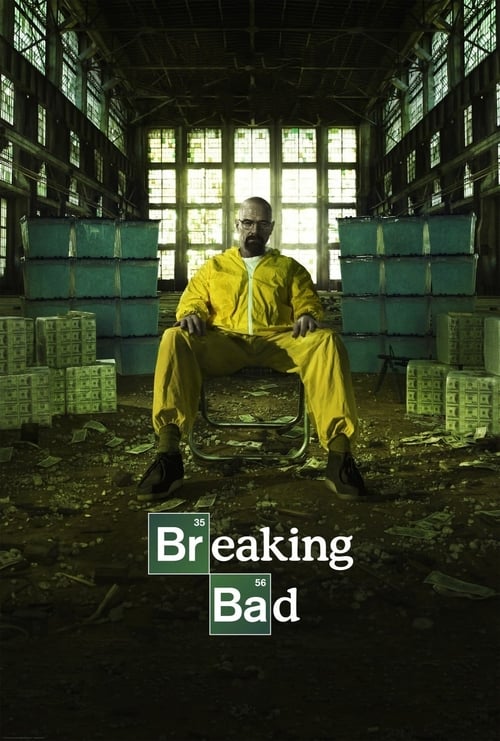
Walter White’s transformation from mild-mannered teacher to drug lord was television gold. *Breaking Bad* took the anti-hero template and cranked it up, building an escalating narrative of moral compromise and consequence. The cinematography was top-tier, the tension relentless, and it pushed storytelling to its absolute limit. This was prestige drama at its most intense, a true operatic descent into darkness.
6. Arrested Development
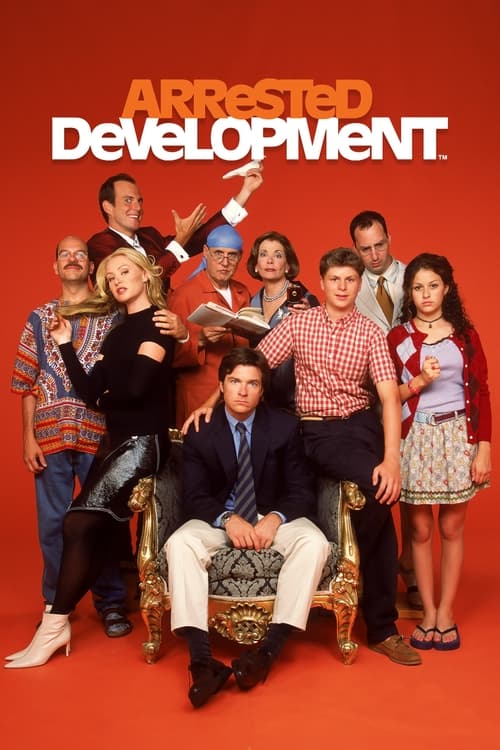
Before every other comedy tried it, *Arrested Development* nailed the mockumentary style with a singular, frenetic energy. Its humor was dense, referential, and demanded repeat viewings to catch every joke. The Bluth family was a dysfunctional masterpiece. It struggled on network TV, sure, but its influence on modern comedy is undeniable. This was the blueprint for smart, self-aware sitcoms.
7. The Office
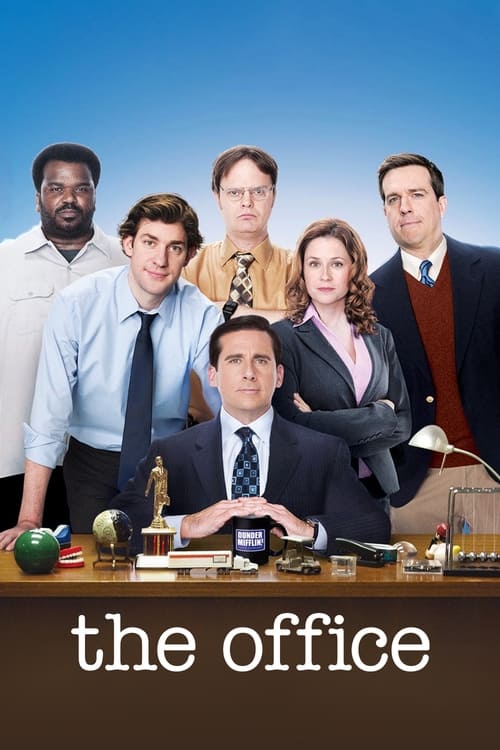
The Office didn't invent the mockumentary, but it certainly perfected it for a mainstream American audience. It took the mundane world of paper sales and found relatable, often cringeworthy, humor in it. The ensemble cast was iconic, and it balanced laugh-out-loud comedy with genuine heart. It showed how character-driven storytelling could make a workplace feel like home, even a painfully awkward one.
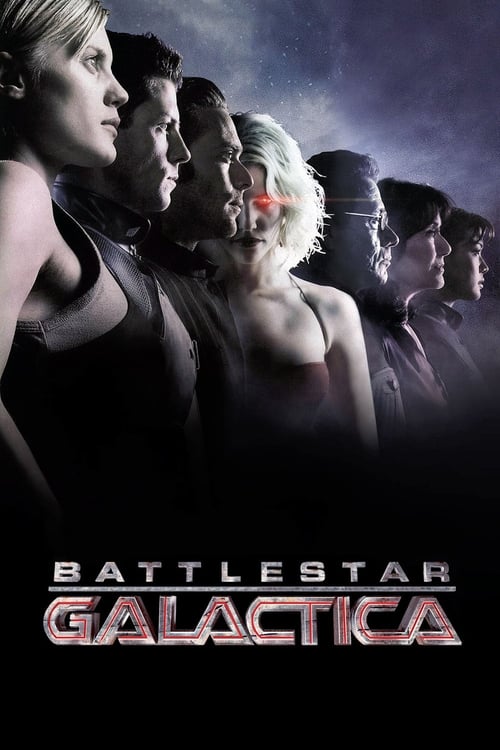
8. Battlestar Galactica
Forget everything you thought about sci-fi reboots. *Battlestar Galactica* was a gritty, politically charged space opera that tackled terrorism, faith, and survival with unflinching honesty. It was serialized, dark, and utterly compelling, far removed from its campy predecessor. This show proved that genre television could be just as intellectually rigorous and dramatically rich as any prestige drama. It was a revelation.
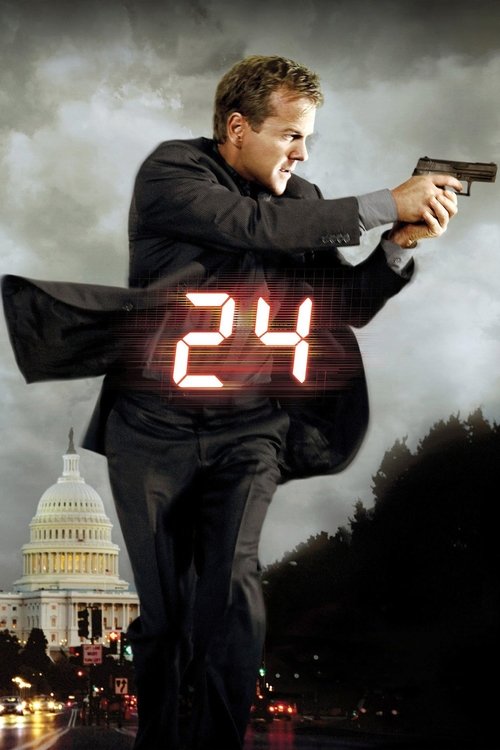
9. 24
24 was a game-changer purely for its real-time format, giving network television a jolt of adrenaline and urgency. Each episode was an hour in Jack Bauer’s impossibly bad day, packed with twists and cliffhangers. It proved that network TV could embrace high-stakes, serialized narratives, forcing viewers to tune in week after week. It was propulsive, often ludicrous, but undeniably addictive.
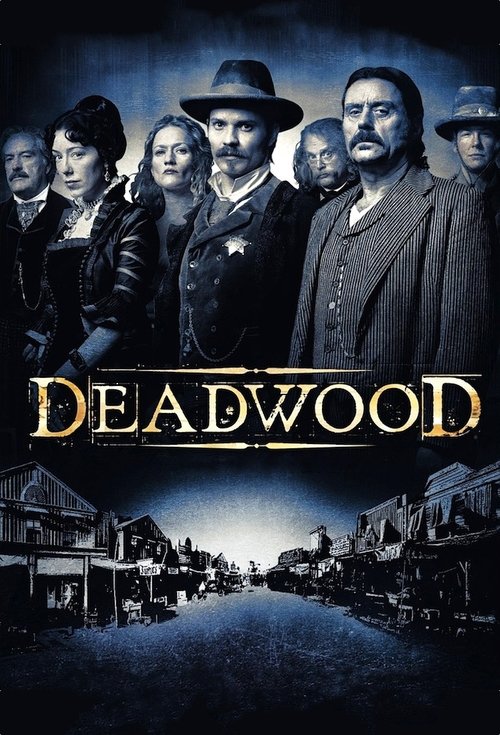
10. Deadwood
HBO took a Western, pumped it full of Shakespearean dialogue, and gave us *Deadwood*. It was raw, brutal, and beautifully written, painting a vivid, unromanticized picture of the American frontier. The ensemble was phenomenal, and the language itself was a character. It was a show that embraced its cable freedom, delivering a distinct, uncompromising vision that still resonates with its sheer artistic guts.