

1 / 10
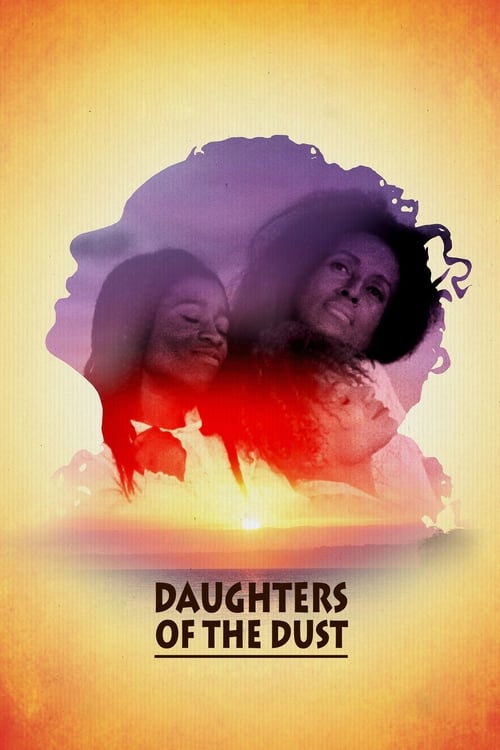
1. Daughters of the Dust
Julie Dash's lyrical masterpiece, often overlooked, captures a Gullah family's crossroads in 1902. Its visual poetry and non-linear storytelling were groundbreaking, influencing countless works that followed. This film is a deeply spiritual exploration of identity, heritage, and the painful beauty of transition, all set against stunning coastal landscapes. It's a vital piece of Black cinematic history that streaming algorithms rarely surface, but its quiet power resonates profoundly.
2 / 10

2. The Man Who Fell to Earth
David Bowie's alien, Thomas Jerome Newton, anchors this gorgeous, melancholic sci-fi odyssey. Nicolas Roeg’s direction creates a disorienting, dreamlike atmosphere as Newton’s mission to save his dying planet is corrupted by human vices. It’s less about spaceships and more about alienation, consumerism, and the fragility of identity. Bowie’s iconic performance makes it unforgettable, a truly unique piece of 70s cinema that's still oddly relevant.
3 / 10
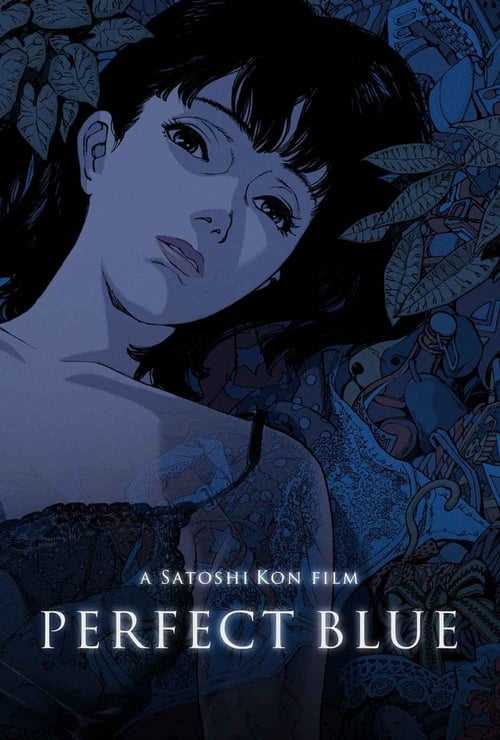
3. Perfect Blue
Satoshi Kon's animated psychological thriller is a mind-bending descent into a pop idol's crumbling reality. As Mima transitions from J-pop star to actress, the line between her public persona, private life, and violent fantasy blurs. This film is a chilling, prescient commentary on celebrity, obsession, and the internet's distorting power, predating many live-action thrillers it clearly inspired. It’s a masterclass in tension and narrative trickery.
4 / 10
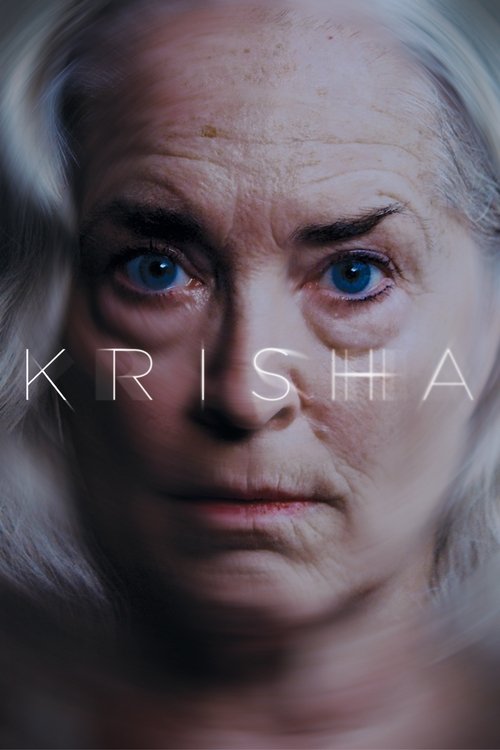
4. Krisha
Trey Edward Shults’ raw, visceral debut is an unflinching look at addiction and family dysfunction during a Thanksgiving gathering. Krisha Fairchild delivers a powerhouse performance as the titular character, desperate for acceptance but sabotaged by her past. The film’s claustrophobic cinematography and escalating tension make it a harrowing, deeply personal experience. It’s an independent gem that grabs you by the throat and doesn't let go, a true showcase of indie filmmaking.
5 / 10
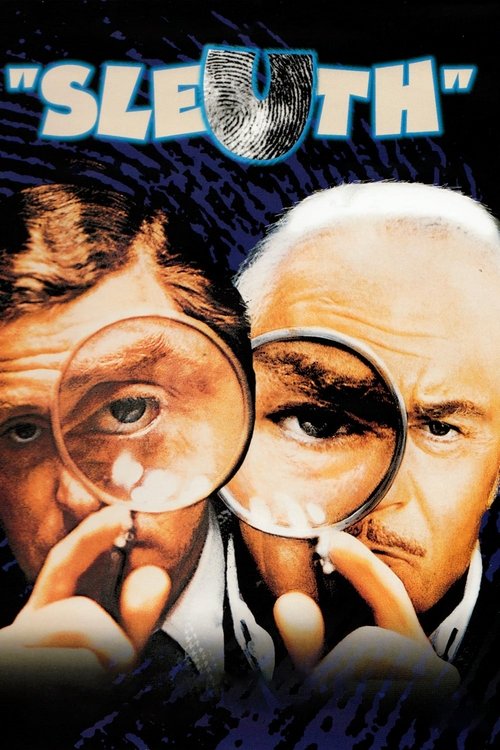
5. Sleuth
This brilliant two-hander pits Laurence Olivier against Michael Caine in a deliciously intricate game of cat and mouse. Joseph L. Mankiewicz directs Anthony Shaffer’s play with exquisite precision, crafting a psychological thriller built on witty dialogue, class warfare, and escalating mind games. It's confined to one elaborate mansion, yet it feels expansive due to the sheer theatricality and the actors' magnetic performances. A truly cerebral delight.
6 / 10
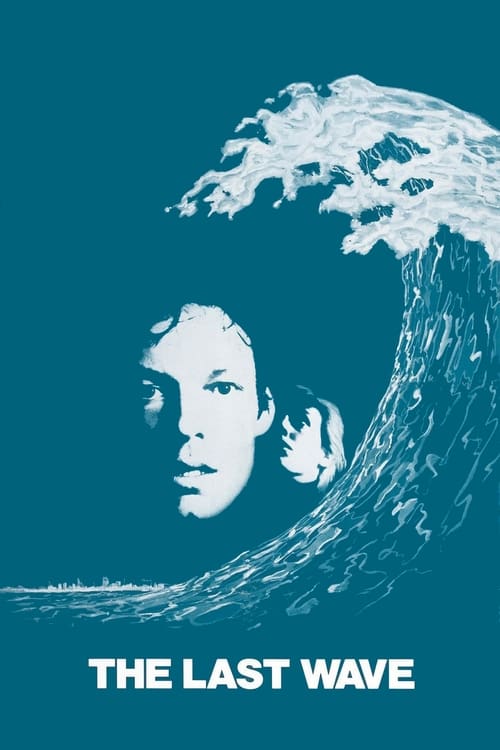
6. The Last Wave
Peter Weir’s early supernatural thriller is a moody, atmospheric journey into Aboriginal mysticism and impending apocalypse. Richard Chamberlain plays a lawyer defending Indigenous men accused of murder, only to discover a profound connection to their ancient prophecies and a looming cataclysm. It’s a slow burn, building dread through stunning visuals and a sense of encroaching spiritual chaos. This film offers a unique, haunting perspective on culture clash and environmental prescience.
7 / 10
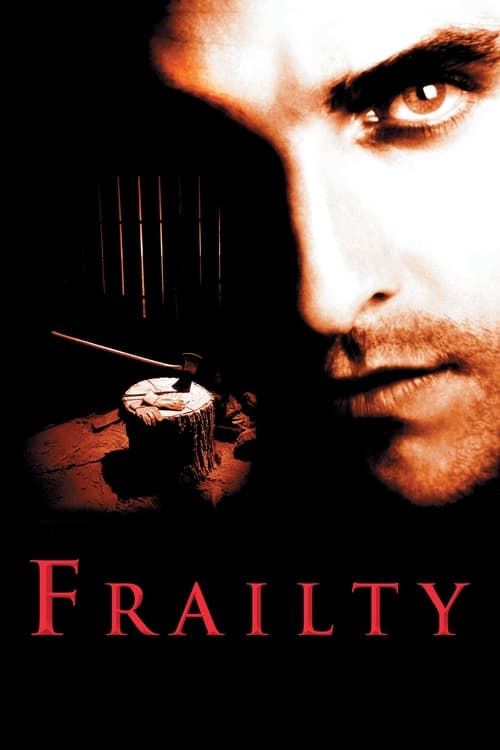
7. Frailty
Bill Paxton directed and starred in this chilling psychological horror film, a Southern gothic tale about two brothers recalling their devout, delusional father who believed he was an angel sent to destroy demons. It’s a masterclass in unsettling atmosphere and narrative twists, exploring faith, abuse, and inherited trauma with terrifying subtlety. This film sticks with you long after the credits roll, a genuinely disturbing and underrated gem.
8 / 10

8. Ganja & Hess
Bill Gunn's avant-garde blaxploitation-meets-vampire film is a surreal, poetic exploration of addiction, spirituality, and Black identity. Duane Jones plays an anthropologist who becomes immortal after being stabbed with an ancient dagger, initiating a seductive, horrific journey with his assistant's widow, Ganja. It's less a horror film and more a hypnotic, arthouse meditation, restored in recent years and finally gaining the recognition it deserves.
9 / 10
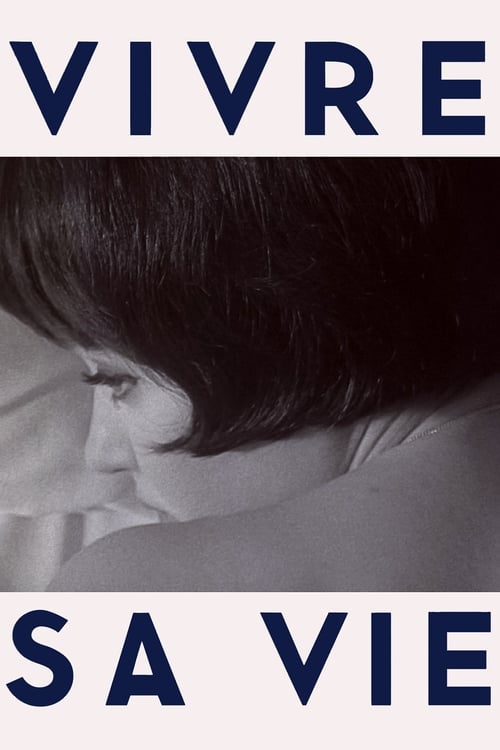
9. Vivre Sa Vie
Jean-Luc Godard's episodic portrait of Nana (Anna Karina), a young woman who turns to prostitution in Paris, is both a stylish New Wave classic and a heartbreaking character study. Told in 12 tableaux, it dissects existentialism, freedom, and the commodification of self with intellectual rigor and stark beauty. Karina’s iconic performance, combined with Godard's innovative technique, makes it a timeless and essential piece of French cinema.
10 / 10

10. My Dinner with Andre
Louis Malle's film is essentially a two-hour conversation between actors Wallace Shawn and Andre Gregory, playing heightened versions of themselves. They discuss life, art, philosophy, and the search for meaning over dinner. It’s an audacious, minimalist experiment that proves dialogue alone can be utterly captivating. For those who appreciate intellectual sparring and profound reflection, this film is a refreshing, deeply engaging experience.