

1 / 10
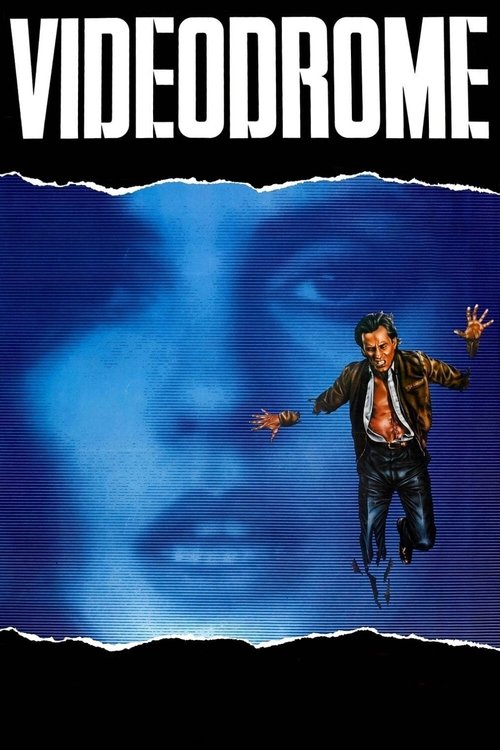
1. Videodrome
David Cronenberg’s 1983 masterpiece feels more relevant with each passing year, predicting our contemporary obsession with digital realities and media saturation. James Woods’ Max Renn tumbles into a nightmarish rabbit hole where television literally takes over the body. It's a grotesque, philosophical trip that streaming algorithms rarely surface, probably because its raw, squelchy vision of media as a virus is too uncomfortably honest. A truly surreal, groundbreaking piece of cinema that demands viewing.
2 / 10
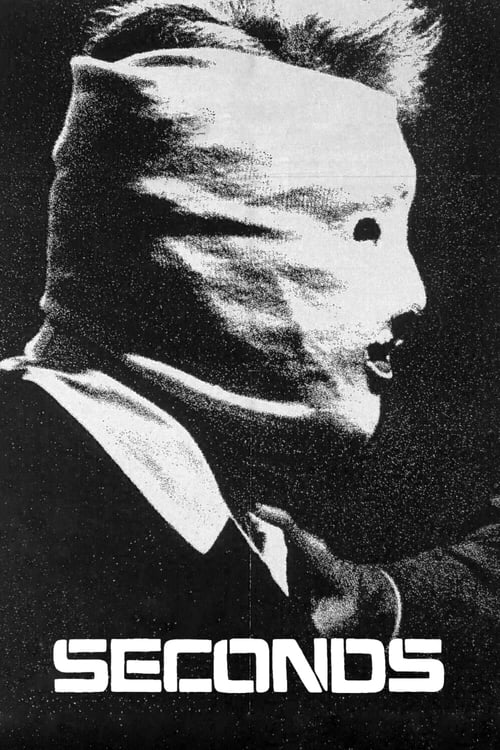
2. Seconds
John Frankenheimer's 1966 psychological thriller is a chilling peek into identity and reinvention gone wrong. Rock Hudson, shedding his matinee idol image, plays a man who fakes his death for a new life, only to find the new self just as empty, if not more so. The stark black and white cinematography and the unsettling premise about escaping your own existence resonate deeply. It's a forgotten gem that pre-dates many modern anxieties about personal transformation and societal pressure.
3 / 10
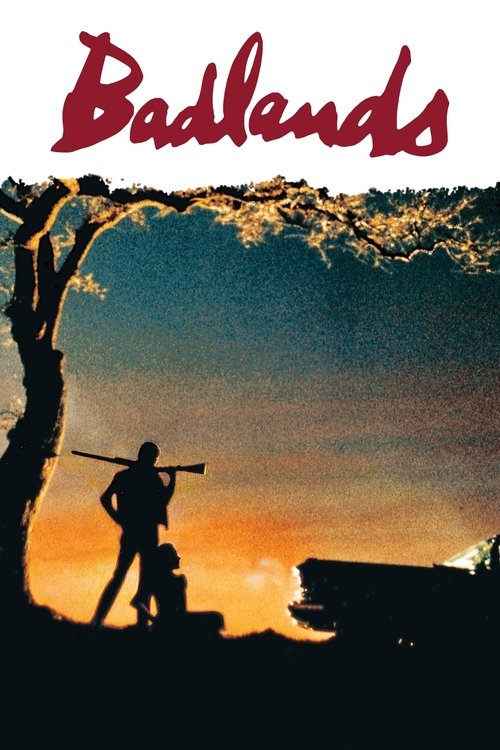
3. Badlands
Terrence Malick’s 1974 debut is a haunting, almost poetic take on a Bonnie and Clyde-esque crime spree. Sissy Spacek and Martin Sheen portray alienated lovers drifting through the American Midwest, their violent acts juxtaposed with Malick’s signature breathtaking natural landscapes. It’s less about the bloodshed and more about the quiet, disturbing banality of evil and the fleeting nature of adolescent rebellion. A foundational piece of New Hollywood that often gets lost in the shuffle of more overtly dramatic crime sagas.
4 / 10
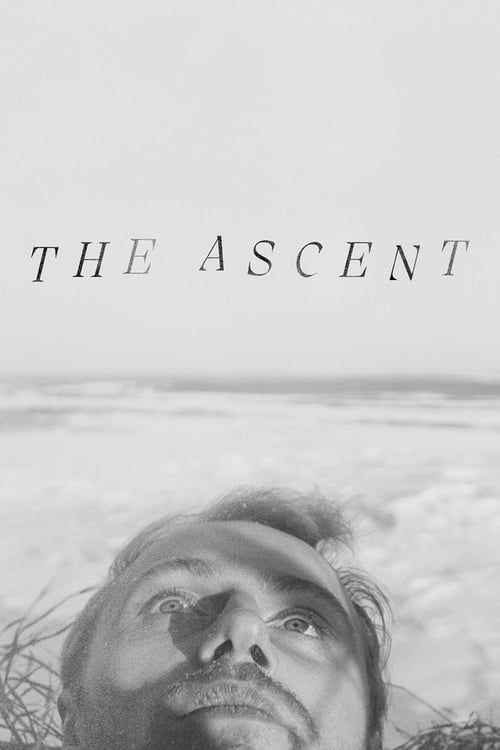
4. The Ascent
Larisa Shepitko's 1977 Soviet war drama is a brutal, profound exploration of human spirit under extreme duress. Set during WWII, two partisans are captured, forcing one to confront his moral limits while the other finds an almost spiritual resilience. The stark, snow-swept landscapes amplify the existential despair and the choices made under unimaginable pressure. It's a harrowing, deeply philosophical film that transcends its historical context, a true masterpiece of world cinema that algorithms rarely understand.
5 / 10

5. Sympathy for Mr. Vengeance
Park Chan-wook's 2002 film, the unofficial start of his "Vengeance Trilogy," is a relentlessly bleak and morally complex spiral of retribution. A deaf-mute man kidnaps a girl to pay for his sister's kidney transplant, triggering a chain of increasingly tragic and violent events. It's a masterclass in escalating tension and consequence, devoid of easy answers or heroes. This South Korean neo-noir is a visceral, unforgettable experience that challenges viewers, a far cry from feel-good streaming fare.
6 / 10
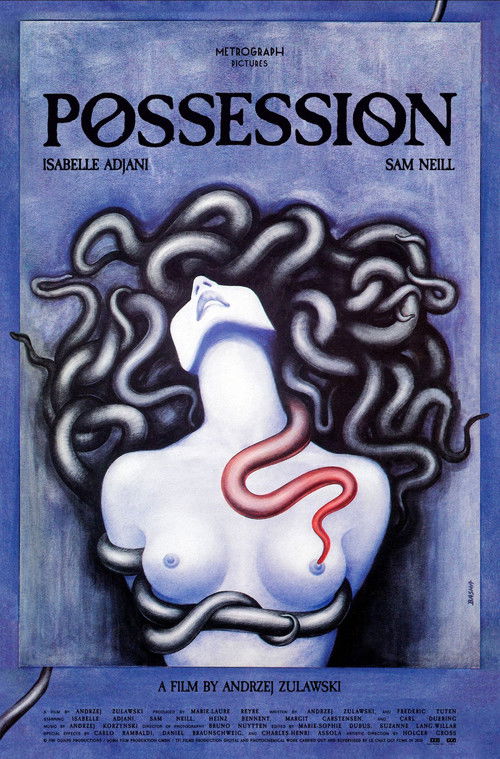
6. Possession
Andrzej Żuławski’s 1981 cult classic is an absolute fever dream of a film, a terrifying, surreal descent into the psychological abyss of a crumbling marriage. Isabelle Adjani's iconic, visceral performance as a woman unraveling is unparalleled, embodying pure, raw anguish. It's body horror, psychological drama, and relationship allegory all rolled into one chaotic, unforgettable package. This film is too uncomfortably intense, too aggressively weird, for most mainstream streaming curation.
7 / 10
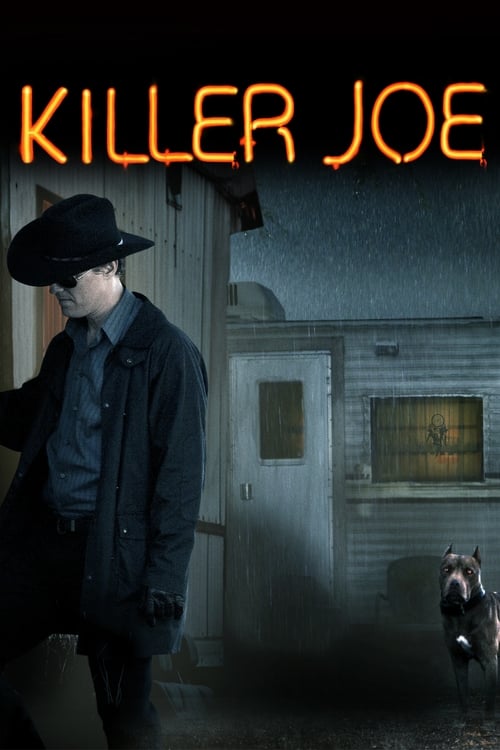
7. Killer Joe
William Friedkin’s 2012 neo-noir is a grimy, pitch-black slice of Southern Gothic Americana. Matthew McConaughey delivers a chilling performance as the titular hitman, Joe Cooper, whose arrival throws a trailer park family's desperate murder plot into a violent, darkly comedic tailspin. It's unflinching, deeply unsettling, and often grotesque, a raw portrayal of poverty and desperation. This film is certainly not for everyone, but its audacious storytelling and performances are undeniable.
8 / 10

8. Wake in Fright
Ted Kotcheff's 1971 Australian New Wave classic is a sun-baked nightmare of toxic masculinity and societal decay. A schoolteacher gets stranded in a remote outback town, slowly succumbing to its boozy, aggressive, and utterly alien culture. It's a relentless psychological thriller that peels back the veneer of civility to reveal something primal and disturbing. The film’s raw, unflinching portrayal of excess and isolation is a powerful, yet often overlooked, cinematic punch to the gut.
9 / 10
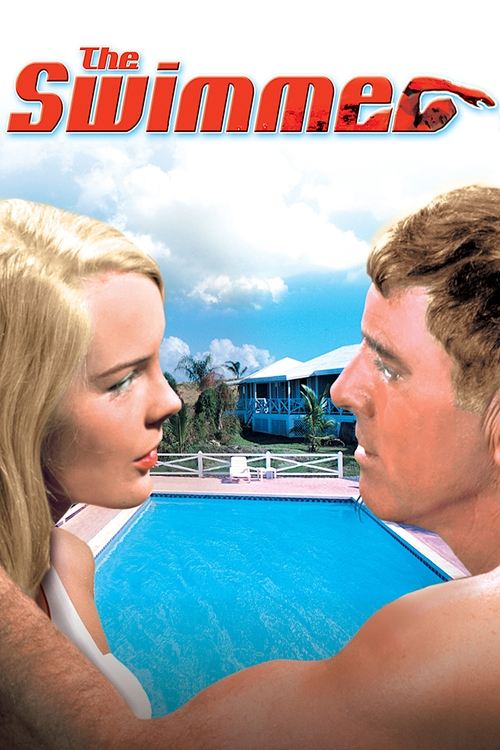
9. The Swimmer
Frank Perry's 1968 film is a bizarre, melancholic, and deeply unsettling critique of the American Dream. Burt Lancaster plays Ned Merrill, a man who decides to "swim" home by traversing his wealthy neighbors' pools, encountering increasingly surreal and painful truths about his life along the way. It’s a beautifully shot, existential character study that feels like a prolonged anxiety attack. Its unique narrative and dreamlike quality make it a singular, often forgotten, cinematic experience.
10 / 10
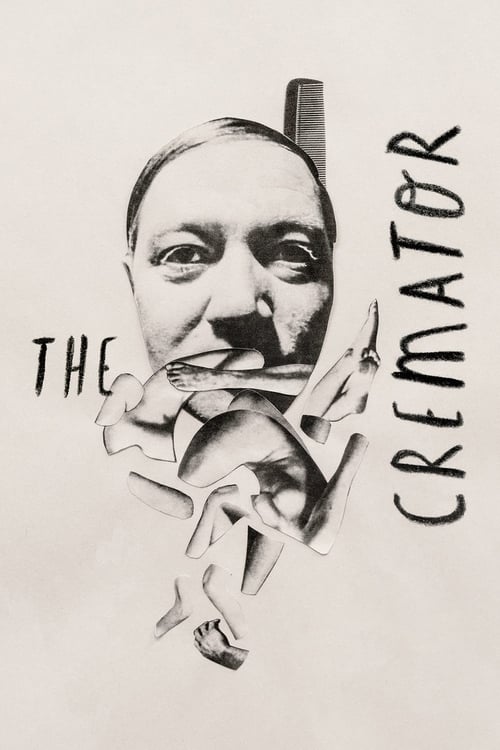
10. The Cremator
Juraj Herz’s 1969 Czech New Wave masterpiece is a chilling, darkly comedic horror film dressed as a psychological character study. Karel Roden plays a cremator whose obsession with death and his bizarre philosophy spirals into madness, coinciding with a rising totalitarian regime. It’s a uniquely unsettling blend of satire, expressionism, and pure dread. This film is a brilliant, unsettling allegory that defies easy categorization and remains profoundly disturbing, rarely highlighted by today's platforms.