
1 / 10

1. Pong (1972)
Pong wasn't just a game; it was a phenomenon, the spark that ignited an entire industry. Its stark, minimalist design, featuring two paddles and a bouncing square, proved that interactive entertainment held immense appeal. This simple arcade cabinet, often found in bars and bowling alleys, introduced millions to the very concept of digital play. It democratized video games, making them a public, shared experience, laying the foundational groundwork for every console and computer game that followed.
2 / 10
2. Space Invaders (1978)
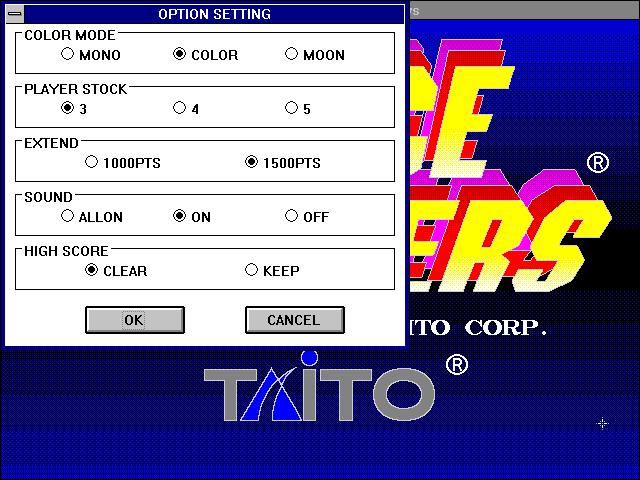
Suddenly, arcades were bustling with a new kind of tension. Space Invaders, with its relentless descent of pixelated aliens and escalating difficulty, captivated players globally. It popularized the high-score chase, transforming casual play into a competitive public spectacle. People lined up, quarters in hand, eager to test their reflexes and strategy against the ceaseless alien threat. This title solidified the arcade as a cultural hub, proving gaming could be a compelling, communal event.
3 / 10
3. Pac-Man
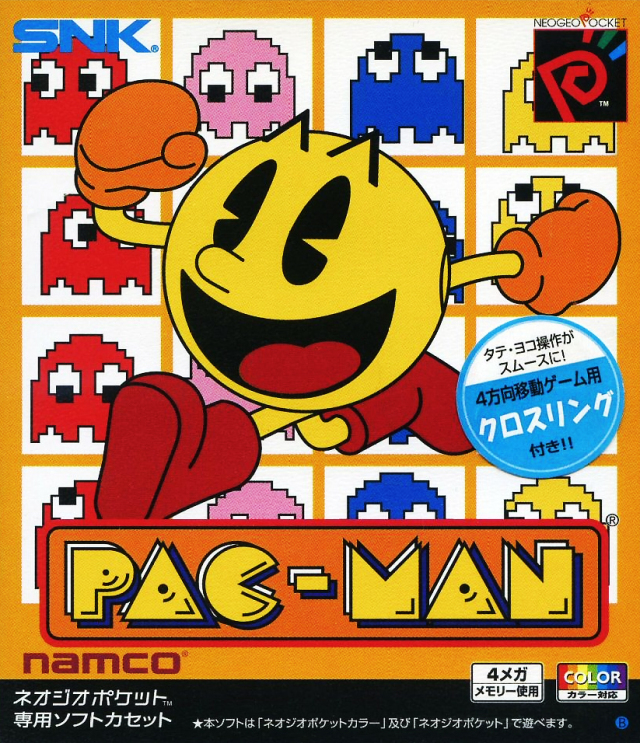
Pac-Man transcended gaming, becoming a bona fide pop culture icon. Its simple yet brilliant maze-chasing premise, coupled with its charming character, drew in a wider, more diverse audience than previous arcade hits. The game’s design, focusing on evasion and consumption rather than pure destruction, offered a different kind of thrill. It proved that video games could be universally appealing, a phenomenon embraced by everyone, not just a niche demographic.
4 / 10
4. Super Mario Bros.
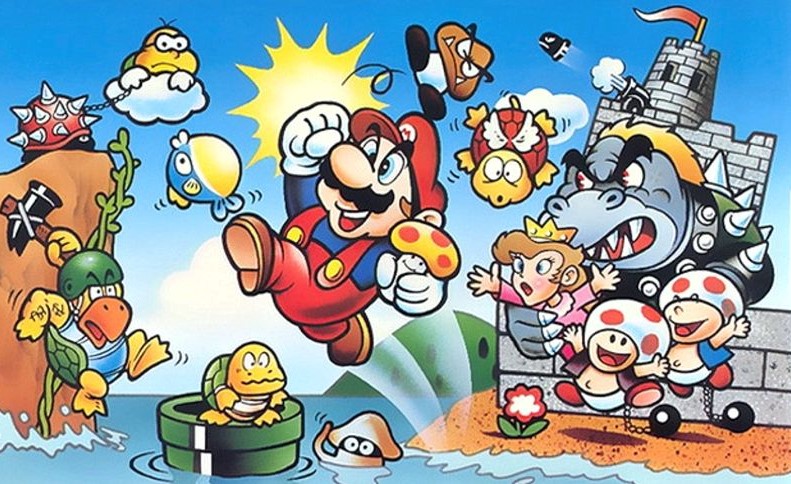
After the 1983 crash, Super Mario Bros. didn't just sell consoles; it resurrected an entire industry. Its revolutionary side-scrolling platforming, intricate level design, and precise controls established a new benchmark for home entertainment. Shigeru Miyamoto's creation taught players how to move, jump, and explore in a digital world, setting standards still referenced today. It became a cultural touchstone, a joyful, challenging adventure that defined a generation's understanding of video games.
5 / 10

5. Tetris (1984)
Tetris, a deceptively simple puzzle game from the Soviet Union, became a global phenomenon without a single word of dialogue or complex character. Its universal appeal lay in its pure, addictive mechanics: rotating falling blocks to clear lines. It transcended cultural barriers, appearing on nearly every platform imaginable. The game's enduring design, a blend of strategy and quick thinking, solidified its place as a timeless classic, continually captivating new generations with its elegant challenge.
6 / 10

6. DOOM (2016)
The 2016 reboot of DOOM proved that a classic could be revitalized without sacrificing its core identity. It was a masterclass in visceral action, trading slow, cover-based shooting for relentless, aggressive combat. This iteration wasn't just a nostalgic trip; it innovated on the genre, rewarding forward momentum and close-quarters glory kills. It demonstrated how to honor legacy while forging a new path, reaffirming DOOM's place as a benchmark for intense, satisfying first-person shooters.
7 / 10
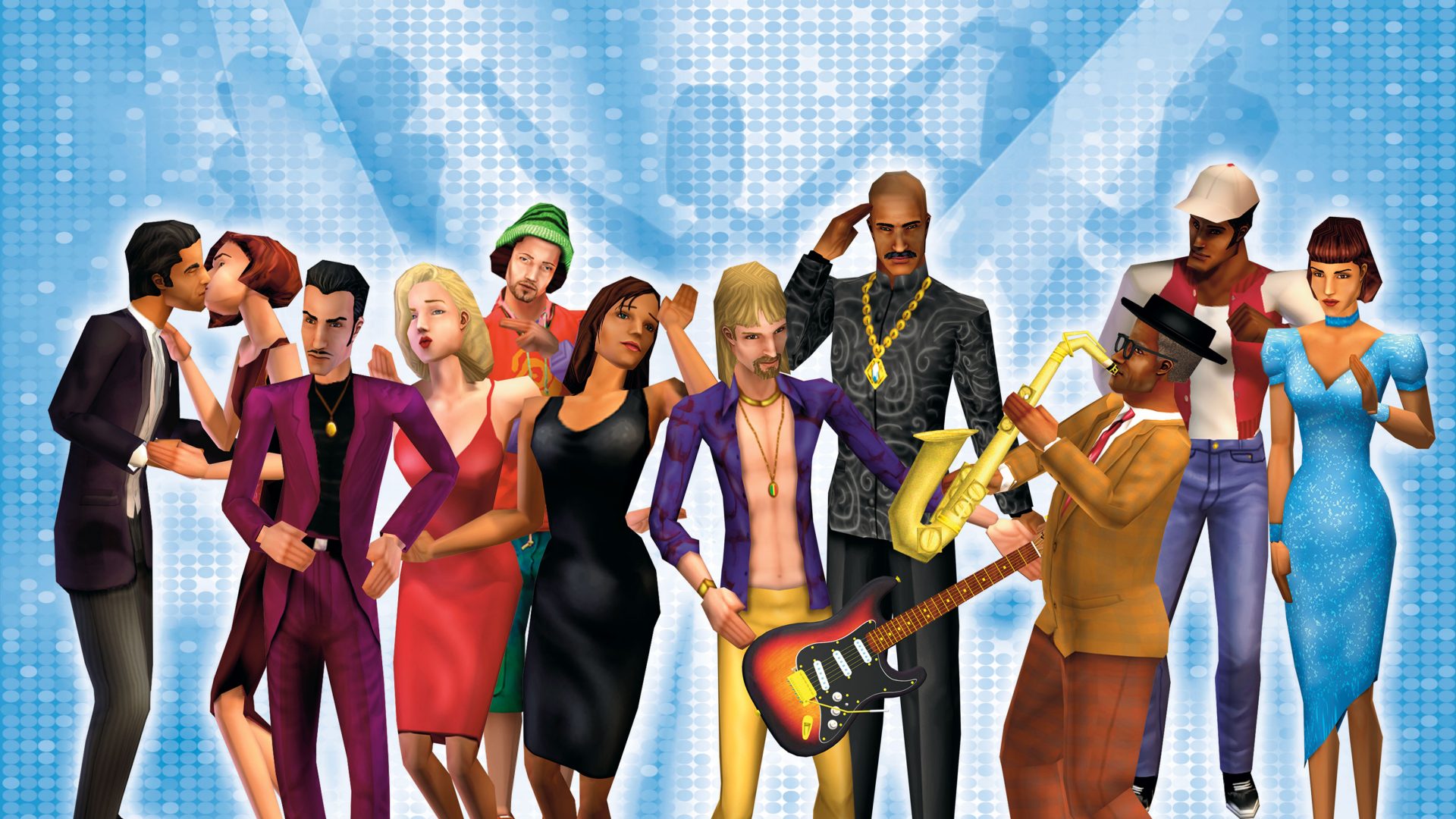
7. The Sims
The Sims offered something fundamentally different: life simulation. It wasn't about winning or losing, but about creating stories, building homes, and managing virtual lives. This open-ended, sandbox approach appealed to an incredibly broad audience, extending far beyond typical gamer demographics. It tapped into a universal human desire for creation and narrative, allowing players to experiment with social dynamics and personal aspirations in a playful, imaginative digital world.
8 / 10
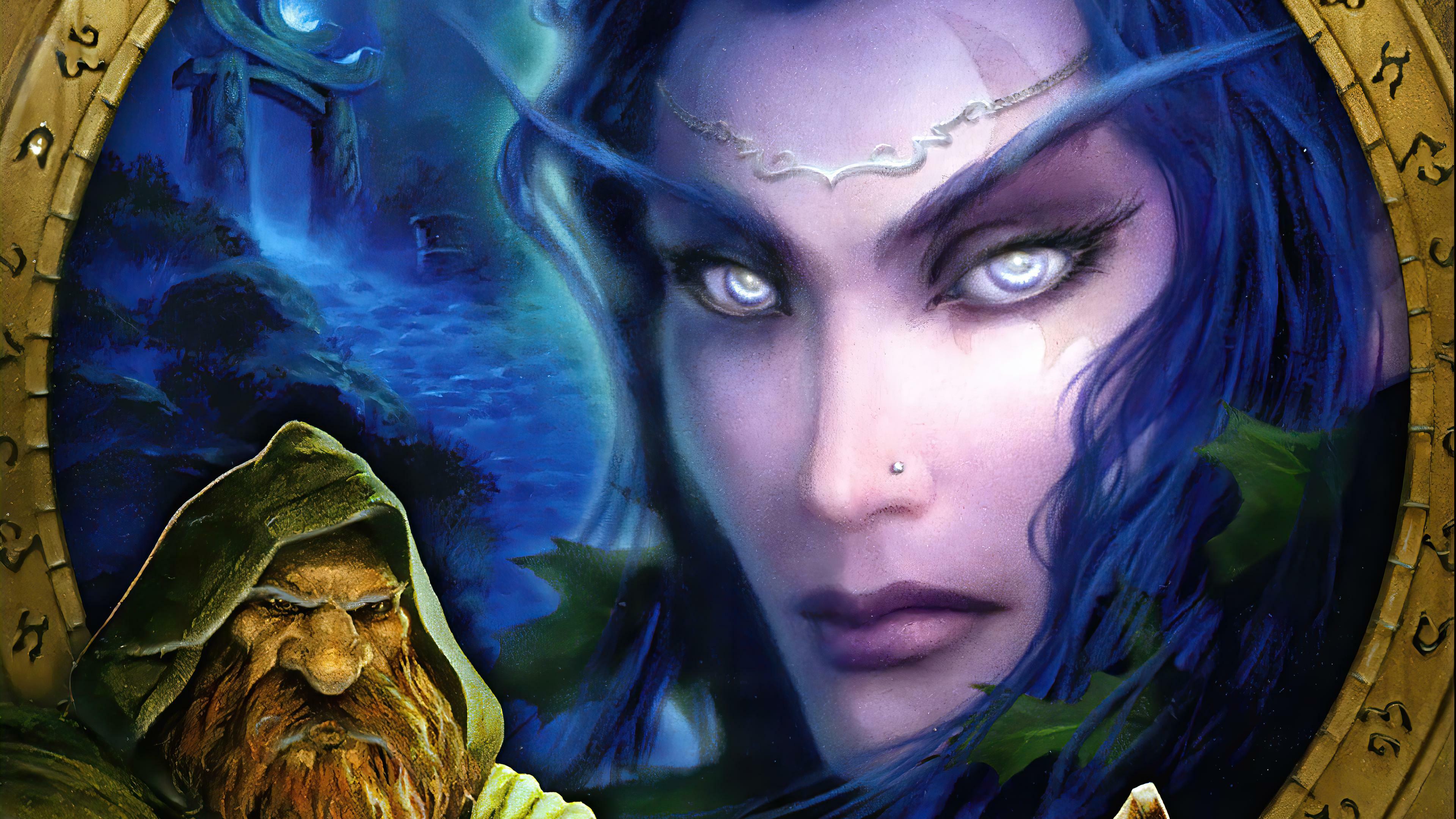
8. World of Warcraft
World of Warcraft wasn't just a game; it was a digital society. Millions worldwide inhabited Azeroth, forming guilds, forging friendships, and experiencing epic narratives together. It redefined the massively multiplayer online genre, proving the power of persistent worlds and complex social economies. WoW became a significant part of many players' identities, influencing real-world relationships and even language, demonstrating the profound social impact a well-crafted virtual world could achieve.
9 / 10
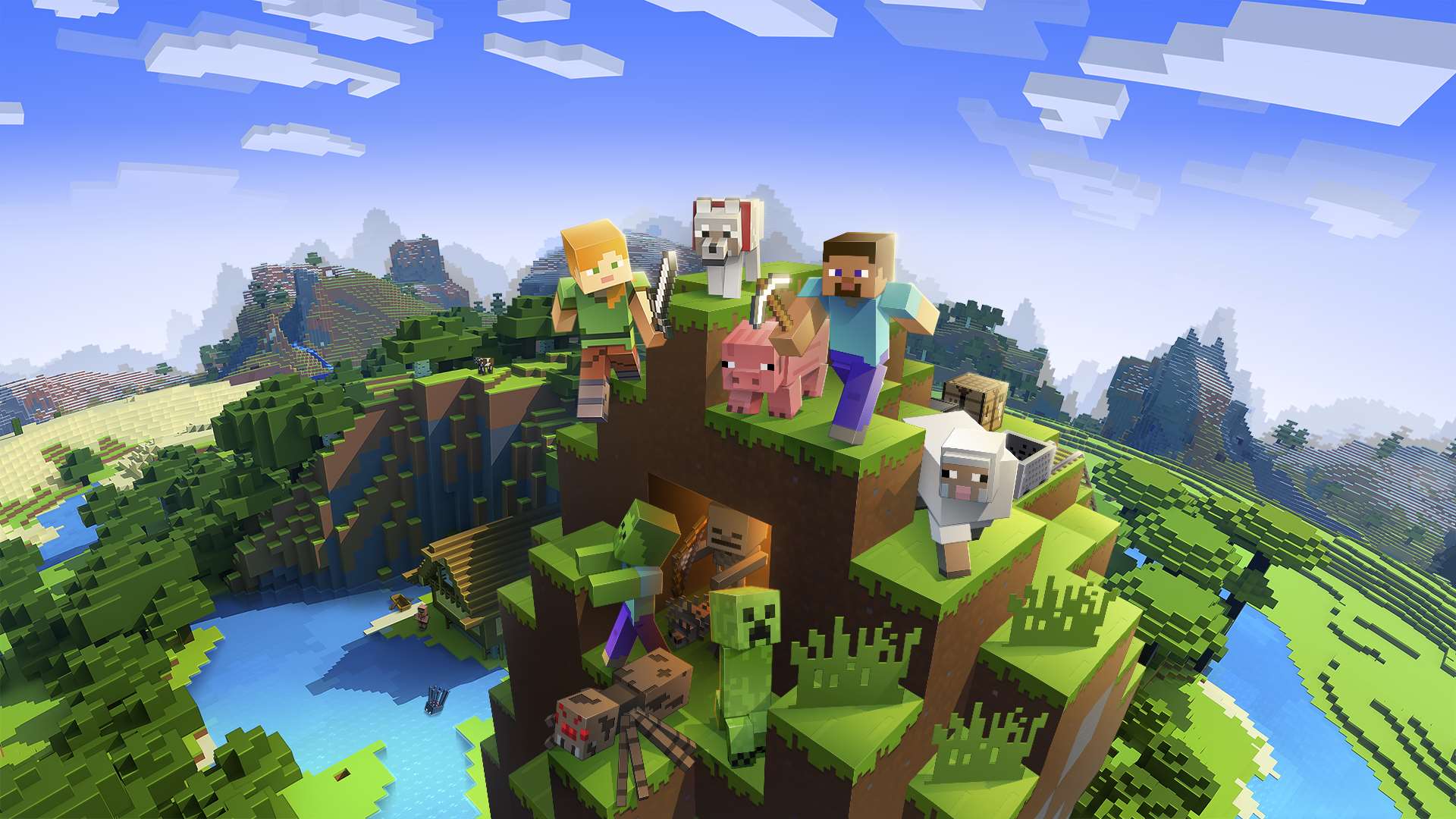
9. Minecraft
Minecraft's blocky aesthetic belied its profound cultural impact. It offered unparalleled creative freedom, a digital canvas where players could build anything imaginable, from simple shelters to sprawling, intricate worlds. This open-ended sandbox experience fostered global communities, inspiring educational initiatives and a new generation of content creators. Minecraft became a fundamental part of childhood for millions, teaching resourcefulness, collaboration, and spatial reasoning through play.
10 / 10
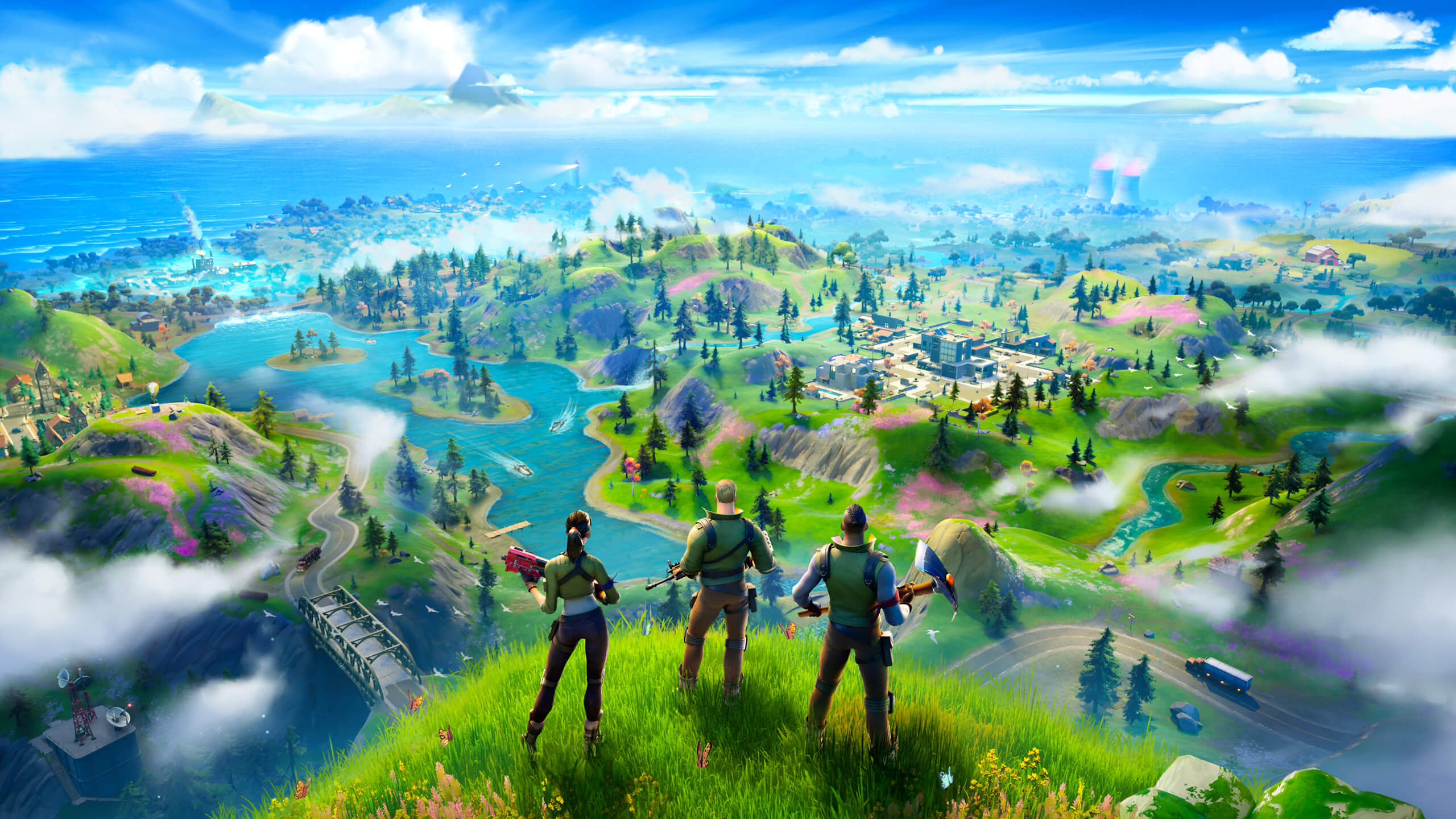
10. Fortnite Battle Royale
Fortnite Battle Royale didn't just popularize a genre; it became a cultural phenomenon, blurring lines between gaming, music, and social media. Its free-to-play model, combined with cross-platform accessibility, brought competitive gaming to the mainstream. Emotes became global dances, virtual concerts drew millions, and a constant stream of updates kept players engaged. Fortnite proved that a game could be a dynamic, evolving social space, constantly reinventing itself and its engagement model.