

1. Pathways into Darkness
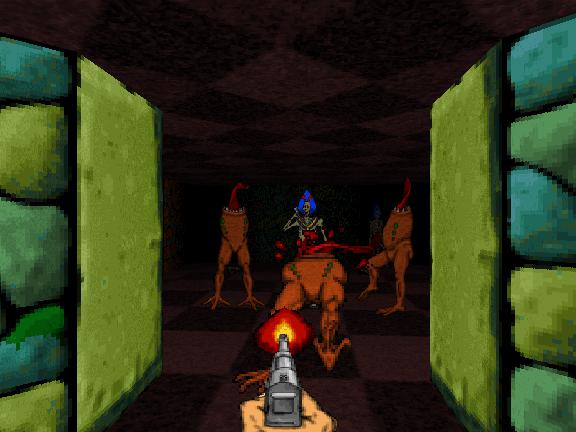
Before Master Chief, Bungie crafted *Pathways into Darkness* for Mac in 1993. This first-person adventure blended early 3D exploration with cryptic lore and survival horror. Players navigated ancient pyramids, deciphering puzzles and fighting mythical creatures under a ticking clock. It quietly influenced immersive games, showcasing Bungie's early mastery of environmental narrative and mood, laying groundwork for their later successes while demonstrating a bold, atmospheric approach to early 3D game design.
2. Vagrant Story (2000)
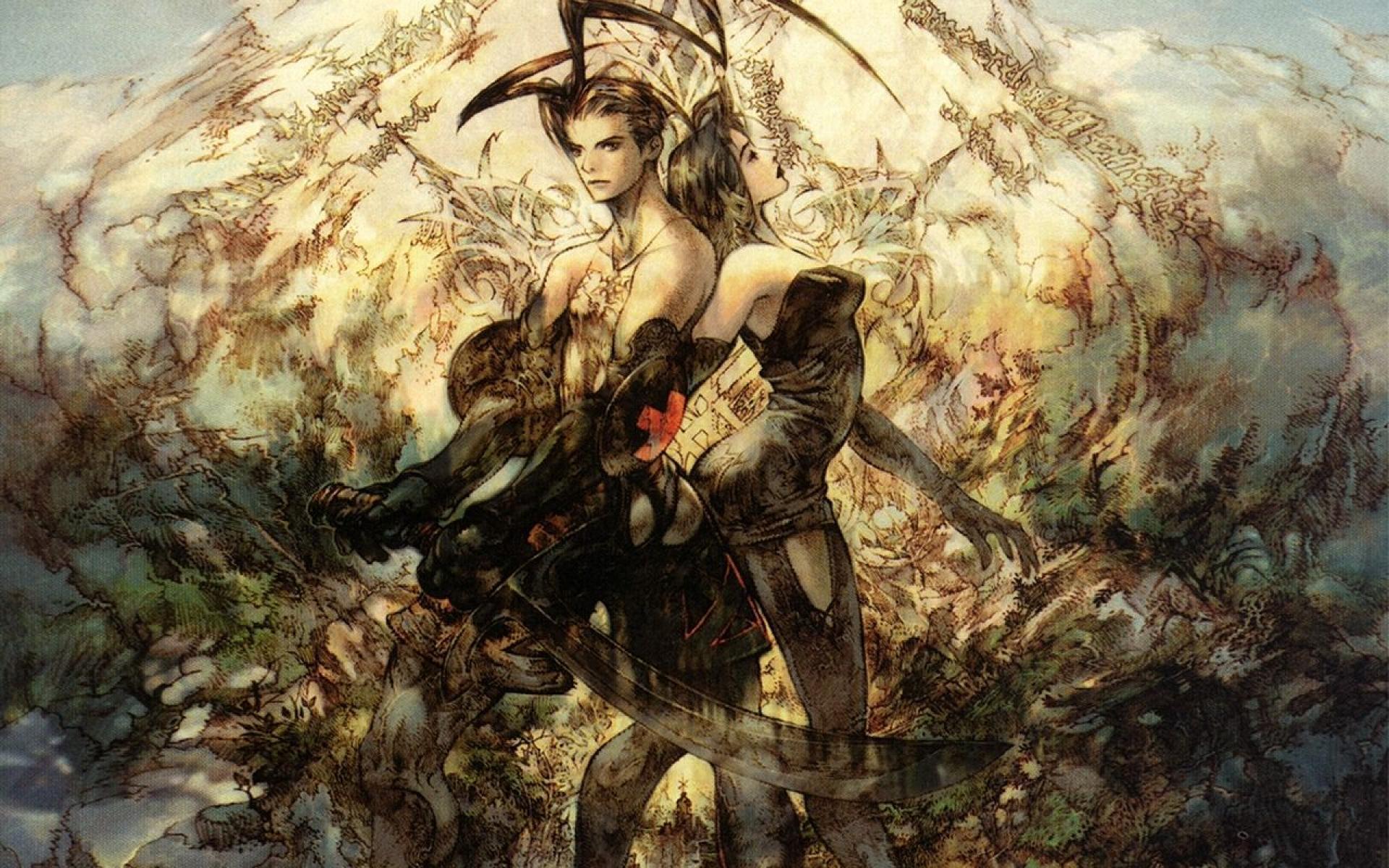
Square's *Vagrant Story* arrived on PlayStation in 2000, pushing the console's graphical limits with a stark, gothic aesthetic. Its combat system was singular, blending real-time action with strategic chain attacks and deep weapon customization. The narrative, a dense political thriller in a cursed city, unfolded through a silent protagonist, eschewing traditional RPG elements. It demanded player engagement with intricate mechanics and dark, mature storytelling, a true cult classic that defied easy categorization, showcasing Square's willingness to experiment.

3. LSD: Dream Emulator
*LSD: Dream Emulator*, a 1998 PlayStation release, remains one of gaming's most bizarre experiments. It's less a game and more an interactive dream journal; players wander through fragmented, unsettling, and unpredictable environments. There are no objectives, just a descent into the subconscious, influenced by a developer's actual dreams. Its subtle influence is pervasive, inspiring countless indie developers to explore abstract narratives and non-traditional game structures, proving games could be profoundly personal and deeply surreal without conventional goals.
4. Majesty: The Fantasy Kingdom Sim
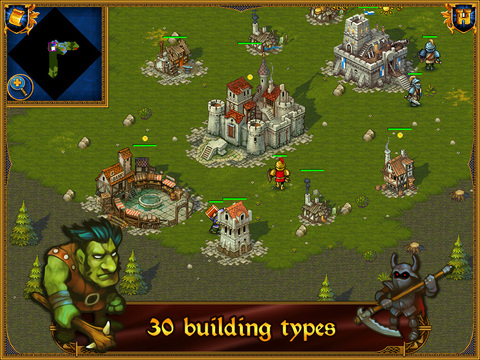
*Majesty: The Fantasy Kingdom Sim*, from 2000, flipped real-time strategy conventions. Instead of direct unit control, players governed by incentivizing heroes with bounties. This indirect approach created dynamic, often chaotic, simulations where adventurers pursued their own motivations. It was a bold departure, forcing players to think like economists rather than generals, influencing a niche of games focused on emergent gameplay and AI behavior. It proved strategy didn't always mean micro-managing, fostering a unique sense of control through clever design.

5. Okami
Clover Studio's *Okami*, released on PS2 in 2006, was a breathtaking blend of Japanese mythology and innovative gameplay. Its sumi-e ink wash art style remains unparalleled, making every frame a living painting. The Celestial Brush mechanic, letting players draw commands directly, was revolutionary, integrating creative expression into combat and puzzles. Though critically acclaimed, it struggled commercially, becoming a bittersweet testament to Clover's genius. Still, its artistic ambition and unique mechanics inspired developers to push visual and interactive boundaries in later years.
6. Cave Story+
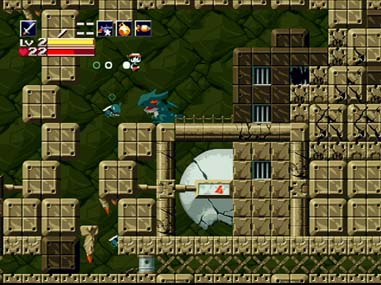
*Cave Story+* represents the commercial evolution of Daisuke "Pixel" Amaya's 2004 freeware masterpiece. This enhanced version brought the charming pixel-art platformer, with its tight controls and compelling Metroidvania design, to a wider audience. Crafted almost entirely by one person, its emotional narrative, challenging combat, and hidden secrets cemented its status as an indie benchmark. It proved that passion and singular vision could rival big-budget productions, kickstarting an era of independent game development that continues to thrive, showing what one creator could achieve.

7. Custom Robo
The GameCube’s *Custom Robo* (2004) offered a delightfully unique blend of action-RPG and arena combat. Players collected and customized miniature fighting robots, assembling them piece by piece with different weapons and abilities. Its engaging single-player story flowed seamlessly into tactical, fast-paced battles, demanding foresight in customization and quick reflexes. An overlooked gem, it fostered a dedicated fanbase, showcasing the potential for deep strategic customization within an action framework. It proved unique mechanics could thrive outside mainstream genres, leaving a distinct legacy.
8. Sanitarium
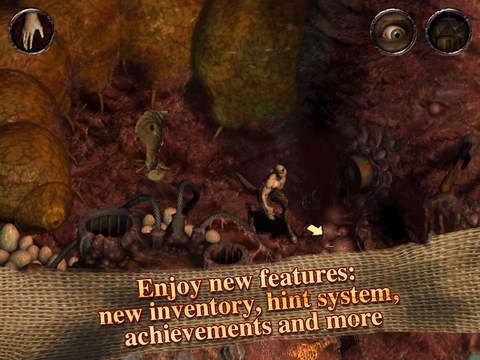
*Sanitarium*, a 1999 PC point-and-click adventure, plunged players into a disturbing psychological horror. Waking in an asylum with amnesia, protagonist Max travels through nightmarish, surreal worlds reflecting his fractured psyche. The game masterfully blended grotesque imagery with profound storytelling, exploring themes of identity, trauma, and madness. It’s a cult classic that pushed interactive narrative boundaries, proving games could be deeply unsettling and intellectually challenging without relying on cheap jump scares, leaving a distinct, haunting mark on psychological horror.
9. Bushido Blade
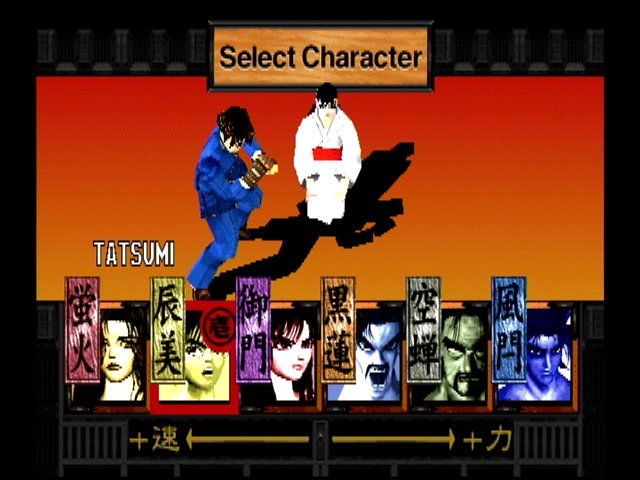
*Bushido Blade*, released on PlayStation in 1997, redefined fighting games with brutal realism. Eschewing health bars and time limits, combat could end in a single, well-placed strike. Emphasis was on posture, weapon choice, and environmental awareness, creating tense, strategic duels distinct from combo-centric fighters. Its unique limb damage system added tactical depth. This cult classic challenged conventions, proving a slower, high-stakes pace could be incredibly engaging, influencing later games seeking realism in combat and leaving a singular legacy in the genre.

10. XIII
*XIII*, from 2003, stood out among early 2000s shooters with its striking cel-shaded graphics and comic book presentation. Every gunshot and explosion was punctuated by onomatopoeia bursting across the screen, immersing players in a graphic novel. Beyond the unique aesthetic, it offered a compelling conspiracy thriller with stealth and action elements. While gameplay was solid, the art style was its true legacy, pioneering a visual approach few games dared to emulate, leaving an indelible mark on how games could visually tell stories with distinct flair.