1. The Conversation
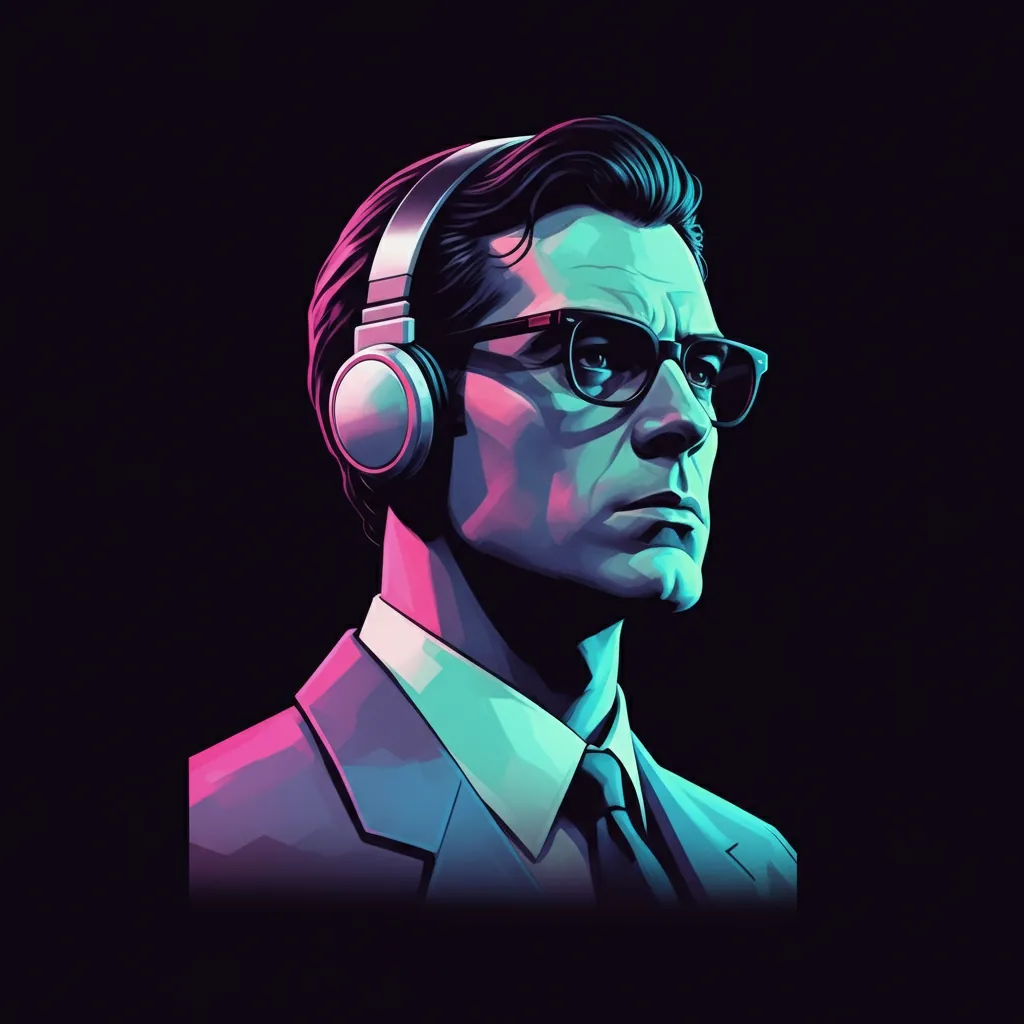
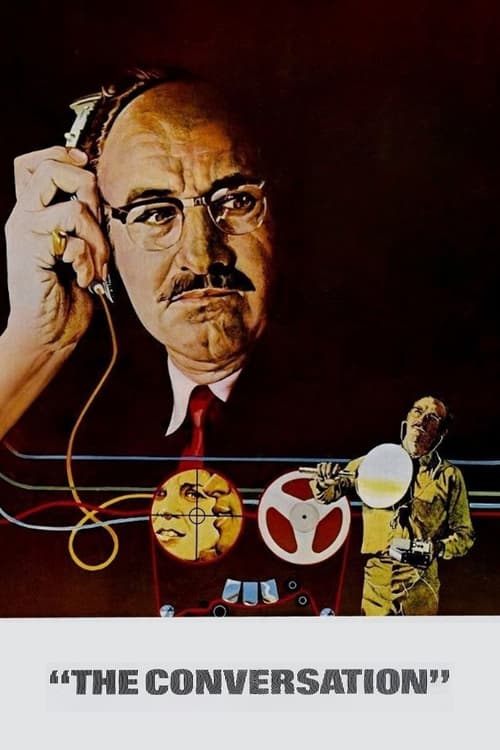
Francis Ford Coppola, amidst his 70s peak, crafted this chilling study of surveillance and paranoia. Gene Hackman’s Harry Caul, a surveillance expert, grapples with a conscience awakened by a murky recording, plunging into a labyrinth of guilt and uncertainty. The film meticulously builds tension through sound design, making the unseen omnipresent, rewriting the rules of the psychological thriller by turning an internal crisis into a societal commentary on privacy and moral decay.
2. Come and See
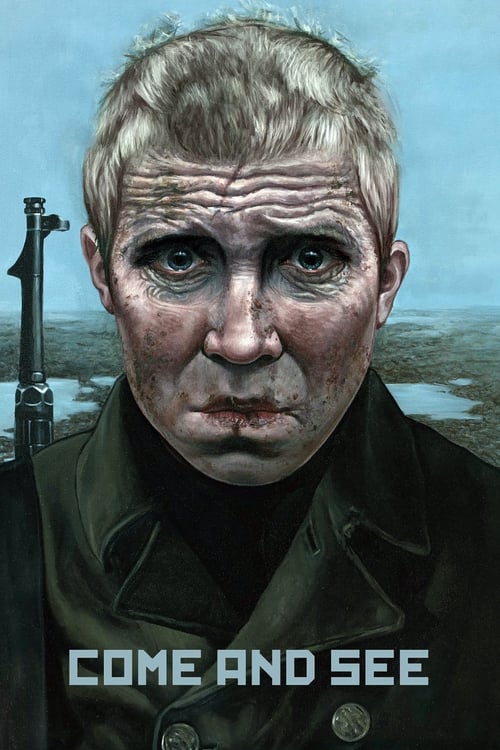
Elem Klimov’s harrowing portrayal of World War II’s Eastern Front is less a war film and more a descent into a waking nightmare. Seen through the eyes of a young boy, Flyora, who rapidly ages under the weight of unimaginable atrocities, it strips away any romanticism of conflict. The film uses a relentless, unflinching realism, bordering on the surreal, to capture the psychological scarring of war, leaving an indelible, deeply unsettling mark on the viewer's psyche.

3. Primer
Shane Carruth's micro-budget debut redefined what independent science fiction could achieve. Two engineers accidentally discover time travel, leading to a dizzying, intellectually demanding narrative that eschews exposition for lavish effects, prioritizing intricate plotting and philosophical quandaries. Its complex, non-linear structure and commitment to scientific plausibility forced audiences to engage deeply, proving that groundbreaking concepts, not spectacle, dictate the future of speculative cinema.
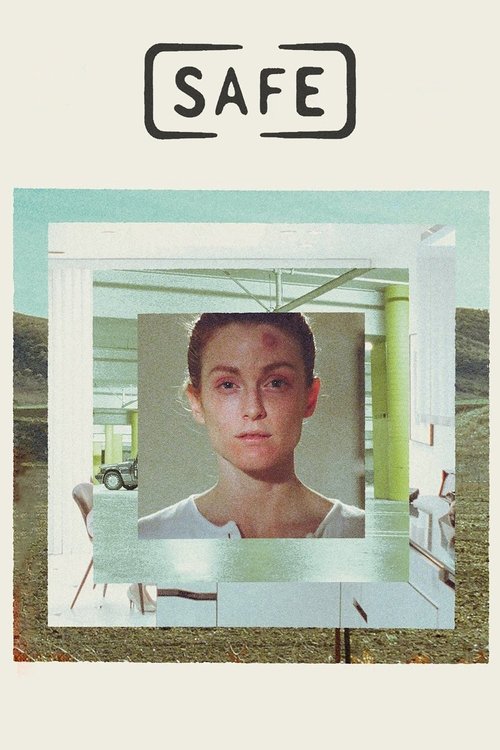
4. Safe
Todd Haynes’ haunting film is a masterclass in quiet dread, exploring environmental illness as a metaphor for societal alienation. Julianne Moore portrays Carol White, a suburban housewife whose debilitating, undiagnosable affliction pushes her to seek refuge in a New Age commune. Haynes uses stark, minimalist aesthetics and a detached, clinical gaze to expose the insidious ways modern life can render individuals vulnerable and invisible, challenging conventional notions of horror and drama.
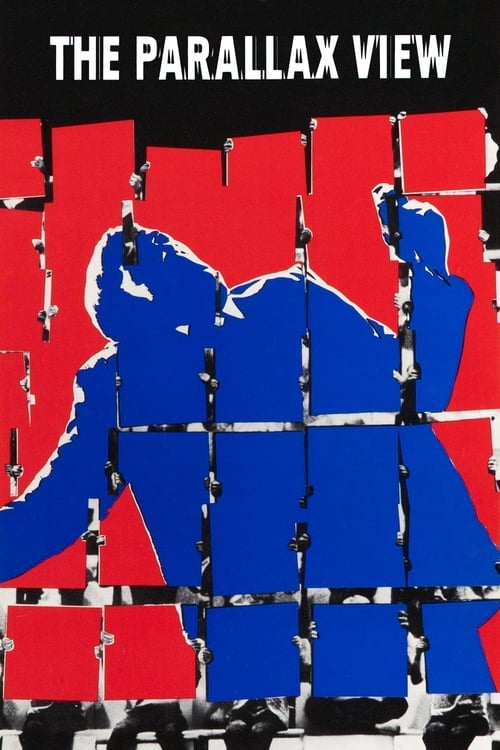
5. The Parallax View
Alan J. Pakula’s second installment in his "paranoia trilogy" dissects the chilling mechanics of political conspiracy. Warren Beatty’s journalist investigates a senator’s assassination, uncovering a vast, faceless organization that recruits disaffected individuals. This film perfected the slow-burn, atmospheric thriller, depicting a world where truth is elusive and power is wielded by unseen forces, firmly establishing a blueprint for a genre steeped in deep-seated governmental mistrust.

6. Possession
Andrzej Żuławski’s cult masterpiece is an emotionally brutal, surrealist exploration of a marriage collapsing. Isabelle Adjani delivers an iconic, visceral performance as Anna, whose terrifying breakdown manifests in increasingly bizarre and monstrous ways. It shatters conventional narrative and genre boundaries, blending horror, drama, and psychological intensity into a raw, uncompromising vision of human anguish, daring audiences to confront the grotesque beauty of despair.

7. Le Samouraï
Jean-Pierre Melville’s minimalist crime drama redefined the cool, stoic hitman archetype. Alain Delon’s Jef Costello, a solitary contract killer, navigates a world of meticulous ritual and betrayal with an almost zen-like detachment. Melville stripped away exposition, relying on visual storytelling and atmosphere to convey character and theme, influencing countless films and cementing the image of the isolated, honor-bound anti-hero as a powerful cinematic force.
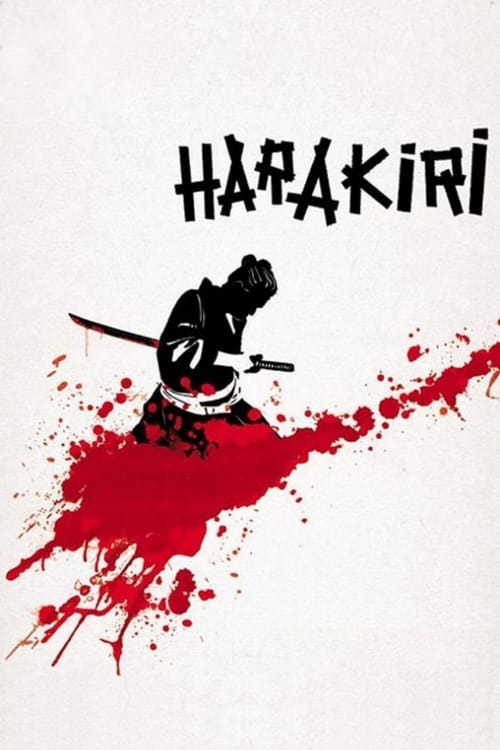
8. Harakiri
Masaki Kobayashi’s profound jidaigeki dissects the hypocrisy and cruelty of the samurai code. A masterless samurai, Hanshiro Tsugumo, seeks to perform ritual suicide at a feudal lord’s compound, revealing a tragic tale of honor, poverty, and vengeance. Its unflinching critique of feudal authority, combined with stunning cinematography and a powerful, non-linear narrative, elevated the period drama into a scathing social commentary, far beyond simple historical spectacle.
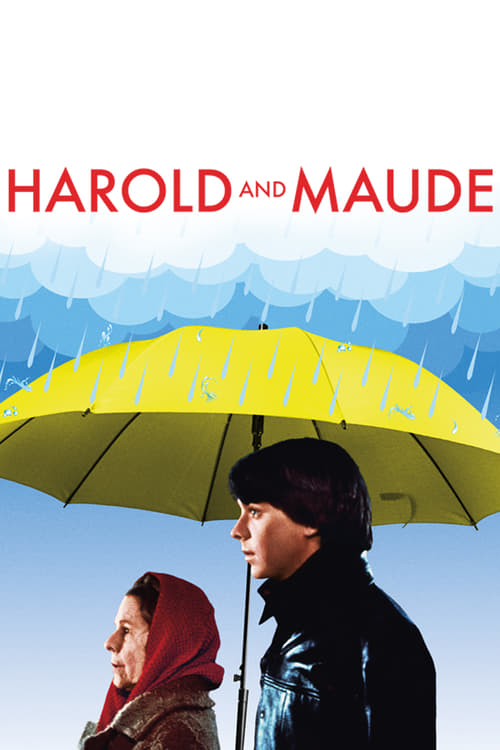
9. Harold and Maude
Hal Ashby’s idiosyncratic black comedy-romance dared to celebrate life, death, and unconventional love. A death-obsessed young man finds an unlikely soulmate in an octogenarian free spirit, played by Ruth Gordon. This film gleefully subverted romantic comedy tropes and explored taboos with dark humor and genuine warmth. It championed individuality and living life to its fullest, proving that profound human connection can blossom in the most unexpected places.
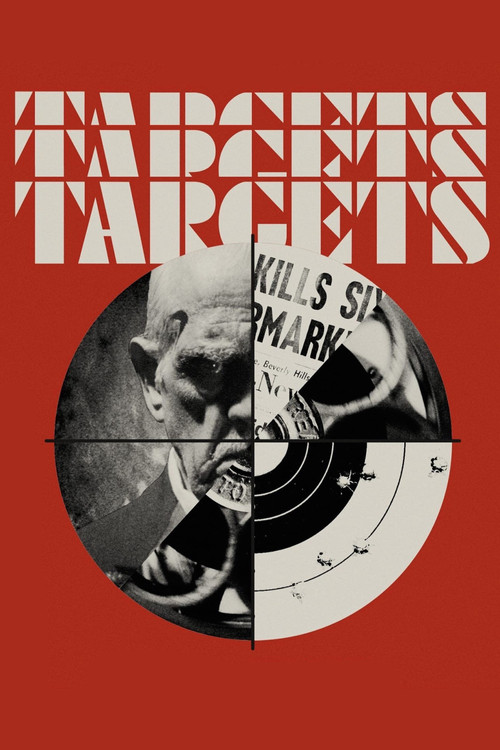
10. Targets
Peter Bogdanovich’s debut brilliantly juxtaposes two forms of violence: the old-school horror of Boris Karloff’s fading star and the chillingly mundane, modern horror of a sniper. The film critiques the media’s desensitization and the emerging prevalence of random acts of violence, creating a stark, unsettling commentary on the changing face of fear in America. It was prescient, establishing a new kind of terror grounded in realism rather than fantasy.