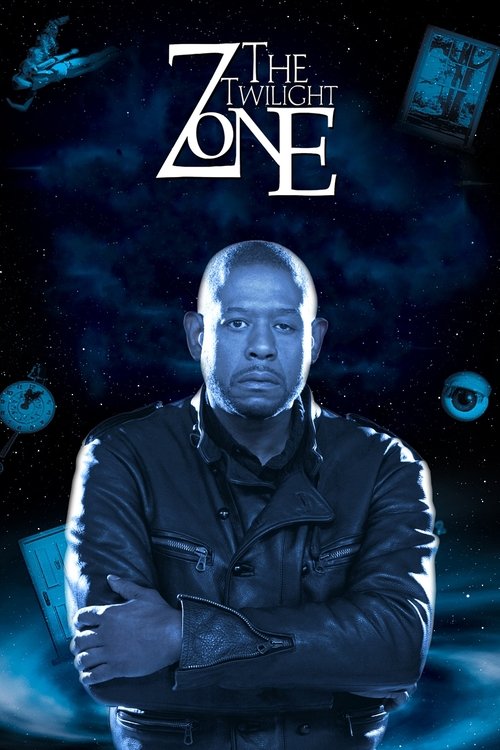
1. The Twilight Zone
Oh, that Rod Serling, he truly understood the small screen's capacity for the unsettling. Each week, a new tale, often stark and unsettling in its black-and-white presentation, reminding folks that the everyday could twist into something profoundly strange. It wasn't about big effects; it was about the idea, the eerie quiet after the revelation. And the acting, often stage-trained, lent it a gravity you don't see much anymore. A true masterclass in televised storytelling, really.

2. The Fugitive
Now, that was a program that kept you coming back. A man on the run, week after week, never quite catching a break. It was serialized storytelling before we even had a fancy word for it, really. You felt for Dr. Kimble, always just one step ahead of Gerard. And the black-and-white cinematography often made those lonely highways and shadowy diners feel even more desperate. A proper suspense thriller, always building, always moving.
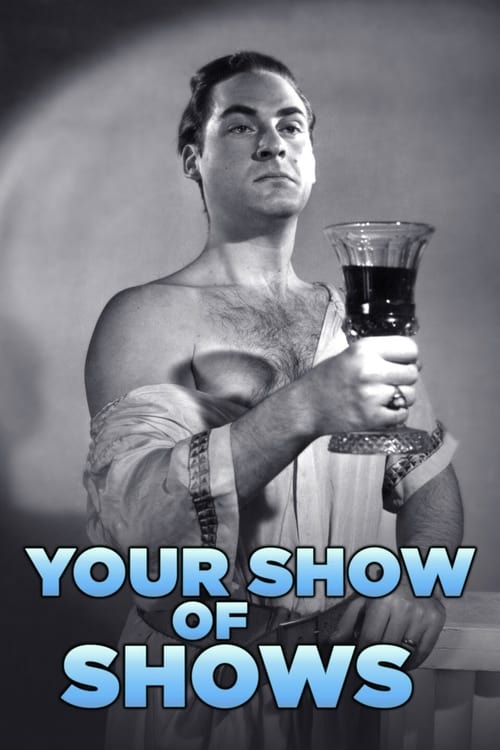
3. Your Show of Shows
What a spectacle that was, live television at its most exhilarating and terrifying. Sid Caesar, Imogene Coca, Carl Reiner – pure comedic genius, often working without a net. You watched knowing anything could happen, and often it did, in the best possible way. It was the epitome of the early variety show, a grand, boisterous affair that really captured the energy of a live theatrical performance, right there in your living room. A true golden age moment.
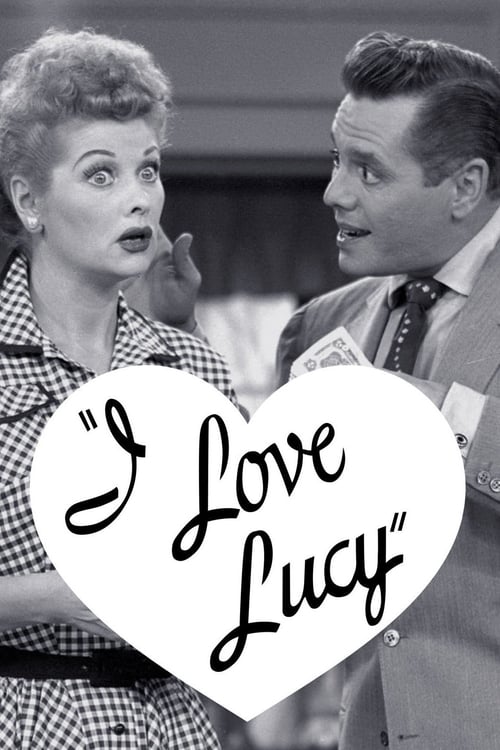
4. I Love Lucy
Well, who didn't love Lucy? That woman was a force of nature, a comedic marvel. And Desi, bless his heart, holding it all together. This show, shot on film with multiple cameras, truly set the standard for sitcoms. The physical comedy, the domestic squabbles, the sheer joy of it all. Even in black and white, the energy just burst right through the screen. And folks still watch it, a testament to its enduring, simple brilliance.
5. Playhouse 90
That was serious television, wasn't it? A different play every week, often live, with top-tier actors and writers tackling substantial material. It was where television tried to prove it wasn't just a toy, but a legitimate dramatic medium. The pressure must have been immense, doing a full-length drama live, but the results, when they hit, were profound. A precursor to the limited series, really, offering complete, resonant stories.

6. Dragnet
"Just the facts, ma'am." Jack Webb's Sgt. Friday, stark and unyielding, practically invented the police procedural. The monotone delivery, the quick cuts, the almost documentary feel – it was something entirely new. It showed the grind of police work, not just the heroics. And the way it was shot, almost utilitarian, gave it a stark, no-nonsense quality that really made an impression. A foundational piece of crime television, no doubt.
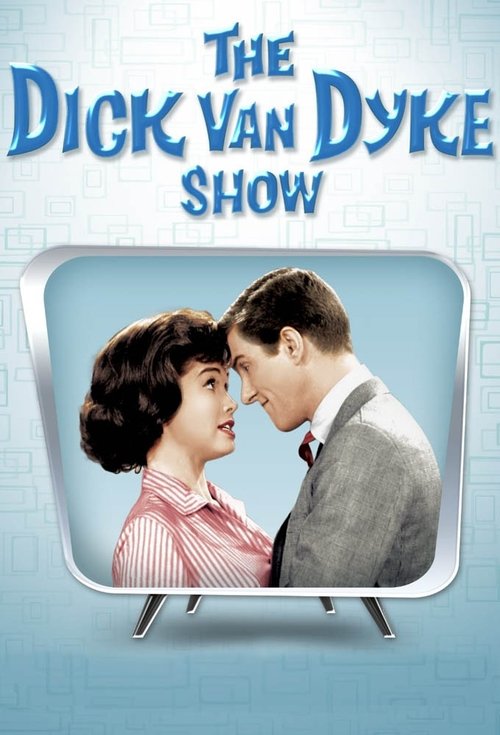
7. The Dick Van Dyke Show
Now, that was a smart, witty program. Dick Van Dyke, Mary Tyler Moore – such chemistry, such timing. The writing was sharp, balancing the antics at the office with the domestic comedy at home. And Van Dyke's physical comedy, truly a marvel. It was a sophisticated sitcom, a step beyond some of the earlier, broader fare, proving that smart humor could still be broadly appealing. A real gem of its era.

8. Naked City
This one truly stood out for its grit. Filmed on the streets of New York, it captured a raw, almost documentary feel that was rare for its time. Each episode felt like a self-contained film, focusing on different characters caught in the city's vast, unforgiving web. The black-and-white imagery perfectly underscored the stark realities it explored. It showed the city as a living, breathing character, full of shadows and secrets.
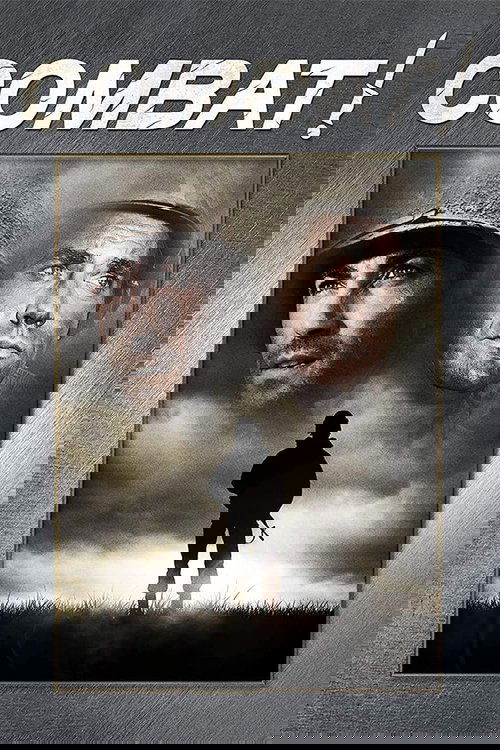
9. Combat!
For a generation, this was their window into the war. Week after week, those soldiers in Europe, fighting the good fight. It had a certain realism, for a broadcast show, showing the grind and the terror, not just the glory. And it wasn't always about the big battles; often it was the smaller, personal struggles that resonated. A serious drama that, while episodic, built a real connection with its characters over time.
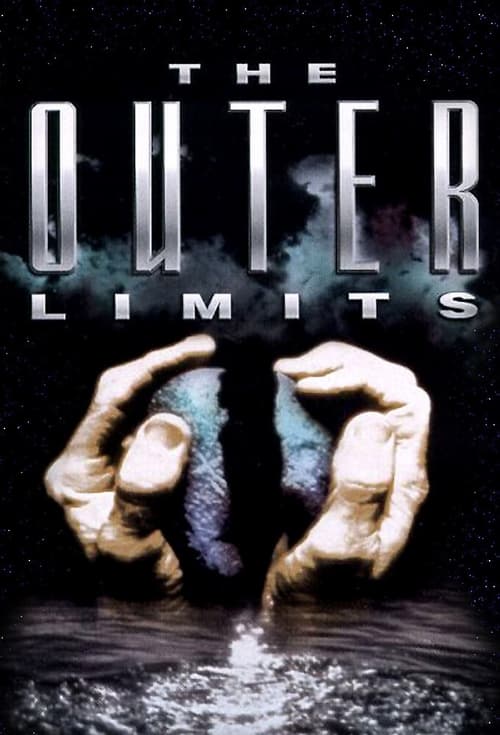
10. The Outer Limits
Often overshadowed by Serling's work, but "The Outer Limits" was something else entirely. Darker, more focused on the grotesque and the truly alien. "We control the horizontal, we control the vertical..." That opening, it promised something truly out there. The creature designs were often remarkable, especially for the time, using shadow and suggestion to create genuine unease. A proper science fiction fright show.