1. Playhouse 90
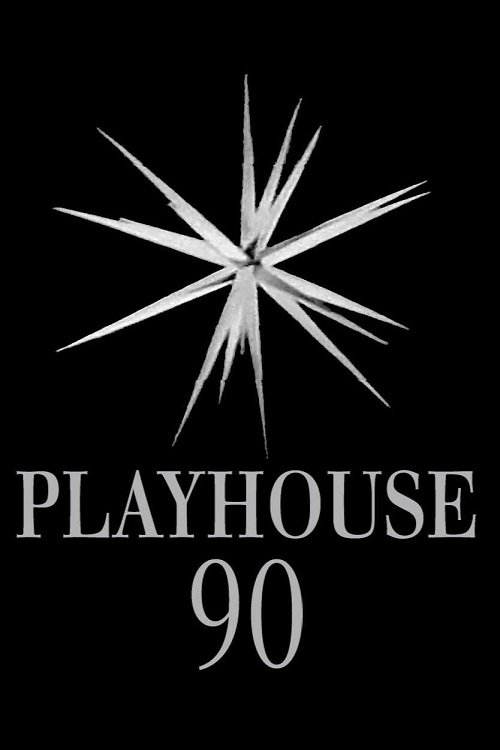
Before weekly serialized dramas, there was Playhouse 90. This wasn't just a show; it was an event. Live television, ninety minutes, no do-overs. You felt the tension, the stakes, both for the actors and the story. It was a proper stage play, but in your living room, delivered with a stark black-and-white immediacy that modern eyes might find startling. A true testament to early broadcast's ambition, showcasing dramatic acting at its finest.
2. One Step Beyond
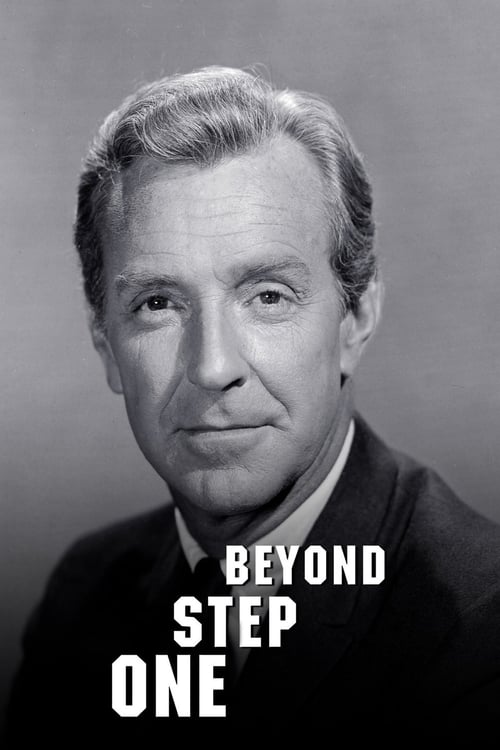
John Newland, with that calm, almost clinical delivery, made the supernatural feel… real. Before Rod Serling took us to the Zone, One Step Beyond explored tales of the eerie and unexplained, often claiming they were based on fact. The black-and-white photography lent a chilling, documentary-like quality to the proceedings, making those whispers from beyond the veil all the more unsettling. A masterclass in quiet, psychological horror, perfect for a late-night viewing.
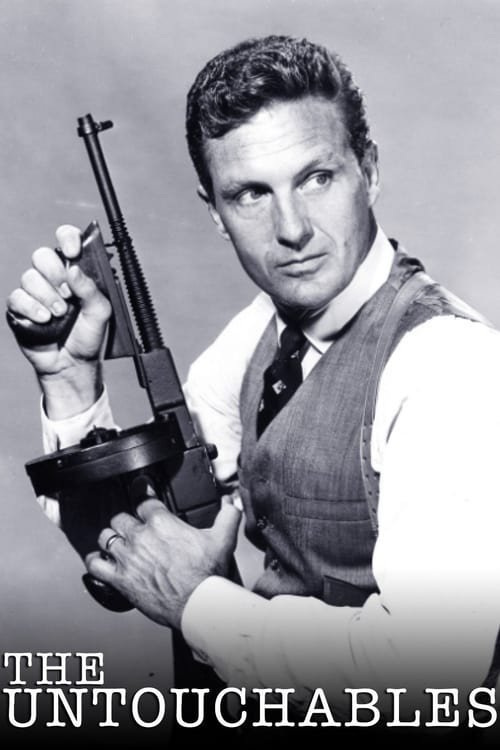
3. The Untouchables
Robert Stack's Eliot Ness, a granite jaw and a steely gaze, battling Capone’s thugs. The Untouchables was raw for its era, pushing boundaries with its violence and its unflinching look at organized crime. That distinctive narration, almost like a newsreel, gave it an undeniable authority. And in black-and-white, Chicago’s smoky back alleys felt even more dangerous. A landmark crime drama, serialized enough to keep you hooked, setting a high bar for procedural storytelling.
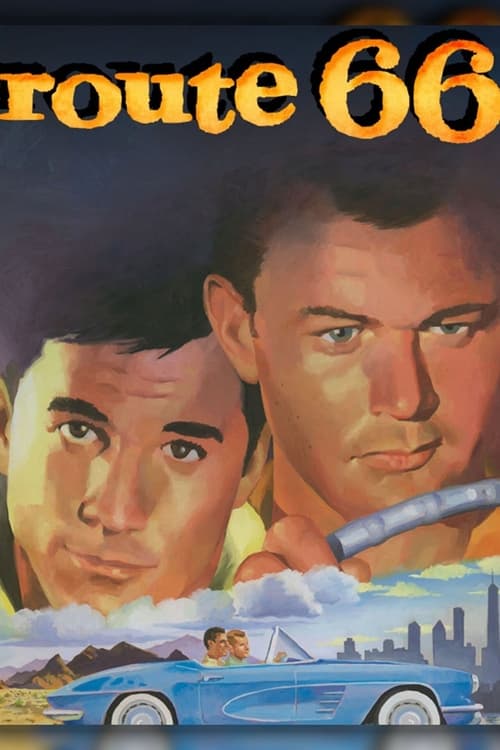
4. Route 66
Two young men, Tod and Buz, hitting the open road in a Corvette, looking for America and themselves. Route 66 wasn't just a travelogue; it was a weekly meditation on wanderlust and human connection. Each episode was a self-contained drama, often featuring memorable guest stars, exploring different slices of American life. The black-and-white cinematography captured the changing landscapes beautifully, making you feel every mile of their journey. A classic road trip, long before it became a cliché.
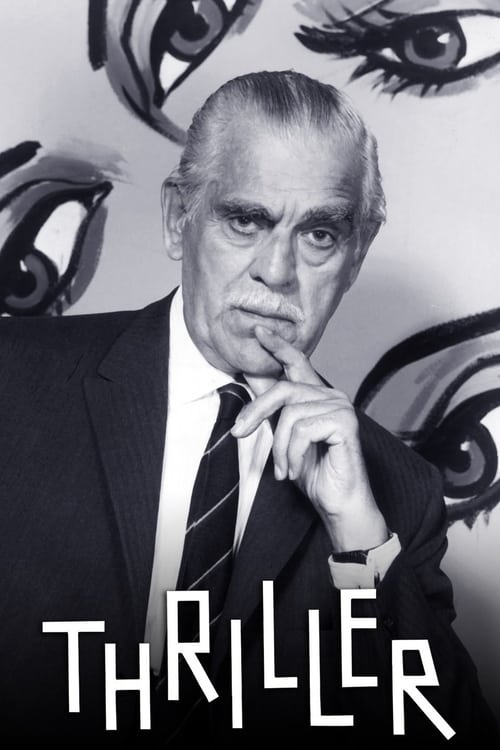
5. Thriller
Boris Karloff, with his unmistakable voice and sinister charm, introducing tales of terror. Thriller delivered exactly what its title promised, often delving into gothic horror, psychological suspense, and the genuinely macabre. It was a more direct, less allegorical cousin to other anthologies, reveling in its scares. The black-and-white photography enhanced the eerie atmosphere, making those shadows and sudden frights truly jump out. A potent, unsettling series for those who appreciate a good shiver.

6. The Fugitive
Dr. Richard Kimble, forever on the run, relentlessly pursued by Lt. Gerard. The Fugitive was a groundbreaking exercise in long-form continuity, keeping viewers hooked week after week as Kimble evaded capture, searching for the real killer. Each stop brought a new set of characters and a self-contained drama, all while advancing that overarching quest for justice. The black-and-white added to the gritty, desperate tone of his journey. A masterclass in sustained suspense.
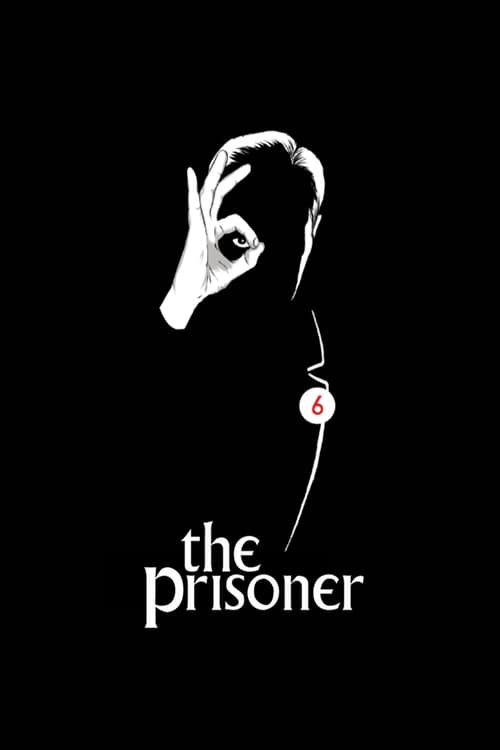
7. The Prisoner
Number Six, trapped in The Village, constantly battling unseen forces and the enigmatic Number Two. The Prisoner was unlike anything else on television, a psychedelic, allegorical mind-bender that challenged conventions. Patrick McGoohan's intense performance anchored its surreal, often baffling narrative. Its experimental structure and profound themes of identity and freedom captivated and frustrated viewers in equal measure. A true cult classic that still sparks debate decades later. Be seeing you.
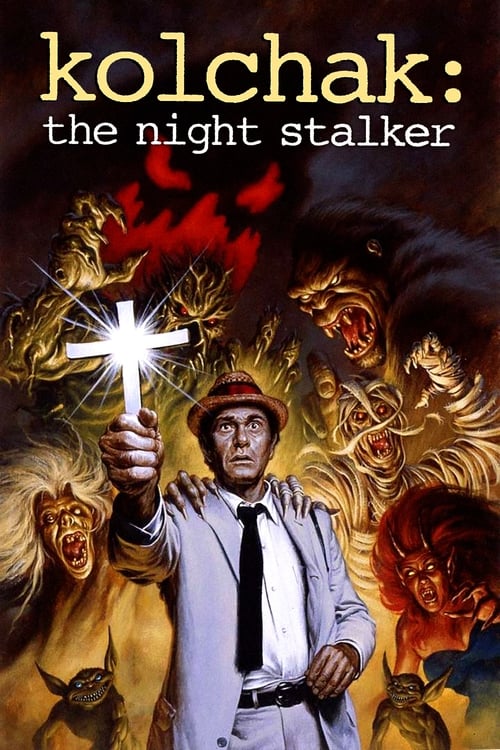
8. Kolchak: The Night Stalker
Carl Kolchak, the rumpled reporter, always stumbling upon the supernatural, always disbelieved. This series, born from two successful TV movies, perfected the 'monster-of-the-week' format before it was even a concept. Darren McGavin’s iconic performance as Kolchak, fighting vampires, werewolves, and even aliens with just a camera and a trench coat, was pure gold. Its gritty, almost documentary feel, despite the fantastical plots, made it uniquely compelling. A true cult gem.

9. Wiseguy
Undercover agent Vinnie Terranova, diving deep into the criminal underworld, staying there for entire seasons. Wiseguy was a revelation, pushing long-form serialized drama to new heights with its novel-like arcs. Each story, often spanning many episodes, allowed for incredible character development, especially among its memorable villains. It was gritty, intelligent, and emotionally resonant, a true testament to what network television could achieve in its later golden years. A crime saga like no other.
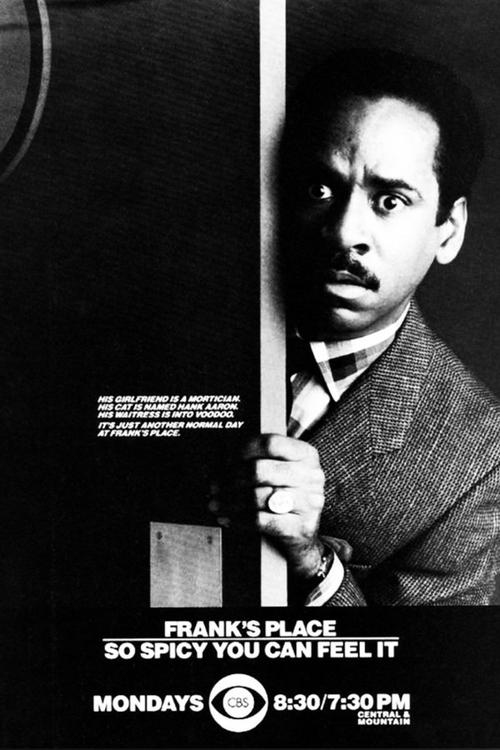
10. Frank's Place
Tim Reid as Frank Parish, inheriting a New Orleans restaurant and a whole new life. Frank's Place was a sitcom that dared to be different, shot single-camera, with no laugh track, blending comedy and drama seamlessly. It was about the people, the place, the rich dialogue, and the unique rhythms of the Big Easy. A quiet, atmospheric gem that defied easy categorization, proving that television comedy could be sophisticated, nuanced, and deeply human. Truly ahead of its time.