1. Profit
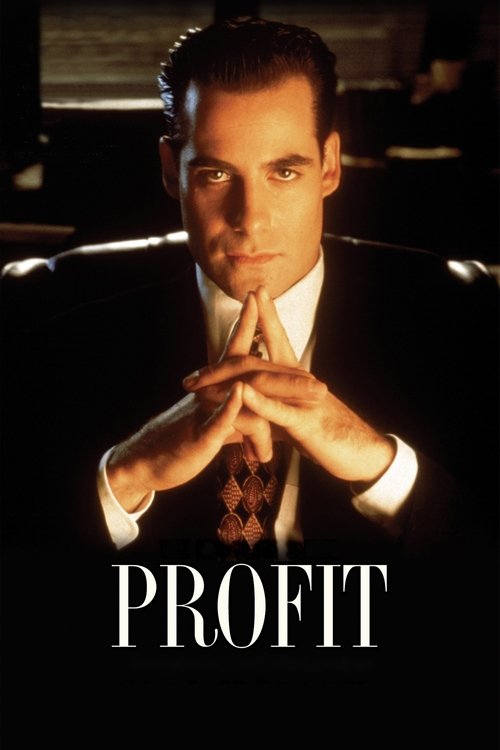
Fox, 1996. Remember when network TV actually tried to be edgy? *Profit* was a corporate thriller that felt like it belonged on HBO, if HBO existed as we know it now. Jim Profit, a sociopathic anti-hero, manipulated everyone for power. It was dark, slick, and utterly uncompromising, a real precursor to the prestige TV we'd eventually get. Too smart, too cynical for its time, it didn't last, but it left a mark.
2. Millennium
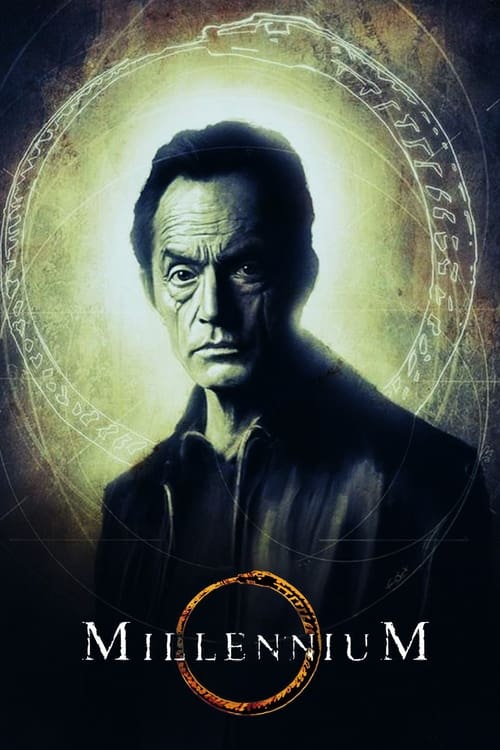
Chris Carter, 1996. After *The X-Files*, Carter plunged us into *Millennium*, a show that traded alien conspiracies for the terrifying darkness within humanity. Frank Black’s ability to see through the eyes of killers made for genuinely unsettling viewing. It was relentlessly bleak, deeply atmospheric, and pushed the boundaries of what network television would allow. A foundational piece for serialized mystery, building tension one unsettling case at a time.
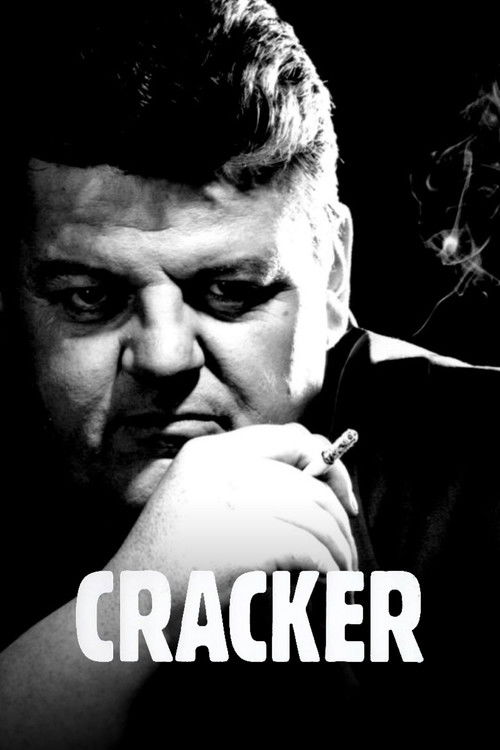
3. Cracker
Before we were all binging serialized crime, there was *Cracker* from 1993. Robbie Coltrane’s Fitz was a shambling, brilliant, and deeply flawed psychologist who got into the heads of criminals like no one else. It was raw, unflinching, and utterly compelling, dissecting the psychological underpinnings of crime in a way that felt revolutionary. This British import truly elevated the detective genre, making intelligence and character paramount.
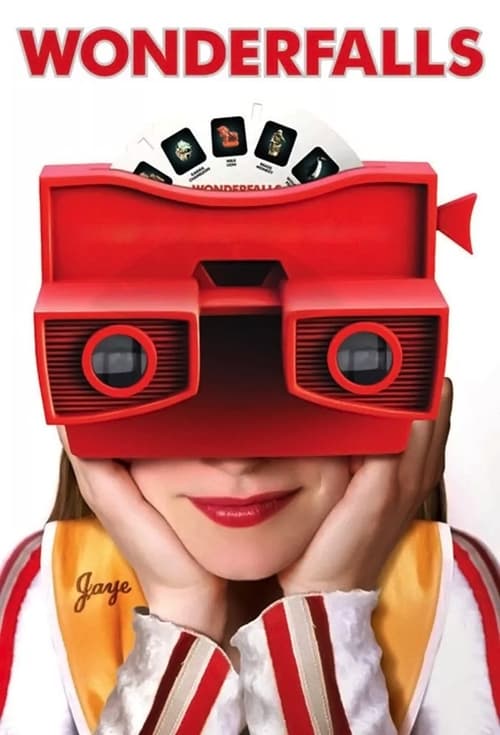
4. Wonderfalls
Bryan Fuller's 2004 gem, *Wonderfalls*, was a quirky, philosophical marvel. Jaye Tyler, a cynic working in a gift shop, finds inanimate objects telling her what to do. It was funny, deeply intelligent, and incredibly charming, a perfect blend of the mundane and the surreal. Fox, of course, didn't know what to do with it, but its unique voice and serialized character arcs made it a bittersweet, unforgettable early example of cable-style storytelling on network.

5. Dead Like Me
Another Bryan Fuller creation, this time on Showtime in 2003, *Dead Like Me* gave us grim reapers dealing with the bureaucracy of death. Ellen Muth’s George was a wonderfully cynical protagonist navigating the afterlife, collecting souls. It was a dark comedy, philosophical and surprisingly heartfelt, with a fantastic ensemble cast. This show exemplified the early cable era's willingness to tackle morbid themes with a darkly humorous, serialized approach that networks wouldn't touch.
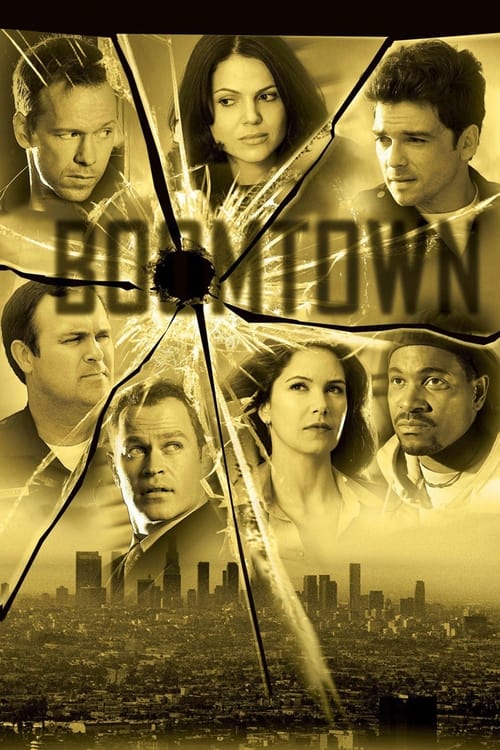
6. Boomtown
NBC’s 2002 *Boomtown* was an ambitious, critically acclaimed crime drama that tried something genuinely innovative. Each episode revisited a single crime from multiple perspectives – cops, criminals, victims. This "Rashomon" approach built a complex, nuanced picture of Los Angeles, pushing serialized storytelling and ensemble drama to new heights on network television. It was smart, character-driven, and tragically ahead of its time, showing how far TV could really go.
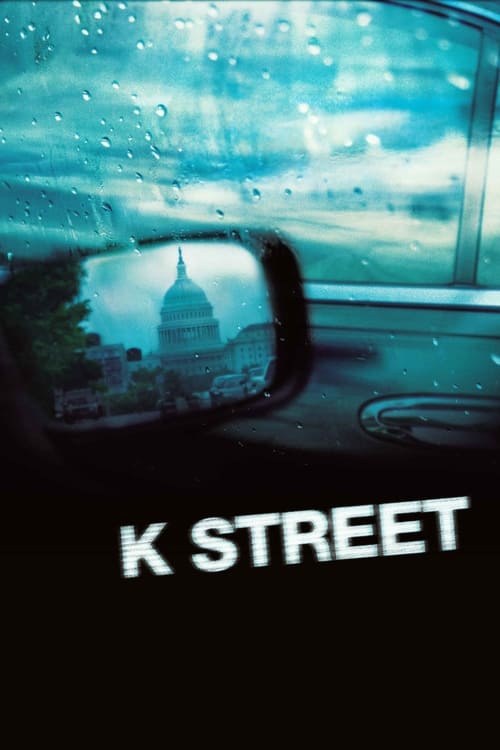
7. K Street
In 2003, HBO, Soderbergh, and Clooney delivered *K Street*, an audacious experiment blurring lines between drama and documentary. Set in the world of Washington D.C. political consultants, it featured real politicians alongside actors, improvising storylines that reacted to current events. This was prestige cable going full meta, a foundational piece for shows like *Veep*, demonstrating television’s capacity for timely, improvisational, and deeply intelligent political satire and drama.
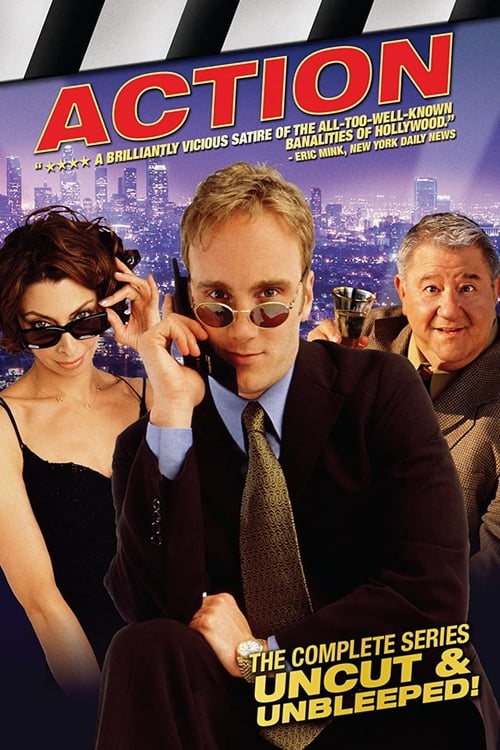
8. Action
*Action*, 1999, was a blistering, foul-mouthed satire of Hollywood, so offensive and brutally honest that Fox promptly buried it. Jay Mohr played a truly reprehensible studio executive, and Buddy Hackett was his former child star driver. It was cynical, hilarious, and pushed every boundary, anticipating the kind of edgy, no-holds-barred comedy that would later thrive on cable. A cult classic that proved network TV could be just as ruthless.
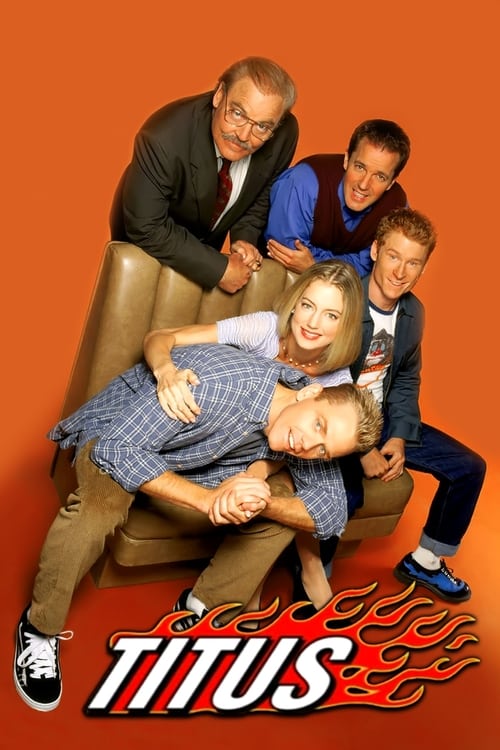
9. Titus
Christopher Titus brought his brutally honest, stand-up inspired worldview to network TV with *Titus* in 2000. It was a sitcom, but with a dark, almost tragicomic edge, chronicling a wildly dysfunctional family. Titus broke the fourth wall, talking directly to the audience, dissecting his own life and mental health. This was early serialized comedy, using a unique voice to explore difficult themes, pushing the boundaries of what a multi-camera sitcom could be.
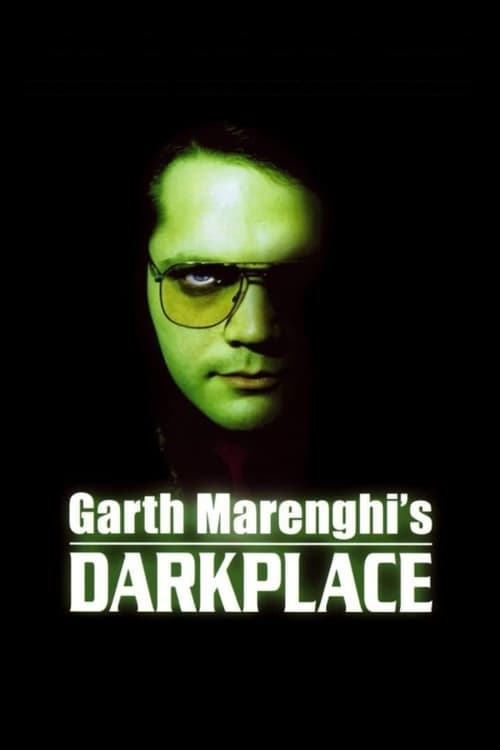
10. Garth Marenghi's Darkplace
*Garth Marenghi’s Darkplace*, 2004, is a masterclass in mockumentary. It’s presented as a lost, schlocky 1980s horror series, complete with hilariously terrible acting, special effects, and "director commentary" from the fictional, egomaniacal Garth Marenghi. This British gem expertly satirized low-budget genre television, influencing countless comedies that followed. It was a meta-narrative triumph, proving that TV could be self-aware and brilliantly deconstruct its own tropes.
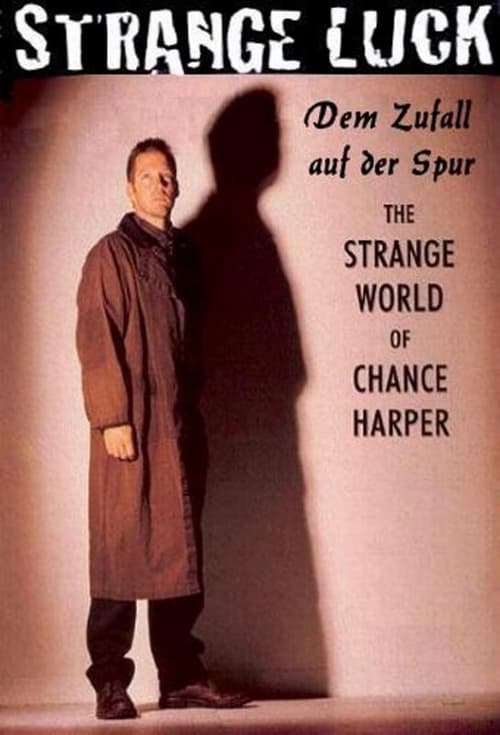
11. Strange Luck
Before *Lost* made us obsess over destiny, there was *Strange Luck* in 1995. D.B. Sweeney played a man whose life was dictated by bizarre, interconnected coincidences, forcing him to intervene. It was a philosophical, serialized drama, driven by a sense of cosmic mystery and the subtle intertwining of lives. Fox was really trying to push character-driven, high-concept narratives back then, laying groundwork for the more complex storytelling that would define the next decade.
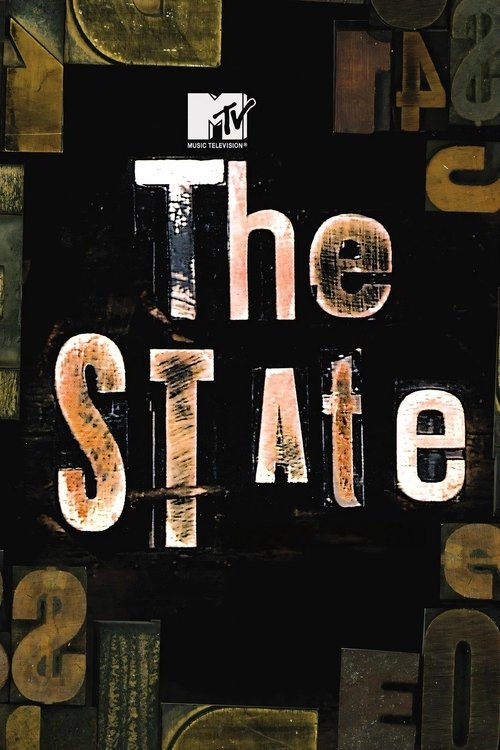
12. The State
MTV’s *The State*, which debuted in 1994, wasn't just sketch comedy; it was a cultural touchstone for a generation. Quirky, absurd, and brilliantly performed by its ensemble cast, it was a showcase for alternative comedic voices who would go on to reshape TV. This was early cable flexing its creative muscle, proving that niche channels could foster groundbreaking, serialized comedic talent that felt entirely distinct from network offerings.