


1. OMORI
OMORI isn't just a game; it's an emotional gut-punch wrapped in a deceptively cute package. This psychological horror RPG tackles trauma, depression, and friendship with a raw honesty that most big-budget studios wouldn't dare touch, opting for safer, focus-grouped narratives instead. Its unique art style and deeply personal story create an experience that sticks with you, proving that true impact comes from vision, not just polygons.
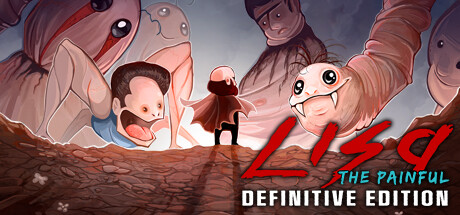
2. LISA
LISA: The Painful is a brutal, unapologetic RPG set in a desolate, post-apocalyptic world devoid of women. It forces impossible choices, constantly punishes the player, and features truly disturbing characters and humor. This game's sheer audacity and willingness to explore grim themes without a hint of corporate polish stands in stark contrast to AAA's sanitized narratives. It’s a gut-punch that revels in player suffering, and you’ll remember it.
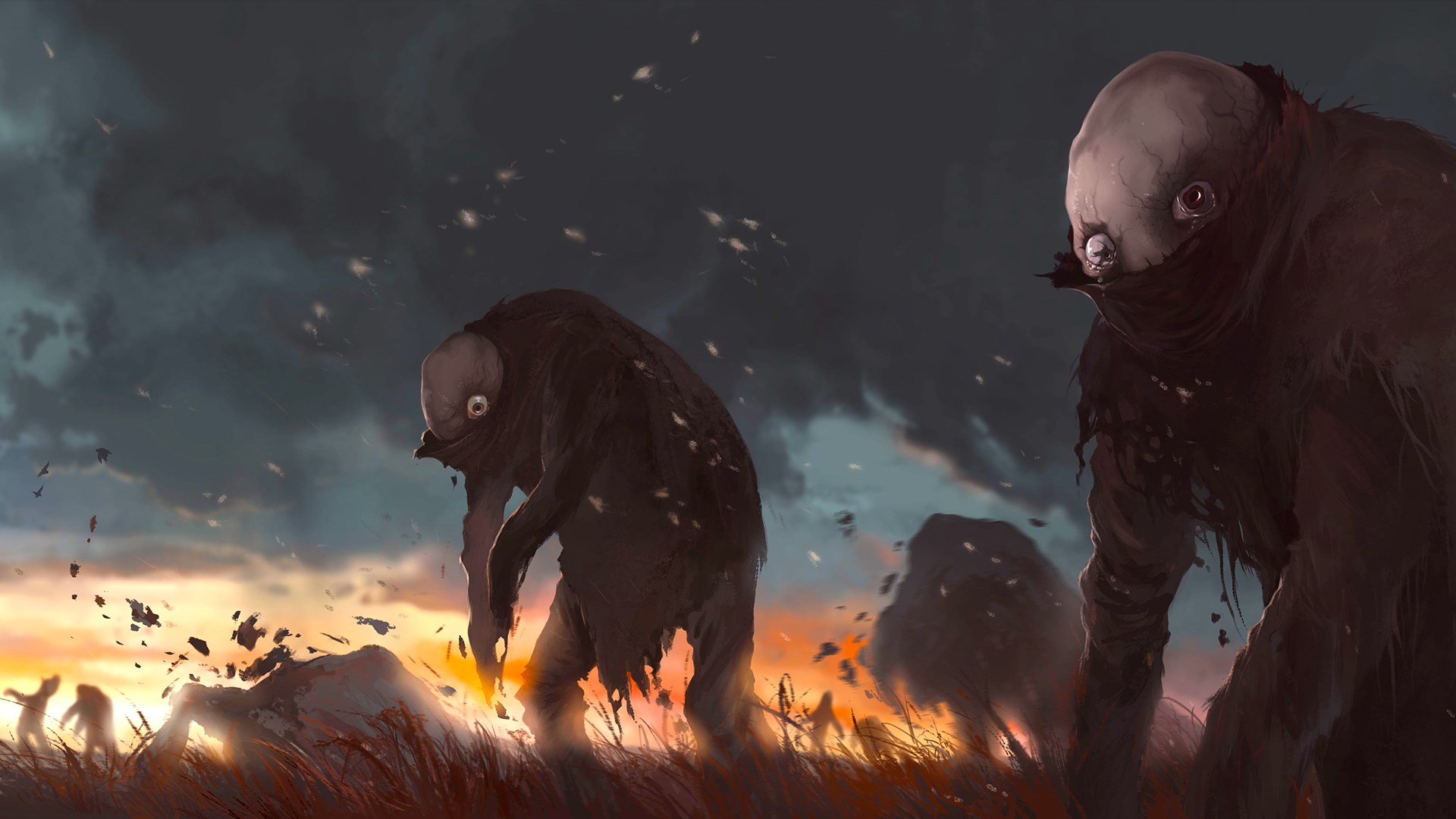
3. Pathologic 2
This isn't just a survival game; it’s an existential crisis simulator. Pathologic 2 drowns you in dread, impossible choices, and a deeply unsettling narrative. It respects player intelligence, refusing to hold hands or offer easy answers, a stark departure from the often-patronizing design of big-budget titles. It's a game that actively wants you to suffer, and you'll find yourself thanking it for the uniquely harrowing experience.
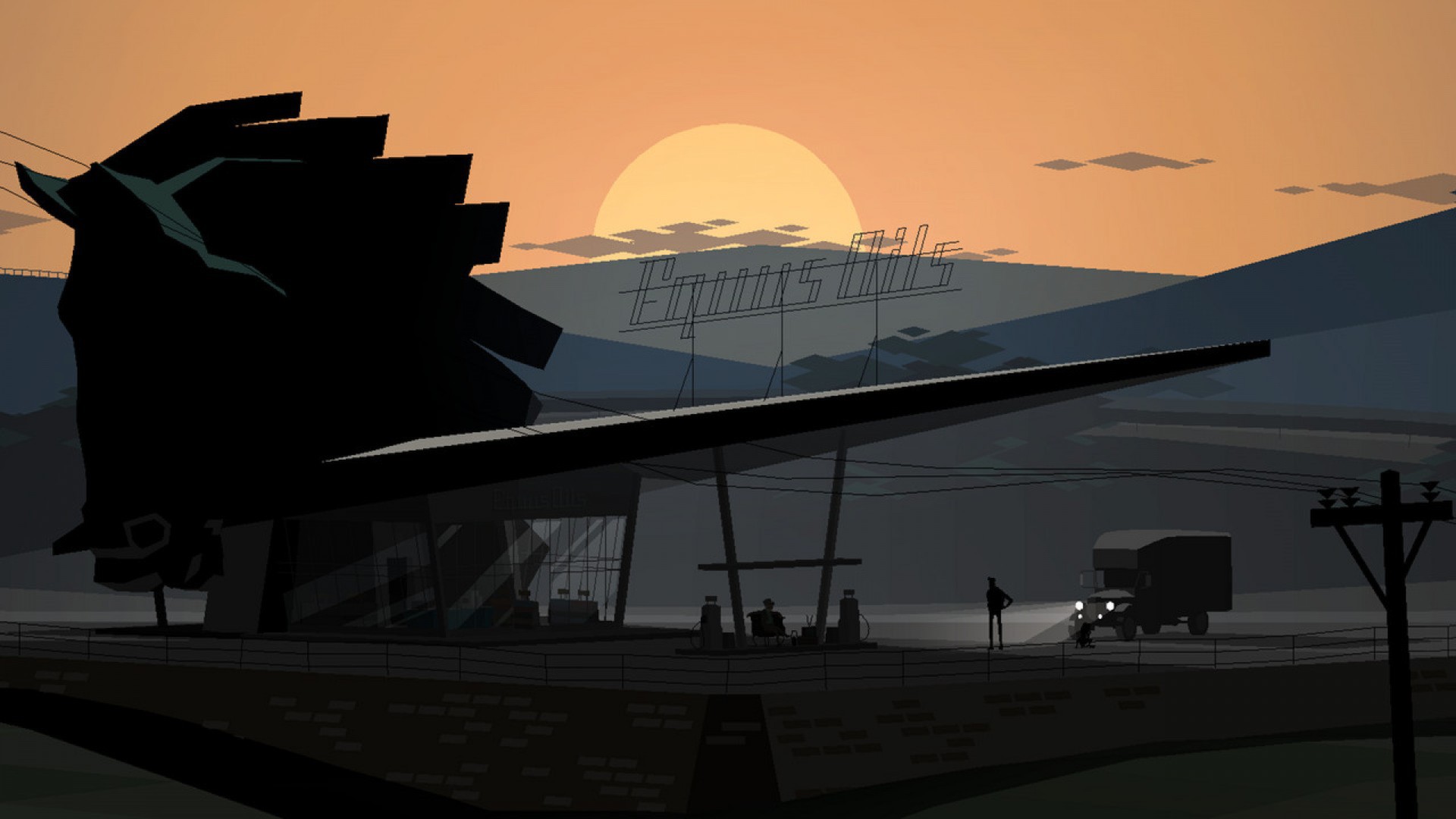
4. Kentucky Route Zero
Kentucky Route Zero is less a game and more a piece of interactive art, a melancholic journey through a spectral American South. Its narrative depth, surreal atmosphere, and poetic writing are unparalleled. While AAA chases photorealism and repetitive gameplay loops, KRZ proves that evocative storytelling and unique aesthetics can deliver an infinitely more profound experience, lingering long after the credits roll with its subtle brilliance.

5. Paradise Killer
Paradise Killer is pure, unadulterated aesthetic. A vibrant, vaporwave-infused detective visual novel with an unsettling cult mystery at its core. It doesn't just embrace its weirdness; it weaponizes it. The sheer confidence in its outlandish world-building and character design is something most major studios wouldn't greenlight, preferring market-tested concepts. It’s a stylish, unapologetic fever dream that perfectly nails its niche.

6. The Hex
Daniel Mullins always breaks the mold, and The Hex is no exception. It's a meta-narrative masterpiece, blending multiple genres and breaking the fourth wall to tell a genuinely compelling story about video game development and industry secrets. This kind of innovative, risk-taking design is almost entirely absent from the safer, focus-grouped titles that dominate the mainstream. Expect the unexpected, and then some.

7. Anodyne 2: Return to Dust
Anodyne 2 is a beautiful, dreamlike adventure that blends 3D overworld exploration with 2D dungeon crawling, all wrapped in a wonderfully lo-fi aesthetic. It's quirky, deeply thoughtful, and unafraid to be strange. This kind of unique vision, prioritizing artistic expression over commercial viability, is exactly what makes indie games shine compared to the often-homogenized experiences offered by big publishers. A truly singular journey.
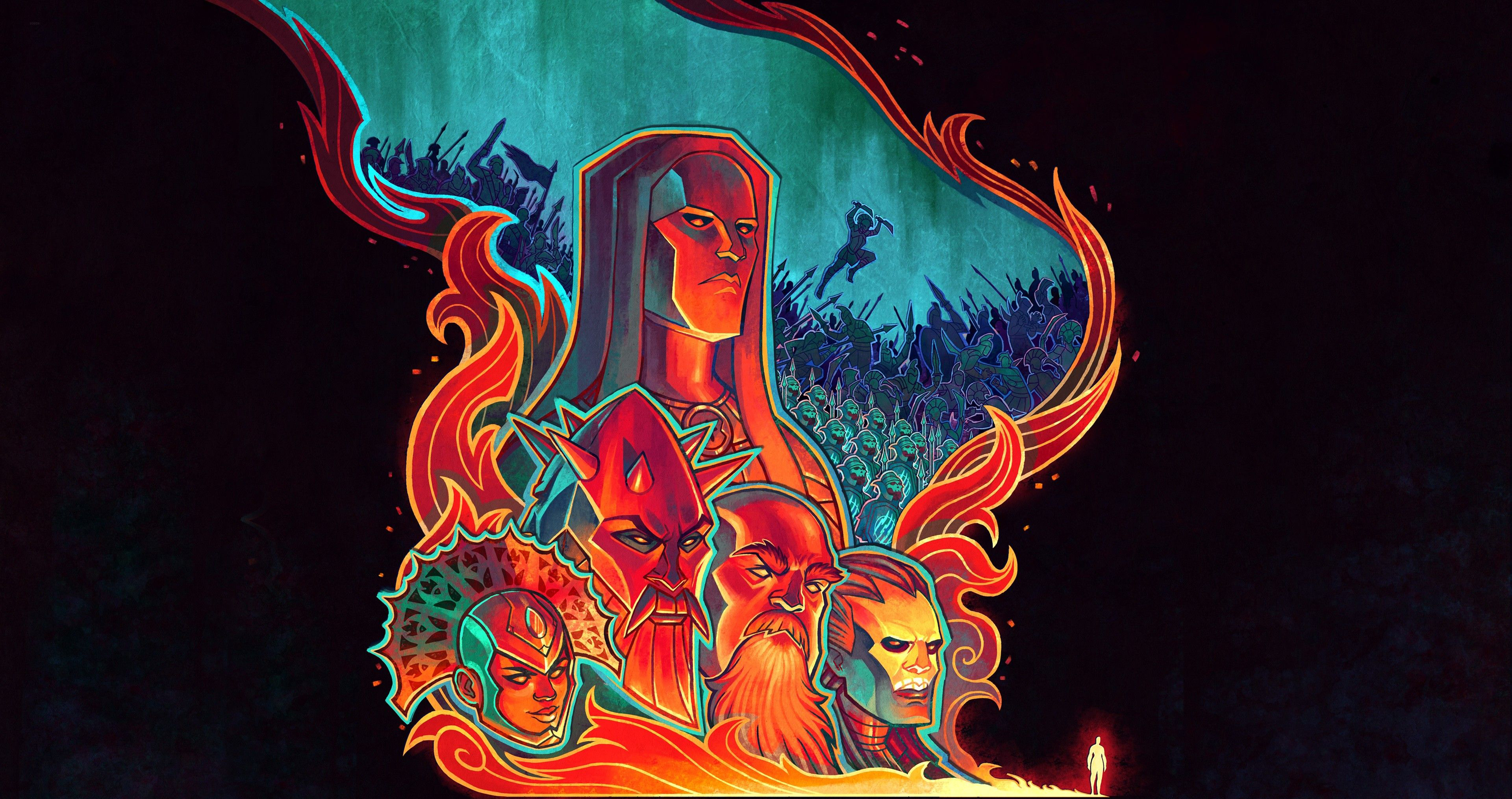
8. Tyranny
Obsidian challenged RPG conventions by putting you in the role of an enforcer for the evil overlord. Tyranny’s genius lies in its nuanced exploration of villainy, power, and moral ambiguity, offering impactful choices in a world already conquered. It's a stark contrast to the often-simplistic good vs. evil narratives of many RPGs, proving that player agency and narrative depth don't need a massive budget to truly shine.
9. Alpha Protocol
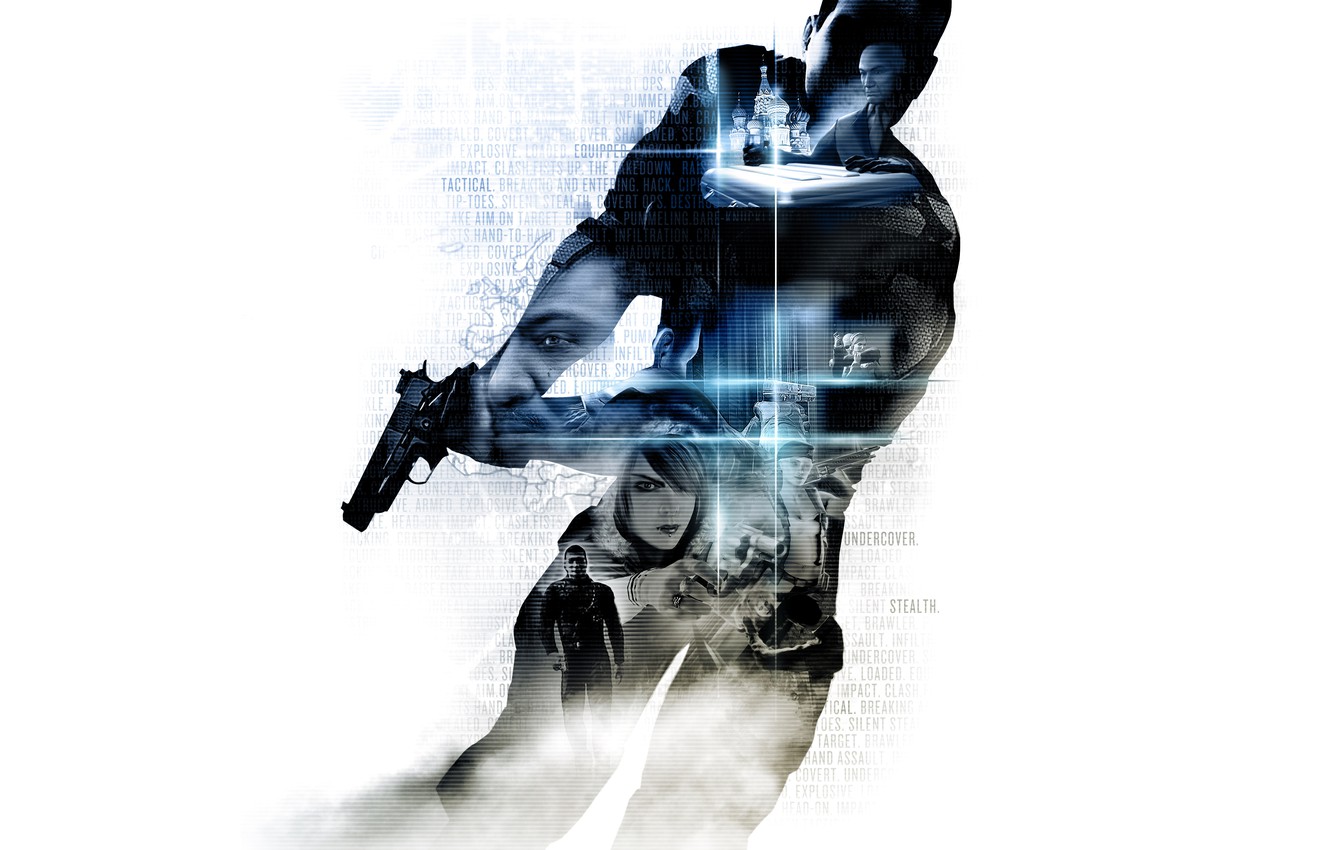
Alpha Protocol is a janky, glorious mess. It's the spy RPG that promised unprecedented choice and consequence, and despite its rough edges, it delivered on that promise more effectively than many polished AAA titles. Its branching narrative and character reactions were years ahead of their time, a testament to what happens when ambition outweighs perfect execution. It’s a cult classic for a reason; raw potential outshines shallow polish.

10. Vampire: The Masquerade – Bloodlines 2
This one is a ghost, a cautionary tale of AAA development hell. The original Bloodlines was a flawed masterpiece, but its spirit of deep role-playing and atmospheric world-building remains unmatched. Bloodlines 2's perpetual delays, developer changes, and radio silence highlight the industry's inability to nurture complex, niche projects without micromanagement turning them into vaporware. It's a dream deferred, a tragic missed opportunity.

11. Kenshi
Kenshi is pure, unadulterated freedom and brutality. You start as nothing in a vast, uncaring sandbox world and carve your own destiny, often through immense suffering. There's no hero's journey, just survival and ambition. Its rough UI and graphics are irrelevant; the emergent storytelling and unparalleled player agency put most cinematic, hand-holding AAA open-world games to shame. It's a truly unique, unforgiving experience.
12. The Void
From the creators of Pathologic, The Void is another deeply strange, beautiful, and punishing experience. It's an exploration of color, death, and spiritual cycles, where your life force is literal color you consume and spend. This game’s uncompromising artistic vision and abstract mechanics defy easy categorization, a stark contrast to the genre-blending for market appeal seen in bigger studios. It's truly unique, a haunting masterpiece.