

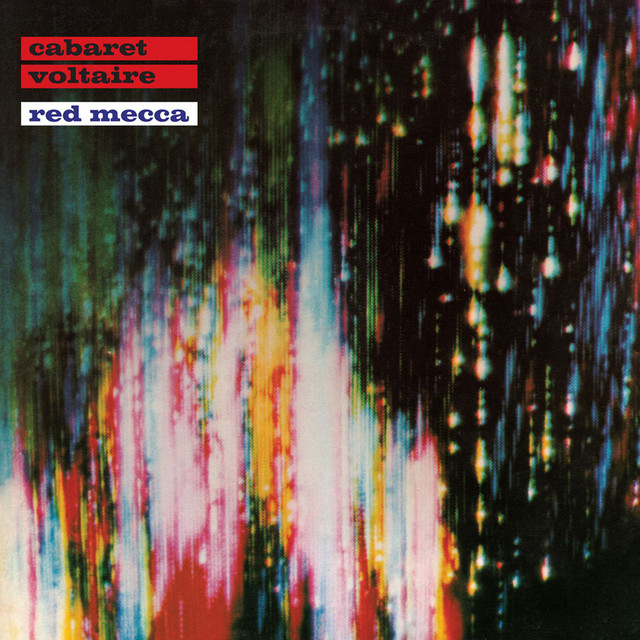
1. Red Mecca
Red Mecca, from 1981, is a true deep dive into what the nascent industrial scene could achieve with minimal, often repurposed, analog equipment. Its textures are abrasive yet hypnotic, built from tape loops, processed vocals, and stark, mechanical rhythms. This isn't just noise; it’s an unsettling architecture of sound, showcasing a deliberate, almost ritualistic approach to sonic decay. The absence of digital sheen allows its raw, primal energy to cut through, a testament to true studio craftsmanship. It’s a compelling, often unnerving, listen.
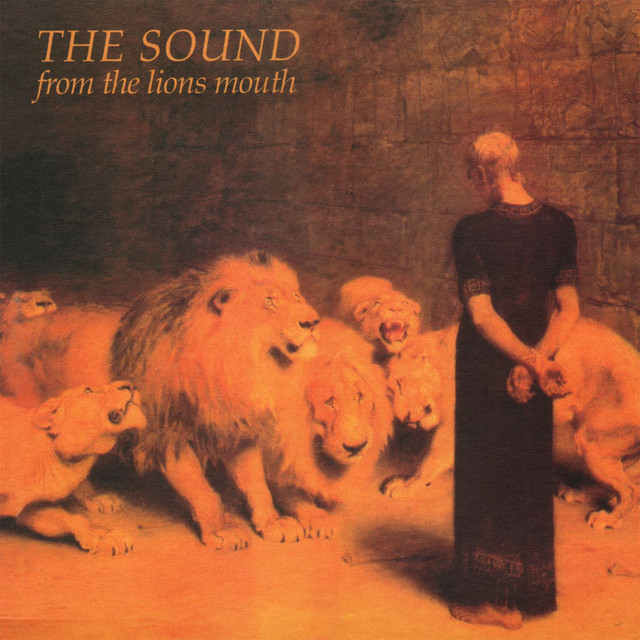
2. From The Lion's Mouth
The Sound’s 1981 offering, From The Lion’s Mouth, stands as a cornerstone of post-punk's more introspective, yet driving, side. Adrian Borland's anguished vocals cut through the meticulously layered guitar work, which often employed chorus and delay pedals to craft vast, melancholic soundscapes. The rhythm section, tight and propulsive, provides an anchor to the emotional turbulence. It's a masterclass in evoking intense feeling through analog instrumentation and pre-MIDI sequencing, maintaining a dark, powerful resonance.
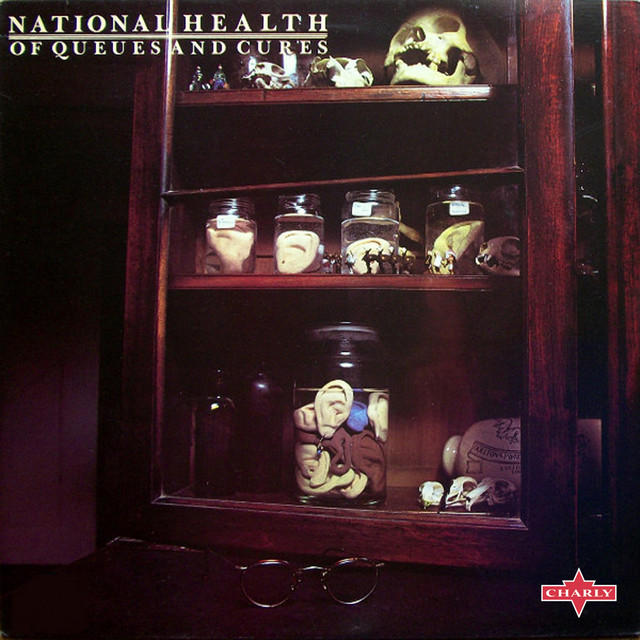
3. Of Queues and Cures
National Health's 1978 opus, Of Queues and Cures, is a dazzling display of jazz-fusion's intellectual peak. Featuring intricate compositions and virtuoso performances, particularly from Dave Stewart's keyboards and Phil Miller's guitar, it moves through complex time signatures and melodic labyrinths with effortless grace. The analog warmth of the Rhodes and MiniMoog synthesizers is paramount, grounding the cerebral arrangements in a rich, organic sound. This record was a blueprint for sophisticated, instrumental rock.
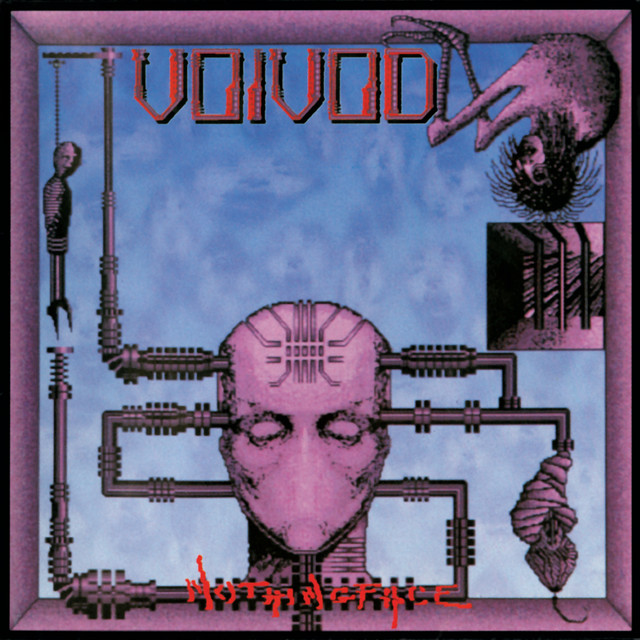
4. Nothingface
Voivod's Nothingface from 1989 redefined what heavy music could be. It fused thrash's aggression with genuinely progressive structures and dissonant, almost alien, harmonies. Piggy's guitar work was truly singular, employing complex chords that sounded both mechanical and psychedelic. The production, while heavy, retained a distinct analog clarity, allowing each complex riff and Away's precise drumming to breathe. It’s a challenging, rewarding listen, pushing metal's boundaries without relying on digital trickery.
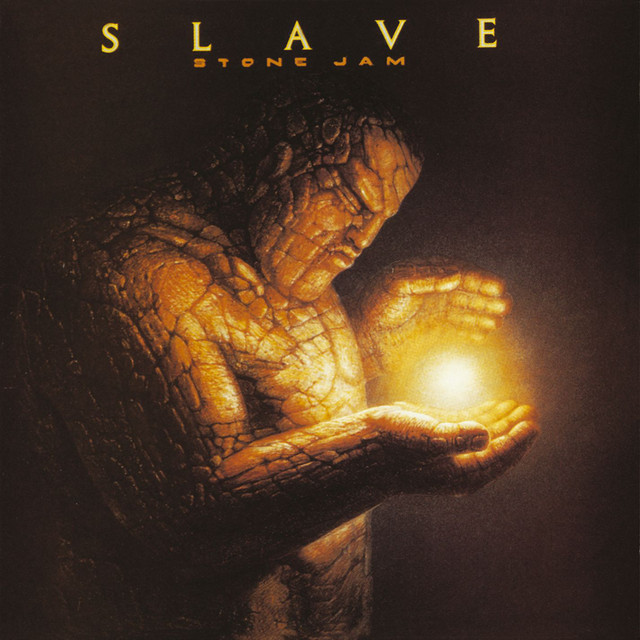
5. Stone Jam
Slave's 1980 Stone Jam is pure, unadulterated funk, a quintessential example of the genre’s evolving sound post-disco. It's built on formidable basslines, particularly Steve Arrington's influential grooves, coupled with tight horn arrangements and the burgeoning use of analog synthesizers for melodic hooks and atmospheric pads. The production is crisp, emphasizing the rhythmic interplay and vocal harmonies. This record laid groundwork for boogie and early electro, showcasing undeniable analog swagger and precision.

6. Midnight Haze
While perhaps an overlooked gem, a track like 'Midnight Haze' from 1979 embodies the smooth, yet often intricate, side of jazz-funk. Imagine a tight, syncopated drum beat, a slinky bassline, and Fender Rhodes chords washing over a sophisticated melody played on an analog synth or a wah-drenched guitar. It’s the kind of instrumental piece that captures a late-night urban feel, a perfect blend of technical musicianship and accessible groove, all steeped in warm, pre-digital production.