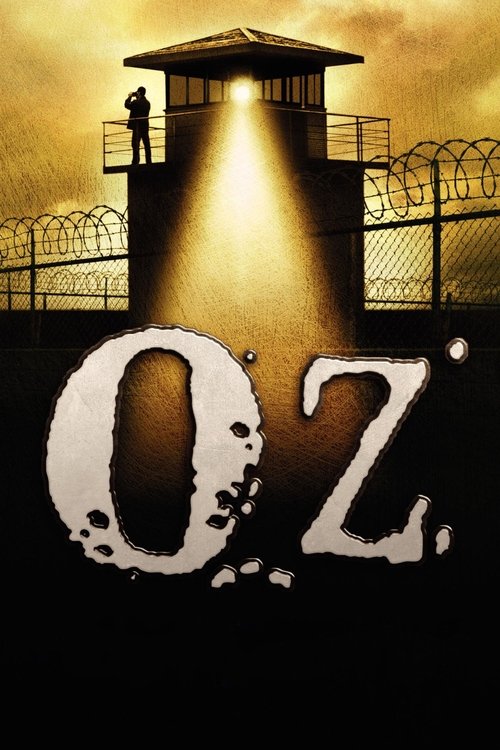
1. Oz
Before HBO was *HBO*, there was "Oz." This show didn't just push boundaries; it bulldozed them. It was raw, brutal, and relentlessly serialized, turning the prison drama into a character study of power and survival. You couldn't just drop in; you had to commit. It taught audiences that TV could be uncomfortable, complex, and utterly unforgiving, setting a high bar for the cable dramas that followed.
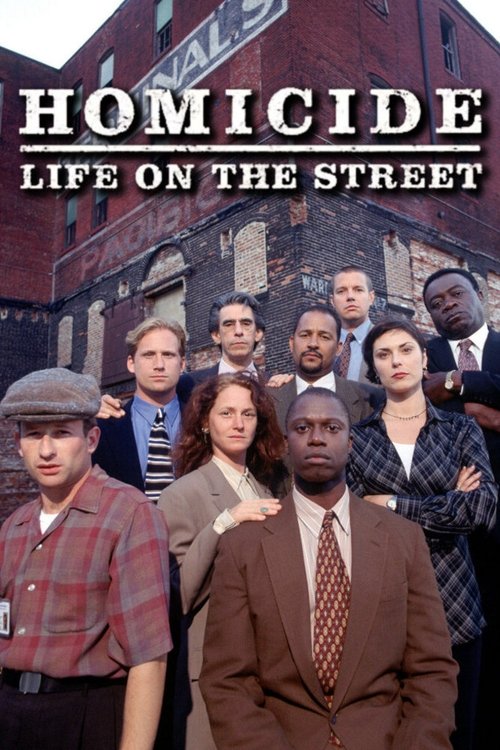
2. Homicide: Life on the Street
Barry Levinson and Tom Fontana brought a gritty, almost documentary-like realism to network TV with "Homicide." Its quick cuts, overlapping dialogue, and focus on character over case-of-the-week felt revolutionary. It wasn't always pretty, but it was honest. This show proved that network television could tell complex, serialized stories with a cinematic flair, influencing countless police procedurals for years to come.
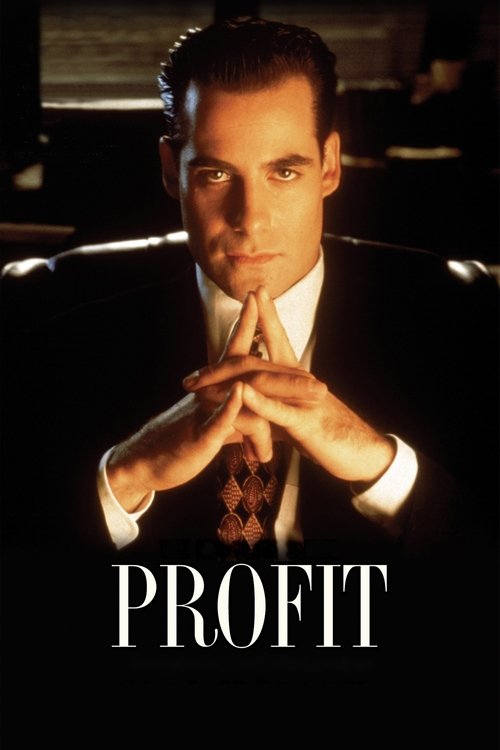
3. Profit
"Profit" was so far ahead of its time, it's a miracle it even aired. This Fox series gave us a corporate anti-hero so amoral, so cunning, he made Gordon Gekko look like a Boy Scout. It was dark, cynical, and gleefully transgressive. Network executives probably didn't know what to do with its serialized nastiness, but it laid crucial groundwork for the morally ambiguous protagonists we'd later embrace on cable.
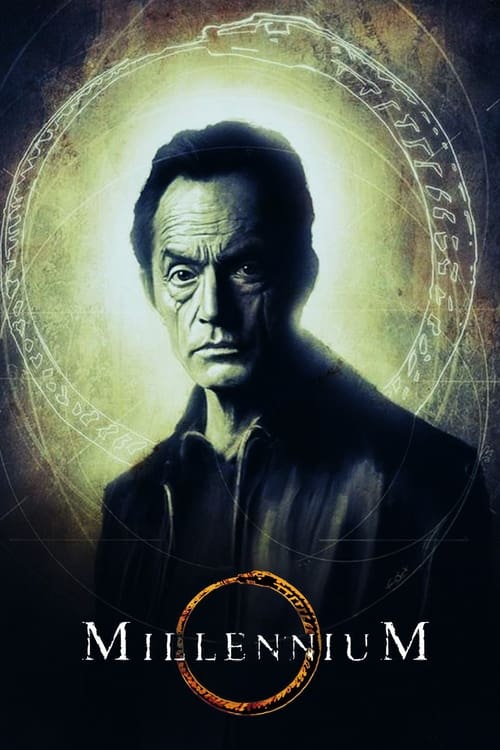
4. Millennium
From the mind behind "The X-Files," "Millennium" delved into the darker corners of human evil. Frank Black, with his unique gift for seeing into the minds of killers, brought a chilling, atmospheric intensity that was distinct from its sci-fi sibling. It explored psychological horror and apocalyptic themes with a serialized depth rarely seen on network TV, proving that audiences were ready for truly disturbing storytelling.
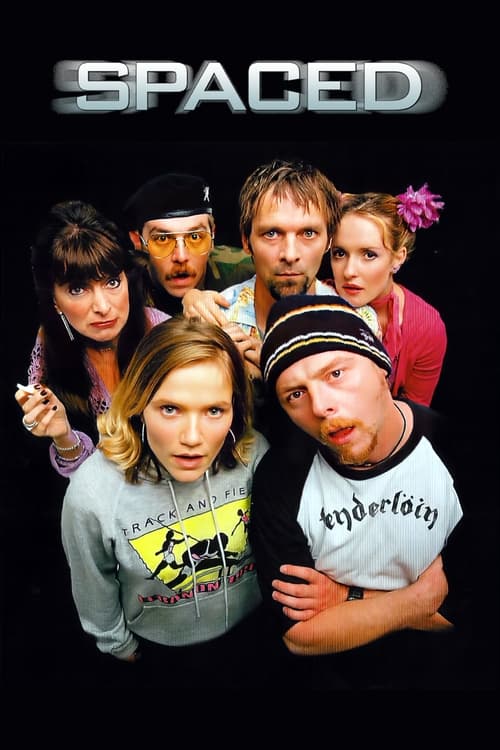
5. Spaced
Edgar Wright and Simon Pegg's "Spaced" was a pop culture explosion wrapped in a sitcom. It played with cinematic techniques, genre spoofs, and a quirky, serialized storyline about two slackers. Its rapid-fire gags, visual inventiveness, and genuine heart made it a cult classic. This show demonstrated how TV comedy could be incredibly smart, referential, and visually dynamic, inspiring a generation of genre-bending creators.
6. Firefly
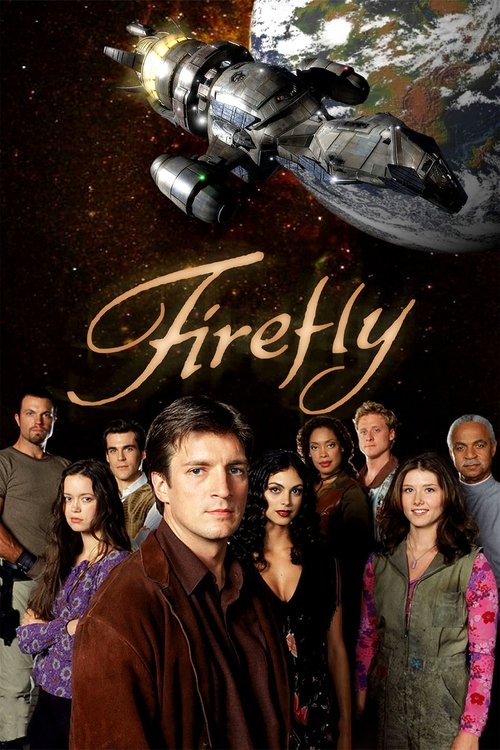
Joss Whedon's "Firefly" was a sci-fi western that captivated with its unique world-building and unforgettable ensemble. Though tragically short-lived, its serialized narrative and lived-in characters fostered an intense fan devotion. It showed that niche genres, when executed with such charm and depth, could build passionate communities. This early example of a show gaining legendary status *after* cancellation hinted at the power of devoted viewership.
7. Carnivàle
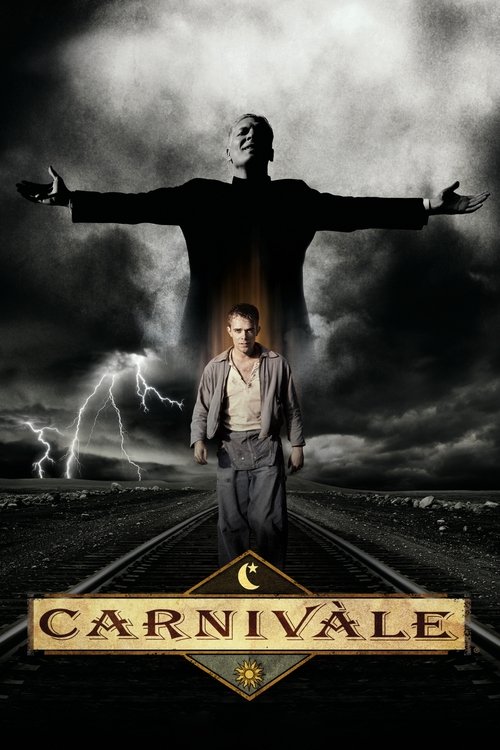
HBO’s "Carnivàle" was an ambitious, visually stunning epic. Set during the Great Depression, it wove a dense, supernatural mythology with a sprawling ensemble cast. This wasn't background noise; it demanded your full attention. Its slow-burn serialization and willingness to tackle grand, complex themes underscored HBO’s emerging reputation for daring, high-quality drama, proving TV could be truly cinematic and enigmatic.
8. Deadwood
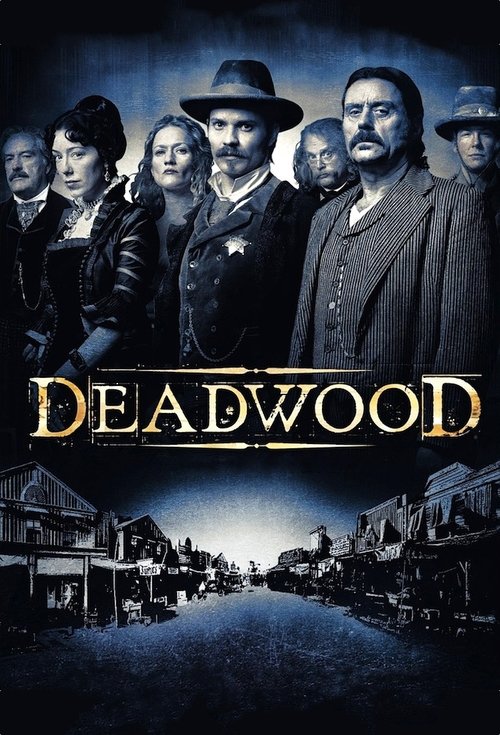
David Milch's "Deadwood" wasn't just a western; it was a masterclass in language and character. Its foul-mouthed poetry and intricate serialized plots, centered on a real-life frontier town, redefined historical drama. Every episode was a dense, rich tapestry of human greed, ambition, and vulnerability. It cemented the idea that television could be literature, boasting an ensemble where every single performance shone.

9. The Comeback
Lisa Kudrow's "The Comeback" was brutally funny and painfully prescient. Valerie Cherish's desperate attempts to reclaim fame through reality TV, shot in a mockumentary style, felt raw and uncomfortable. It satirized celebrity culture and the media's invasive gaze long before it became commonplace. This show was a cringe-comedy trailblazer, showing how a unique format could dissect fame's ugly underbelly.
10. Party Down
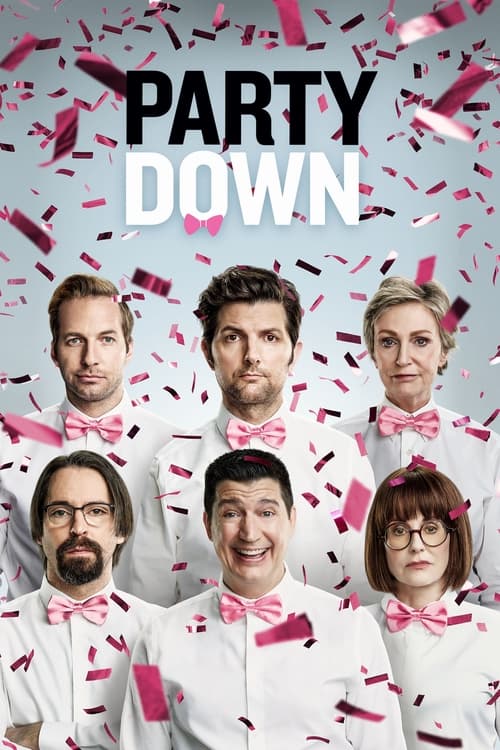
"Party Down" was a brilliant, melancholic comedy about struggling actors working as caterers in Los Angeles. Its ensemble cast was impeccable, delivering sharp, witty dialogue with a palpable sense of existential dread. Each episode, set at a different event, offered a microcosm of their dashed dreams. It proved that a low-key, character-driven comedy could be profoundly funny and deeply resonant, even without big ratings.
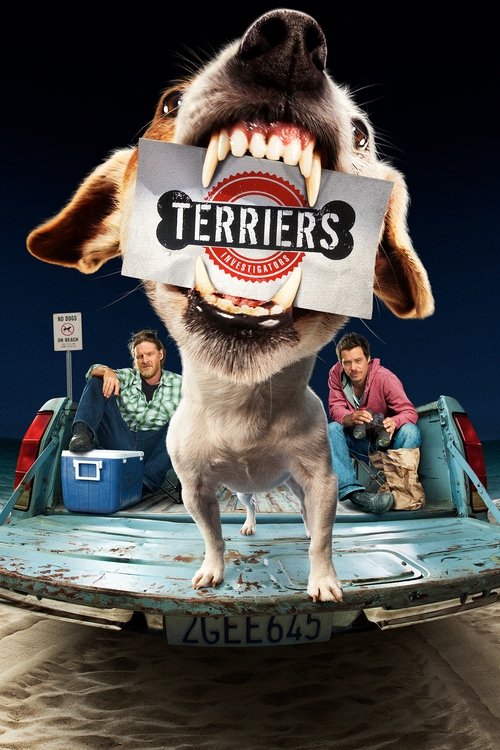
11. Terriers
FX's "Terriers" was a genuine gem, a sun-drenched, noir-ish detective drama that felt more like a movie than a TV show. Its serialized story of two down-on-their-luck PIs was grounded in character and consequence. Despite critical adoration, it never found its audience. This show exemplified the kind of smart, cinematic, character-first storytelling that cable networks were becoming known for, sadly too early for its own good.