1. Playhouse 90
Ah, this was television at its grandest, even in black and white. Live dramas, three cameras, and a sense of occasion you just don't see anymore. They put on plays, real plays, right there in your living room, with top-tier talent. And you felt it, the tension, the raw emotion, the risks they were taking. It showed what the box could do, before anyone knew what to call 'quality television.'
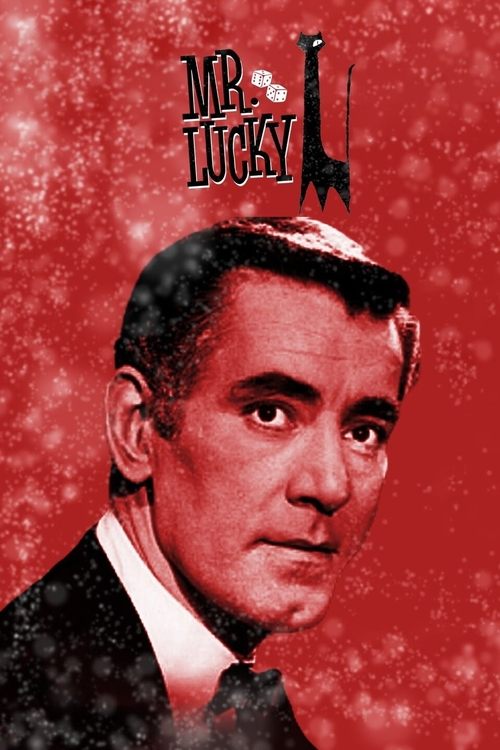
2. Mr. Lucky
Blake Edwards, you knew he had a touch. This was cool, sophisticated stuff. A gambling ship, a sharp dresser, and music that just oozed class. It felt like a movie every week, with a real sense of place and character. Not just stand-alone stories; you wanted to know what Lucky was up to next. A bit of escapism, done with real style, even on a small screen.
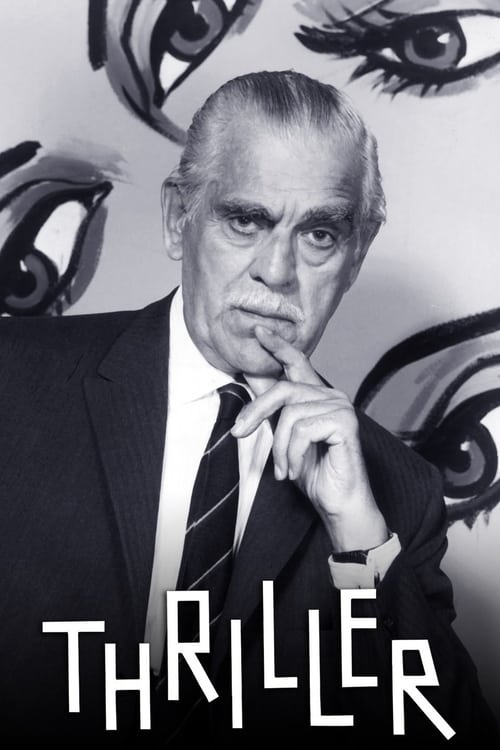
3. Thriller
Boris Karloff introducing a new nightmare each week, that was appointment viewing. It wasn't just cheap scares; it was genuinely unsettling, often quite gothic. And the photography, even in black and white, gave it such a mood. They explored the darker corners, whether it was mystery or outright horror. A masterclass in building suspense, truly.
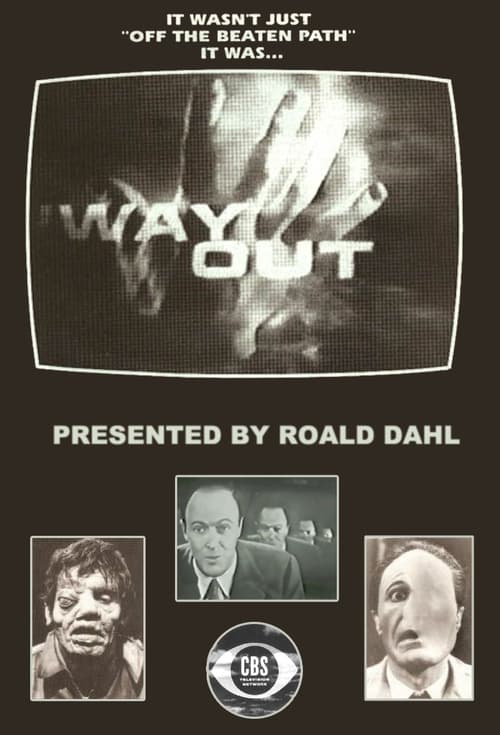
4. Way Out
People forget this one, but Rod Serling tried to go even darker, even more unsettling than his famous other show. Only lasted a season, but it was raw, experimental. Short, sharp shocks of the bizarre and the psychological. And it dared to be really strange, pushing boundaries on what you could put on the screen late at night. A cult classic, no doubt.
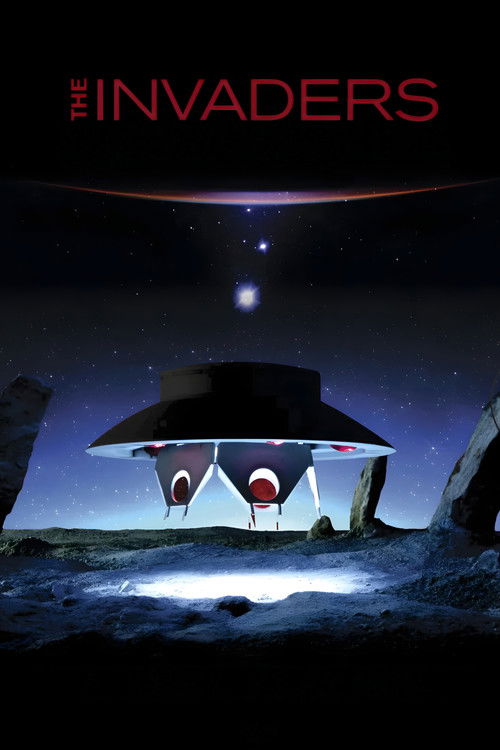
5. The Invaders
Now this, this was paranoia personified. David Vincent, running from aliens who looked just like us, trying to warn a world that wouldn't listen. It had that continuous chase, week after week, a real sense of dread. And even in color, it felt stark, desperate. You were always on the edge of your seat, wondering if he'd ever convince anyone.
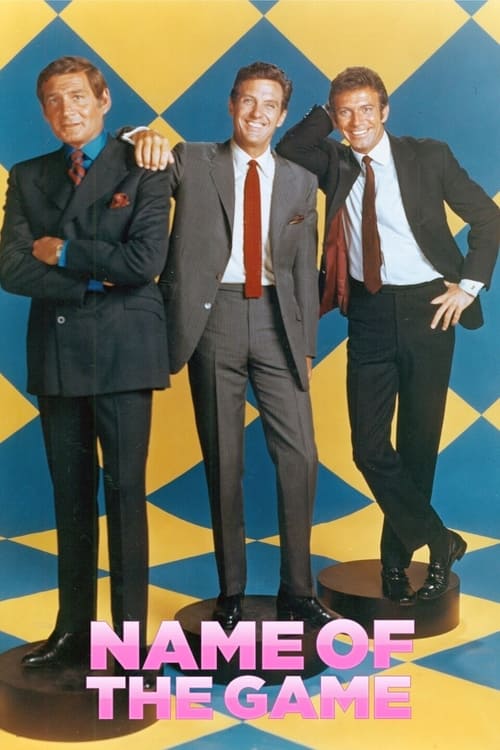
6. The Name of the Game
A big one, ninety minutes long, with rotating leads and a real sense of scale. It was like three different shows in one, but all tied together by the publishing empire. They tried to make TV feel bigger, more important, like a movie every week. And it proved that audiences would stick around for a longer story, not just a half-hour gag.