
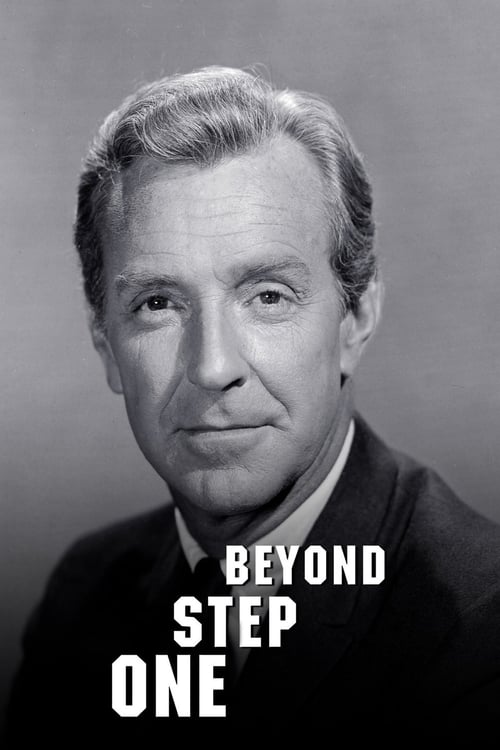
1. One Step Beyond
Oh, this one, it was different. Not like *Twilight Zone* with its neat twists, no. *One Step Beyond* went for the genuinely eerie, the things we just couldn't explain. Al Neuman, he'd just tell you a story, straight, no fuss. And in black and white, mind you, it all felt so much more chilling, like something from an old newsreel. It stuck with you, these true-ish tales, long after the set clicked off. Real atmospheric television.

2. Naked City
"There are eight million stories in the naked city..." And they told 'em, didn't they? This wasn't your studio backlot drama. They took cameras right onto the streets of New York, showing you the real grit, the real people. It felt immediate, like you were right there with the detectives, seeing the city breathe. A groundbreaking piece of work, really, establishing a template for how we’d tell crime stories for decades. A true urban melodrama.
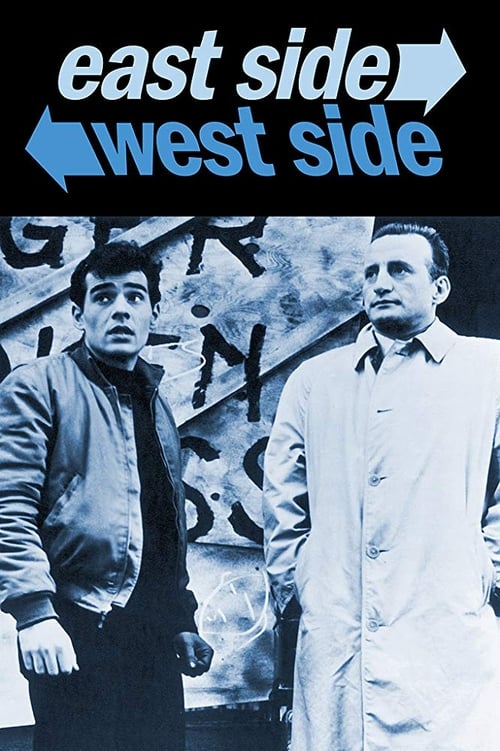
3. East Side/West Side
Now here was television trying to be grown-up. George C. Scott, playing a social worker, no less, dealing with real problems in New York. It was stark, often uncomfortable, and certainly not light entertainment. They tackled things like poverty and racism head-on, in black and white, making you think. It didn't last long, mind you, too heavy for some, but it showed what television *could* do, if it dared to be serious.
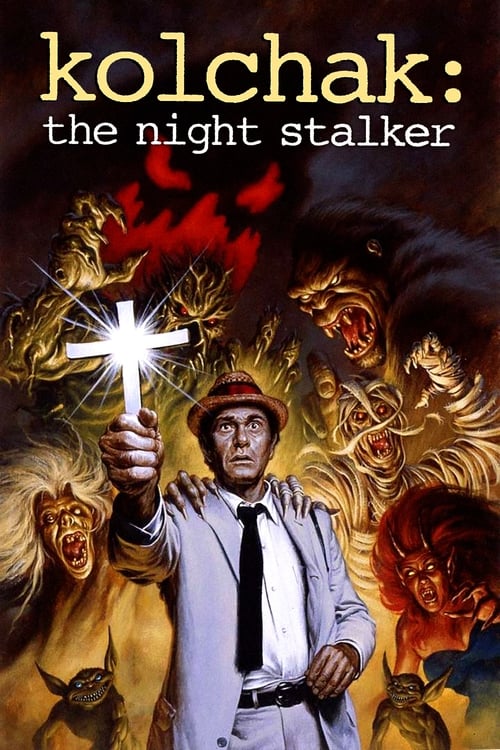
4. Kolchak: The Night Stalker
Carl Kolchak, always chasing the impossible. A newspaper man, remember those? He’d stumble onto vampires and ghouls and creatures, and nobody would ever believe him. It was a good scare, a monster-of-the-week setup, but with that consistent character, that weary cynicism. You rooted for him, even though you knew he'd never win. Had a bit of that old anthology spirit, but with a thread running through it.
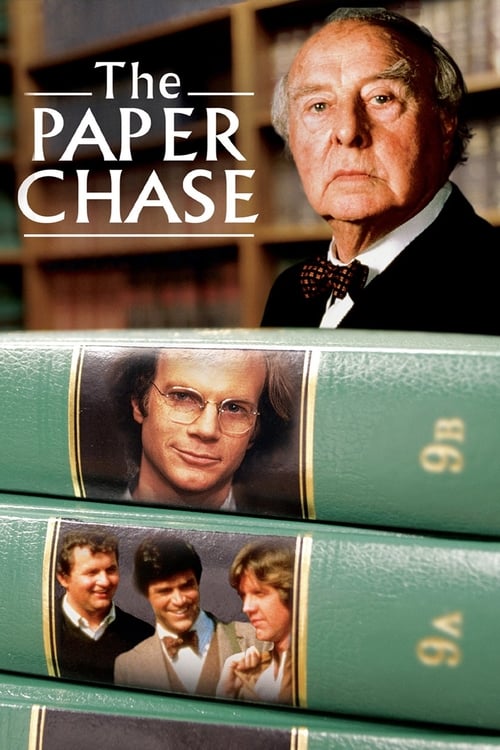
5. The Paper Chase
For those who wanted more than just car chases and laugh tracks. *The Paper Chase* took you right into the cutthroat world of Harvard Law. Professor Kingsfield, a truly formidable presence, made every class feel like life or death. It was smart, character-driven, and explored the sheer intellectual grind. Not a lot of shows dared to be this cerebral back then, really making you think about dedication and ambition.
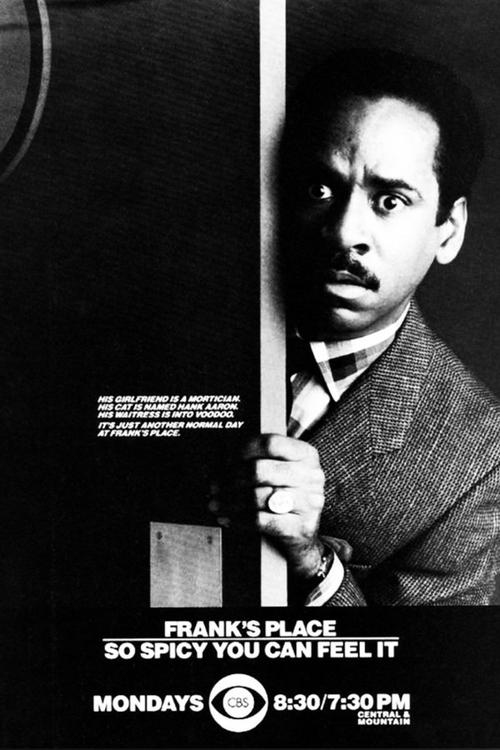
6. Frank's Place
Ah, *Frank's Place*. They called it a sitcom, but it was so much more. No laugh track, for one! Just good writing, wonderful characters, and a real sense of place in New Orleans. It was subtle, warm, and understood human foibles in a way most comedies never even tried. It felt like a little play every week, a quiet revolution in how you could do half-hour television. Shame it didn't last longer.