

1 / 6

1. System Shock 2
Released in 1999, System Shock 2 blurred genre lines, marrying first-person shooting with deep RPG mechanics and psychological horror. Its environmental storytelling, delivered largely through audio logs, created an unparalleled sense of dread and isolation. This game pioneered elements crucial to modern immersive sims and horror titles, influencing everything from BioShock to Dead Space with its atmospheric design and emergent gameplay.
2 / 6

2. Planescape: Torment
Planescape: Torment (1999) defied RPG conventions, prioritizing narrative depth and philosophical inquiry over combat. Its protagonist, the Nameless One, and a cast of memorable companions explored questions of identity, mortality, and redemption in a bizarre, Planescape universe. This game proved that an RPG's true power lay in its storytelling and character development, setting a high bar for narrative ambition in the genre.
3 / 6

3. Vagrant Story (2000)
Vagrant Story (2000) from Squaresoft was a masterclass in atmospheric world-building and intricate mechanics. Its unique risk/reward combat system, weapon crafting, and deep customization were ahead of their time, demanding strategic thinking beyond typical JRPGs. The game’s dark, mature narrative and beautiful pre-rendered environments created an almost cinematic experience, proving that action RPGs could offer both depth and style.
4 / 6
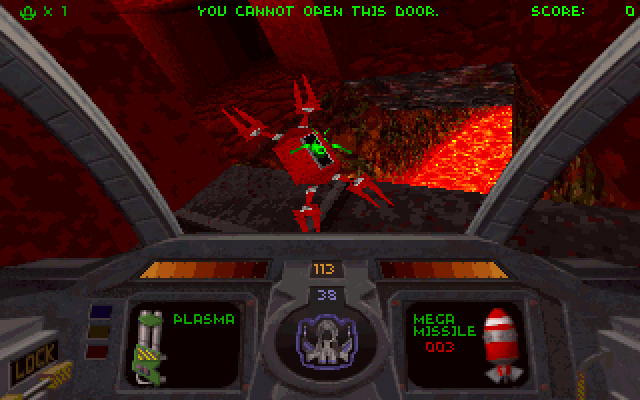
4. Descent (1996)
Descent (1995, often remembered for its 1996 ports) revolutionized first-person shooters by introducing true 6-degrees-of-freedom movement. Players piloted a spacecraft through claustrophobic mining tunnels, navigating up, down, forward, backward, and rotating on all axes. This unprecedented control scheme demanded a new kind of spatial awareness, laying groundwork for future space combat simulations and even influencing how we perceive and interact with 3D environments in games.
5 / 6
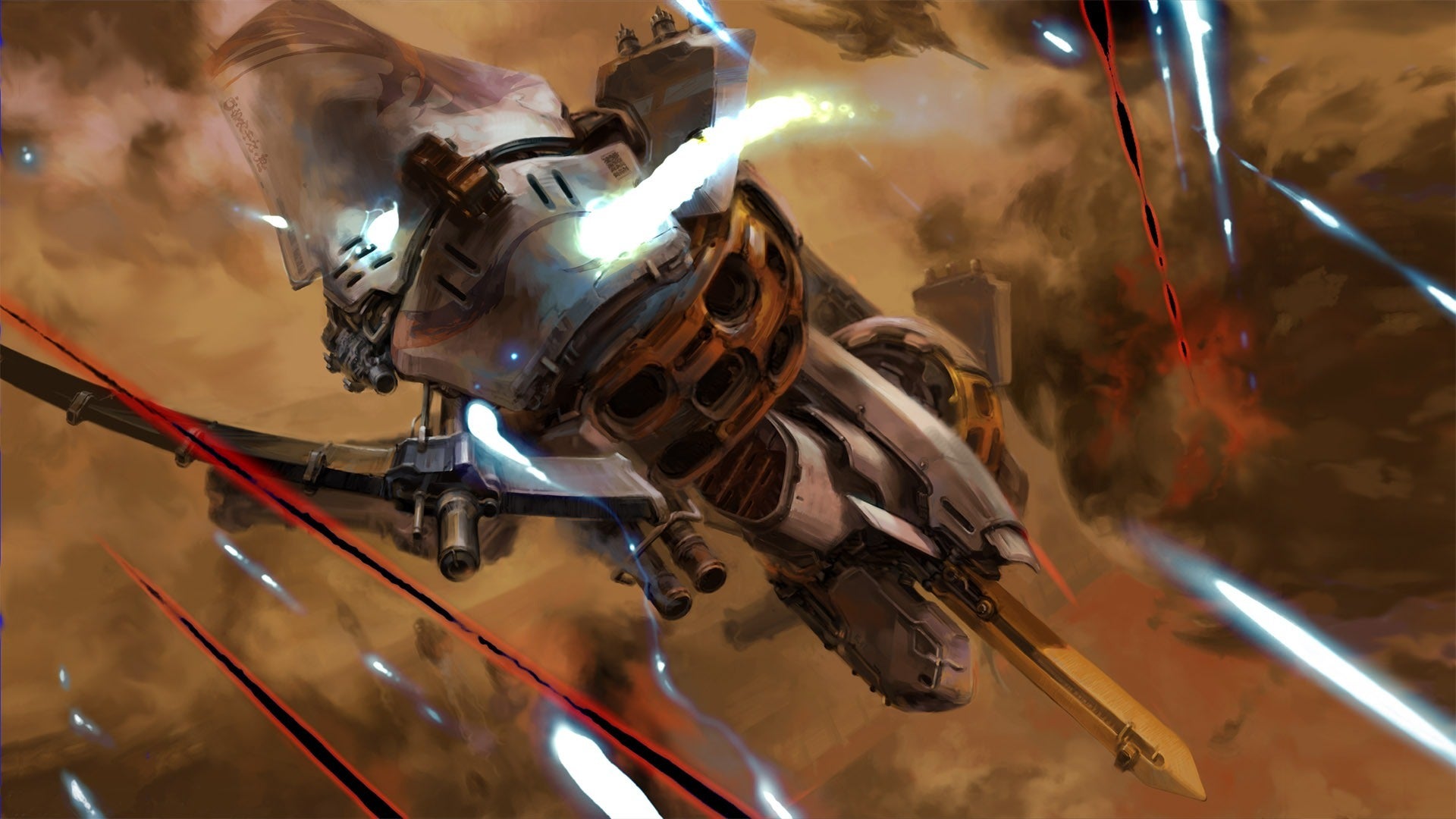
5. Ikaruga
Ikaruga (2001) redefined the "bullet hell" shooter with its innovative polarity-switching mechanic. Players absorbed bullets of one color while being vulnerable to the other, adding a strategic puzzle layer to the intense action. This elegant design elevated the genre beyond mere reflex tests, demanding calculated decisions and pattern recognition. Its influence is evident in countless modern arcade-style games seeking to blend action with intelligent design.
6 / 6
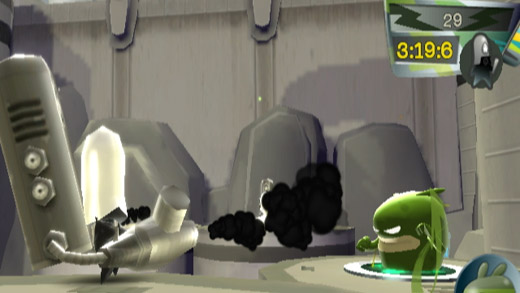
6. de Blob
de Blob (2008) delivered a joyful, vibrant experience by turning environmental transformation into its core mechanic. Players rolled through a colorless city, splattering paint to restore life and music. This innovative approach to platforming and puzzle-solving, coupled with its charming aesthetic and dynamic soundtrack, offered a refreshing contrast to the era's grittier titles. It proved that simple, creative concepts could yield profoundly engaging gameplay.