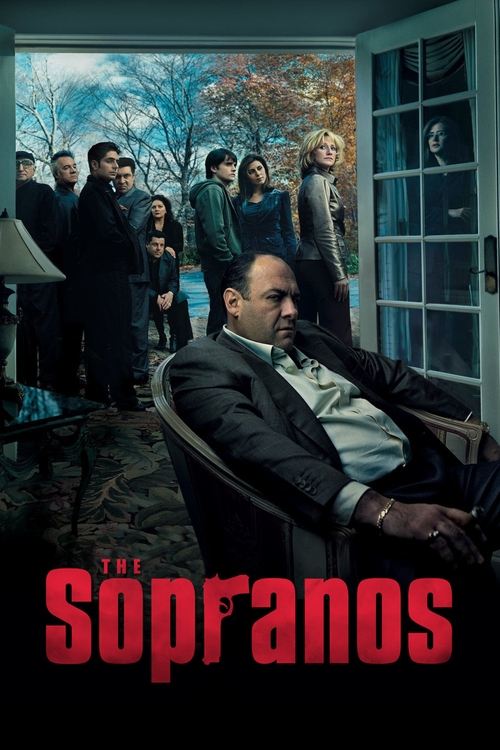
1. The Sopranos
Before Tony, TV felt like a series of clean breaks, neat resolutions. *The Sopranos* shattered that, digging into the morally gray, blurring lines between family, business, and therapy. It wasn't just a crime drama; it was a deep character study that dared you to look away, cementing HBO as the powerhouse for serialized storytelling. This was the blueprint for how television could be truly cinematic and deeply unsettling.
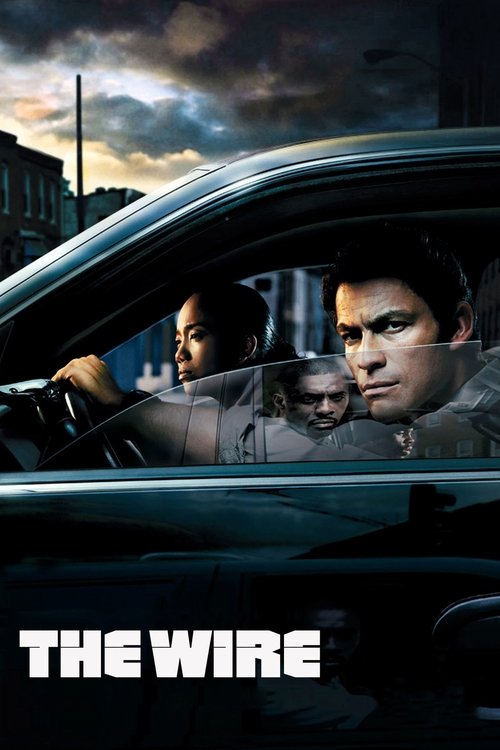
2. The Wire
Forget good guys and bad guys; *The Wire* showed you a system. Every season peeled back another layer of Baltimore – the streets, the docks, the politicians, the schools. It was sprawling, methodical, and didn't hold your hand. This wasn't just a show; it was a masterclass in ensemble storytelling and social critique, proving television could be as complex and vital as any novel, demanding your full attention.
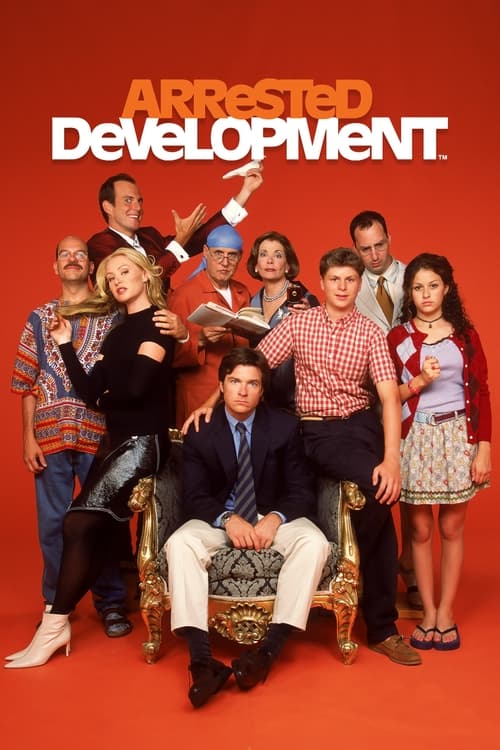
3. Arrested Development
This was pure comedic genius, a mockumentary that redefined the form with its rapid-fire jokes and meta-narrative. The callbacks, the narrator's knowing wink, the layered gags – it created a world so specific and absurd, it felt like a secret club you were lucky to join. It showed how smart, serialized comedy could thrive, demanding attention to detail while still being hilariously, painfully relatable, setting a high bar for what followed.
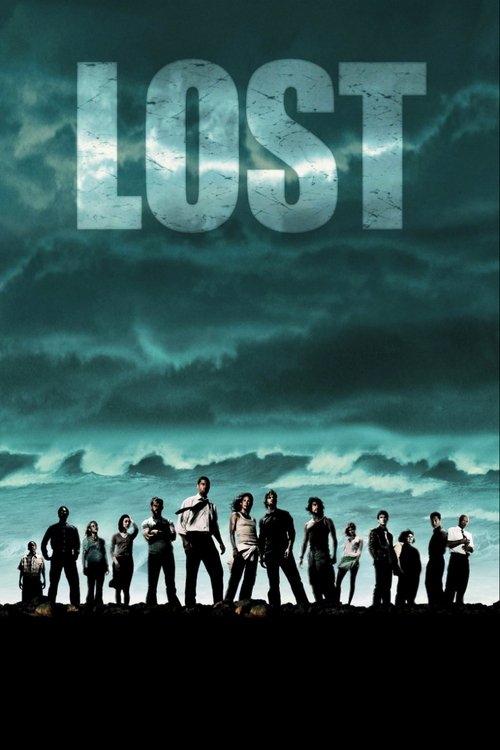
4. Lost
On network TV, no less, *Lost* pulled off serialized mystery on a grand scale. The pilot alone was cinematic, but the weekly cliffhangers and character-driven mythology kept everyone talking, dissecting theories online. It proved that a broad audience craved complexity and long-form narrative, even if the ending became a major talking point. It pushed the boundaries of what prime-time could do, opening doors for more ambitious storytelling.
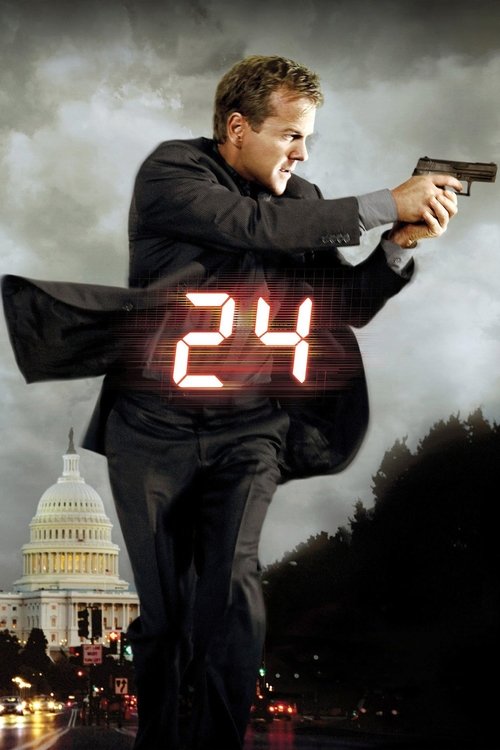
5. 24
Real-time storytelling felt like a gimmick until *24* proved it could be relentlessly gripping. Jack Bauer's impossible day, split screens, ticking clocks – it was pure adrenaline, a procedural elevated by its serialized urgency. It delivered cable-level intensity and stakes to network television, making you feel every second of the countdown. You couldn't just tune in; you had to commit, and it paid off with heart-pounding suspense.

6. Six Feet Under
HBO really leaned into the dark, character-driven stuff, and *Six Feet Under* was a prime example. Centered on a family running a funeral home, it explored mortality, grief, and the messy business of living with a raw honesty rare for television. Its blend of morbid humor and profound emotion, wrapped in truly unique storytelling, felt deeply human and groundbreaking, proving cable could tackle life's biggest questions.
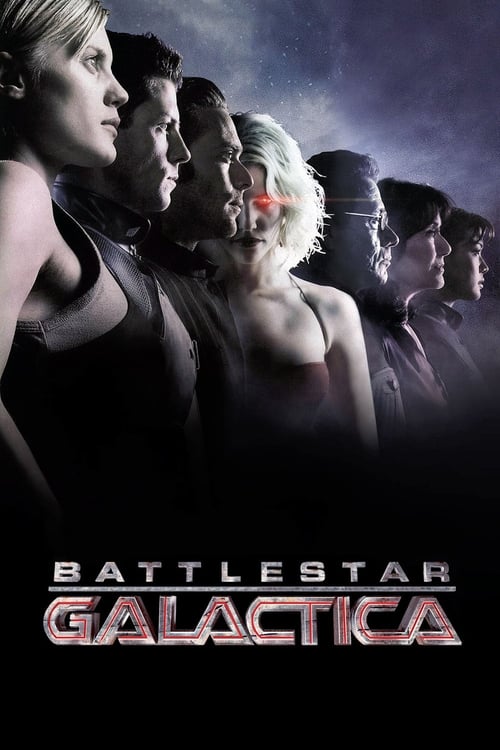
7. Battlestar Galactica
Who knew a reboot could be this good? *Battlestar Galactica* wasn't just sci-fi; it was a gritty, serialized epic wrestling with war, politics, religion, and what it means to be human. Its serialized narrative, complex characters, and cinematic production values elevated the genre, proving that smart, challenging drama could live in space, even on a basic cable network, and become a critical darling.
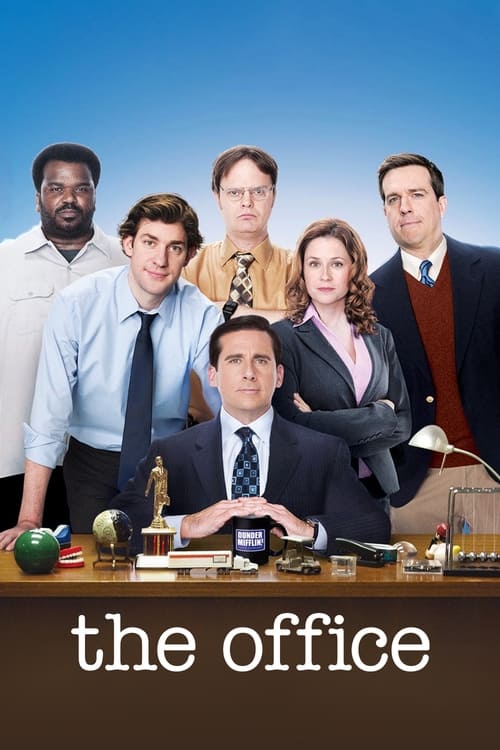
8. The Office
Taking the mockumentary format and making it a sitcom phenomenon, *The Office* perfected the cringe-comedy of everyday workplace absurdity. Its ensemble cast delivered relatable, often awkward, humor with genuine heart. It showed how serialized character arcs and deeply emotional stakes could make a comedy feel lived-in and profoundly resonant, becoming a benchmark for workplace sitcoms and proving that a camera crew could make anything interesting.
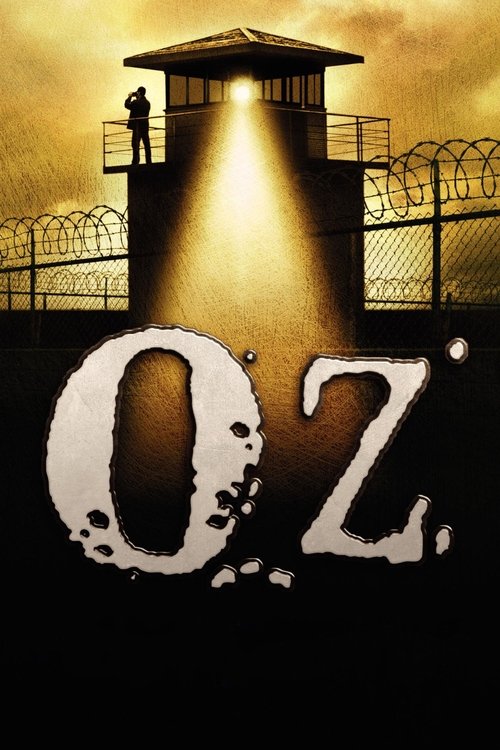
9. Oz
Before *The Sopranos*, *Oz* was HBO showing its teeth. This wasn't network TV; it was a brutal, uncompromising look inside a maximum-security prison. Its serialized narrative, ensemble cast, and willingness to go dark, really dark, pushed boundaries and proved cable could tell stories broadcast wouldn't dare touch. It was raw, unsettling, and utterly groundbreaking, establishing HBO's reputation for taking risks.