

1. Killer of Sheep
Yo, Charles Burnett's "Killer of Sheep" is pure unsung genius from '78. It's not about grand narratives; it's just raw, poetic realism showing the daily grind of a Black family in Watts, L.A. The vibes are so authentic, you feel like you're right there. This film captures the quiet struggles and small joys with such a tender, honest lens. It's a masterclass in independent filmmaking, reminding us that powerful stories often live in the most ordinary moments. Seriously, if you haven't seen it, you're missing out on a vital piece of cinema history.
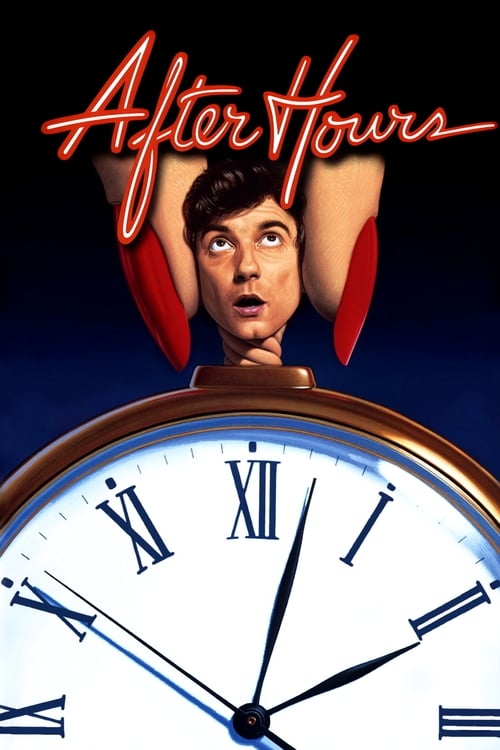
2. After Hours
Scorsese doing surreal dark comedy? Yep, that's "After Hours" from '85. This flick is basically what happens when your night out in NYC goes from kinda weird to full-blown existential nightmare, and you just can't escape. Paul Hackett's odyssey through downtown Manhattan is a masterclass in escalating absurdity and urban paranoia. It’s hilariously messed up, a total fever dream that captures that specific '80s anxiety of being trapped in a bizarre, unforgiving city. Underrated Scorsese, for real.
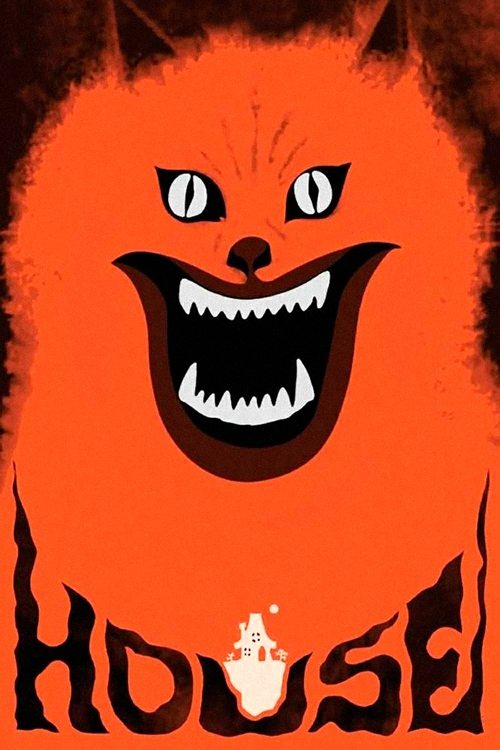
3. House
Okay, "House" (1977) by Nobuhiko Obayashi is not just a movie, it's an *experience*. Imagine if a fever dream and a children's storybook had a baby, and that baby was also on a psychedelic trip. This Japanese horror-comedy is visually bonkers, endlessly inventive, and genuinely creepy in the most surreal ways. The practical effects and vibrant colors create a vibe that's unlike anything else. It’s a total trip, a cult classic that needs to be seen to be believed, and then probably rewatched immediately.
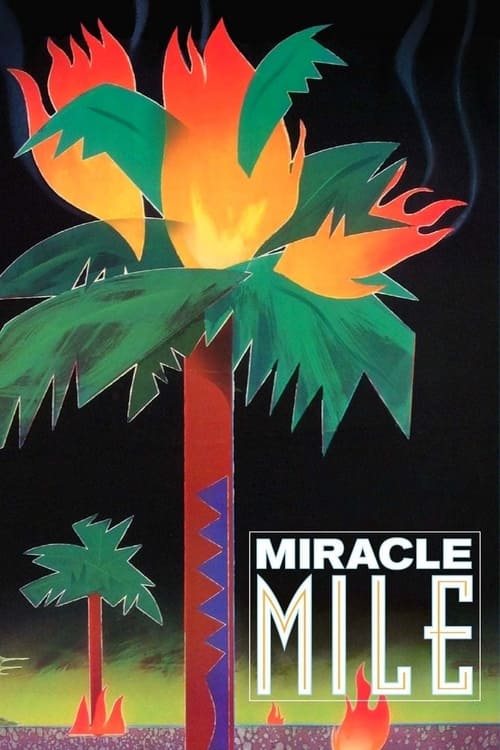
4. Miracle Mile
Miracle Mile (1989) is basically a real-time anxiety attack disguised as a movie. Our dude Harry picks up a wrong phone call and suddenly he's got 70 minutes until nuclear annihilation. Set in L.A., this film perfectly captures that late-80s Cold War paranoia, escalating from a sweet meet-cute to full-blown apocalyptic panic. It’s intense, claustrophobic, and surprisingly romantic amidst the chaos. A true cult gem that'll have you on the edge of your seat, wondering what you'd do with your last hour.
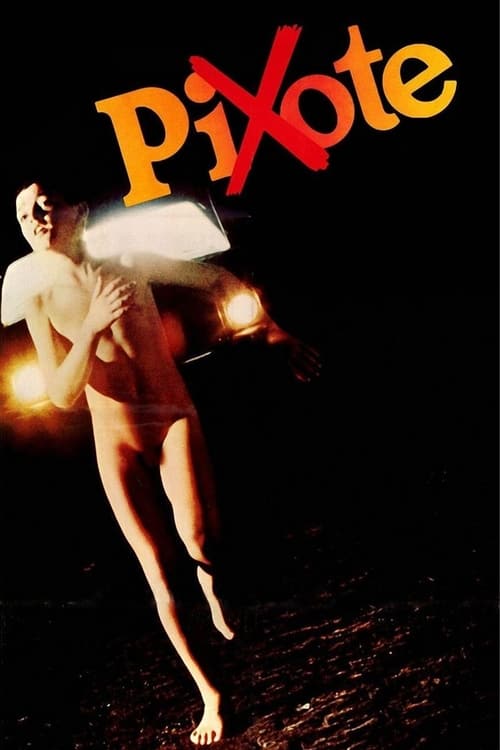
5. Pixote
"Pixote" (1980) from Brazil is a gut punch, but in the most necessary way. It's a raw, unflinching look at the harsh reality of street children in São Paulo, following the titular character through juvenile detention and crime. Hector Babenco’s film doesn't pull any punches, exposing systemic failures and child exploitation with brutal honesty. The performances, especially from the non-professional young actors, are heartbreakingly authentic. It's a powerful, devastating piece of social commentary that sticks with you long after the credits roll.
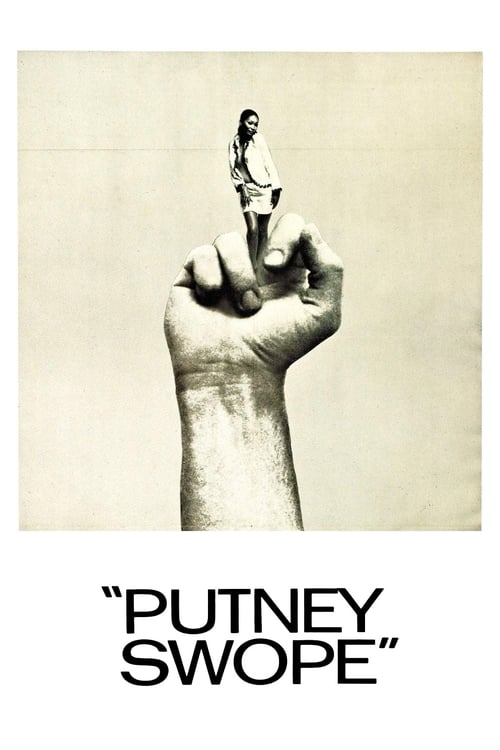
6. Putney Swope
Robert Downey Sr.'s "Putney Swope" (1969) is pure, unadulterated counter-culture chaos. This satirical masterpiece skewers the advertising world when a Black executive accidentally takes charge and rebrands everything with radical, anti-establishment messages. It’s wild, irreverent, and often makes zero sense, but that's the point. The film's energy is infectious, blending sharp social commentary on race and consumerism with surreal humor. It’s a blast from the past that feels shockingly relevant today, proving true rebellion never really goes out of style.
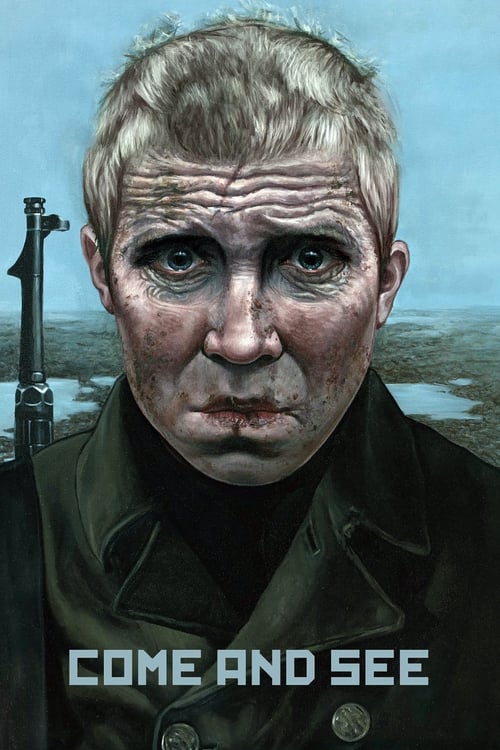
7. Come and See
Fair warning: "Come and See" (1985) is not a casual watch; it's a visceral, harrowing journey through WWII's Eastern Front. This Soviet anti-war film follows a young boy, Flyora, as he witnesses unimaginable atrocities, and it truly makes you *feel* the psychological toll of conflict. Elem Klimov doesn't romanticize anything; it's a brutal, unflinching portrayal of humanity's darkest moments, using disturbing realism to convey the horror. This film is essential viewing for its powerful, unforgettable message about the true cost of war.