

1. Alfred Hitchcock Presents
Hitchcock, you see, was television’s original master of ceremonies. Each week, he’d saunter in, a portly silhouette introducing some grim little tale. And often, these were taut, psychological dramas, shot in stark black and white, making the shadows feel twice as deep. Not grand spectacles, mind you, but intimate, unsettling puzzles. His presence alone was the show’s star, a promise of a clever twist. It truly made you sit up and pay attention, which was no small feat in those early years.
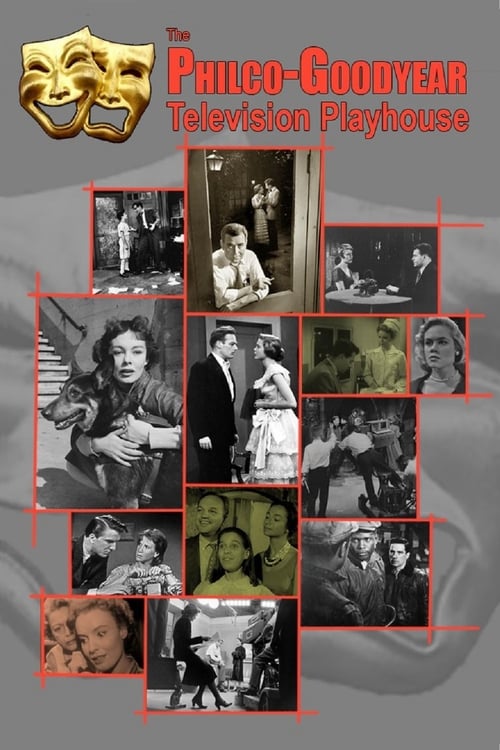
2. Goodyear Television Playhouse
Goodyear, now that was live television, pure and unfiltered. Every Sunday, a new play unfolded, right there before your eyes, with all the raw energy and occasional flubs that implied. And what performances! Before film dominated, this was where actors truly honed their craft, delivering intricate human dramas in real-time. It was a crucible for talent, a weekly event where you felt the tension of the stage translate, imperfectly but powerfully, to the small screen. A true artifact of an exciting, fleeting era.
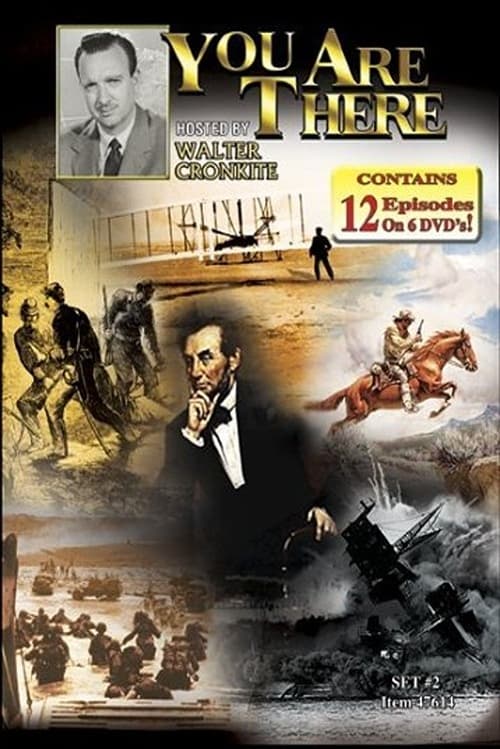
3. You Are There
Walter Cronkite, before he became the nation’s trusted voice, would transport you back in time. Imagine, historical events unfolding as if they were live news reports! It was such a novel concept, blending education with dramatic flair. And the black-and-white photography, often looking like newsreel footage, only heightened the illusion. It felt immediate, even though you knew it was a reenactment. They made history feel like it was happening *right now*, a clever trick for the nascent medium.
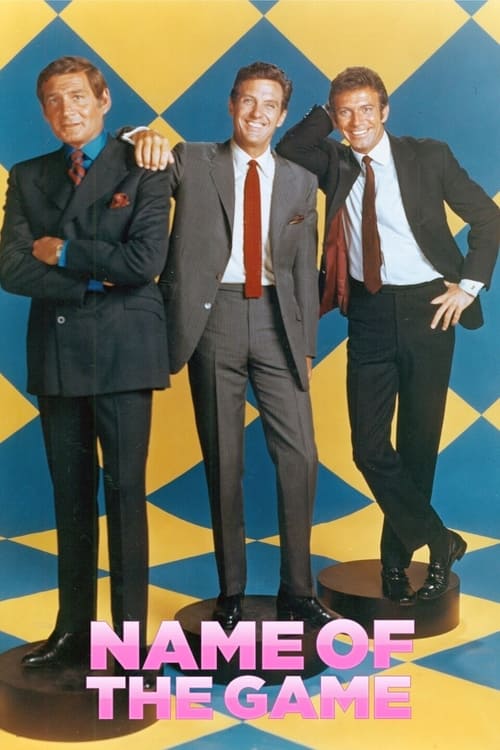
4. The Name of the Game
This was ambitious, a proper ninety-minute drama, quite the commitment for weekly television. And with three rotating leads, it was an early attempt at what we now call a shared universe, or maybe even long-form continuity. Each week, a different character's story took center stage within the same publishing empire. It felt grander than most episodic fare, almost like watching a different movie every Friday night. A bold experiment, and it often delivered substantial, complex tales.
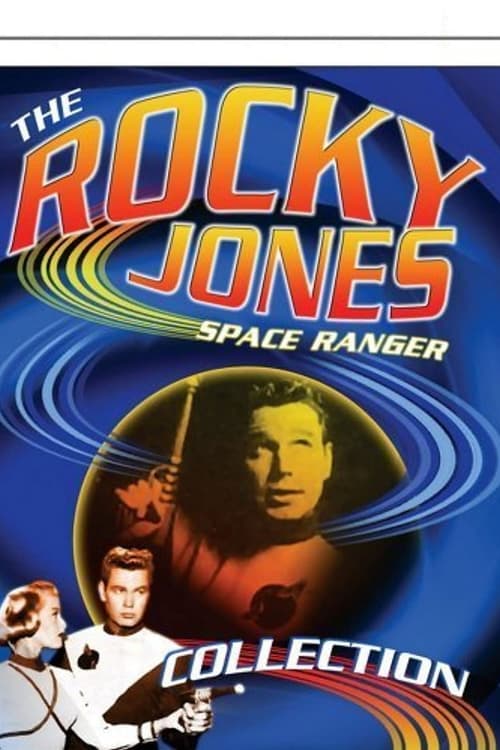
5. Rocky Jones, Space Ranger
Oh, Rocky Jones! A true space opera for the kiddies, cobbled together on a shoestring budget. But what an imagination it sparked! Each week, Rocky and his crew would blast off, facing rubber-suited aliens and rather wobbly spaceships. It was pure, unadulterated adventure, often serialized in those exciting cliffhanger chapters. And though the effects were primitive, they fired up the imagination, proving that even early television could take you to the stars, albeit on a very tight budget.
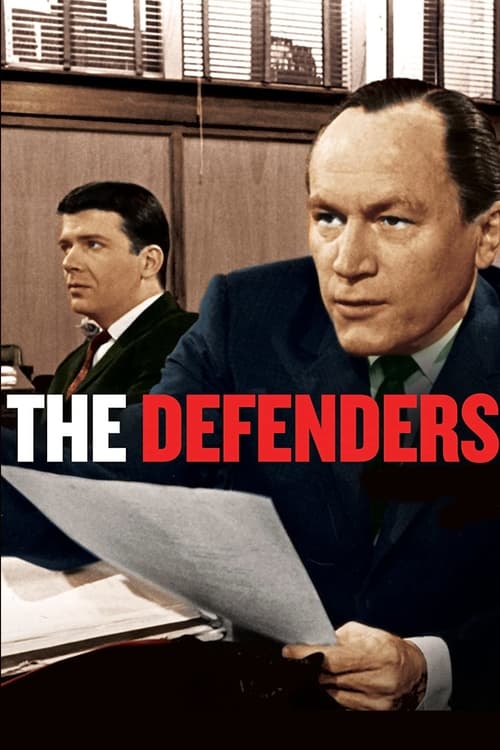
6. The Defenders
Now, this wasn't just another courtroom show; *The Defenders* tackled serious issues, often quite controversial for its time. They delved into civil liberties, censorship, even euthanasia, all through the lens of a father-son law firm. And in crisp black and white, the moral ambiguities felt even starker. It was intelligent, thought-provoking television, challenging viewers with complex ethical dilemmas week after week. Truly, it elevated the dramatic form, proving television could be more than just escapism.