

1 / 7
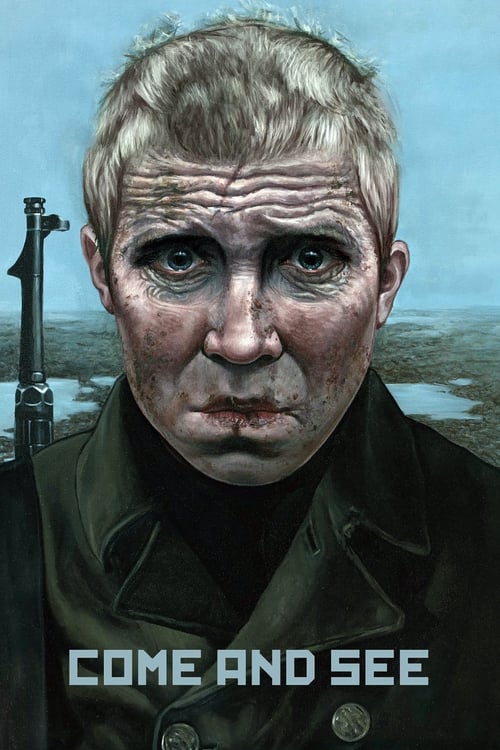
1. Come and See
Elem Klimov's harrowing journey through the Belarusian forests during WWII isn't simply a war film; it's an immersive, psychological descent into hell. The camera, often subjective, forces a visceral connection with the young protagonist, Florya, as he witnesses unimaginable brutality. It leaves an indelible mark, demonstrating cinema's capacity to confront historical trauma with unflinching, almost hallucinatory realism, a truly transformative experience.
2 / 7

2. Werckmeister Harmonies
Béla Tarr and Ágnes Hranitzky craft a bleak, mesmerizing vision of a Hungarian town thrown into chaos by a mysterious circus exhibit. Shot in long, deliberate takes, the film's monochromatic palette and stark compositions evoke a profound sense of existential dread and societal collapse. It's an almost sculptural work, where every frame feels meticulously placed, drawing you into its suffocating, yet oddly beautiful, world of impending doom.
3 / 7

3. Kwaidan
Masaki Kobayashi's anthology of Japanese ghost stories is a feast for the senses, a masterclass in atmospheric horror. Each tale is visually stunning, utilizing vibrant colors, elaborate sets, and stylized effects to conjure a dreamlike, almost theatrical, world where the supernatural is palpable. It’s less about jump scares and more about an unsettling elegance, a deeply cultural exploration of fear and folklore that lingers long after viewing.
4 / 7
4. The Vanishing
George Sluizer's original Dutch-French thriller is a chilling exercise in psychological dread, following a man's obsessive search for his vanished girlfriend. Its power lies in the methodical, almost clinical, unraveling of human depravity and the terrifying implications of unresolved obsession. The film masterfully builds tension through understated performances and a relentless, unsettling narrative, culminating in one of cinema's most disturbing and unforgettable endings.
5 / 7

5. My Dinner with Andre
Louis Malle's film is essentially a two-hour conversation between actor-playwrights Wallace Shawn and Andre Gregory, yet it’s utterly captivating. Shot intimately in a New York restaurant, their philosophical discourse spans art, life, spirituality, and societal disillusionment, inviting the audience to eavesdrop on a deeply personal, intellectual exchange. It transforms a simple premise into a profound exploration of human connection and the search for meaning.
6 / 7

6. The Discreet Charm of the Bourgeoisie
Luis Buñuel's surrealist masterpiece satirizes the absurd rituals of the upper class, as a group of friends repeatedly attempts to have dinner, only to be thwarted by increasingly bizarre interruptions. Its dream logic, non-sequiturs, and sharp social commentary create a uniquely disorienting and darkly humorous experience. Buñuel brilliantly exposes the fragility and hypocrisy beneath polite society’s veneer, a delightful, unsettling comedic journey.
7 / 7

7. Harakiri
Masaki Kobayashi’s samurai epic is a stark, powerful critique of the samurai code and feudal hypocrisy. Through a masterfully structured flashback narrative, it reveals a tale of betrayal, honor, and revenge, underpinned by stunning black-and-white cinematography. Tatsuya Nakadai’s performance is legendary, anchoring a film that is both a thrilling jidaigeki and a profound social commentary, leaving an enduring impression of tragic dignity.