
#1

Wicker
People forgot what raw material feels like on screen until this landed in theatres last week. A pariah fisherwoman by the sea gets tired of her conservative neighbours sneering at her stench and solitude, so she commissions a spouse woven straight from wicker. The resulting town outrage and jealousy hits hard. It relies on physical presence and tactile set-pieces rather than shiny digital shortcuts. Put this on a proper dual-layer disc with an uncompressed audio track soon.
#2

November
Rainer Sarnet shot this Estonian folklore nightmare in stark monochrome, and streaming compression absolutely butchers those deep, velvety shadows. Get the Blu-ray. The Kratts—creatures cobbled together from rusty scythes, spinning wheels, and cow ribs—clatter with genuine mechanical weight. The sound mix makes every footstep in the freezing mud ache. It captures the stink of plague and peasant greed through sheer composition and lighting, proving you do not need hundred-million-dollar render farms to stage true rural myth.
#3

Little Otik
Jan Švankmajer remains the patron saint of physical filmmaking. He takes an old Czech fairy tale about a childless couple adopting an uprooted tree stump and animates the wood with terrifying, jerky stop-motion precision. The foley work is disgusting in the best possible way—wet chewing, splintering bark, greasy slurps that rattle your speakers. It is dirty, tactile, and uncomfortable. Watch it on a physical format so the 35mm grain resolves properly instead of smearing into macroblocking muck.
#4

The Company of Wolves
Neil Jordan built this entire Gothic fever dream inside Shepperton Studios, and you can smell the damp peat moss on those soundstages. The practical wolf transformations put modern computer graphics to shame; skin tearing away to reveal glistening red muscle and real wolf snouts bursting from human throats. Bryan Loftus lit the fog and painted backdrops with rich theatrical density. They do not build fantasy sets like this anymore, opting for sterile green voids that age terribly.
#5

You Won't Be Alone
Goran Stolevski frames 19th-century rural Macedonia in an intimate 1.44:1 aspect ratio, keeping his lens trapped right in the dirt with the peasants. The shape-shifting witch steals identities by physically carving out organs and taking host bodies, treating blood and flesh as messy mechanical labor. Shot mostly with natural light, the frames breathe with honest dust and morning mist. The sound design catches every dry leaf and strained gasp. It cuts right to the bone without theatrical gloss.
#6

Tale of Tales
Matteo Garrone bypassed plastic digital trends by staging Giambattista Basile’s baroque fables in real European castles and rocky gorges. When Salma Hayek eats a sea monster’s boiled heart, that hulking prop looks heavy, grisly, and foul. The giant trained flea is a marvellous feat of practical rigging and puppet craft. Peter Suschitzky’s cinematography keeps the lighting grounded and painterly. You feel the rough wool of the costumes and the cold stone underfoot in every single frame.
#7
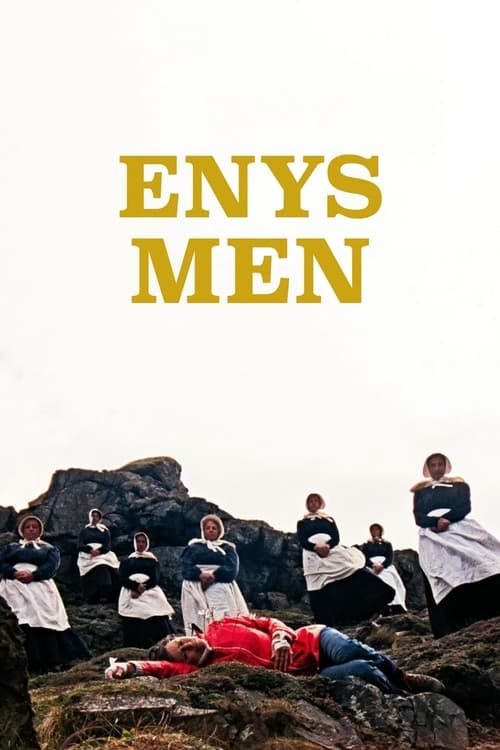
Enys Men
Mark Jenkin shot this Cornish isolation tale on a clockwork 16mm Bolex, hand-processing the film stock until every scratch, hair, and photochemical stain became part of the scenery. A wildlife volunteer tracks flowers on an empty granite island while lichen slowly grows on human skin. Jenkin rebuilt the entire audio track from scratch on magnetic tape, resulting in harsh, clanging foley cuts that pierce the room. It feels dug up from a forgotten archive vault, raw and unapologetic.
#8

Eyes of Fire
Avery Crounse dragged his crew into the Missouri backwoods on a shoe-string budget and conjured pioneer dread through pure optical printer wizardry and in-camera double exposures. Mud-caked settlers wander into an enchanted valley where the trees literally sprout trapped human faces. You see the film grain boiling, the practical mud caking the actors’ teeth, and the optical solarization shimmering across the emulsion. Severin’s recent disc transfer finally cleans up decades of muddy bootleg tape rot.
#9

Pinocchio
Forget the slick animated versions; Matteo Garrone treated Collodi’s classic like an earthy Tuscan historical piece. Mark Coulier spent four hours a day applying foam latex prosthetics to young Federico Ielapi, turning the boy into an actual chipped wooden puppet with visible grain and paint cracks. The snail woman’s trailing slime and the donkey transformations carry genuine weight because they exist in front of the lens. It has the dust, sweat, and poverty of real Italian countryside.
0 / 9