

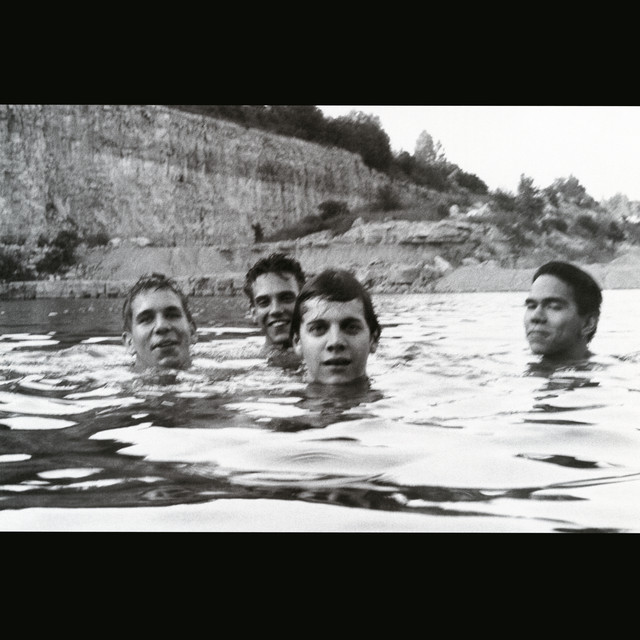
1. Spiderland
Man, `Spiderland` wasn't just an album; it was a blueprint getting drawn in real-time. This 1991 record felt like the quiet before an earthquake, every angular guitar riff and spoken-word vocal loaded with an unsettling tension. It wasn't loud in the grunge way, but its math-rock precision and post-rock narrative created a dark, brooding space that felt impossibly vast. It truly defined a certain kind of intellectual urgency in early 90s indie.

2. Clouds of Pink
`Clouds of Pink` from 1994, with its double-guitar weaves and hushed vocals, felt like a secret. It wasn't trying to be big; it was about the small, intricate details. The way those guitars intertwined, slowly building layers of melancholic beauty, showed a different kind of indie rock. It was understated, patient, and completely immersive, proving that you didn't need grand gestures to make a profound statement. This one just sinks in.
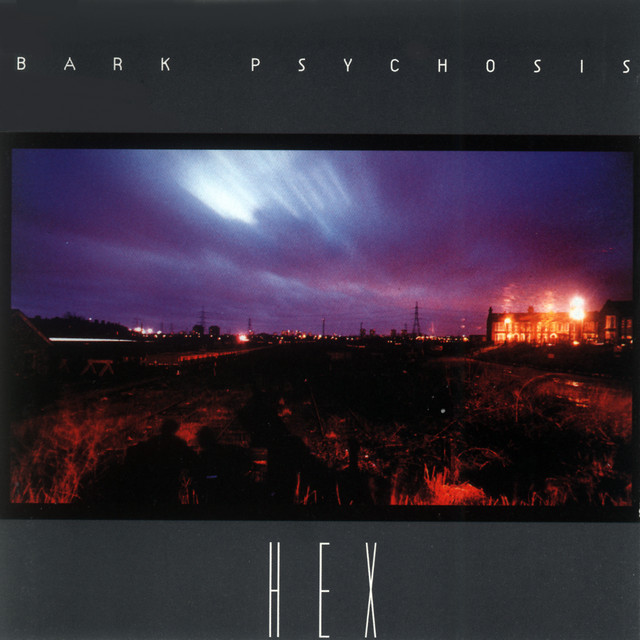
3. Hex
`Hex` (1994) is one of those records that still feels like a transmission from another dimension. Bark Psychosis essentially coined "post-rock" with this, blending jazz textures, ambient washes, and rock dynamics into something hauntingly beautiful. It wasn't about the hooks, but the mood – the sprawling soundscapes and whispered vocals that pulled you into its intricate, melancholic world. It’s a masterclass in atmosphere and sonic exploration.
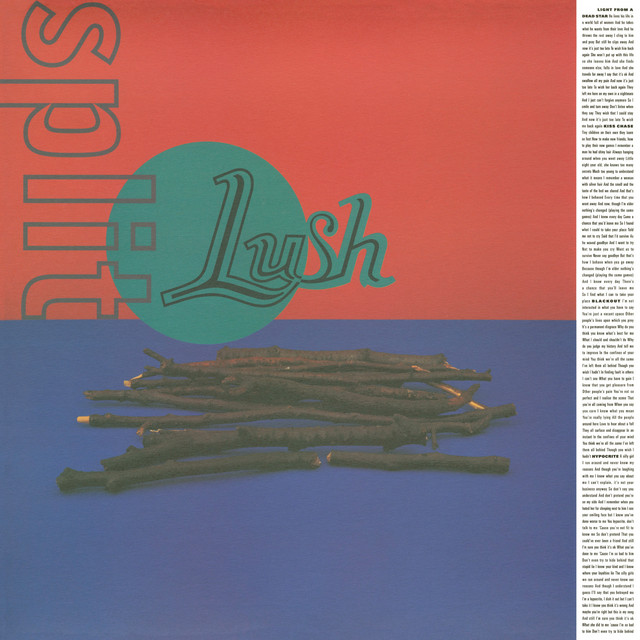
4. Split
Lush’s `Split` (1994) felt like a bridge from shoegaze to something more direct, more pop-oriented, but still deeply atmospheric. The shimmering guitars and Miki Berenyi’s vocals were still there, but the songwriting had a sharper edge, a more defined structure. It was Britpop-adjacent but held onto that dreamy, ethereal quality that made them special. This record had a bittersweet charm that just resonated, a perfect blend of haze and clarity.
5. 76:14
`76:14` (1994) by Global Communication is still, to me, the definitive ambient electronic album. It wasn’t just background music; it was an entire universe contained within those seventy-six minutes and fourteen seconds. The way those synth pads swelled and receded, the subtle beats weaving in and out, created such a sense of calm and wonder. It felt like floating through an endless digital ocean, a true escape.
6. Tri Repetae
Autechre’s `Tri Repetae` (1995) was a mind-fuck in the best possible way. This wasn’t just IDM; it was a complete deconstruction of rhythm and melody. The beats were fractured, the synths were icy and alien, and it demanded your full attention. It sounded like machines communicating in a language we were just barely starting to understand. It felt like the future, stark and unapologetically complex, pushing digital sound to its absolute limits.
7. Fantastic Planet
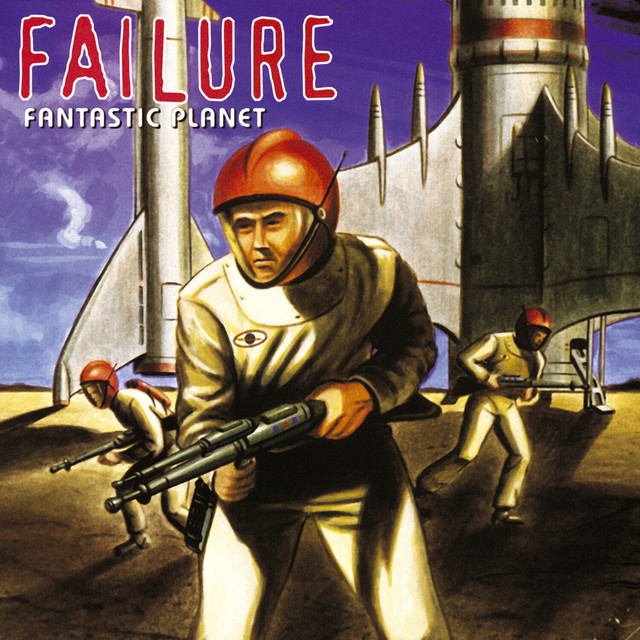
`Fantastic Planet` (1996) was a revelation for anyone tired of grunge’s self-pity. Failure built these massive, spacey rock anthems with such a sense of scale and melody. The guitars were heavy but clean, the vocals soaring but never over-the-top. It had this incredible cosmic vibe, like a journey through the stars, blending post-grunge heft with a prog-rock ambition. It’s still a masterclass in dynamic, emotionally resonant rock.
8. Perfect from Now On
`Perfect from Now On` (1997) felt like Doug Martsch had cracked the code for epic indie rock. Those sprawling, intricate guitar solos weren't just showing off; they were telling stories. The songs stretched out, building and receding with a kind of deliberate, thoughtful intensity. It was complex but never inaccessible, a record that demanded repeat listens to unpack all its layers of brilliant, melodic guitar work.
9. Dots And Loops (Expanded Edition)
Stereolab’s `Dots And Loops` (1997) was a perfect blend of krautrock motorik, lounge pop, and experimental electronics. It felt incredibly chic and intellectual, but also undeniably groovy. The expanded edition just adds more context to their meticulously constructed soundscapes. It was avant-garde pop that never sacrificed accessibility, creating a world where analog warmth met digital precision, always pushing boundaries.
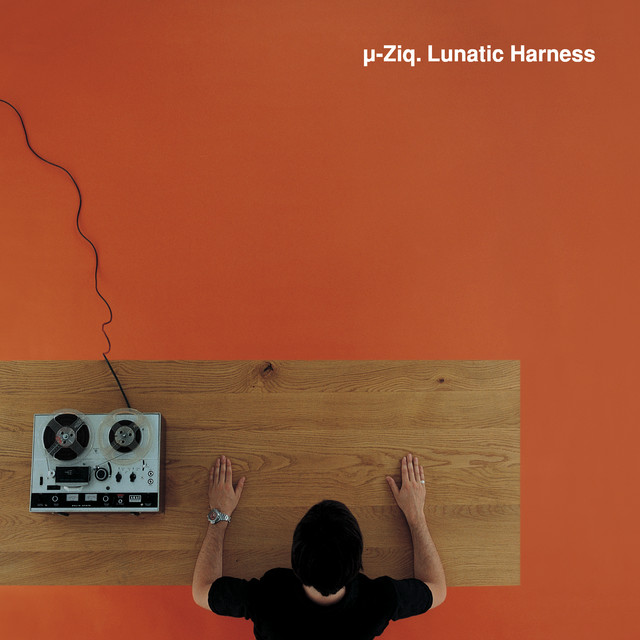
10. Lunatic Harness
`Lunatic Harness` (1997) by µ-Ziq was just pure, unadulterated chaos in the best way. Mike Paradinas took drum and bass, IDM, and jungle, then twisted them into these incredibly intricate, hyperactive compositions. It was frenetic, playful, and relentlessly inventive. Every track was a sonic rollercoaster, a dizzying display of digital wizardry that somehow felt deeply human despite its complexity. It still sounds absolutely wild.
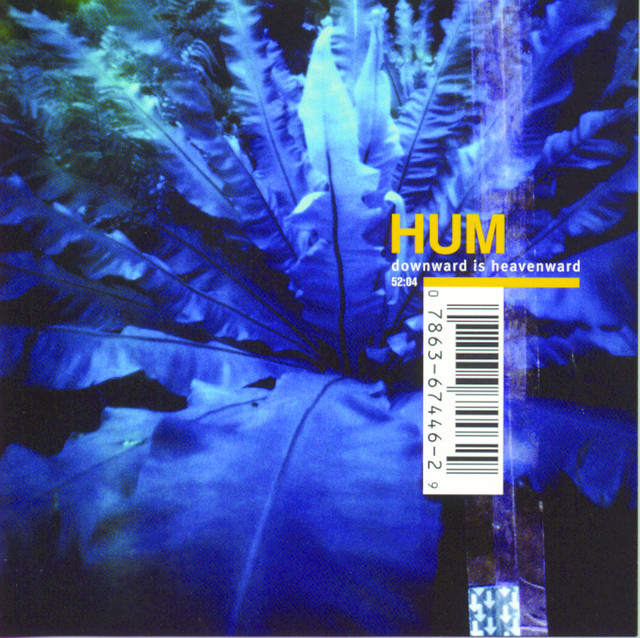
11. Downward Is Heavenward
`Downward Is Heavenward` (1998) was Hum perfecting their space-rock sound. Those huge, distorted guitars weren't just noise; they were walls of sound that felt impossibly heavy and ethereal at the same time. Matt Talbott’s vocals cut through the haze with such sincerity. It was post-grunge, sure, but with this incredible, shimmering atmospheric quality that elevated it into something truly special and enduring. It just soared.

12. The Egg
Karate’s `The Egg` (1998) felt like a masterclass in understated complexity. They blended math-rock precision with jazz-inflected rhythms and indie rock sensibilities. The guitars were intricate but never flashy, and Geoff Farina’s vocals were coolly delivered, almost conversational. It was intelligent, nuanced, and had this incredible groove that pulled you in without ever needing to shout. A truly sophisticated, yet raw, record.