


1. The Fugitive
A man wrongly accused, always on the run. This was serialized drama before we even called it that. The weekly hunt for the one-armed man, Dr. Kimble's desperate escapes. Black-and-white tension, building week after week. And you just knew he'd get caught, or almost, every single time. It was a proper chase, a real cliffhanger machine. It taught you to tune in, or you'd miss a crucial clue. A masterclass in sustained suspense.
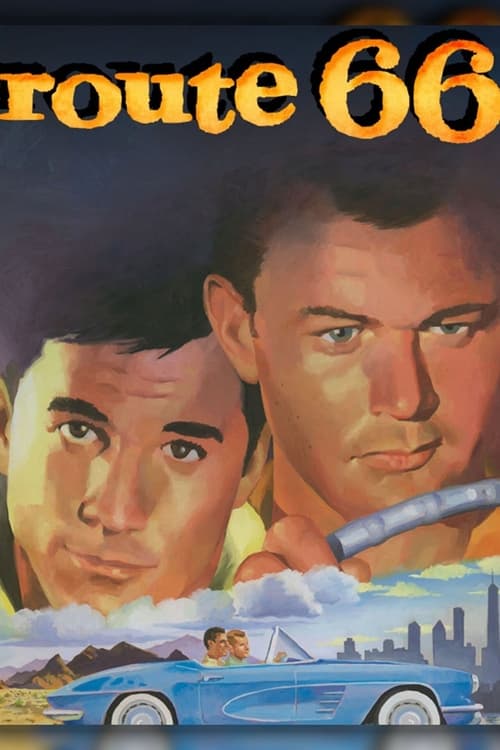
2. Route 66
Two young fellas, Buzz and Tod, driving around in that iconic Corvette. No fixed address, just America unfolding before them. It wasn't about a simple crime; it was about the places, the people they met, the unique stories they stumbled into. A different town, a new drama every week. It felt vast, like the country itself, even on a small screen. A real travelogue with a dramatic punch, showing us the heartland.

3. Naked City
"There are eight million stories in the Naked City. This has been one of them." A voice-over classic. This show gave you New York City, gritty and real, in black and white. It wasn't just about the police; it was about the ordinary folks caught up in extraordinary situations. Each episode felt like a miniature film, a slice of life, a stark look at urban existence. A true anthology feel, but with a consistent setting.

4. Dark Shadows
Well, this one was something else. A daily serial, mind you, but with vampires, ghosts, and all sorts of peculiar happenings at Collinwood. It started as a gothic melodrama, but then Barnabas Collins showed up, and suddenly, it was a supernatural soap opera. A bit campy, yes, but utterly compelling. You just had to see what strange predicament they'd get into next. A brave move for daytime television, pulling in viewers daily.
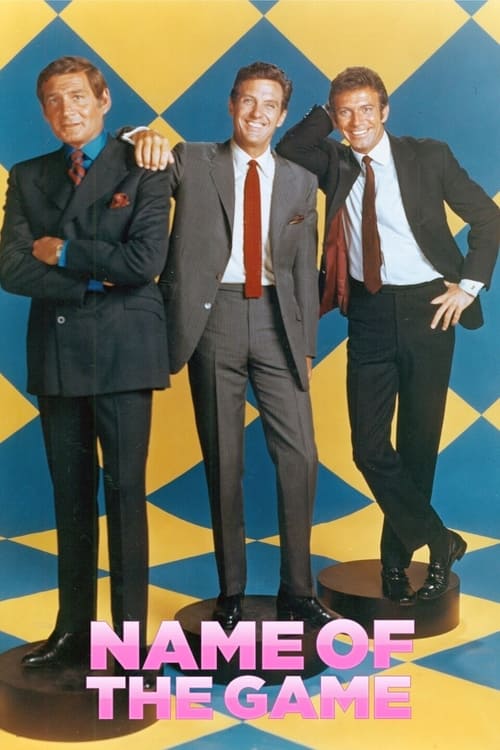
5. The Name of the Game
A big-budget, 90-minute rotating lead show. Three powerful men running a magazine empire, each taking turns leading the story. Gene Barry, Robert Stack, Tony Franciosa. It felt cinematic, like a movie every week. They had guest stars galore, and the stories delved into everything from politics to show business. A grand experiment in long-form, star-studded television. Very ambitious for its time, pulling out all the stops.
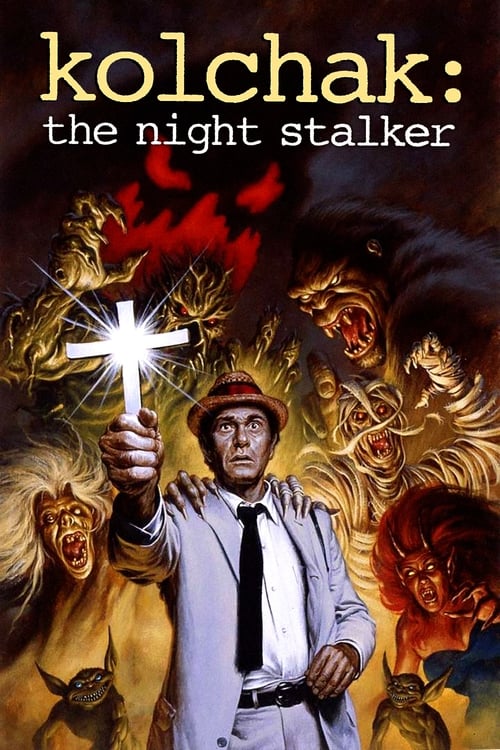
6. Kolchak: The Night Stalker
Carl Kolchak, the newspaper reporter, always chasing monsters and the supernatural, but nobody ever believes him. He's a rumpled, cynical everyman against vampires, werewolves, even aliens. It was episodic, but Kolchak's frustration, his dogged pursuit of the weird, gave it a unique continuity. A genuine cult classic, blending crime procedural with horror. Creepy, but with a wink, and a real sense of lonely determination.
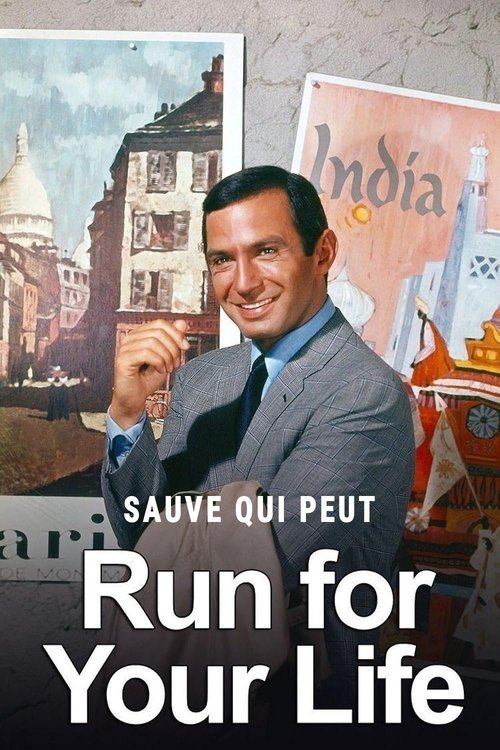
7. Run for Your Life
Paul Bryan, given only a year or two to live, decides to spend his remaining time traveling, experiencing life. Each week, a new adventure, a new place, a new encounter. It was an interesting premise for episodic drama, making you think. How would you live if you knew your time was short? It explored human connections and the desire to leave a mark. A melancholy but engaging journey, with a surprising emotional depth.
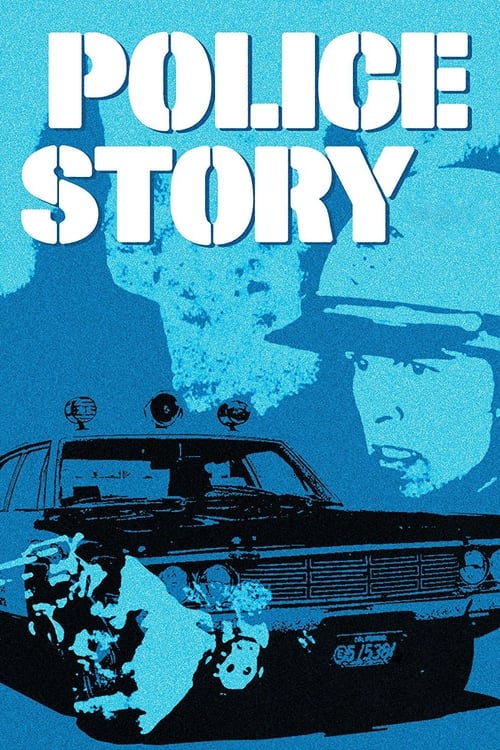
8. Police Story
This show was different. It aimed for realism, showing police work from various angles—patrolmen, detectives, undercover. No single hero, but a rotating cast and a focus on the grind, the moral dilemmas. It wasn't always clean-cut; sometimes the good guys didn't win easily. It felt authentic, a genuine look behind the badge. Groundbreaking for its raw, unvarnished approach, it showed us the true streets.
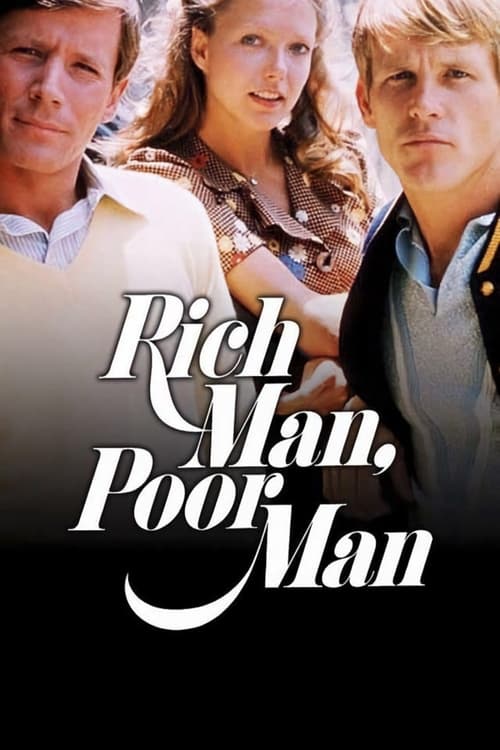
9. Rich Man, Poor Man
Now this was an event. A true miniseries, spread over multiple nights, following the Jordache family for decades. From post-war poverty to wealth and tragedy. It was a novel brought to life, a sweeping saga. People talked about it the next day at the water cooler. It proved that television could tell epic, complex stories that demanded your undivided attention. A real game-changer for long-form narrative.
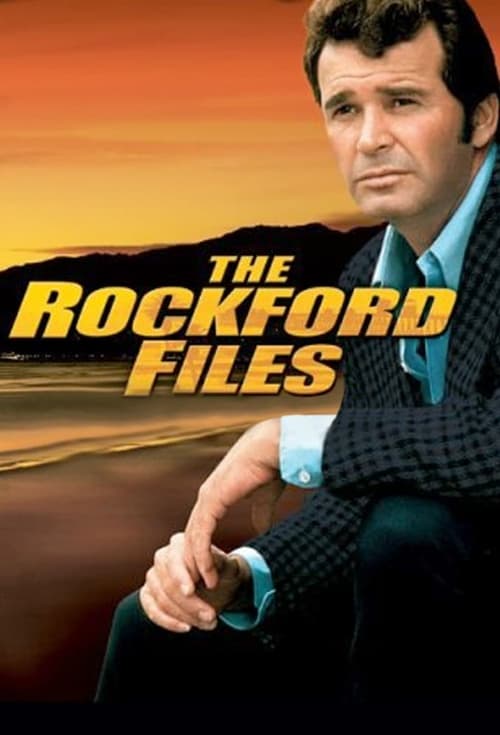
10. The Rockford Files
Jim Rockford, a private investigator living in a trailer, always getting into trouble he didn't ask for. He wasn't a tough guy; he was often out of his depth, and he'd usually rather talk his way out of a scrape. It was clever, witty, and a bit cynical. A refreshing take on the detective genre, with a hero who felt much more human, much more relatable. And that answering machine! A true gem of the era.