
1 / 7

1. Pong (1972)
Pong (1972) wasn't just a game; it was a revelation. With its stark, minimalist display and intuitive paddle-and-ball mechanic, it proved that electronic interactions could captivate a mass audience. This simple arcade cabinet didn't just kickstart Atari; it demonstrated the commercial viability of digital entertainment, pulling people into arcades and showing that a shared, competitive experience, however basic, was a potent draw. It laid the very first pixelated brick of an entire industry.
2 / 7
2. Space Invaders (1978)
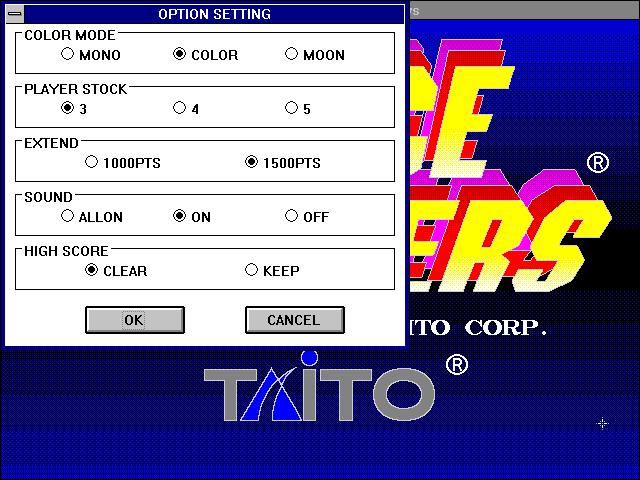
Space Invaders (1978) introduced concepts that became foundational to arcade gaming. It brought persistent high scores, forcing players to compete against themselves and others, and a dynamic difficulty curve that ratcheted up tension. This game popularized the 'shoot 'em up' genre and created a global phenomenon, famously leading to coin shortages in Japan. It fostered a competitive spirit and the desire to master a system, fundamentally shaping arcade design and player engagement for decades.
3 / 7
3. Super Mario Bros.
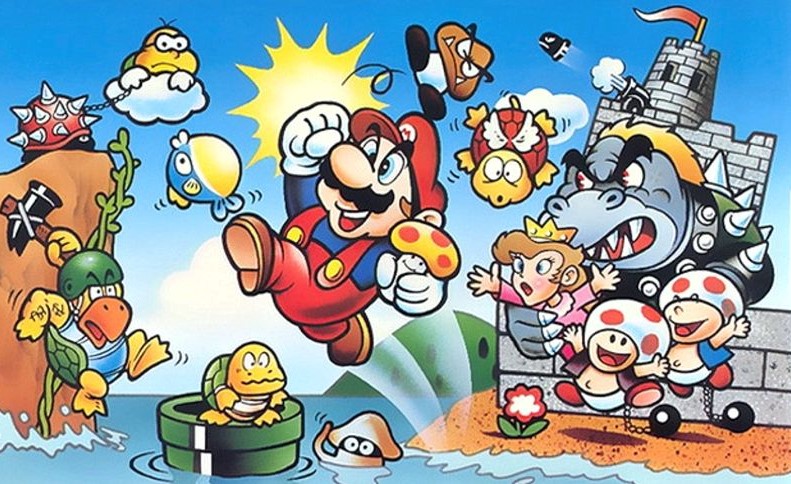
Super Mario Bros. didn't just define the modern platformer; it set a new standard for home console gaming. It introduced seamless side-scrolling levels, a sense of grand progression, and iconic power-ups that fundamentally altered gameplay. Mario's fluid movement and the intricate, secret-laden level design proved that depth and charm could reside in a seemingly simple adventure. This wasn't just a game; it was an experience that pushed hardware limits and player expectations for what a console could deliver.
4 / 7

4. Tetris (1984)
Tetris (1984) stands as a masterclass in elegant design. Its universal appeal, born from simple falling blocks and spatial reasoning, effortlessly transcended language and culture. Tetris proved that a game didn't need elaborate graphics or a complex story to be endlessly engaging; pure, addictive gameplay was enough. It became a phenomenon on every conceivable platform, cementing puzzle games as a major genre and demonstrating the immense power of perfectly balanced mechanics.
5 / 7
5. The Legend of Zelda: Ocarina of Time
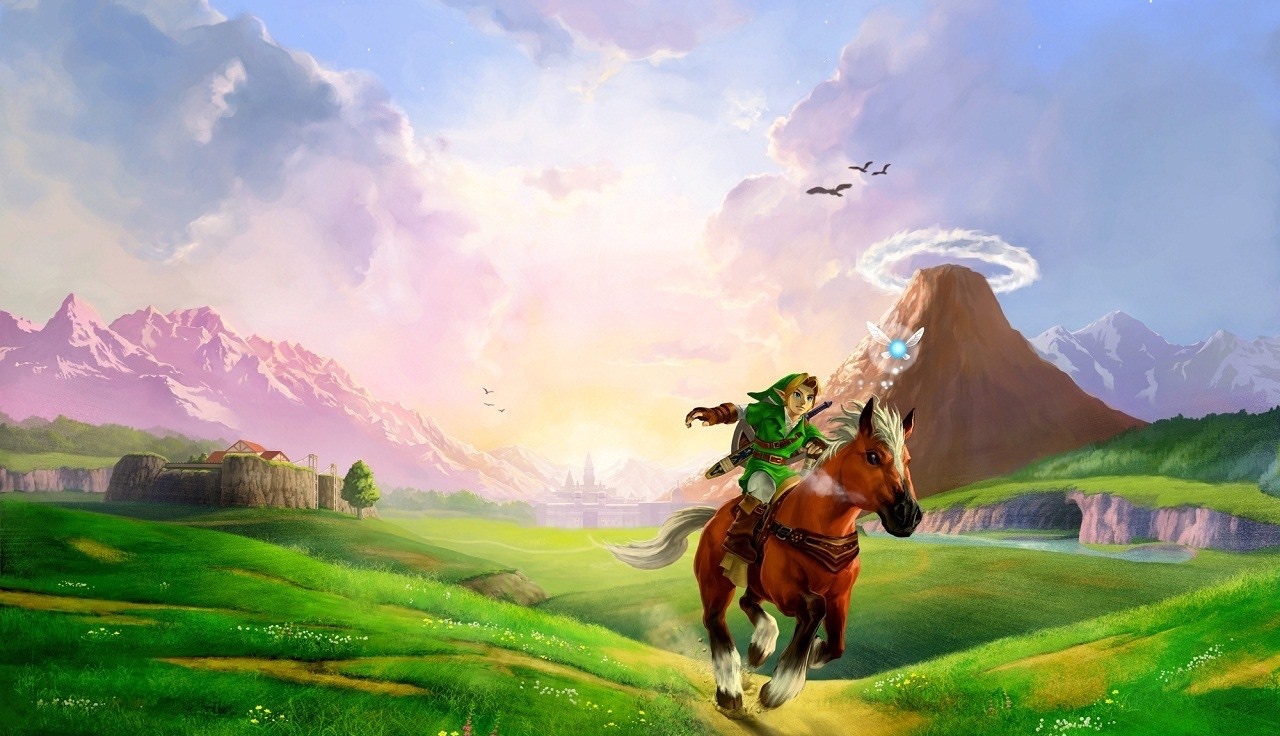
The Legend of Zelda: Ocarina of Time marked a monumental leap into 3D adventure. It meticulously crafted an expansive, living world, introduced innovative targeting systems that felt revolutionary, and wove a narrative that felt both epic in scale and deeply personal. Ocarina of Time established a comprehensive blueprint for 3D exploration and action-adventure design, demonstrating how a compelling story could seamlessly integrate with intricate gameplay, forever influencing how players interacted with virtual realms.
6 / 7

6. World of Warcraft
World of Warcraft didn't just transform the MMORPG landscape; it made a notoriously niche genre accessible to millions. It created persistent online worlds where players forged communities, rivalries, and shared histories on an unprecedented scale. WoW wasn't merely a game; it was a digital society, proving that subscription-based online experiences could thrive globally, profoundly impacting social interaction, digital identity, and the very concept of long-term virtual engagement for a generation of players.
7 / 7
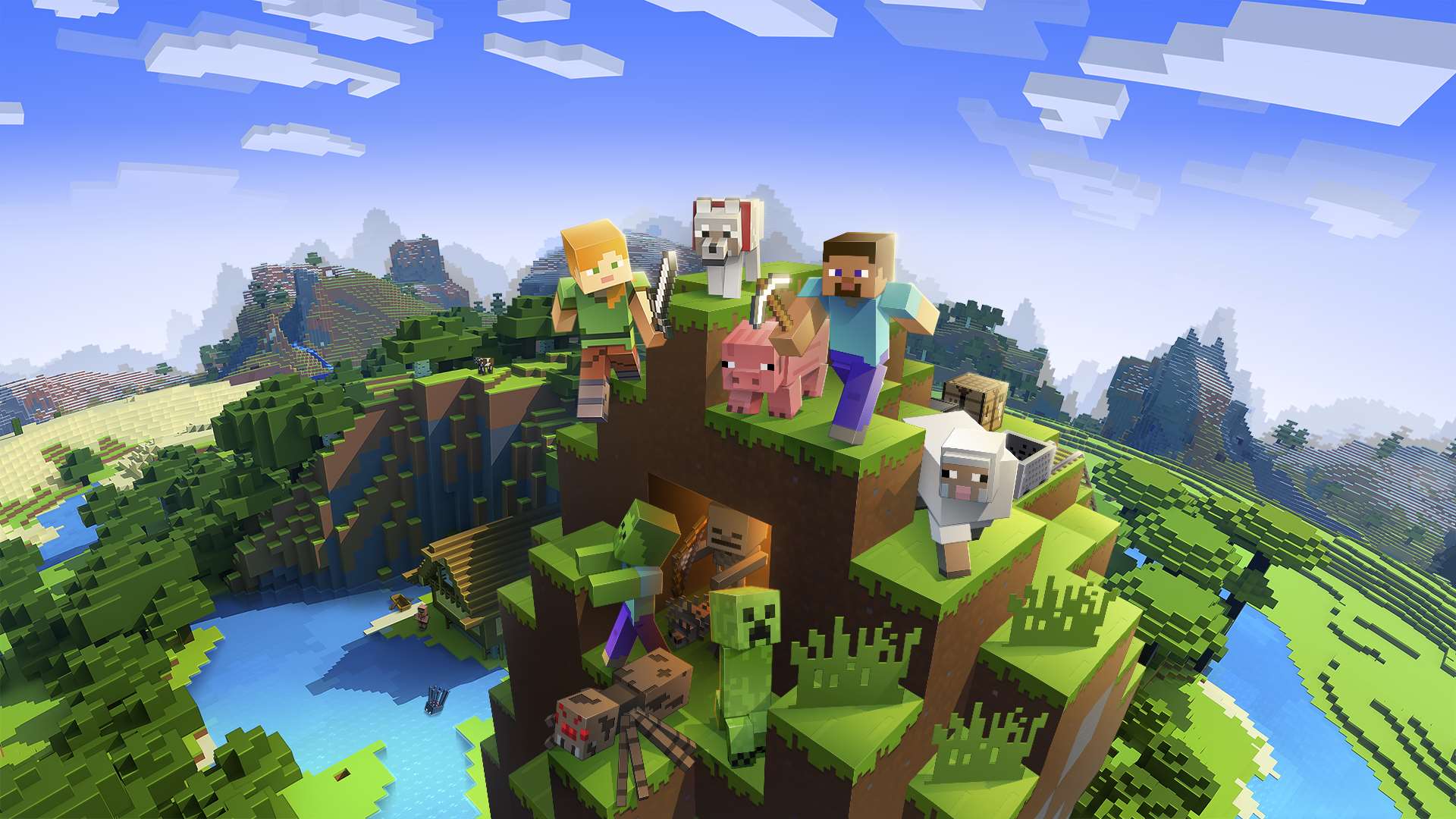
7. Minecraft
Minecraft redefined player agency and creativity in a way few games ever have. Its block-based, open-world sandbox offered unparalleled freedom to build, explore, and survive, limited only by imagination. Minecraft proved that emergent gameplay, driven entirely by the player's will rather than prescribed paths, could captivate a global audience across all ages. It democratized game design, turning millions into digital architects and showing the immense, enduring power of accessible creative tools.