

1 / 11

1. Terranigma
This late SNES-era action RPG, never officially released in North America, told a sweeping, melancholic story of Earth's rebirth and humanity's place in the cosmos. Its blend of fast-paced combat, thoughtful puzzles, and a genuinely moving narrative made it a cult classic in Europe and Japan. The game dared to be philosophical, exploring themes of creation and destruction with a maturity uncommon for its time. It’s a compelling, often overlooked masterpiece that exemplifies the 16-bit era's storytelling potential.
2 / 11

2. ActRaiser (1990)
This Super Nintendo title from 1990 was a bold hybrid, mixing side-scrolling action platforming with god-game city-building segments. Players alternated between slaying demons as the Master and guiding nascent civilizations from the heavens. While some found its two distinct halves jarring, the ambitious blend provided a unique rhythm. It showcased innovative concepts, marrying direct combat with strategic, indirect influence, all wrapped in Yuzo Koshiro's legendary soundtrack. It was a singular experience that deserves credit for its daring design.
3 / 11
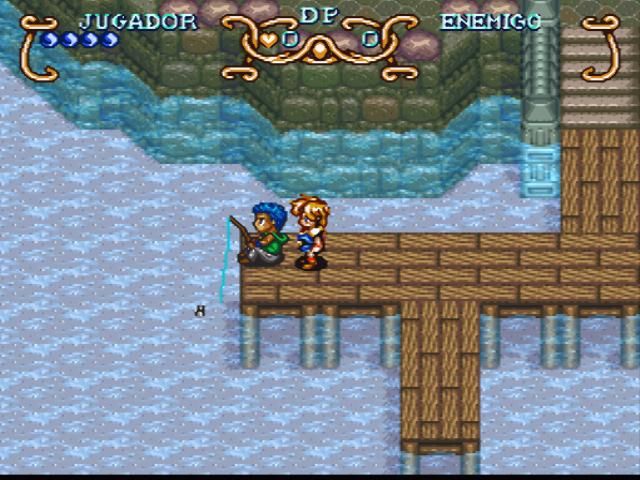
3. Illusion of Gaia
Another Quintet RPG for the SNES, this action-adventure offered a more streamlined, narrative-focused experience than its contemporaries. It traded complex stats for accessible combat and a compelling, globe-trotting story rooted in ancient civilizations and existential mysteries. The game's often dark, introspective tone and beautiful sprite work created an immersive world. While sometimes overshadowed by bigger RPGs, its unique blend of exploration, puzzle-solving, and a deeply emotional plot ensures its place as a quiet triumph of the 16-bit era.
4 / 11
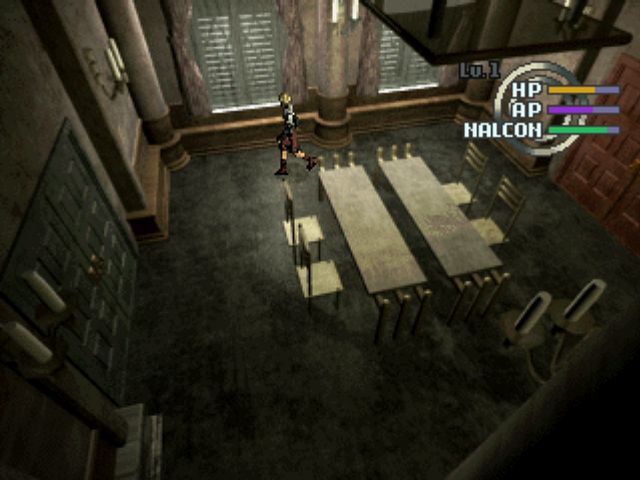
4. Galerians
This PlayStation survival horror title from 1999 often gets lost in the shadow of Resident Evil and Silent Hill. It offered a unique take with its protagonist, Rion, a psychic who used his mental powers, rather than guns, to combat grotesque creatures. The clunky controls and fixed camera angles were par for the course, but Galerians’ unsettling atmosphere, disturbing narrative about genetic experimentation, and a finite "psychic energy" mechanic provided a distinct challenge. It was a flawed, but genuinely creepy and innovative entry in the genre.
5 / 11
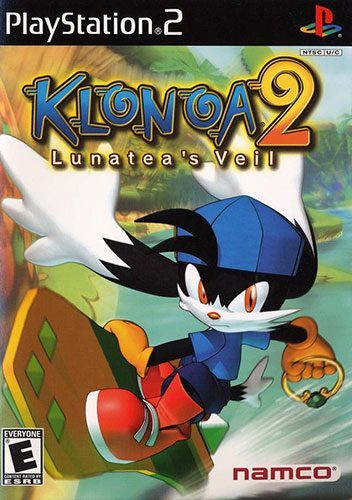
5. Klonoa 2: Lunatea's Veil
Released on the PlayStation 2 in 2001, this platformer was a masterclass in 2.5D design. It combined stunning visuals with ingenious level design, where players manipulated the perspective to solve puzzles and navigate vibrant worlds. Klonoa's "wind bullet" mechanic, allowing him to grab and throw enemies, remained incredibly satisfying. Despite critical acclaim, it never achieved widespread commercial success. Yet, its vibrant world, heartfelt story, and perfectly crafted platforming mechanics make it an essential, joyous experience that transcends its initial reception.
6 / 11
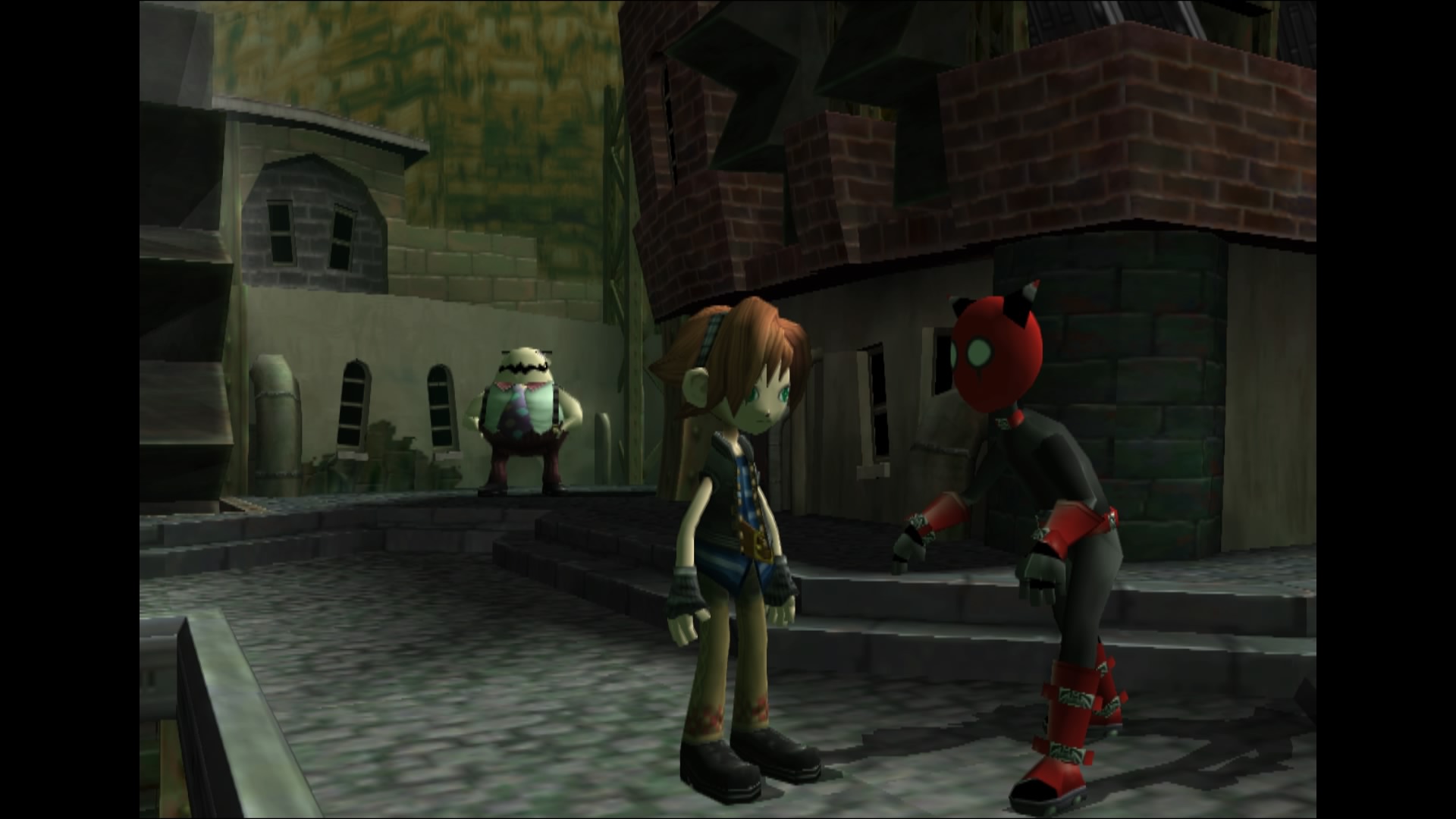
6. OKAGE: Shadow King
This PlayStation 2 RPG from 2001 offered a delightfully quirky, self-aware parody of traditional JRPGs. Players were bound to a "Great Evil King" who was comically inept, leading to a journey filled with eccentric characters and witty dialogue. While its combat was straightforward and visuals a bit muted, Okage’s charm lay in its unique art style and satirical humor. It embraced its B-tier status, delivering a memorable, offbeat adventure that proved JRPGs didn't always have to take themselves so seriously.
7 / 11
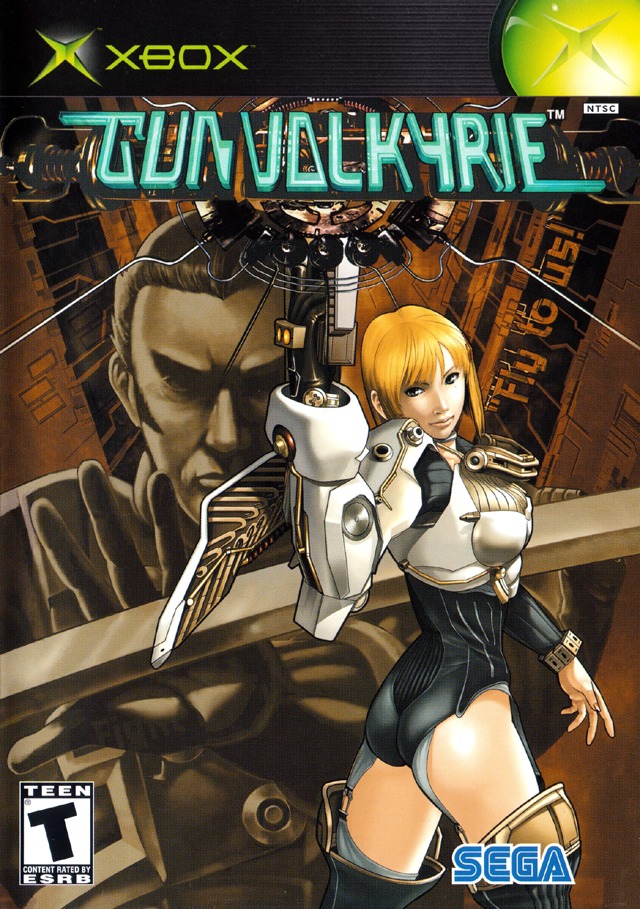
7. Gunvalkyrie
Released on the Xbox in 2002, Gunvalkyrie was a notoriously difficult third-person shooter, often criticized for its unconventional control scheme. Players simultaneously used both analog sticks for movement and aiming, a precursor to modern twin-stick controls, but paired with complex thruster mechanics. Despite the steep learning curve, mastering its unique flow revealed a deeply rewarding, fast-paced action experience. Its distinct steampunk aesthetic, intricate level design, and emphasis on skill over brute force make it a challenging but ultimately satisfying cult classic for those willing to adapt.
8 / 11
8. Project Zero (itch)
Known as *Fatal Frame* in North America, this PlayStation 2 survival horror gem from 2001 dared to innovate. Instead of weapons, players used the Camera Obscura to photograph vengeful spirits, exposing their weaknesses. This mechanic created intense, close-quarters encounters, forcing players to face their fears head-on. The game’s chilling atmosphere, deeply disturbing lore, and genuinely terrifying jump scares cemented it as a standout. It offered a refreshing, psychological approach to horror that still resonates, proving fear can be captured.
9 / 11
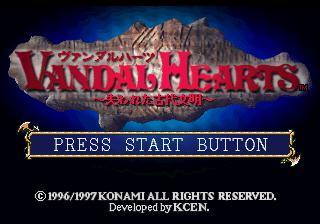
9. Vandal Hearts
This PlayStation tactical RPG from 1996 arrived early in the genre's 3D transition, often overshadowed by later, more polished titles. Its grid-based combat, character progression, and a dark, mature narrative about political intrigue and war were compelling. While graphically dated even for its time, Vandal Hearts offered solid strategic depth and a memorable cast. It provided a gritty, no-frills tactical experience, proving that strong gameplay and an engaging story could overcome technical limitations, leaving a lasting impact on early TRPG fans.
10 / 11
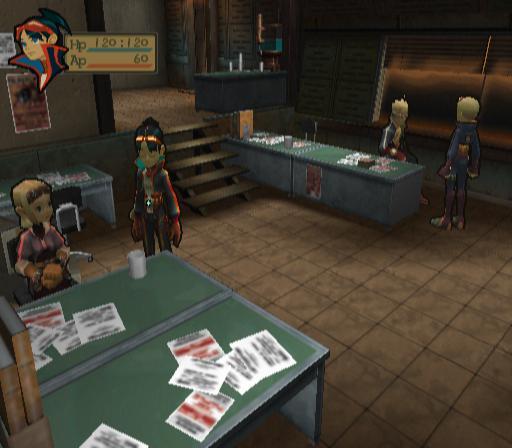
10. Breath of Fire: Dragon Quarter
Released in 2002 on the PlayStation 2, this entry radically reinvented the established Breath of Fire series. It introduced a D-Ratio system, permadeath-like mechanics, and a limited save system, alienating many long-time fans. Yet, beneath its brutal difficulty and oppressive atmosphere lay a surprisingly deep, thought-provoking roguelite-RPG. Its focus on resource management, strategic planning, and a narrative exploring environmental decay and human resilience made it a bold, experimental title that, while divisive, is highly rewarding for those who embrace its challenges.
11 / 11
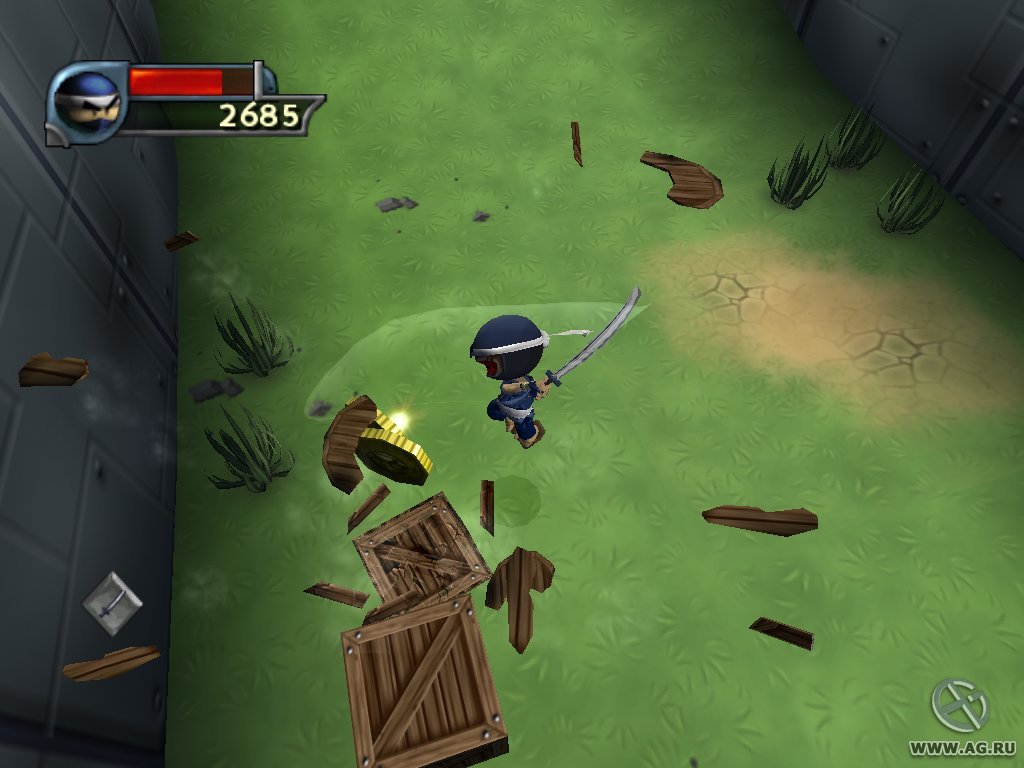
11. I-Ninja
This 2003 PlayStation 2 (also GameCube/Xbox) platformer was a vibrant, often overlooked gem. It blended traditional platforming with unique combat mechanics, including a grappling hook, wall-running, and a satisfying "rage" mode. I-Ninja's tight controls, inventive level design, and cheeky humor kept the experience fresh throughout. While it didn't reinvent the wheel, it executed its concepts with polish and personality, offering a genuinely fun and challenging adventure that deserved more attention amidst the PS2's crowded library. It was pure, unadulterated platforming joy.