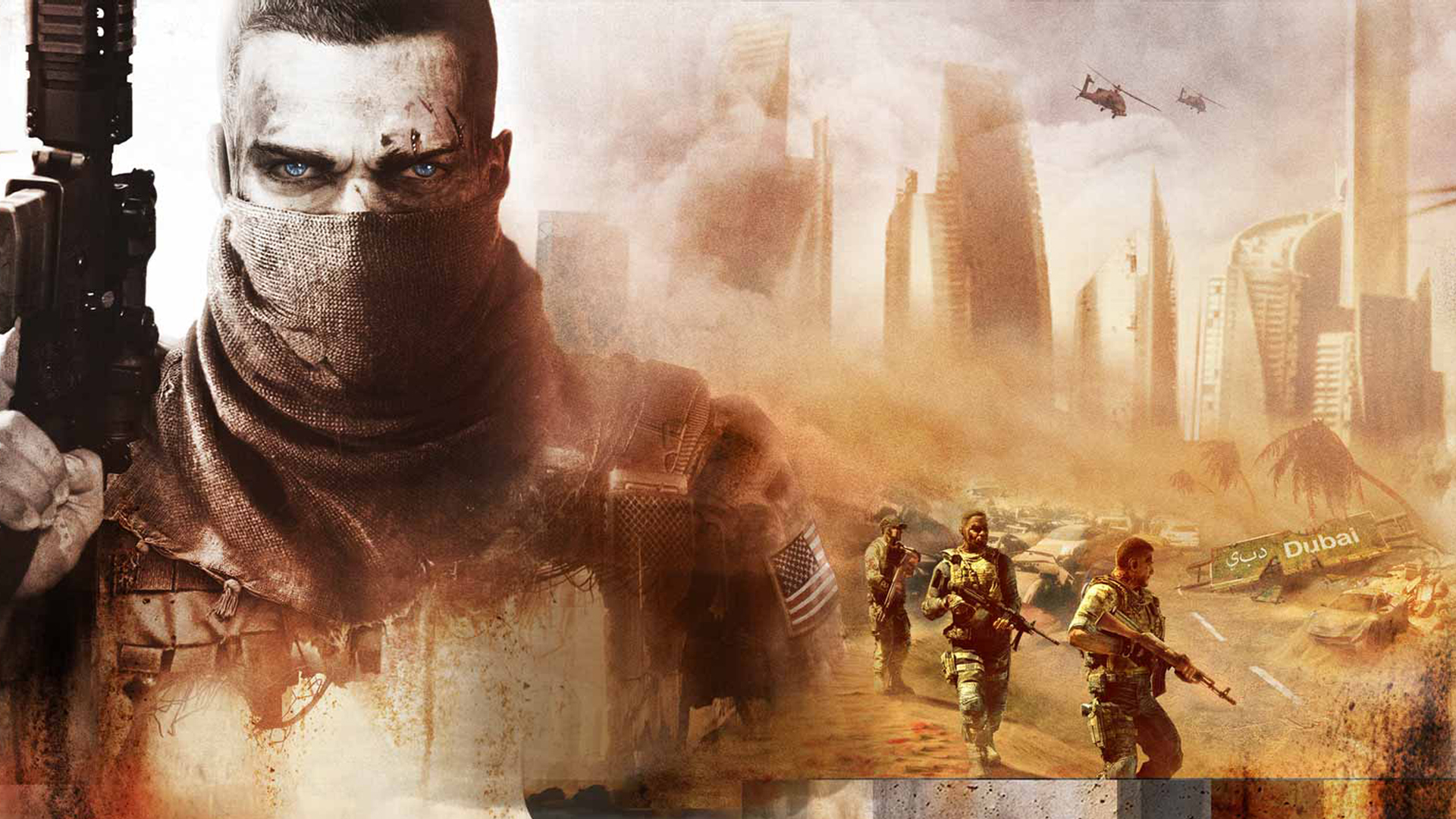
1. Spec Ops: The Line
This game slapped a mirror in the player's face, forcing us to confront the ugly realities of war and the problematic tropes of military shooters. While mechanically a decent third-person shooter, its narrative courage to dismantle the hero fantasy and make you *feel* complicit was groundbreaking. Yet, it was largely dismissed as just another brown-and-grey shooter, missing its provocative, vital message. The industry's always chasing the next safe bet, but this one dared to ask uncomfortable questions.
2. Pathologic 2
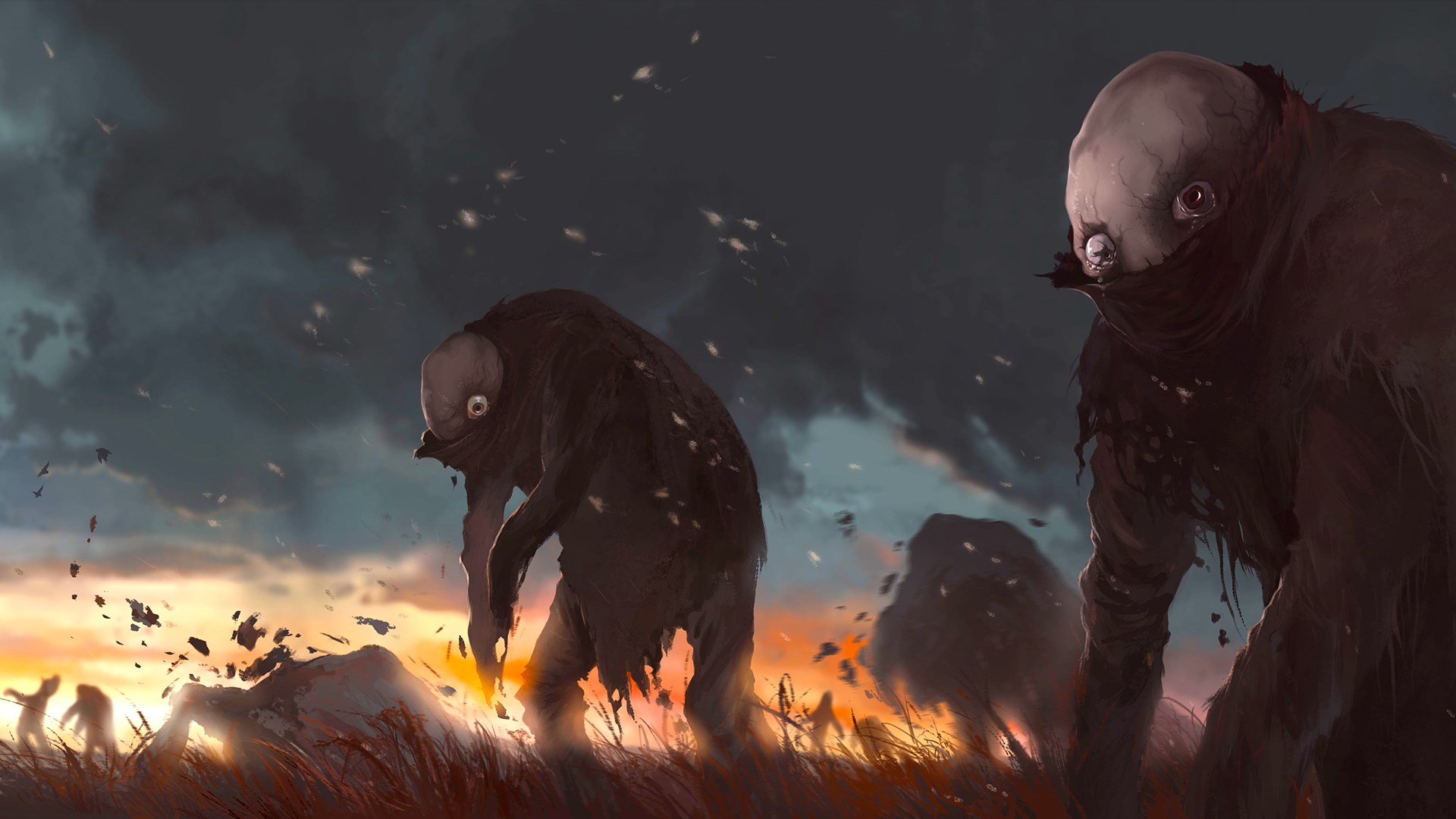
Pathologic 2 isn't just a game; it's an experience designed to make you suffer, question, and ultimately, profoundly reflect. Its uncompromising vision of a dying town, resource scarcity, and moral quandaries pushes back against player agency, demanding genuine sacrifice. Many bounced off its brutal difficulty and opaque systems, mistaking it for bad design. But for those who persevered, it offered a uniquely dark, intellectual journey, proving that games can be art without catering to every fleeting desire.
3. Okami
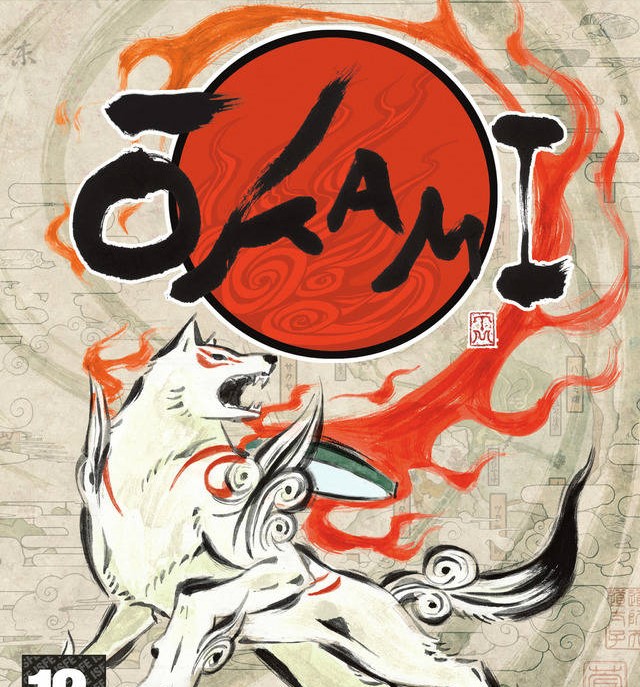
Okami was a vibrant, artistic triumph, painting a world inspired by Japanese mythology with a breathtaking sumi-e aesthetic. Its 'Celestial Brush' mechanic felt genuinely innovative, integrating art directly into gameplay. Critics adored it, yet commercially it stumbled, perhaps overshadowed by flashier, less unique titles. It's a prime example of how pure creative vision, even when executed flawlessly, often gets overlooked if it doesn't fit neatly into established, marketable boxes. A true shame for such a joyous adventure.
4. Grim Fandango
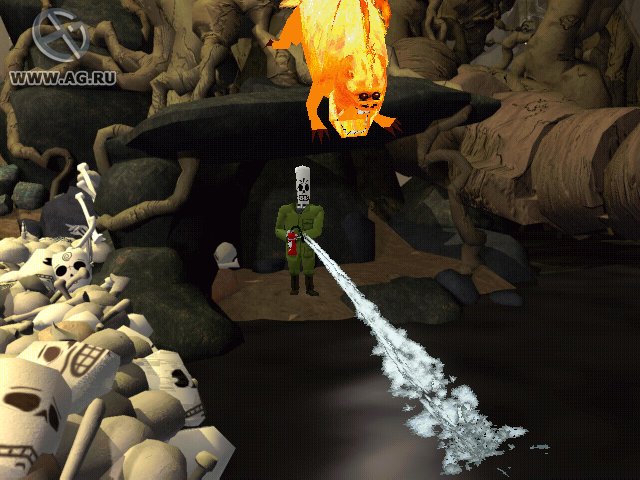
LucasArts was on another level with Grim Fandango, delivering a film noir-inspired adventure steeped in Día de los Muertos aesthetics. Manny Calavera's cynical wit and the game's intricate puzzles were pure genius. But it arrived as the point-and-click genre was waning, and its 3D controls were clunky even then. It never found the mainstream success it deserved, a casualty of timing and evolving industry trends that often value accessibility over deep, character-driven storytelling.
5. Binary Domain
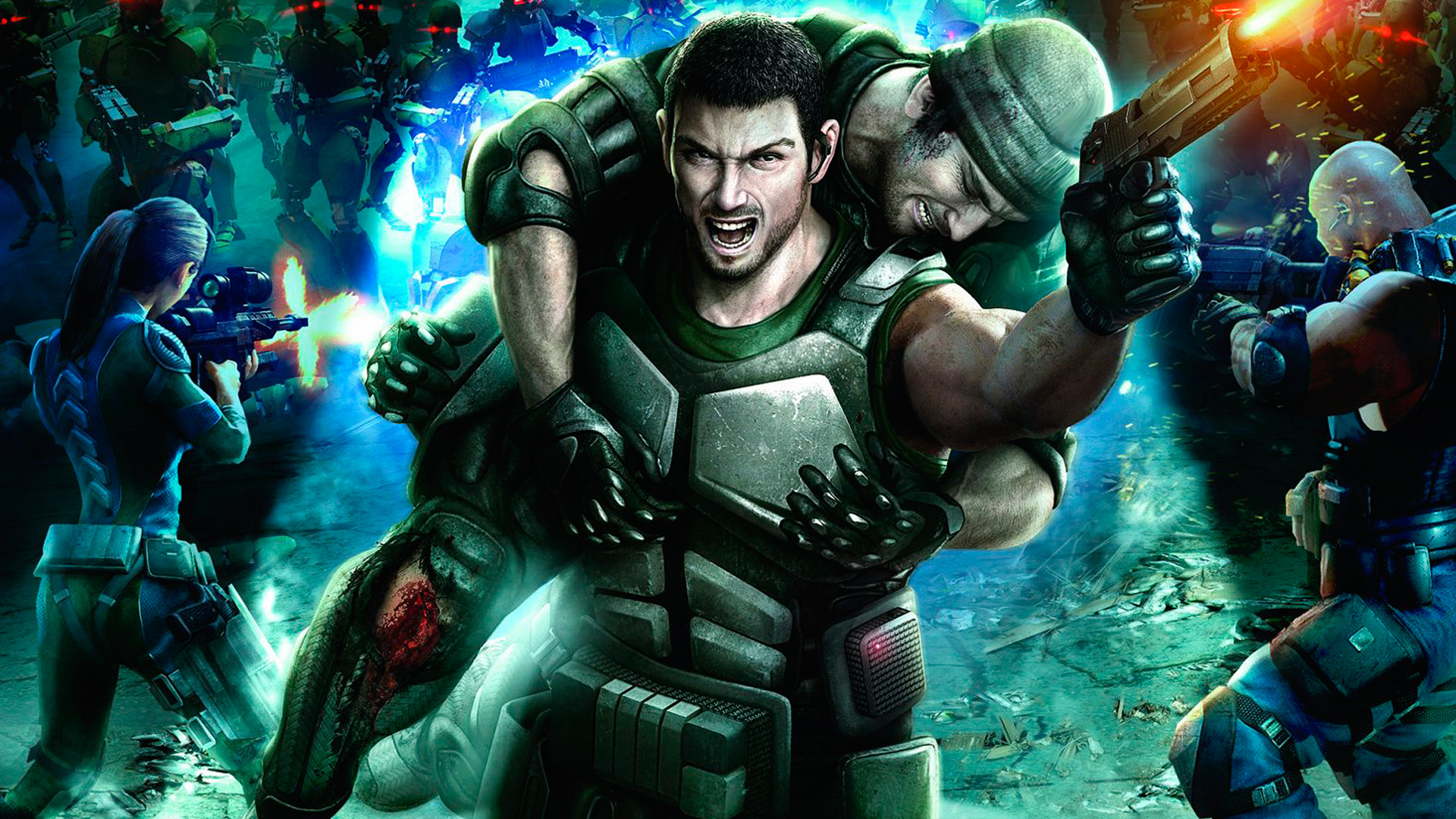
Sega's Binary Domain was a surprisingly deep third-person shooter that dared to tackle themes of artificial intelligence and humanity with more nuance than most blockbusters. Its 'consequence system' where squadmates reacted to your actions was genuinely cool, making combat feel more personal. Yet, it got lost in the early 2010s shooter glut. It deserved so much more recognition for its solid gunplay, impactful story, and genuinely memorable robot antagonists. It was just *different* enough to be great, but not *marketable* enough to be huge.

6. ActRaiser (1990)
ActRaiser on the SNES was an absolute revelation, seamlessly blending side-scrolling action with a god-game city-building sim. You'd clear out monsters, then help your tiny worshippers build and prosper, all with an epic soundtrack. It was a bold, imaginative concept that few dared to replicate. Modern game design often sticks to safe, well-defined genres, making ActRaiser's audacious genre-mashing feel like a relic from a more creatively adventurous era. Pure 16-bit magic.
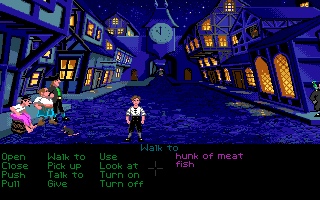
7. The Secret of Monkey Island
The Secret of Monkey Island wasn't just a game; it was a masterclass in comedic writing and clever puzzle design, launching an iconic adventure series. Guybrush Threepwood’s journey to become a pirate legend was filled with unforgettable characters and absurd challenges. Despite its monumental impact on adventure games and cult status, it never quite crossed into the mainstream 'masterpiece' conversation like some of its contemporaries. Maybe its niche genre and quirky humor were just too good for everyone.
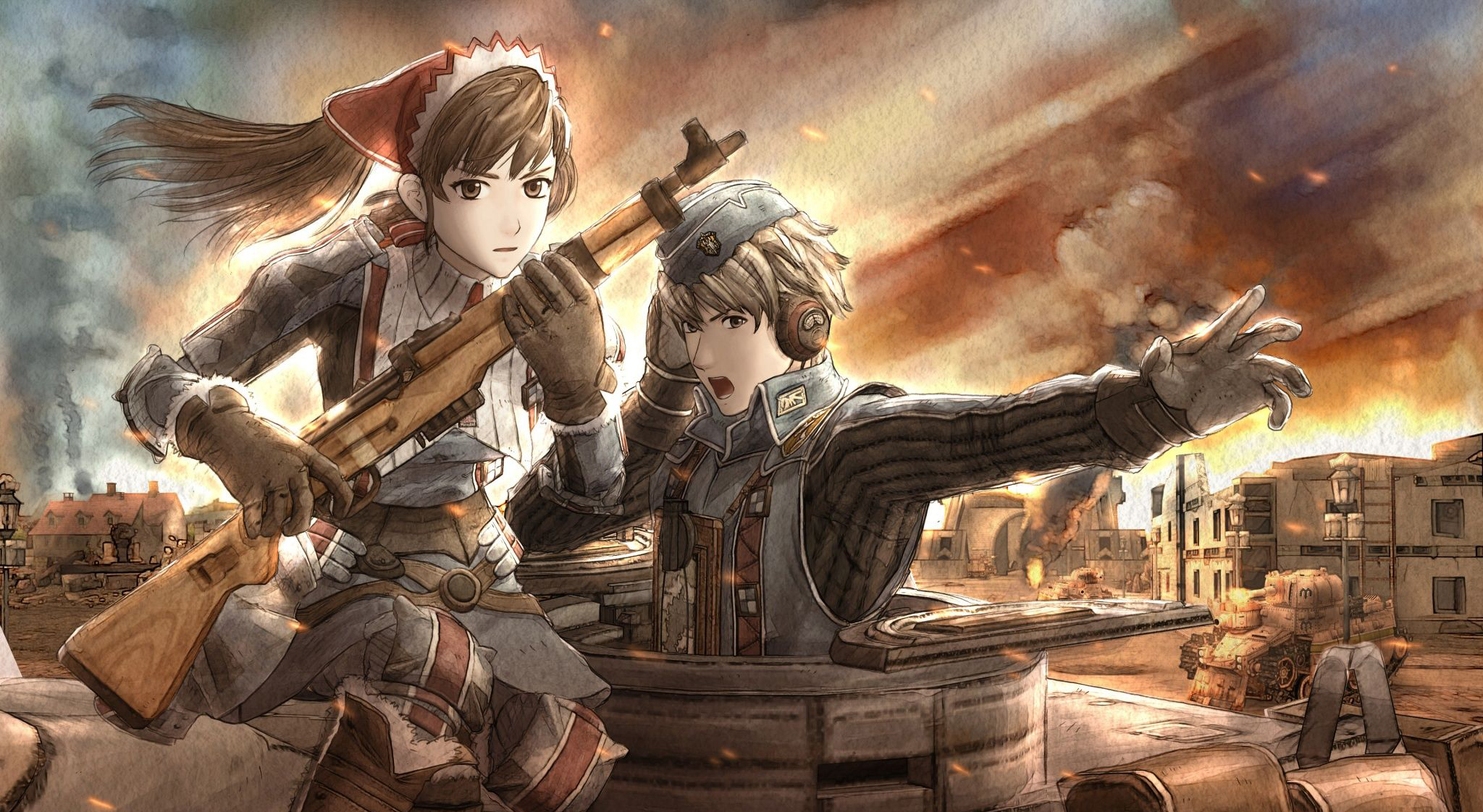
8. Valkyria Chronicles
Valkyria Chronicles offered a unique blend of tactical RPG combat and real-time action, wrapped in a beautiful, watercolor-inspired art style. Its BLiTZ system was innovative, and the story of Squad 7 fighting for their homeland was genuinely moving. Despite critical praise, it remained a somewhat niche title, often seen as 'too Japanese' or simply flying under the radar in a market saturated with Western RPGs. It’s a testament to how fantastic, original ideas can still struggle for widespread attention.