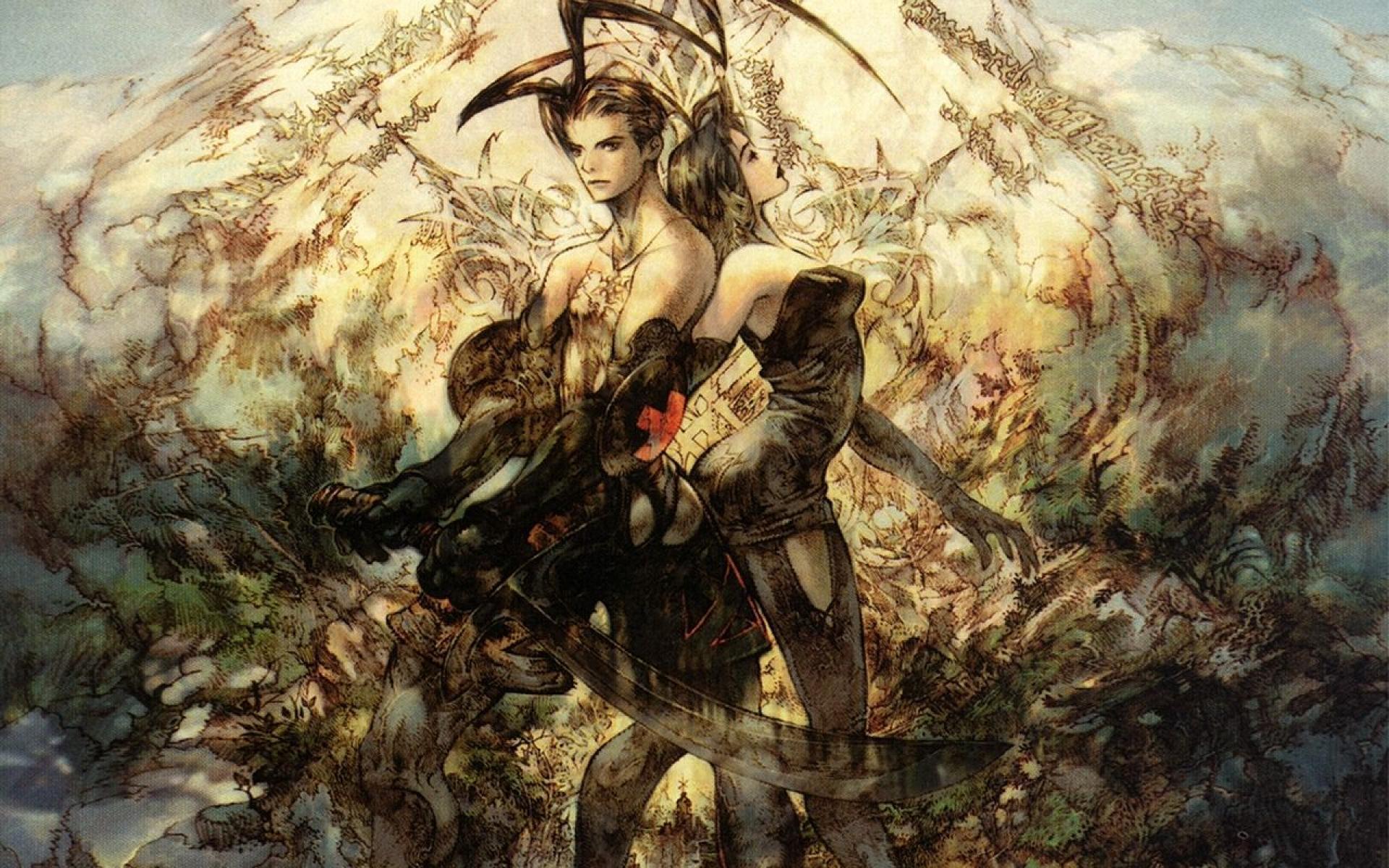
1. Vagrant Story (2000)
Look, Square Enix isn't just about JRPGs. Vagrant Story on PS1 was a masterclass in atmosphere and mechanical depth. Its risk-reward combat, weapon crafting, and labyrinthine dungeons demanded actual thought, not just button mashing. And the story? Pure, bleak, Shakespearean drama. It's a game that respects your intelligence, a stark contrast to today's hand-holding tutorials. This 2000 gem is still a benchmark for intricate design.
2. Alpha Protocol
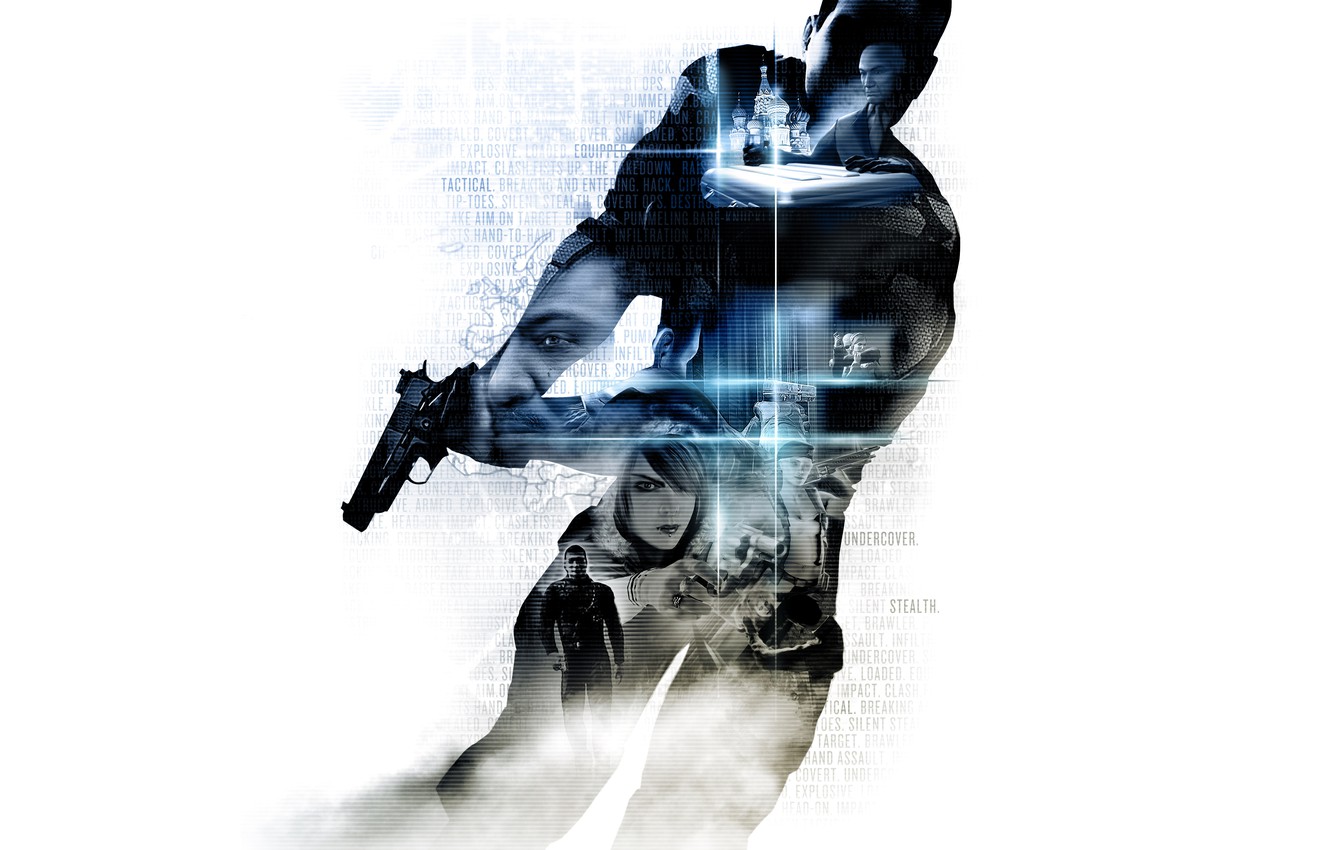
Obsidian tried something different with Alpha Protocol in 2010, and yeah, it was a buggy mess at launch. But man, the dialogue choices actually *mattered*. You built a spy, and your personality, your relationships, and your failures shaped the entire narrative. It felt like a proper spy thriller where you were truly in control, even if the shooting mechanics were a bit janky. A true diamond in the rough that dared to be ambitious.
3. Enslaved: Odyssey to the West
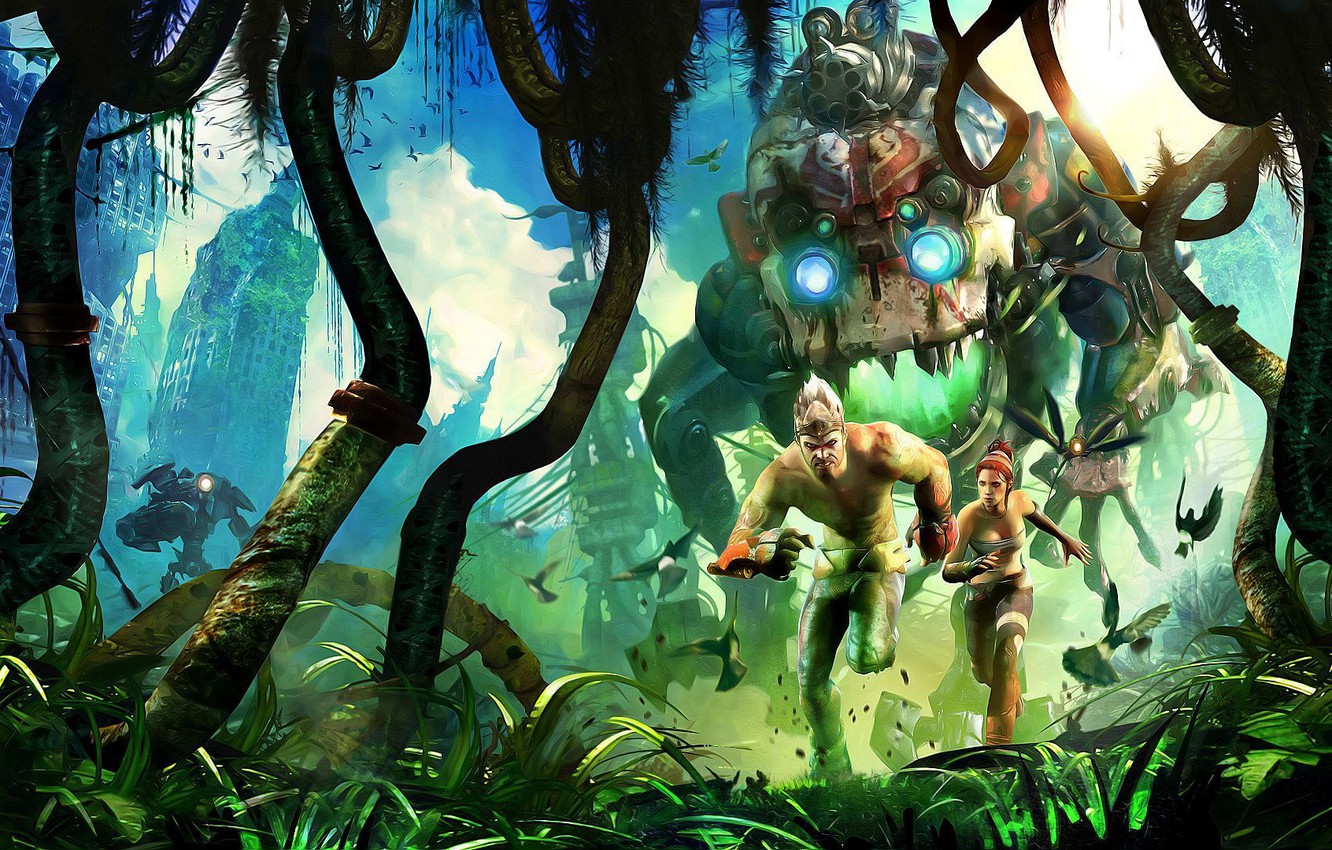
Enslaved, from 2010, is Ninja Theory before they became *Ninja Theory*. It's a gorgeous, character-driven adventure with Monkey and Trip, set in a post-apocalyptic world that’s surprisingly vibrant. The platforming and combat were solid, but it was the dynamic between the protagonists that truly shone. It’s a road trip narrative that makes you care, proving that linear games can still deliver compelling stories without endless open-world bloat.

4. Deadly Premonition
Deadly Premonition, the 2010 original, is the gaming equivalent of a B-movie cult classic. It's clunky, weird, and often technically dreadful, but its charm is undeniable. Agent York's bizarre observations, the small-town mystery that screams Twin Peaks, and the sheer audacity of its design make it unforgettable. You don't just play it; you experience it, flaws and all. It’s a testament to vision over polish.
5. Eternal Darkness: Sanity's Requiem
Back in 2002, Eternal Darkness on the GameCube wasn't just a horror game; it was a psychological assault. The sanity effects weren't jump scares; they messed with *you*, the player, breaking the fourth wall in ways that still feel fresh. It had a multi-generational story, ancient evils, and a narrative that spiraled into madness. This game understood horror wasn't just about monsters, but about the fraying mind.
6. killer7
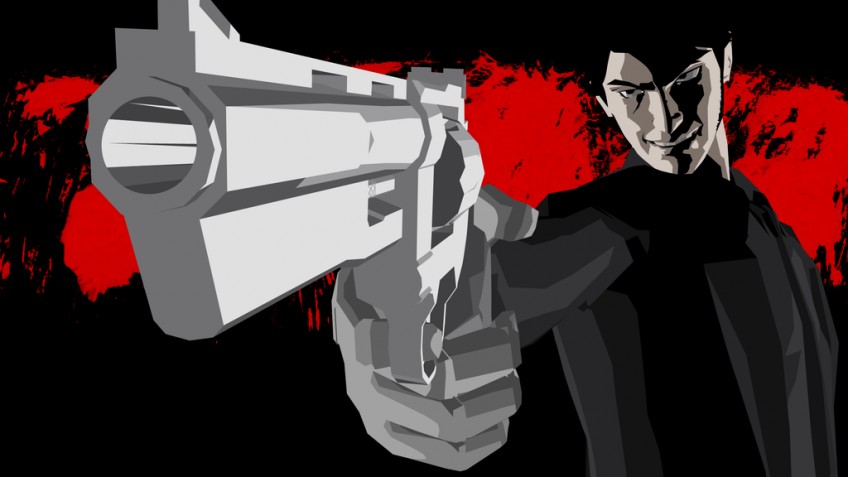
killer7, a 2005 release, is pure Suda51 chaos. It's a surreal, on-rails shooter that's more art installation than conventional game. The cel-shaded graphics, the seven distinct personalities, and the utterly bizarre narrative about assassins and invisible demons create an experience unlike anything else. It's divisive, yeah, but its commitment to its own twisted vision makes it a landmark title for experimental storytelling and style.
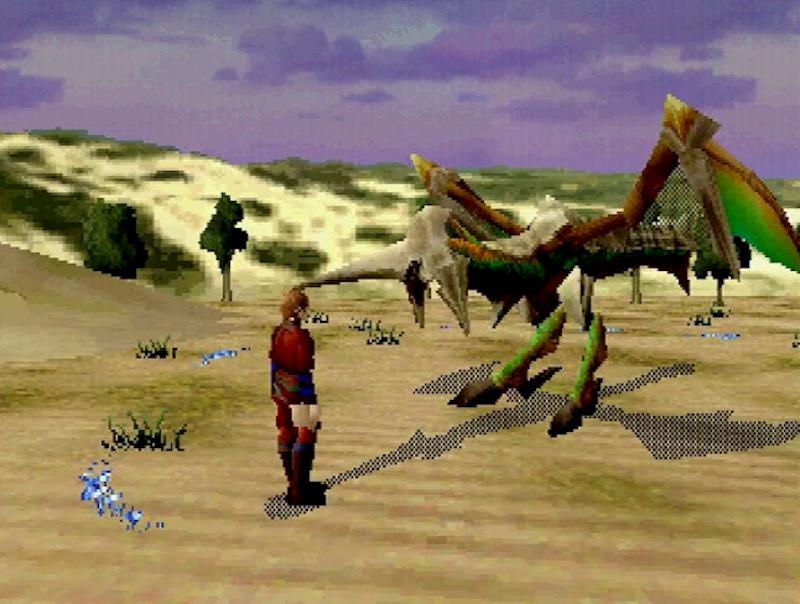
7. Panzer Dragoon Saga
If you ever get the chance to play Panzer Dragoon Saga from 1998, do it. This Sega Saturn RPG is legendary for a reason. Its unique real-time combat system, stunning world design, and mature, melancholic story about a boy and his dragon are simply timeless. It pushed the Saturn to its limits and delivered an experience that’s still talked about today, a true masterpiece lost to console war casualties.
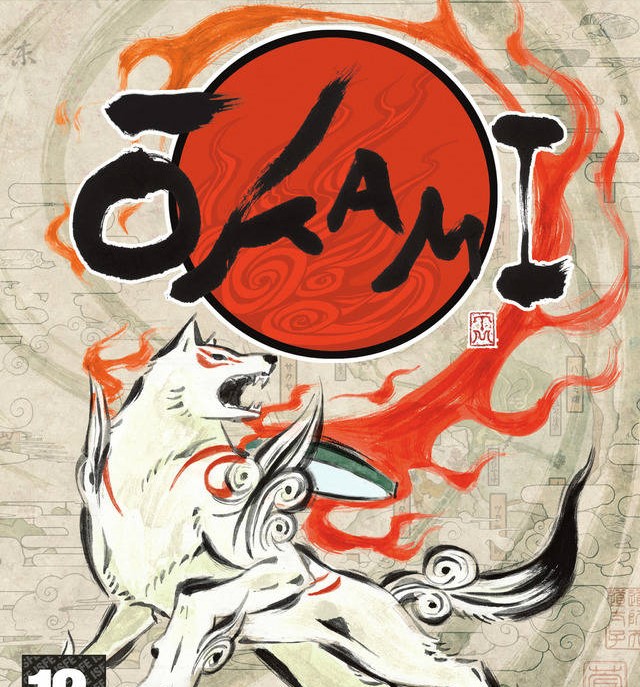
8. Okami
Okami, from 2006, is a visual masterpiece that proved games could be breathtaking art. Its cel-shaded, sumi-e art style brought Japanese mythology to life in a way no game had before. And it wasn't just pretty; the Celestial Brush mechanics were innovative, empowering you to literally paint solutions into the world. It’s a sprawling, heartfelt adventure that still holds up, a true testament to Clover Studio's genius.