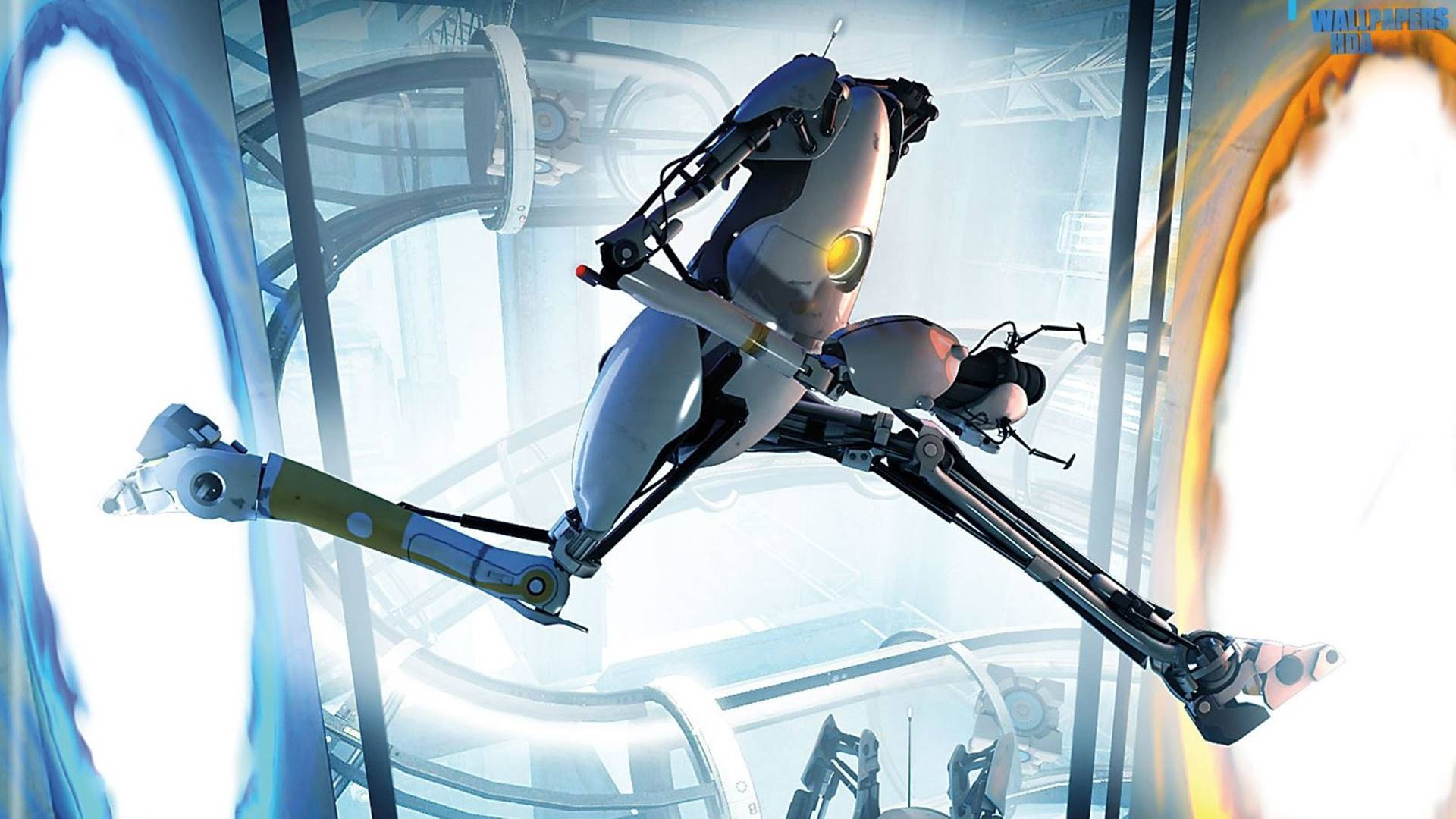
1. Portal 2
GLaDOS wasn't just an antagonist; she was a co-star, a twisted comedian, and eventually, a complex frenemy. Her snarky commentary, evolving motivations, and genuine presence made Aperture Science feel alive, even when it was trying to kill you. Modern games often settle for cardboard cut-out threats, missing the magic of a villain who genuinely engages with the player's journey, not just their health bar.
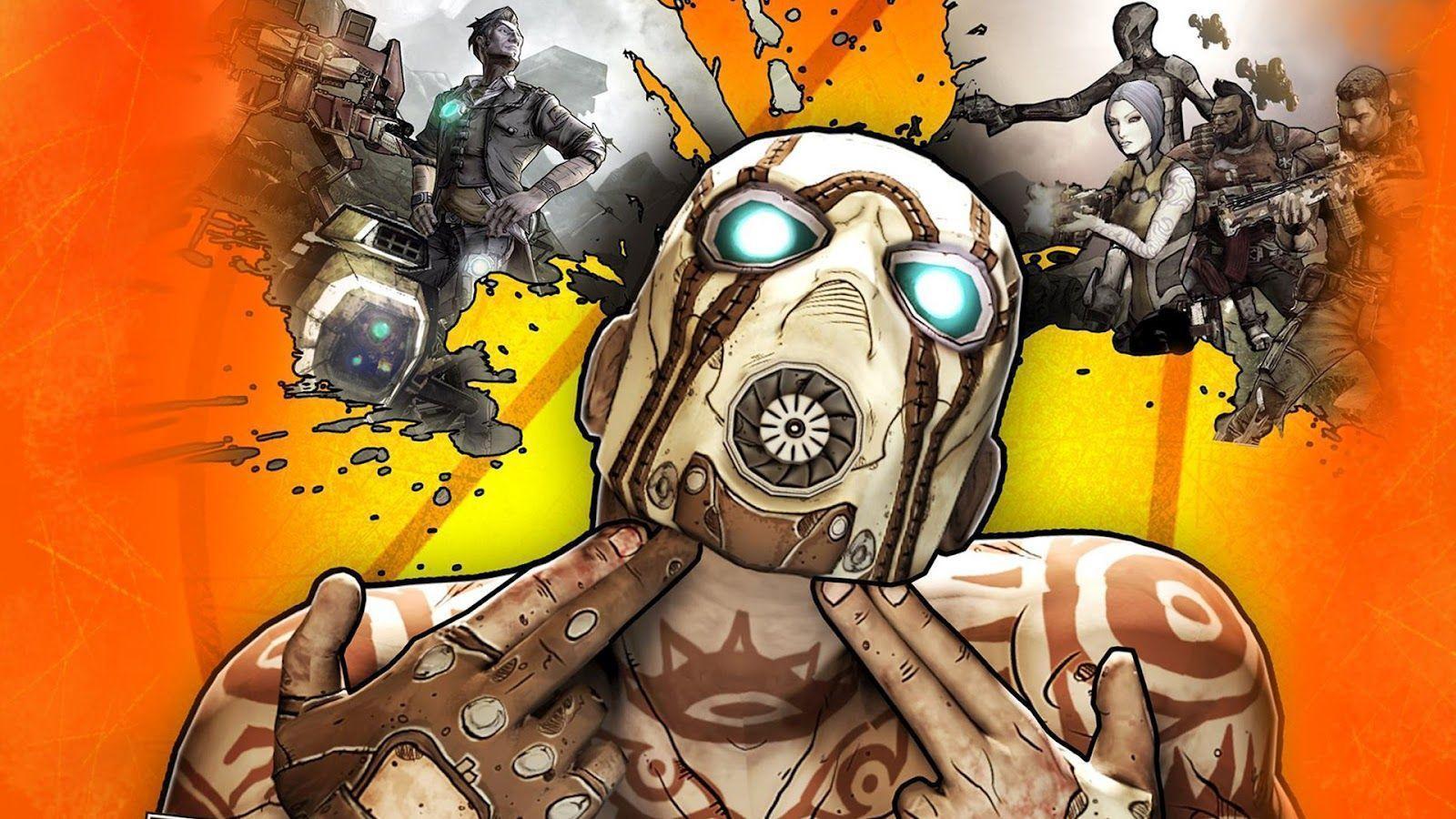
2. Borderlands 2
Handsome Jack was pure, unadulterated villainy wrapped in a charismatic, narcissistic package. His constant comms, condescending quips, and genuinely disturbing backstory made Pandora's chaos feel intensely personal. He wasn't just a boss fight; he was a character you loved to hate, a constant, taunting presence that elevated the entire Looter Shooter genre beyond just collecting gear. Most modern villains just don't have that microphone time.
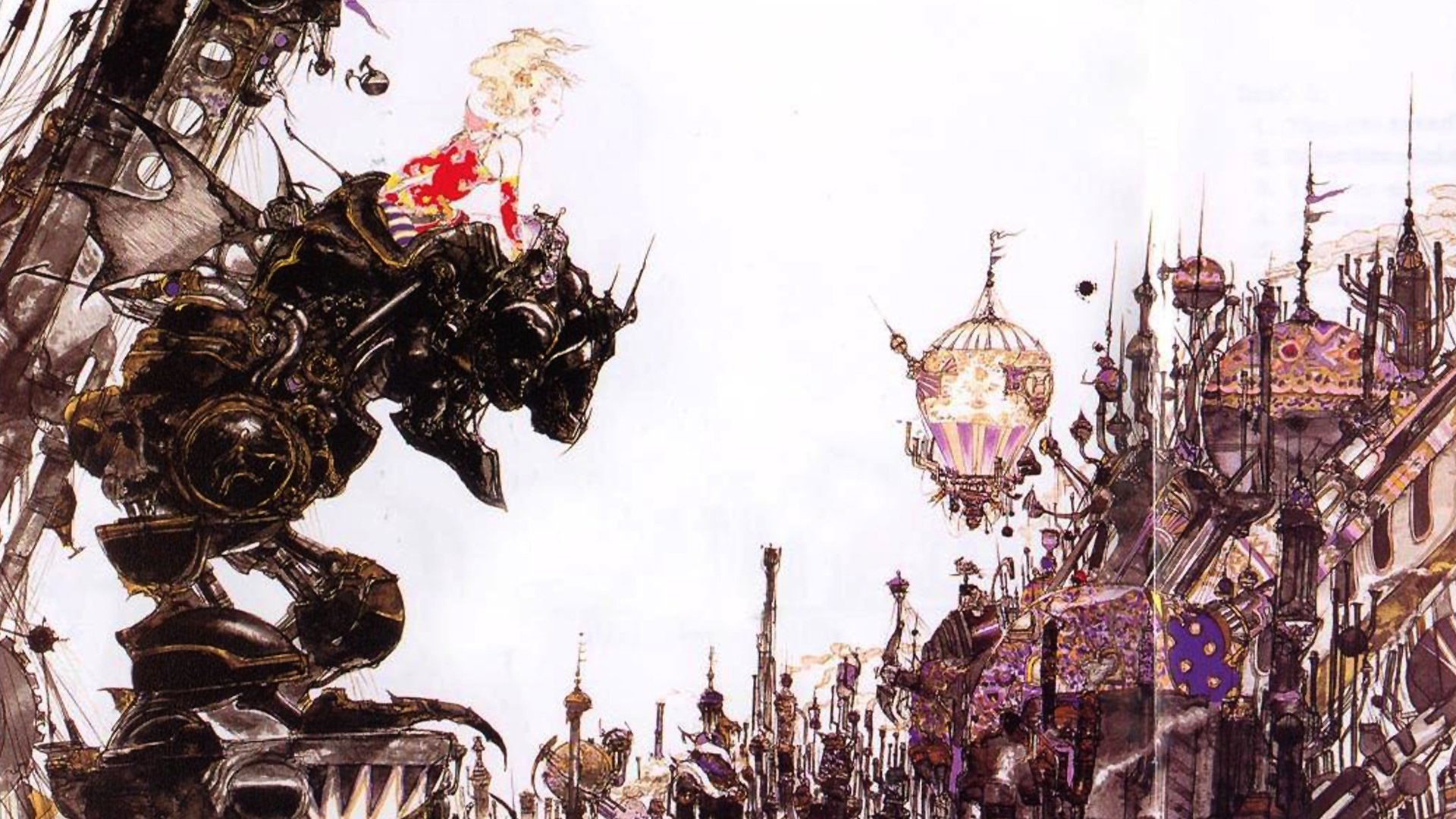
3. FINAL FANTASY VI
Kefka didn't just threaten the world; he broke it. His nihilistic glee, iconic cackle, and terrifying ascent from jester to god of destruction made him unforgettable. He wasn't some misunderstood anti-hero; he was pure, chaotic evil, a force of nature who profoundly reshaped the game's narrative landscape. Modern RPGs often shy away from such unapologetic, universe-altering antagonists, playing it too safe with their big bads.
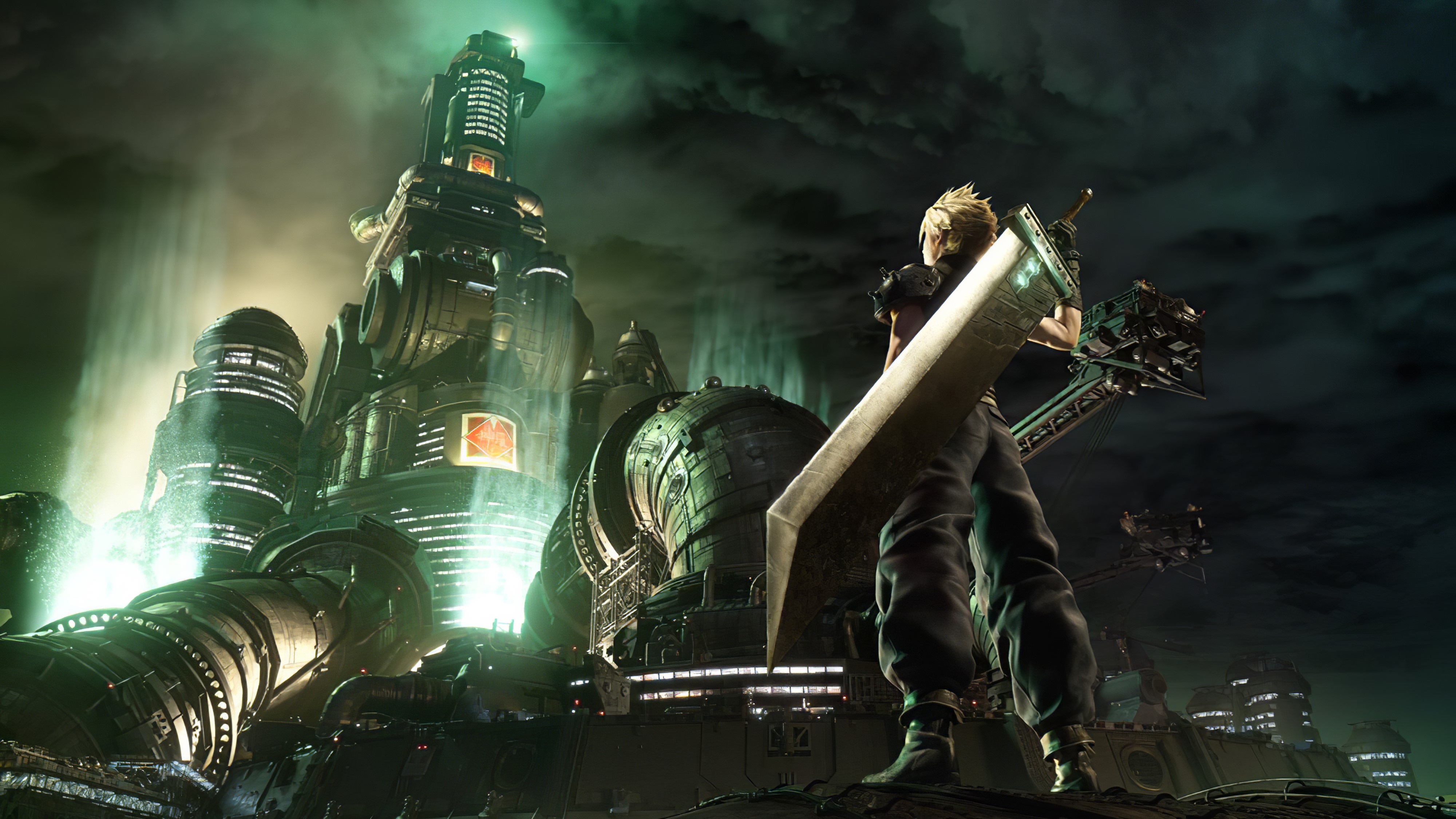
4. Final Fantasy VII
Sephiroth wasn't just a villain; he was an enigma, a legend, and the ultimate parental trauma. His iconic design, haunting theme, and the sheer scale of his ambition — tearing a wound in the planet itself — provided an unparalleled sense of dread and purpose. He was constantly ahead of you, a shadow looming over every major plot beat. So many modern games lack a villain with that kind of enduring, pervasive psychological impact.
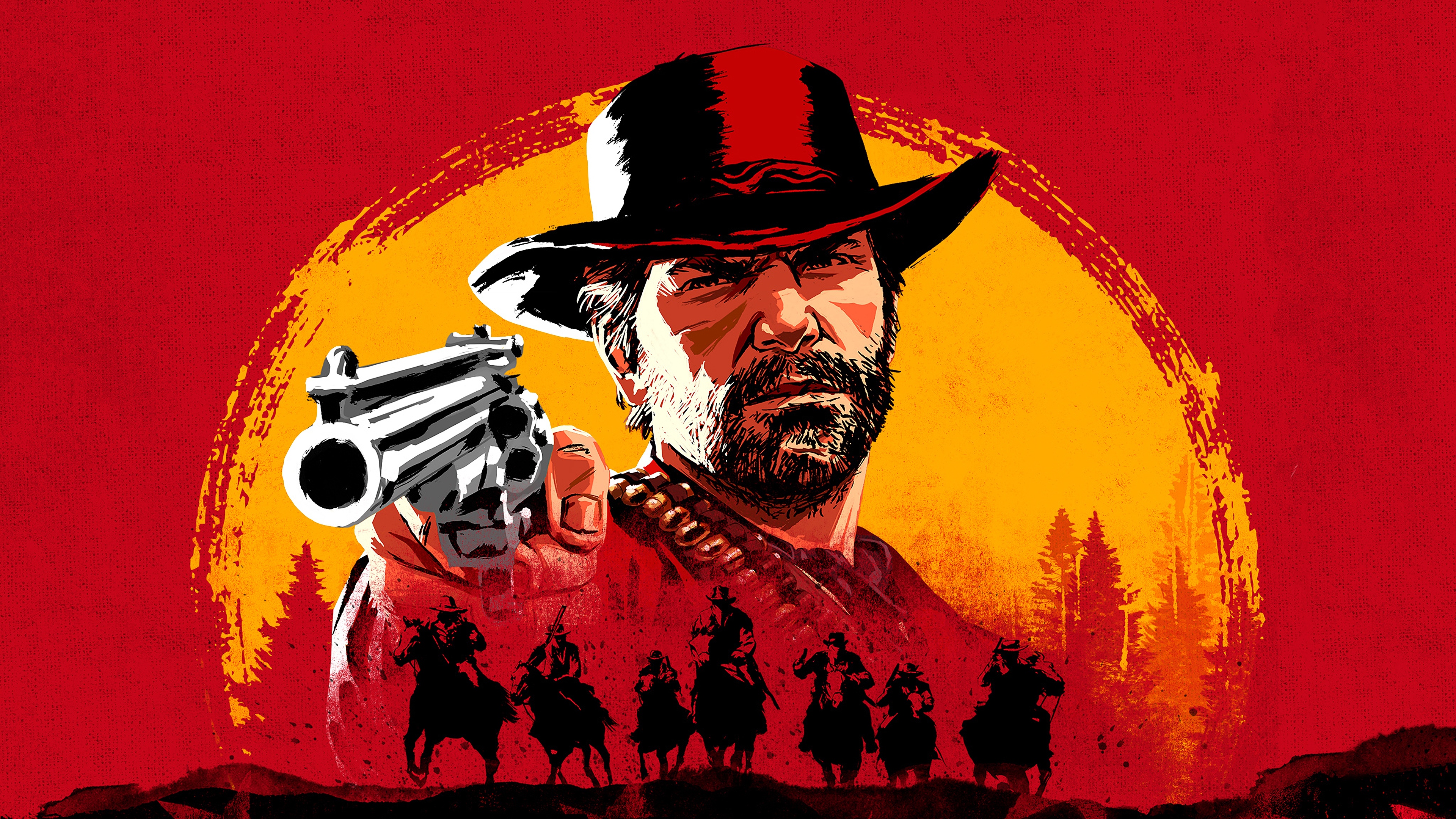
5. Red Dead Redemption 2
Micah Bell wasn't some grand, philosophical antagonist; he was a rat, a venomous, self-serving opportunist who embodied everything rotten within the gang. His insidious presence, betrayal, and relentless nastiness made him genuinely detestable, fueling Arthur's desperate quest for redemption. Modern games often miss crafting a villain so intimately, personally infuriating, one who feels like a cancerous growth you desperately want to excise.
6. Far Cry 3
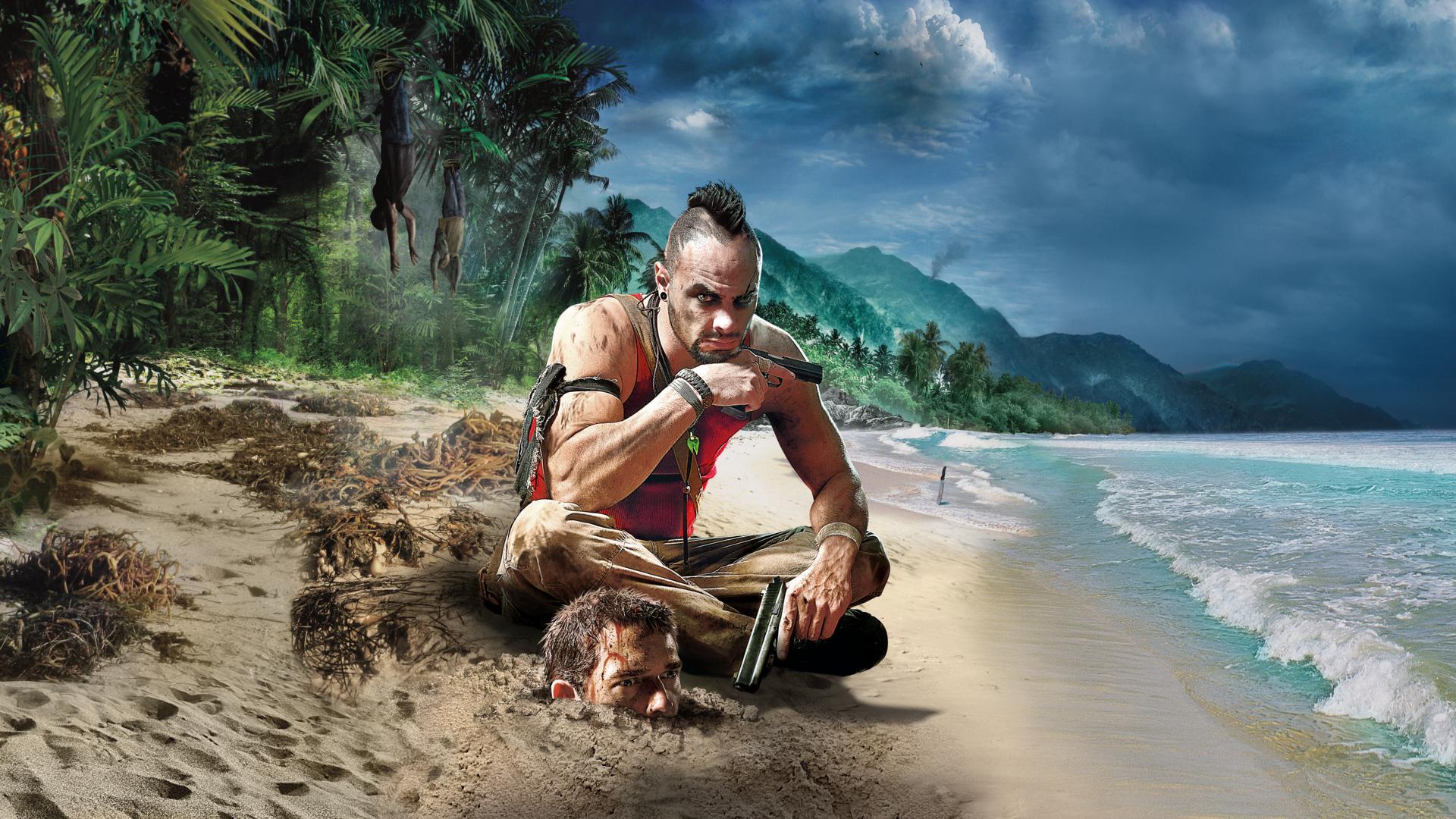
Vaas wasn't the main antagonist, but he *was* the game's face of insanity. His chilling monologues, unpredictable violence, and genuine menace made every encounter with him a masterclass in psychological tension. He felt like a live wire, making the player genuinely fear him. Modern open-world games struggle to inject that kind of raw, unhinged personality into their big bads, often opting for generic warlords.
7. Warcraft 3: Reign of Chaos
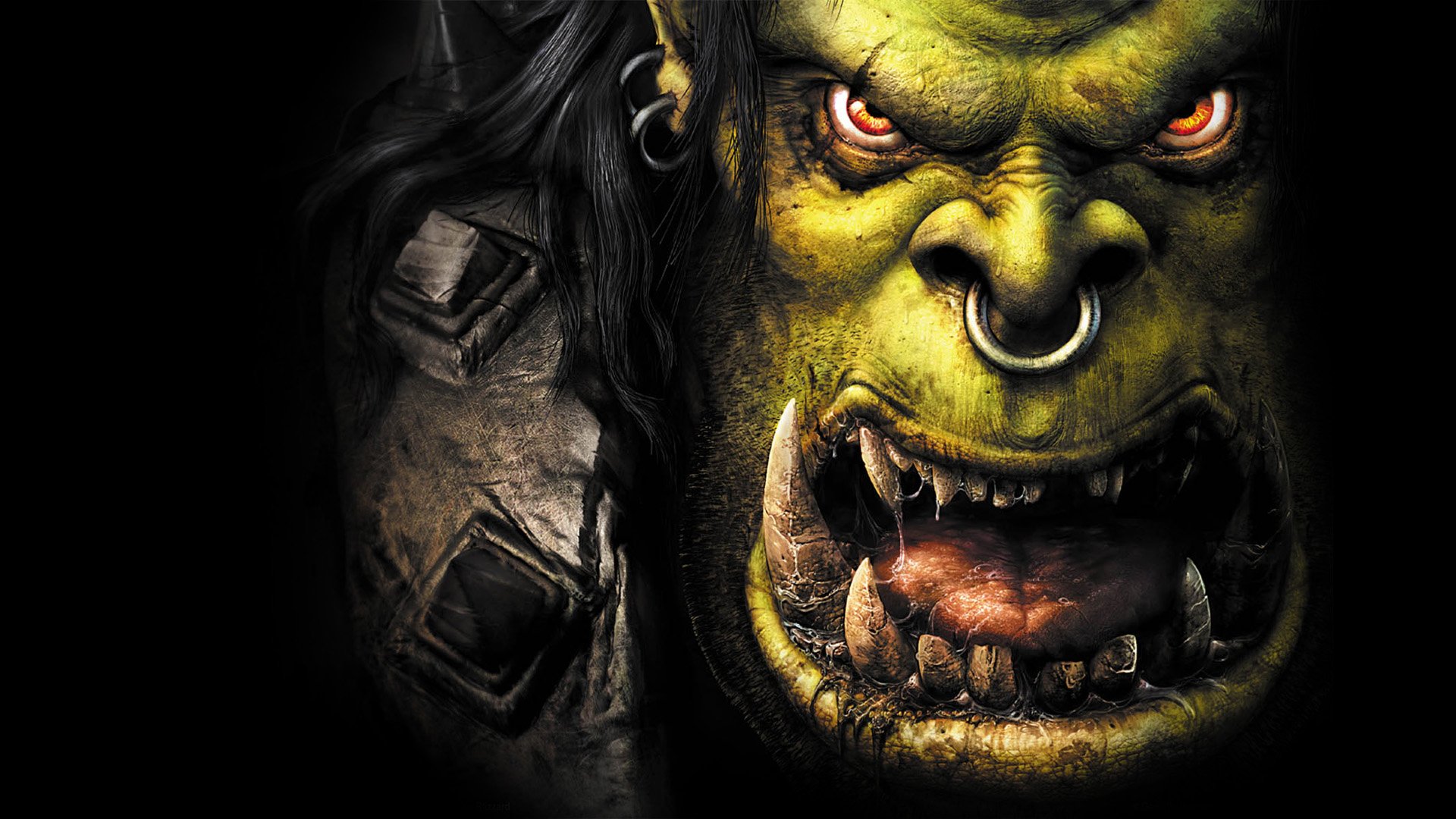
Arthas's descent into darkness is legendary, a masterclass in tragic villainy. Witnessing his fall from noble prince to the monstrous Lich King, driven by desperation and then corrupted by power, was an emotional gut punch. He wasn't just a villain; he was a cautionary tale, a hero broken. Modern strategy games, and even RPGs, rarely manage such a poignant, player-witnessed transformation.
8. BioShock
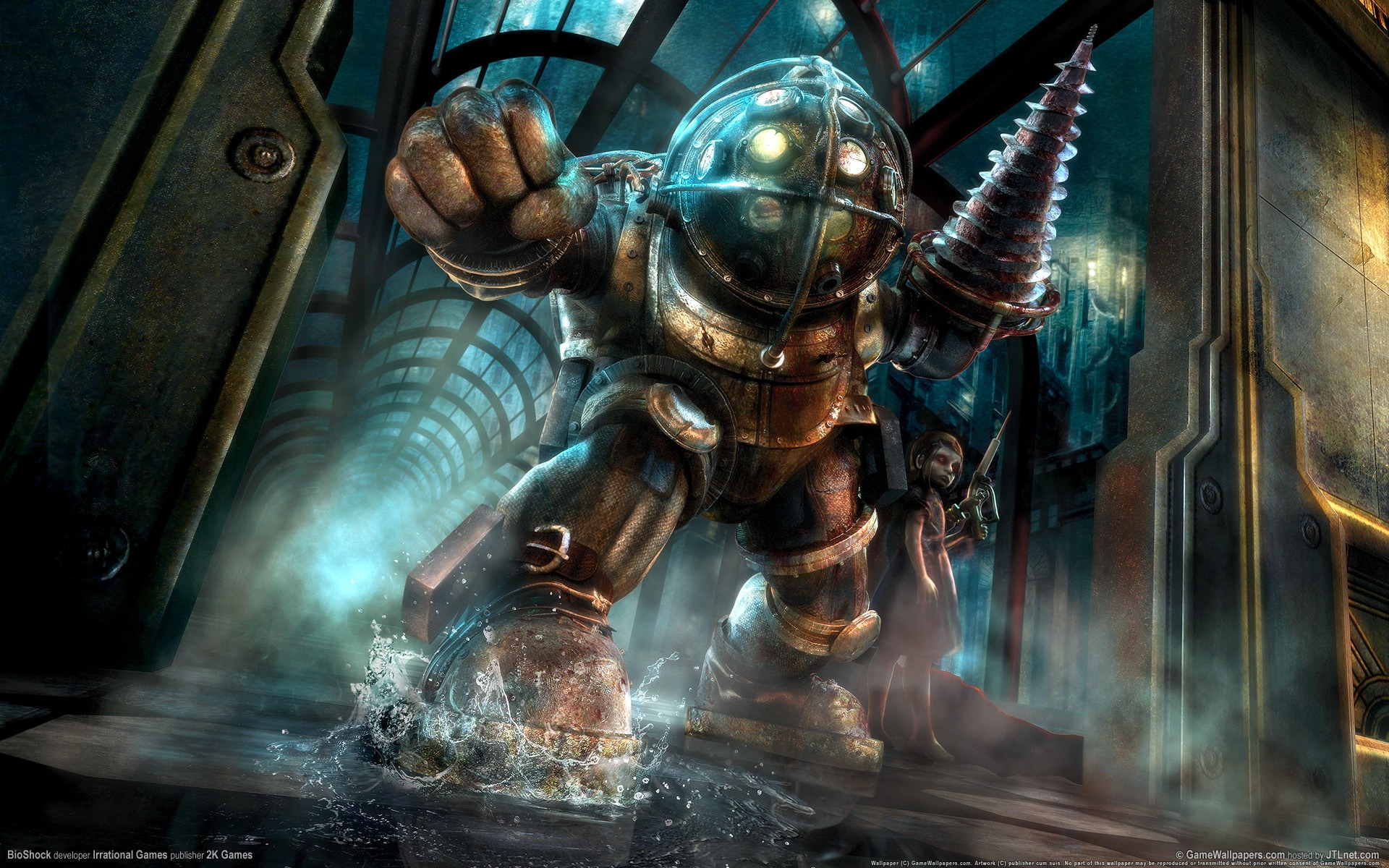
BioShock delivered a one-two punch with Andrew Ryan's Objectivist philosophy clashing with Frank Fontaine's manipulative ruthlessness. But it was the "Would you kindly?" twist, revealing the true puppet master, that cemented its narrative brilliance. These villains weren't just obstacles; they were ideologies, forces that shaped an entire world and fundamentally challenged the player's agency. Modern games rarely weave such profound, systemic villainy.