
1 / 6
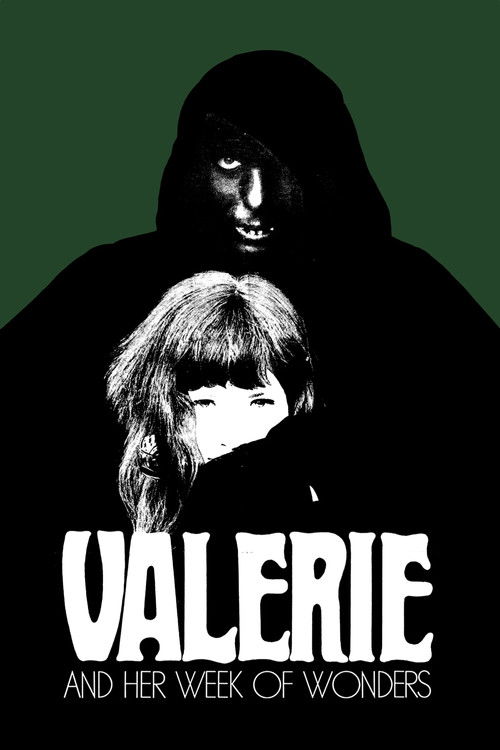
1. Valerie and Her Week of Wonders
Forget neatly packaged narratives. "Valerie and Her Week of Wonders" from 1970 is a dream logic masterpiece, a hallucinatory coming-of-age fable where reality and fantasy blur for a young girl. It's less a story, more an experience, dripping with symbolic imagery and a genuinely unsettling, yet beautiful, aesthetic. This Czech New Wave gem bypassed mainstream screens, a psychedelic trip that defies easy categorization and demands surrender to its unique charm.
2 / 6
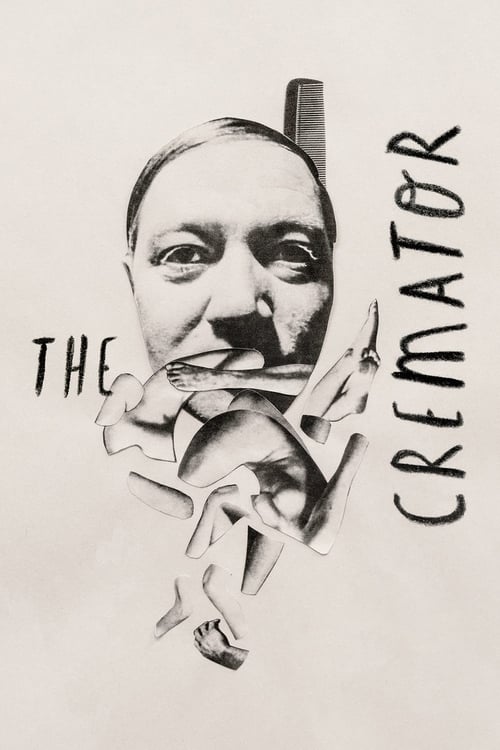
2. The Cremator
"The Cremator" (1969) offers a chillingly droll descent into madness, set against the creeping shadows of totalitarianism. Rudolf Hrušínský's performance as Kopfrkingl, a man obsessed with his profession and increasingly deluded, is captivatingly grotesque. This film is a masterclass in psychological horror, cloaked in black humor, making you question humanity's capacity for evil with a sly, unsettling smile. It’s a deeply disturbing, yet darkly comedic, experience that lingers.
3 / 6
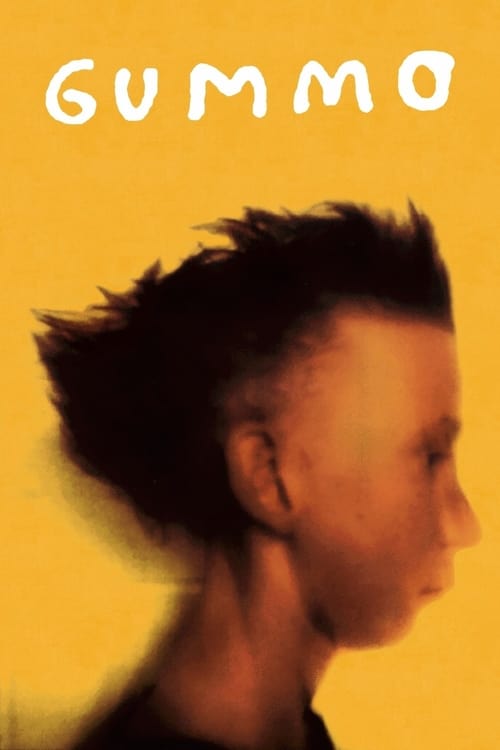
3. Gummo
Harmony Korine’s 1997 "Gummo" isn't for the faint of heart, or for those who prefer conventional storytelling. It’s a raw, unflinching, and often disturbing glimpse into the lives of disaffected youth in a tornado-ravaged Ohio town. This film is a deliberately abrasive art piece, a mosaic of squalor and desperation that feels less like a narrative and more like a fever dream collage. It’s an acquired taste, certainly, but undeniably powerful and unique.
4 / 6

4. Cure
Kiyoshi Kurosawa's 1997 "Cure" is a slow-burn masterpiece of psychological horror, a film that seeps into your bones rather than jump-scaring you. A detective investigates a series of bizarre murders where victims are found with an 'X' carved into their neck, and the perpetrators have no memory of the crime. This Japanese thriller masterfully builds an oppressive, unsettling atmosphere, exploring themes of identity, manipulation, and the infectious nature of evil. It's genuinely chilling.
5 / 6

5. Possession
Andrzej Żuławski’s 1981 "Possession" is an absolute cinematic maelstrom, a ferocious, operatic exploration of a marriage collapsing into monstrous madness. Starring Isabelle Adjani and Sam Neill, it's a visceral, often grotesque, psychological horror film set against the backdrop of the Berlin Wall. Adjani’s performance is legendary for its raw intensity, pushing boundaries into the truly unhinged. This is not a film you watch; it's a film you survive, and it leaves an indelible mark.
6 / 6
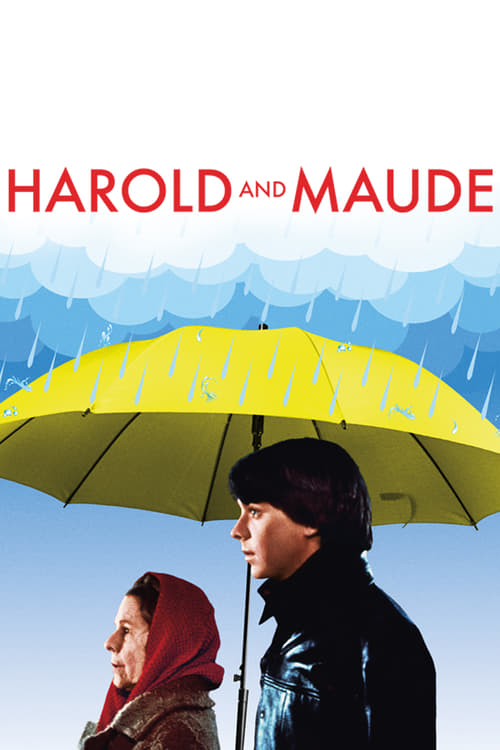
6. Harold and Maude
"Harold and Maude" from 1971 remains a delightfully morbid and life-affirming cult classic. This black comedy romance, about a death-obsessed young man and a vivacious, elderly woman, championed eccentricity and finding joy in the unconventional. Hal Ashby crafted a film that’s genuinely funny, profoundly moving, and utterly unique, with an unforgettable Cat Stevens soundtrack. It’s a gentle reminder to embrace life, even in the face of morbidity and societal norms.