
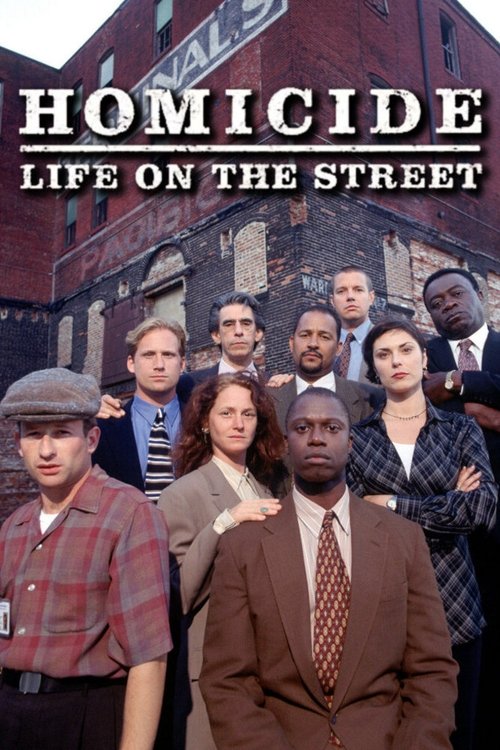
1. Homicide: Life on the Street
Before 'prestige' was a buzzword, this show was already laying down the blueprint. Its raw, handheld camera work and Baltimore-grit atmosphere made it feel less like a network procedural and more like an indie film. The ensemble cast was phenomenal, each detective wrestling with demons you actually cared about. It dared to be bleak, unpredictable, and deeply human, proving serial storytelling could thrive beyond soap operas.
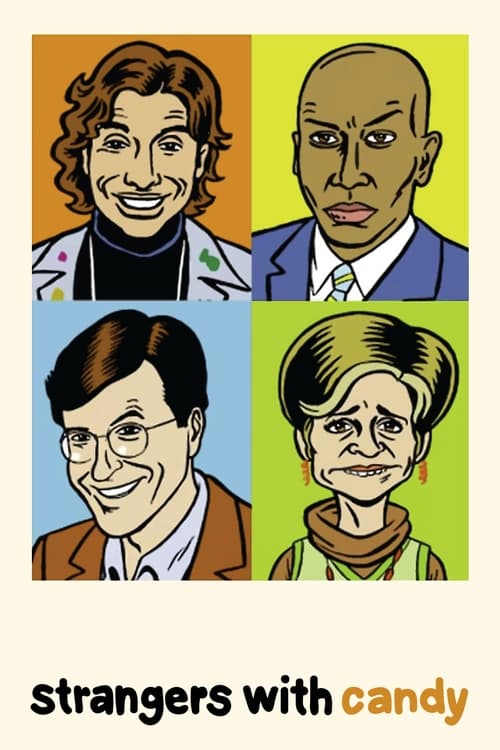
2. Strangers with Candy
Comedy Central took a huge swing with this one, and it landed perfectly for a niche audience. Amy Sedaris's Jerri Blank, a 46-year-old ex-junkie returning to high school, was an anti-hero before they were cool. It was aggressively weird, often uncomfortable, and gleefully pushed every boundary of good taste. This show exemplified cable's freedom to be utterly bizarre and brilliant, carving out its own strange corner.

3. Six Feet Under
HBO, of course. This show stared death right in the face, every episode starting with a new one. But it was about life, really, and the messy, beautiful, dysfunctional Fisher family running their funeral home. It was deeply serialized, emotionally devastating, and had some of the most complex character writing on television. It showed that drama could be profoundly introspective and utterly captivating.

4. The Office
The original UK version set the standard for cringe comedy and the mockumentary format. Ricky Gervais and Stephen Merchant crafted a world so painfully awkward and hilariously real, it felt like you were spying on actual office drones. It wasn't about big laughs; it was about the uncomfortable truth of mundane existence. This was foundational, proving a niche style could resonate globally and spawn a franchise.
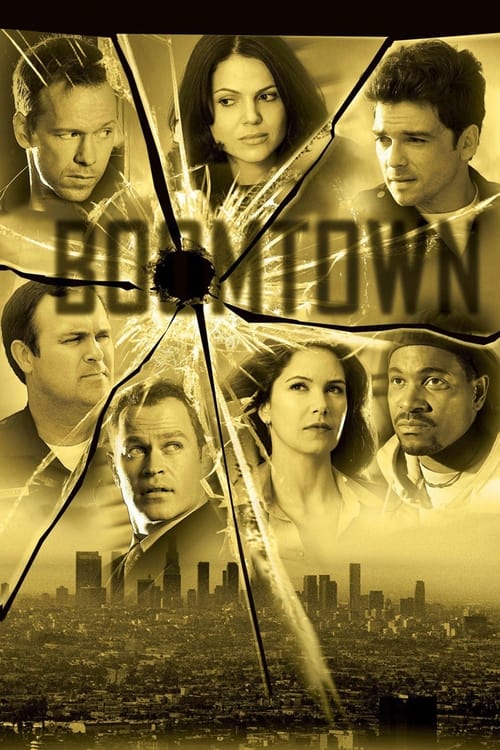
5. Boomtown
This show was criminally ahead of its time. Each episode replayed events from multiple perspectives — police, suspects, victims — creating a sophisticated, Rashomon-style narrative. It was ambitious, cinematic, and demanded audience engagement, pushing the boundaries of what a network procedural could be. Its early cancellation was a real shame, as it pioneered techniques we see celebrated today.
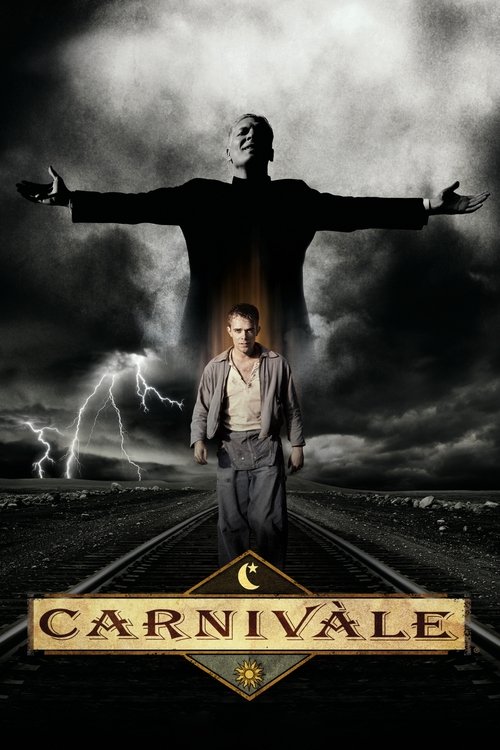
6. Carnivàle
HBO again, delivering a visual feast and a dense, esoteric mythology. Set during the Dust Bowl, this was a dark, atmospheric serialized epic about good versus evil, destiny, and a traveling carnival. It was expensive, slow-burn, and didn't hold your hand, rewarding patient viewers with a unique, dreamlike experience. It embodied cable's willingness to bet big on distinct, serialized visions.
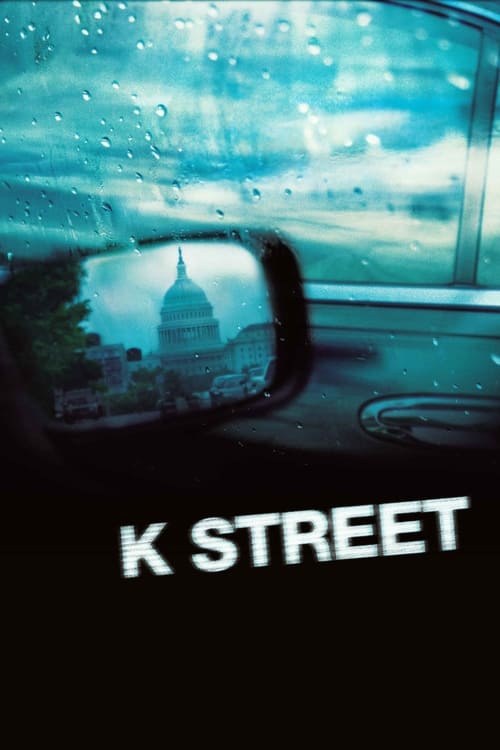
7. K Street
Talk about experimental. Soderbergh and Clooney's HBO venture blended fiction with real D.C. politics, shooting just days before airing and incorporating actual events and politicians. It was part mockumentary, part improvised drama, a raw, almost docu-fiction look behind the curtain. A bold, early example of how TV could react to current events and blur lines, foreshadowing future media trends.
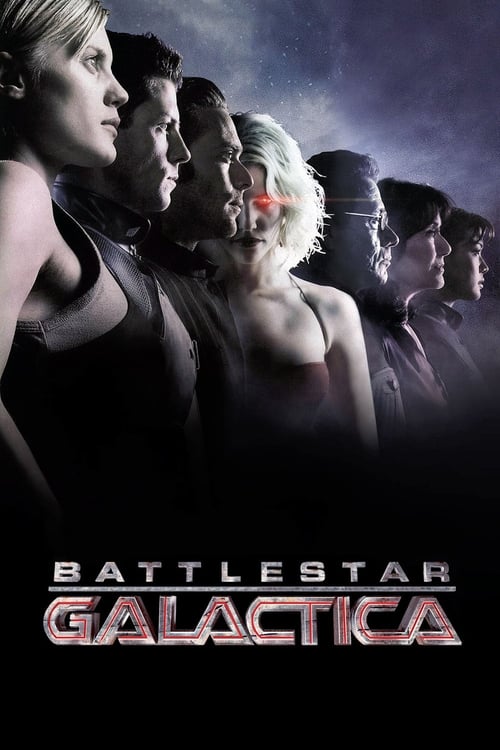
8. Battlestar Galactica
Who thought a Syfy channel reboot of a cheesy 70s show could be this good? It became a post-9/11 allegory, exploring war, politics, religion, and humanity's survival with incredible depth. Its serialized storytelling, complex characters, and cinematic scope made it prestige drama disguised as sci-fi, proving genre TV could be just as profound and impactful as anything else on air.
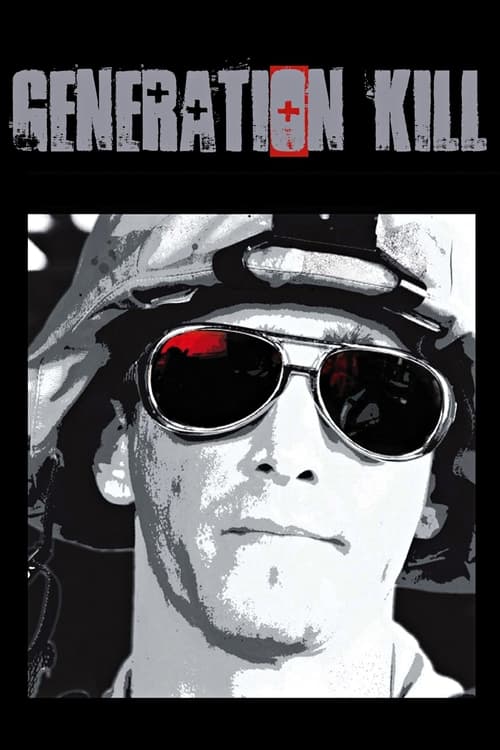
9. Generation Kill
Another HBO masterpiece, this miniseries chronicled the early days of the Iraq War through the eyes of a U.S. Marine reconnaissance battalion. It was unflinching, authentic, and brutally honest, with dialogue pulled directly from journalistic accounts. The ensemble cast delivered raw performances, creating a powerful, immersive, and often darkly humorous look at modern warfare. Pure cinematic television.
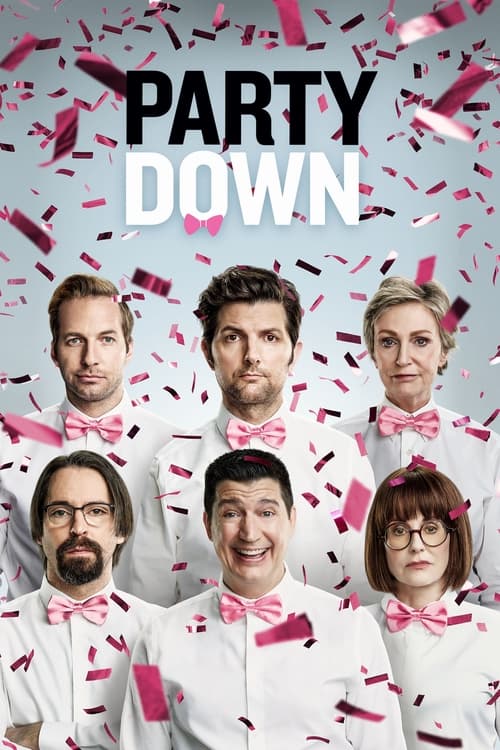
10. Party Down
Starz, before it was a major player, gave us this gem. A hilarious, melancholic workplace comedy about a catering crew in Los Angeles, all aspiring for bigger things but stuck serving hors d'oeuvres. It was sharp, character-driven, and perfectly balanced cynical humor with genuine pathos. An underappreciated serialized comedy that proved even smaller cable channels could foster brilliant, nuanced storytelling.
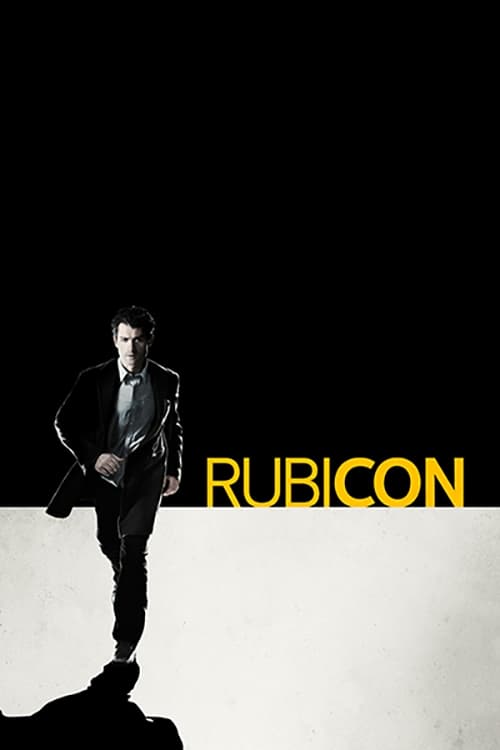
11. Rubicon
AMC, fresh off its 'Mad Men' and 'Breaking Bad' success, tried something different: a slow-burn, atmospheric conspiracy thriller. It was intellectual, demanding, and deliberately paced, focusing on intricate plots within a government intelligence agency. While it didn't find a massive audience, it showcased a commitment to complex, serialized narratives that respected viewer intelligence, even if it was a bit too subtle for some.