
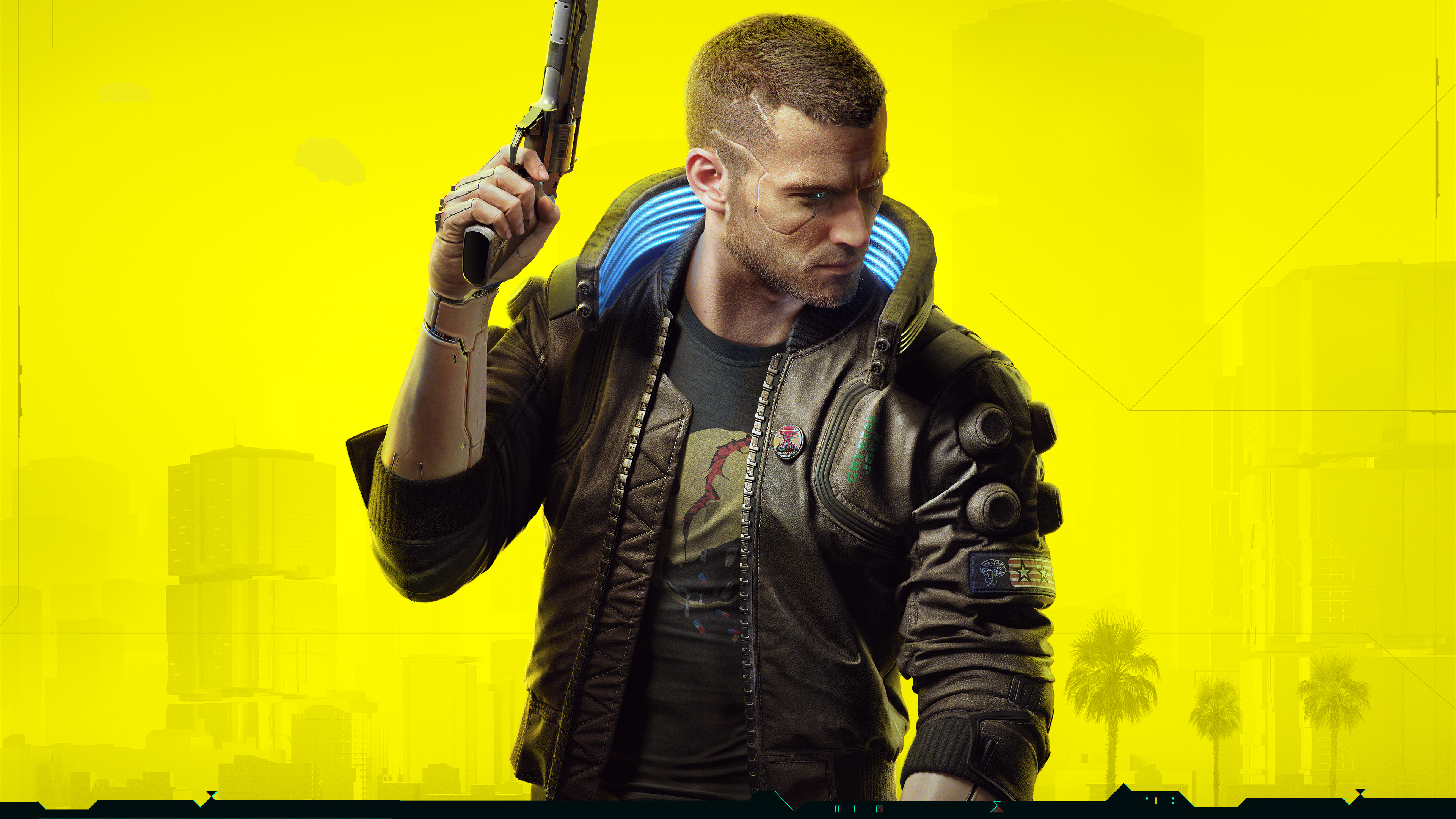
1. Cyberpunk 2077
Oh, *Cyberpunk 2077*. The game that proved you can oversell a dream so hard it turns into a nightmare. Remember the E3 demos? Remember the launch on base PS4 and Xbox One? It was a masterclass in how to alienate a fanbase, delivering a buggy, incomplete mess for years after promising the world. Even after redemption arcs, that initial betrayal stings, a stark reminder that pre-orders are a gamble, and corporate promises are often just hot air. They learned, maybe, but we sure did.
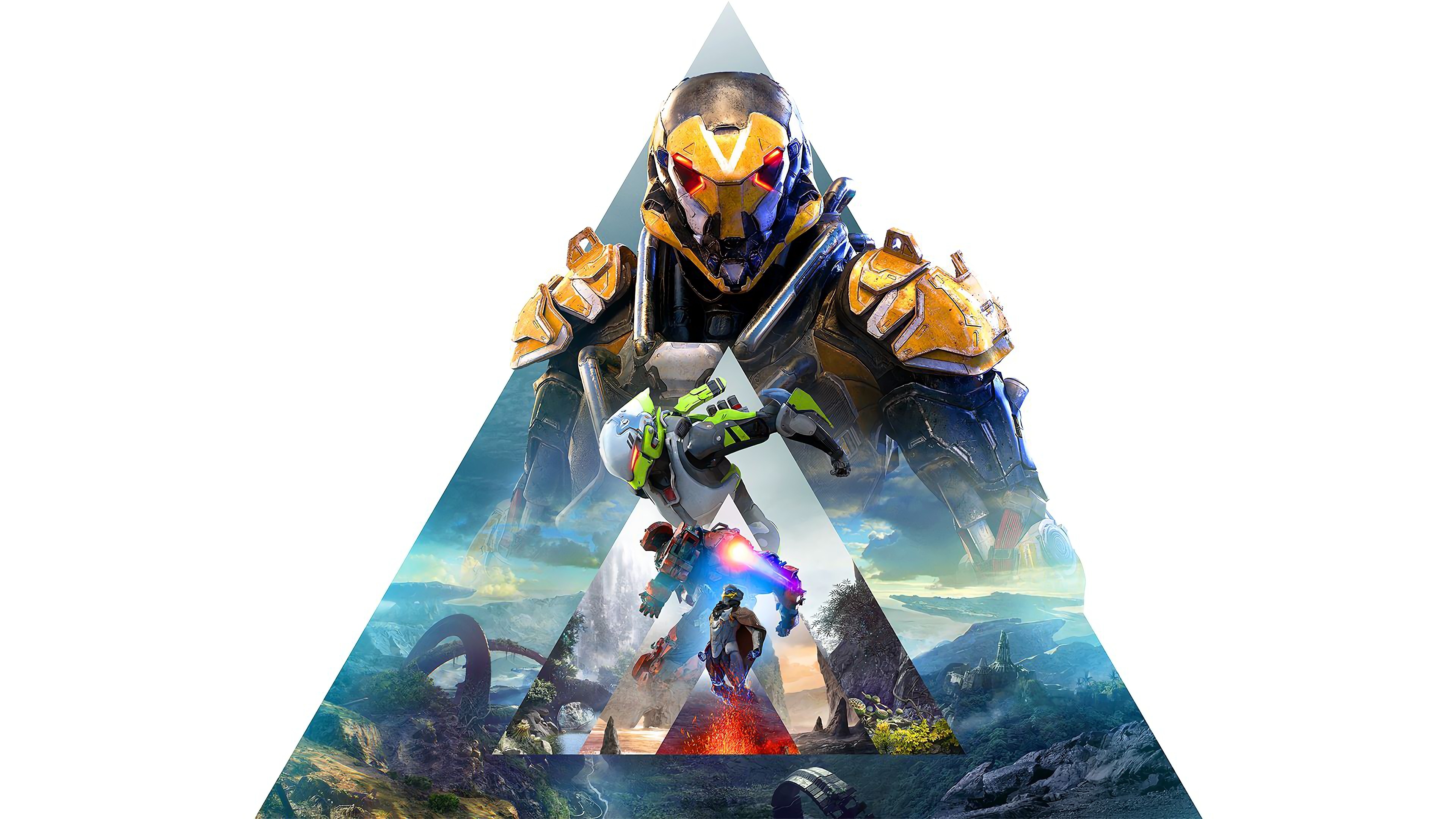
2. Anthem
BioWare, what happened? *Anthem* was supposed to be the next big thing, a flashy Iron Man simulator with co-op flair. Instead, we got a hollow shell of a game, repetitive missions, an uninspired loot grind, and a story that felt like an afterthought. It died a slow, painful death, a monument to misguided live-service ambitions and a warning shot that even legendary studios can fumble the ball spectacularly when chasing trends instead of crafting compelling experiences.
3. No Man's Sky
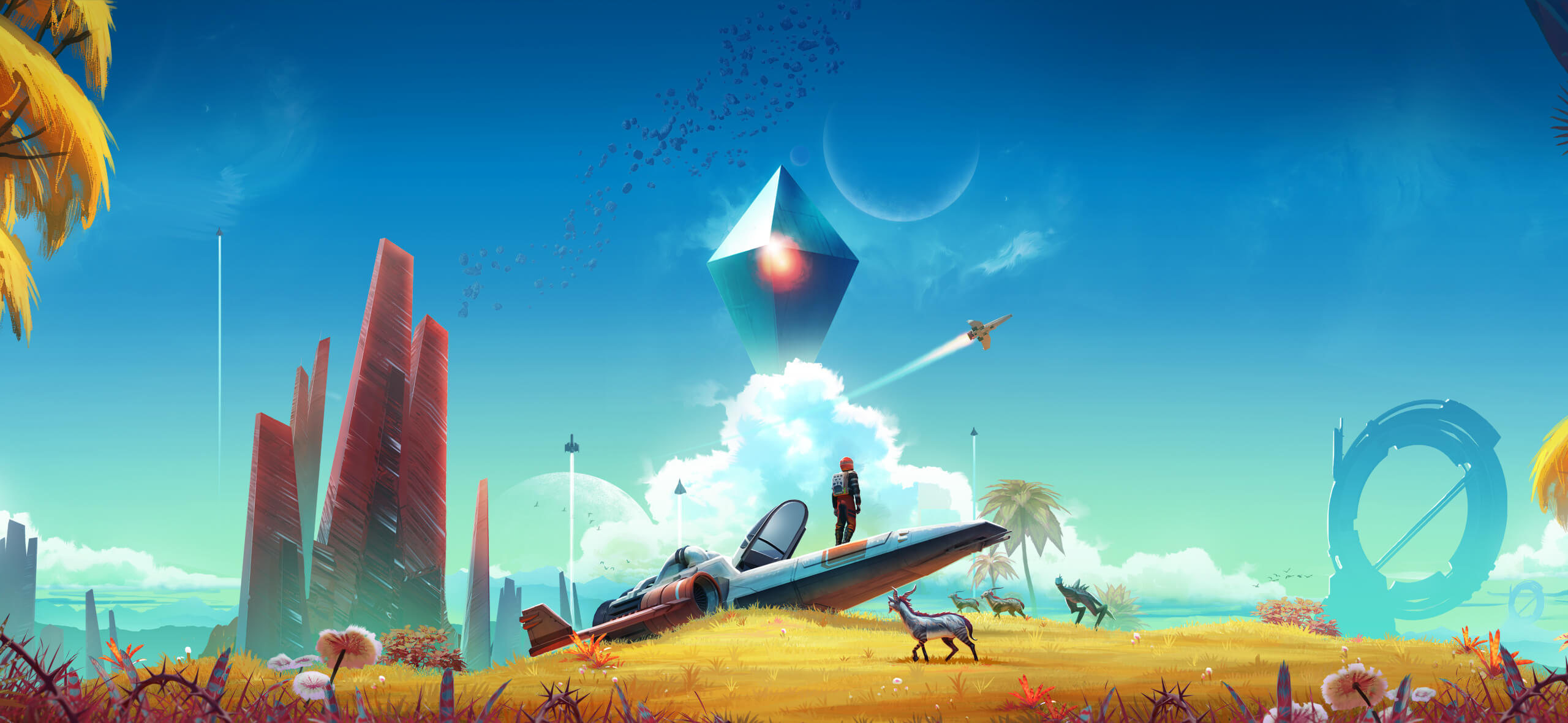
*No Man's Sky* might be a redemption story now, but let's not forget the launch. The procedural generation promised infinite wonder, but delivered infinite emptiness. Missing features, misleading trailers, and a core loop that felt like a glorified tech demo left millions feeling utterly ripped off. While Hello Games deserves credit for their relentless post-launch support, the initial release was a stark lesson in managing expectations and not selling a fantasy that simply doesn't exist yet.
4. Diablo: Immortal
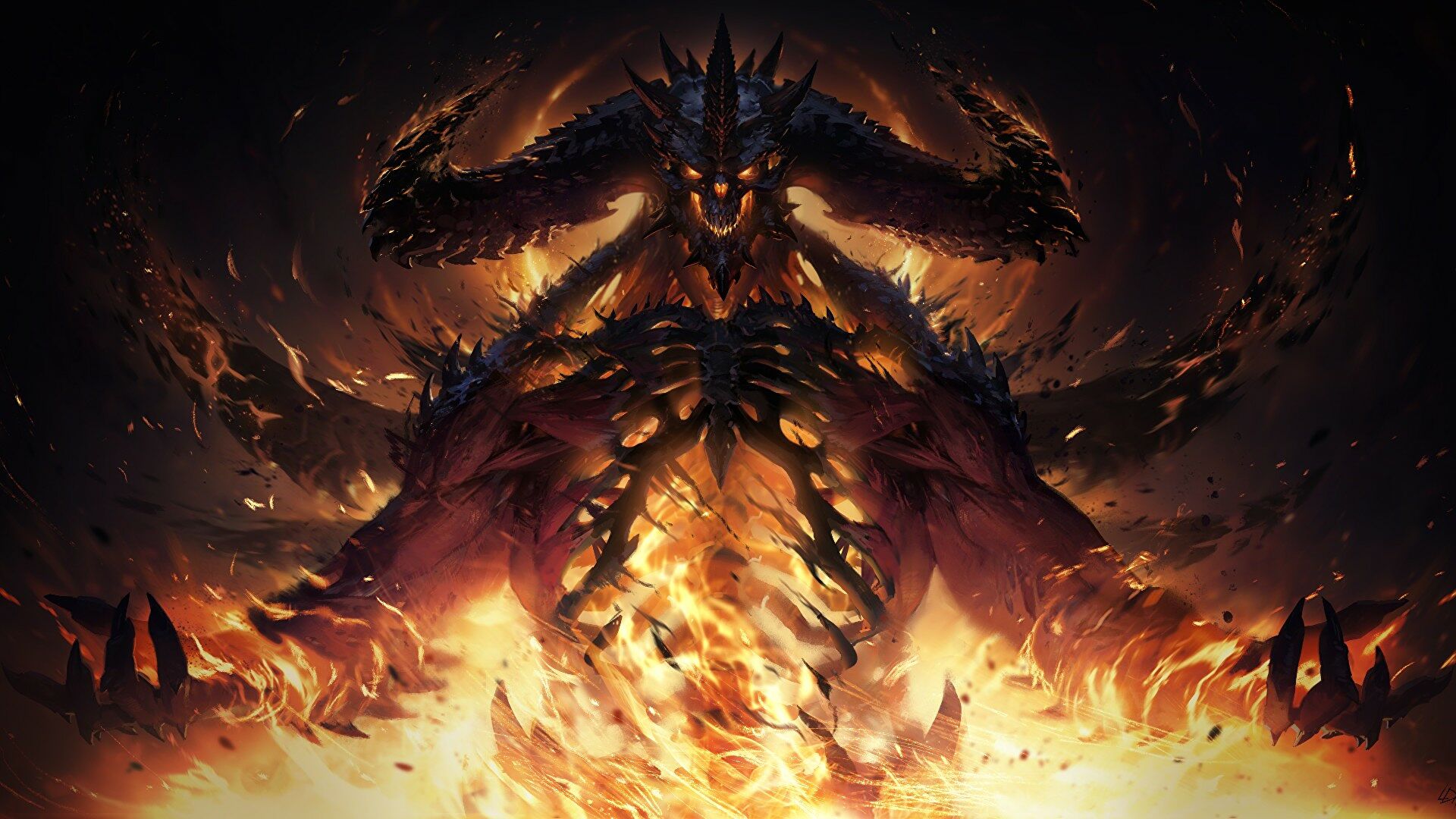
Do you guys not have phones? Yeah, we remember that gem. *Diablo: Immortal* took a beloved franchise, slapped a predatory mobile monetization scheme on it, and dared to call it a *Diablo* game. It's a soulless cash grab, designed from the ground up to extract maximum dollars from your wallet rather than deliver a satisfying ARPG experience. This wasn't for the fans; it was for the shareholders. A true stain on the *Diablo* legacy.
5. Starfield
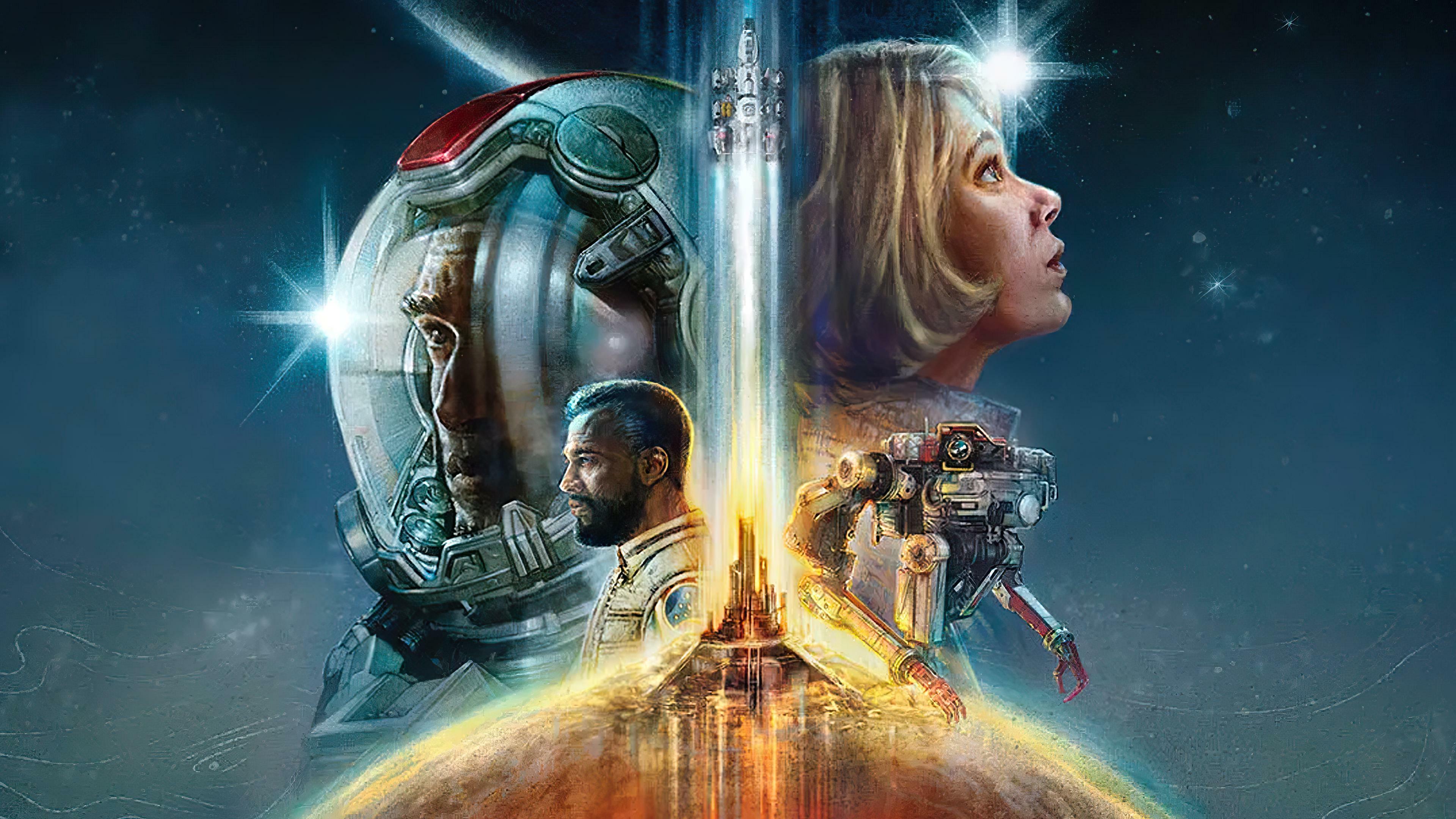
Bethesda's big space epic, *Starfield*, landed with more of a thud than a bang. After years of hype, what we got was a sprawling but ultimately sterile universe. It felt like every Bethesda game before it, just with more loading screens and less soul. The promise of exploration was drowned out by bland planets and repetitive POIs, making it feel less like a groundbreaking journey and more like a checklist simulator. A truly safe, uninspired effort.
6. Redfall
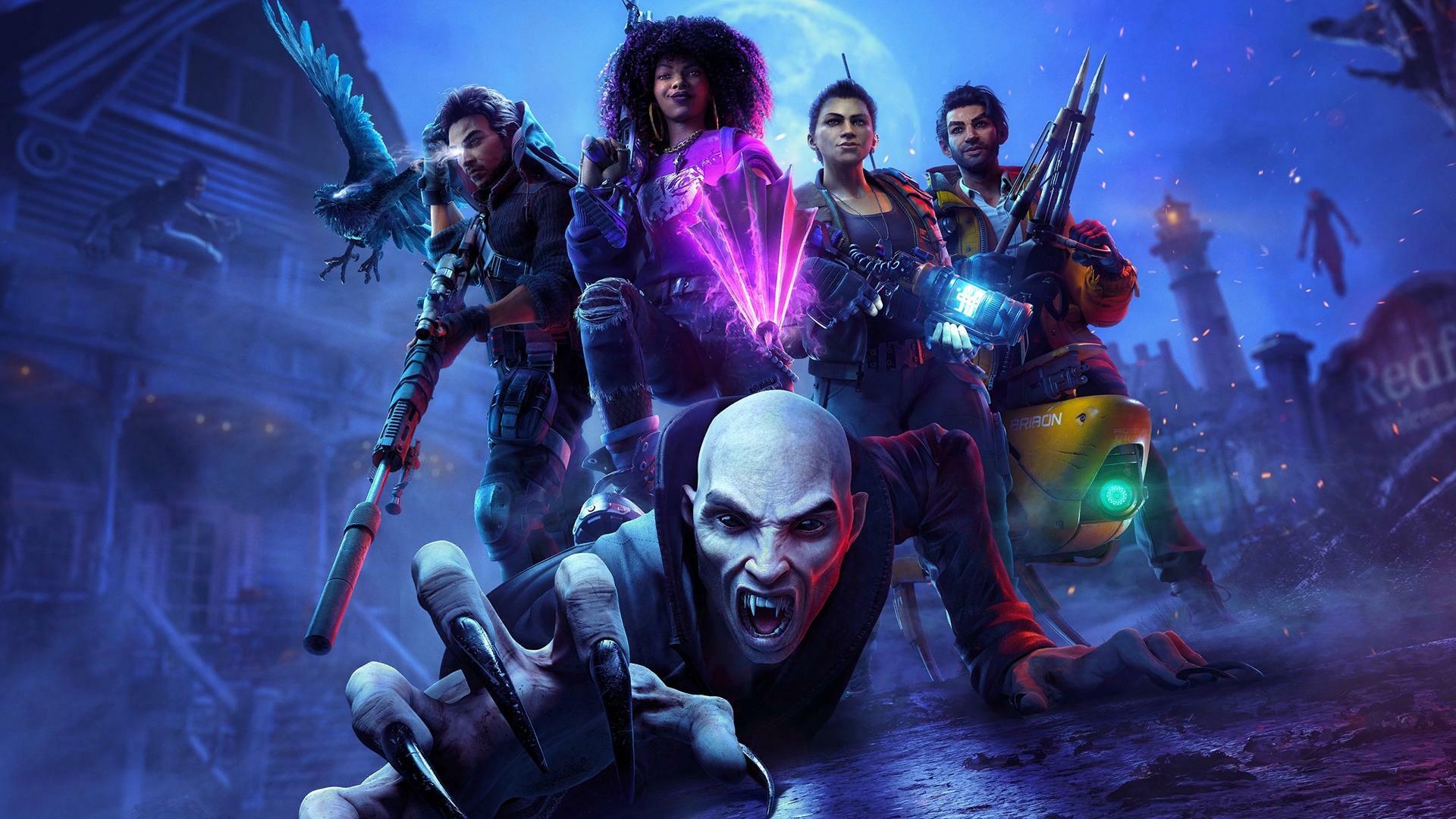
Arkane, the masters of immersive sims, delivered *Redfall*, and it was... not that. This co-op vampire shooter was a Frankenstein's monster of bad design choices. Always online for single-player, a barren open world, and AI so brain-dead it made early 2000s NPCs look sophisticated. It was a clear case of a studio being pushed to make something they weren't passionate about, resulting in a game that felt unfinished, uninspired, and utterly forgettable.
7. Fallout 76
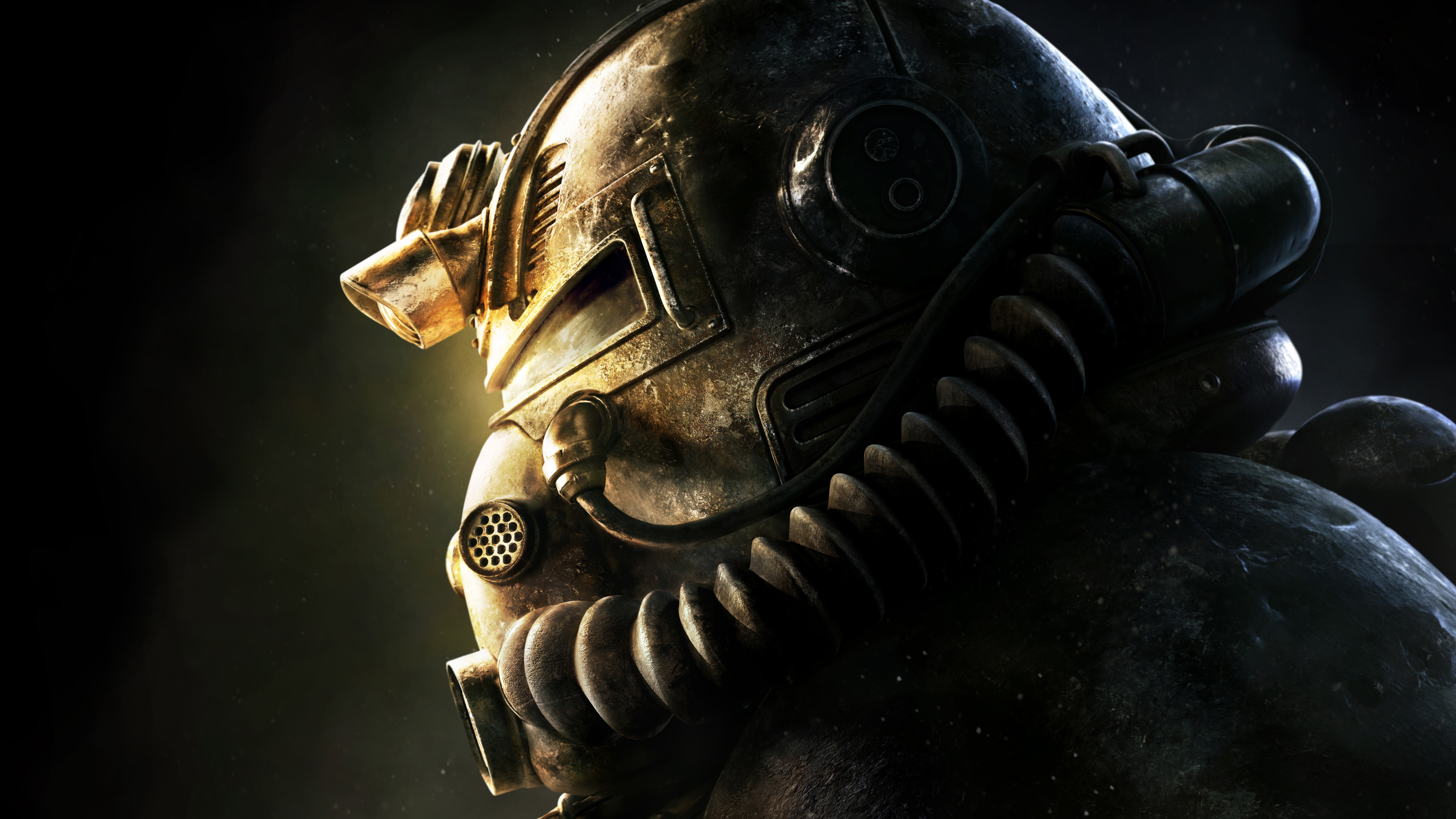
Oh, *Fallout 76*. The launch was a disaster of epic proportions: game-breaking bugs, abysmal performance, and a baffling design choice to make a beloved single-player series into a multiplayer survival grind. Then came the canvas bag scandal, the Nuka-Cola dark rum, and the premium subscription service for basic features. It was a testament to how far a company can fall when they seemingly lose touch with their community and core identity.

8. The Day Before
*The Day Before* wasn't just bad; it felt like an outright scam. After years of tantalizing trailers and broken promises, the game finally launched as an Early Access title that bore almost no resemblance to what was advertised. It was buggy, unfinished, and quickly delisted, leaving countless players feeling swindled. This one wasn't just a disappointment; it was a brazen display of misleading marketing and a textbook example of vaporware delivered.