

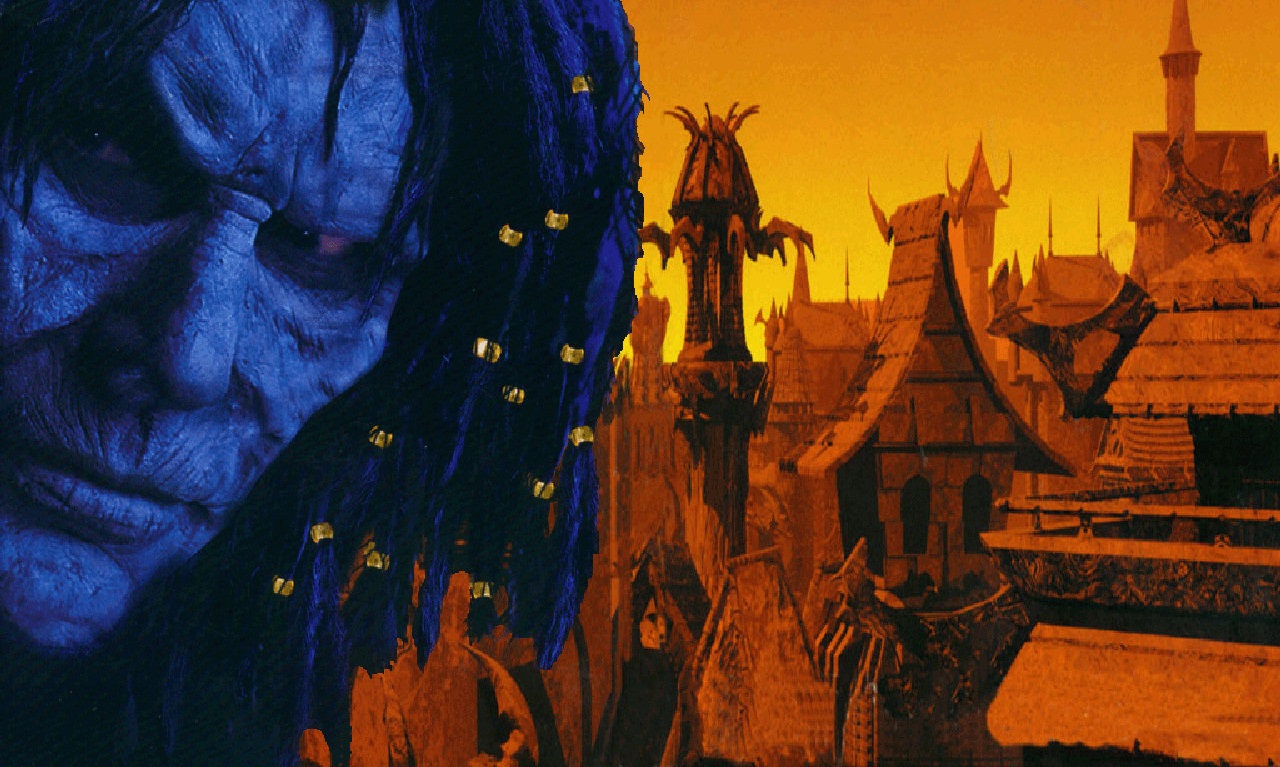
1. Planescape: Torment
This game challenged fundamental RPG conventions. Its focus wasn't on combat, but on philosophy, identity, and narrative choice, crafting an experience where dialogue and introspection were paramount. The Nameless One's journey through Sigil and beyond explored themes of mortality and redemption with a depth rarely seen. It proved that video games could be profound literary works, influencing countless narrative-driven titles that followed and redefining what a role-playing game could truly be.

2. Okami
Visually, Okami was a breathtaking deviation, presenting a living sumi-e painting that felt both ancient and fresh. Its Celestial Brush mechanic was a stroke of genius, integrating gameplay directly into the art style. While some considered it a Zelda-like, its unique mythological framework, Japanese aesthetic, and the sheer joy of embodying Amaterasu delivered an unparalleled sense of wonder and beauty. It demonstrated how artistic vision could elevate familiar mechanics into something truly extraordinary and timeless.
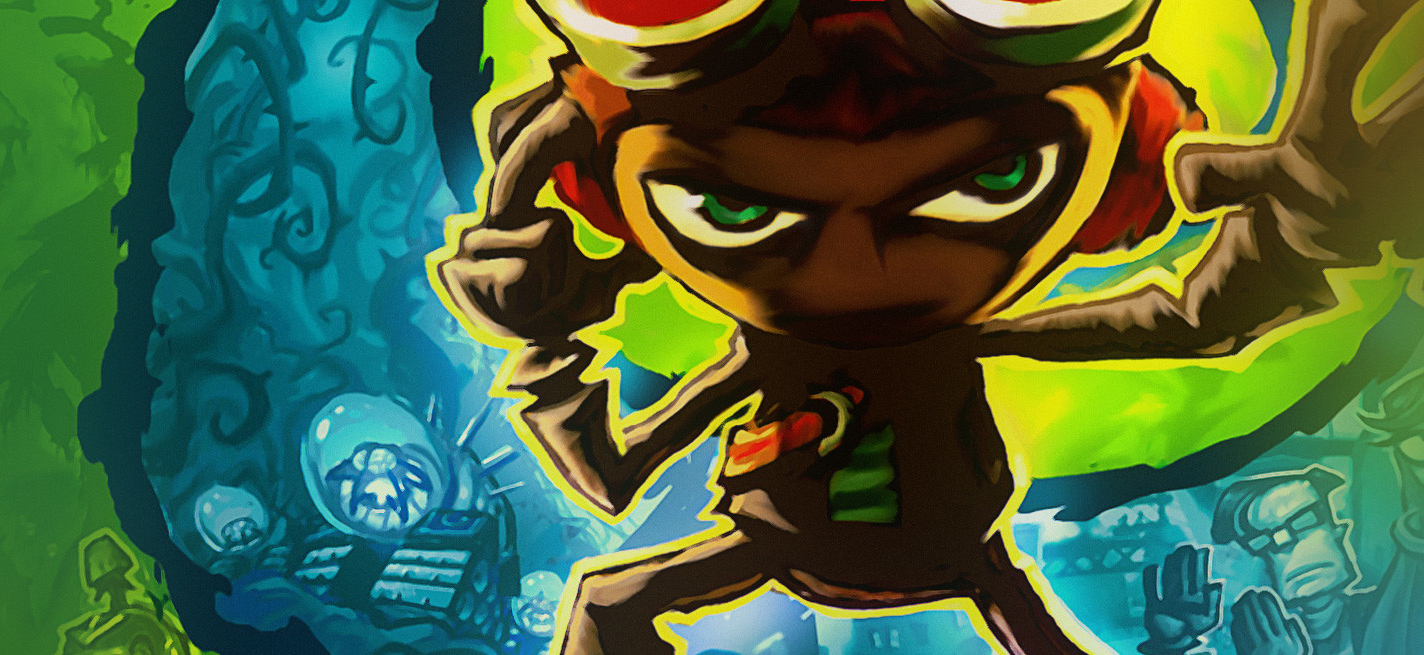
3. Psychonauts
Tim Schafer's peculiar genius shone through in this platformer. Psychonauts explored the landscape of the human mind with unparalleled creativity, translating psychological concepts into imaginative, playable levels. Each character's mental world was a unique, often hilarious, and surprisingly poignant reflection of their inner turmoil. It was a game that blended witty writing, inventive gameplay, and genuine heart, proving that platformers could offer more than just jumping puzzles; they could be deeply insightful explorations of character.
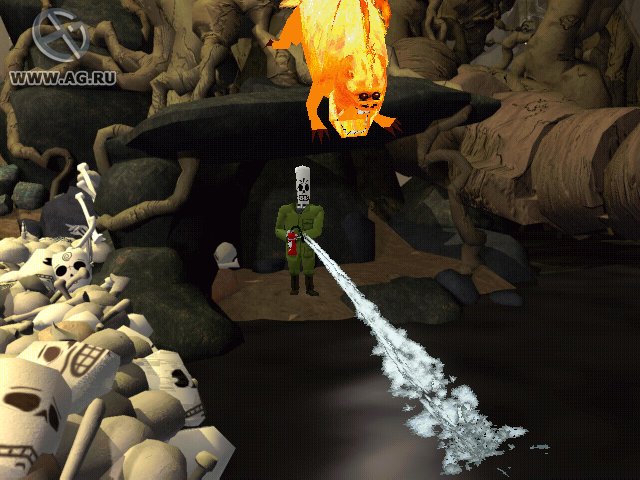
4. Grim Fandango
This point-and-click adventure masterfully blended film noir aesthetics with Mexican folklore, creating a unique afterlife setting. Manny Calavera's journey through the Land of the Dead was a darkly comedic, emotionally resonant tale. Its innovative use of 3D environments and character models for the genre pushed boundaries. While its puzzles were notoriously obtuse at times, the unforgettable characters, sharp dialogue, and unparalleled atmosphere solidified its place as a cult classic, proving adventure games could possess cinematic grandeur.
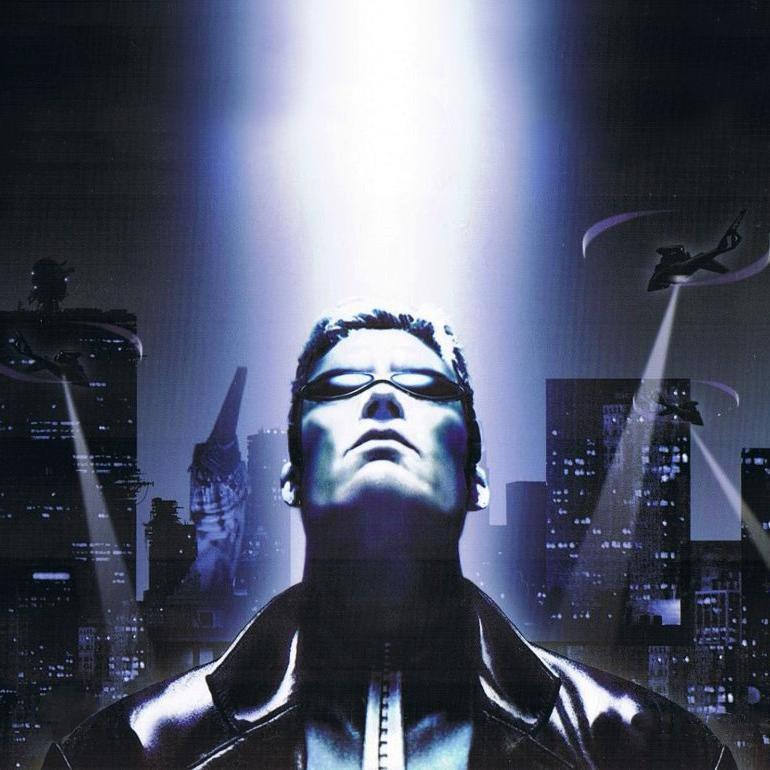
5. Deus Ex
Released in 2000, Deus Ex offered unprecedented player agency. It was a groundbreaking title that seamlessly blended first-person shooter, RPG, and stealth elements. Players could approach objectives in myriad ways – hacking, combat, diplomacy, or stealth – with choices having tangible consequences. Its cyberpunk narrative, rife with conspiracy theories and philosophical dilemmas, resonated deeply. This game established a benchmark for emergent gameplay and player choice, influencing a generation of titles striving for similar depth and freedom.
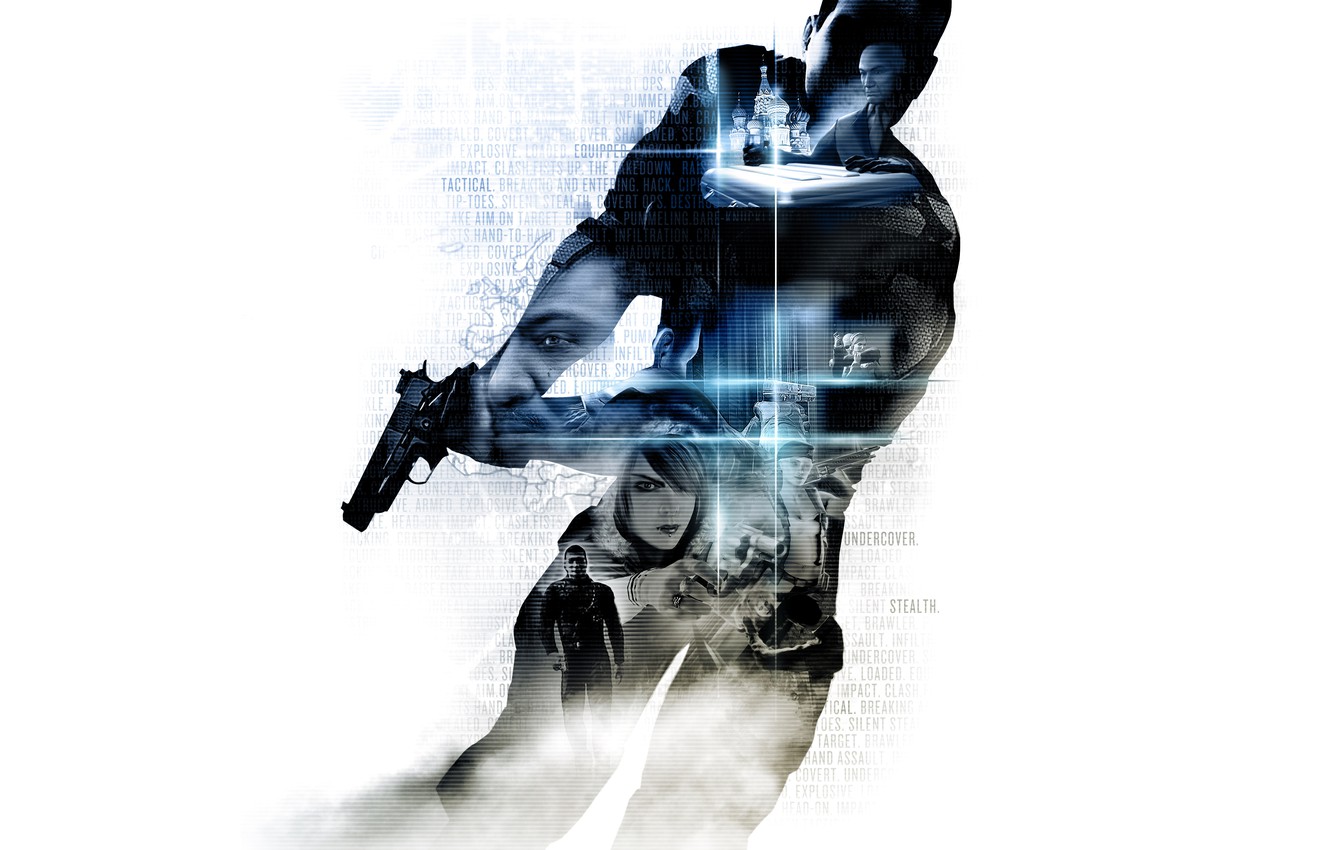
6. Alpha Protocol
This espionage RPG from Obsidian Entertainment was ahead of its time. It dared to implement a dialogue system with timed choices and branching consequences that truly mattered, influencing character relationships and narrative paths profoundly. Despite its technical flaws and rough edges, its commitment to player choice and a genuinely reactive world was remarkable. It offered a compelling, morally ambiguous spy narrative, illustrating the potential for deep, systemic role-playing beyond traditional fantasy settings, paving the way for more nuanced choice-driven games.
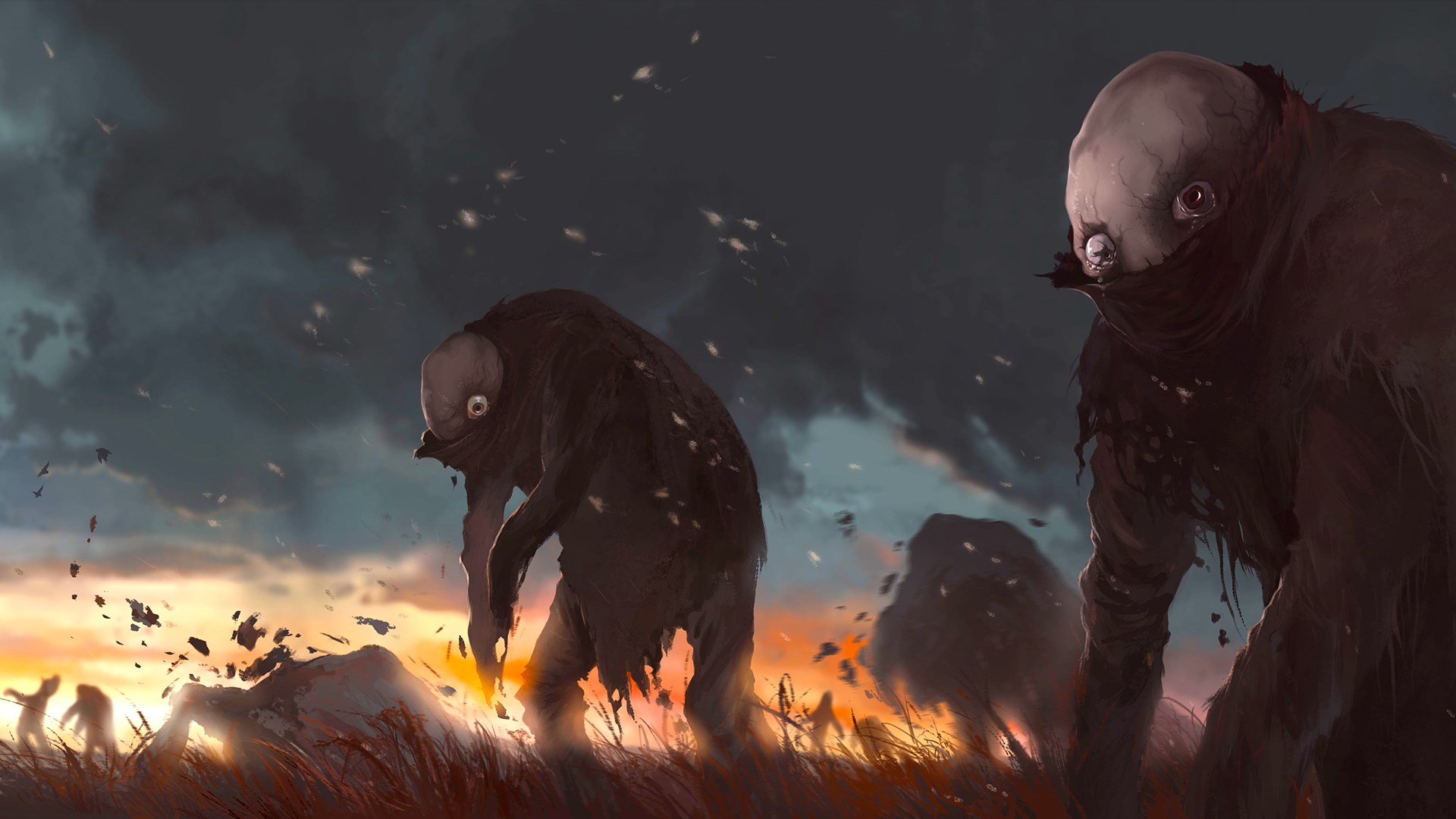
7. Pathologic 2
This game isn't merely a sequel; it's a brutal, uncompromising experience in survival and moral quandary. Set in a plague-stricken town, it forces players into an impossible juggling act of managing resources, time, and relationships, all while a deadly disease spreads. Its narrative is opaque, its mechanics unforgiving, yet it creates an unparalleled sense of desperation and intellectual engagement. Pathologic 2 is a masterclass in interactive storytelling, challenging players to truly embody a desperate situation, offering no easy answers.
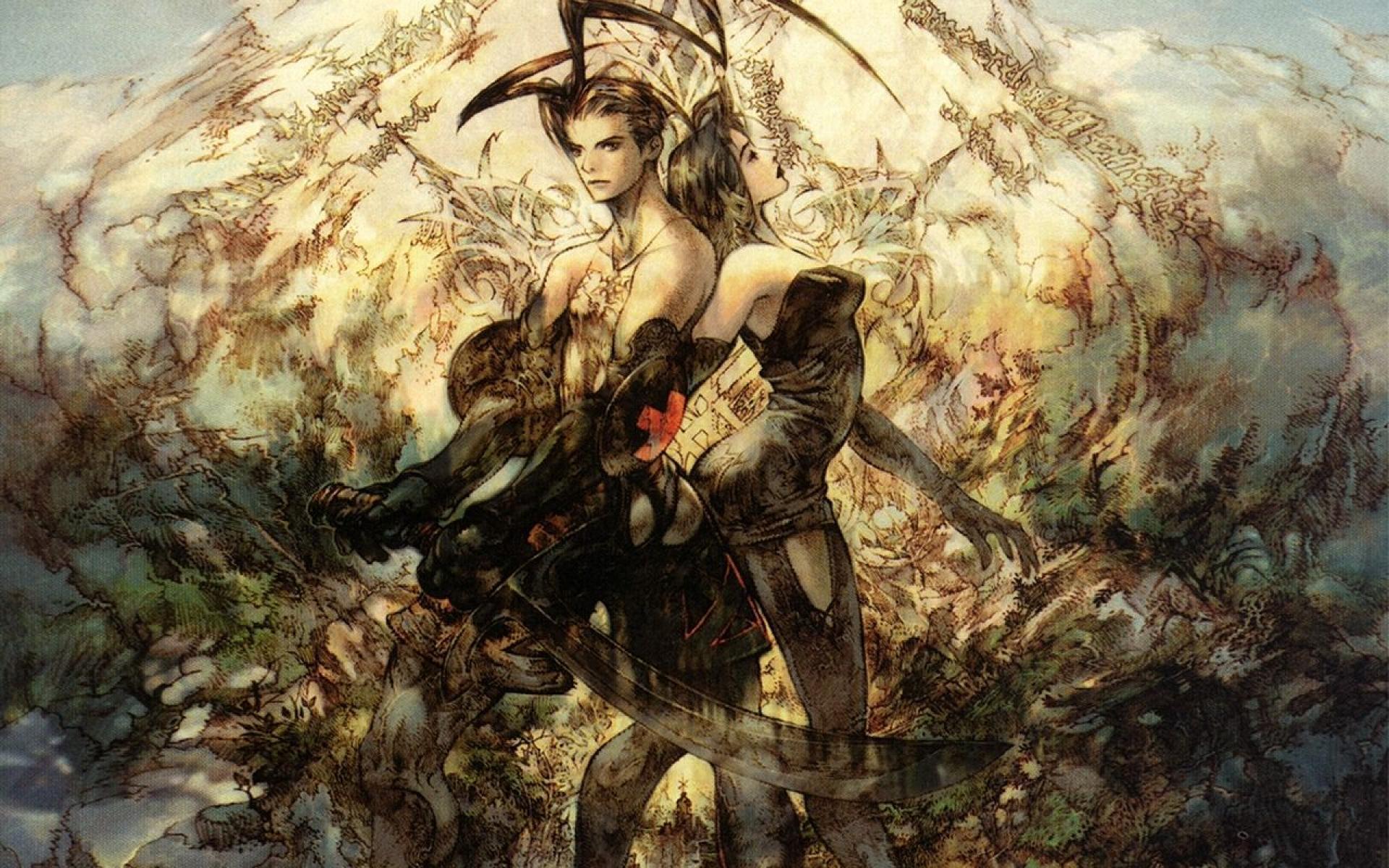
8. Vagrant Story (2000)
Square's PlayStation classic was a bold departure. It delivered a complex narrative steeped in political intrigue and dark fantasy, devoid of traditional RPG shops or overworlds. Its intricate weapon crafting and combat system, focused on targeting specific body parts and chaining attacks, demanded strategic depth. The game’s stunning pre-rendered backgrounds and detailed character models pushed the PlayStation’s limits, creating a distinct, almost oppressive atmosphere. Vagrant Story was a testament to focused design, proving depth could thrive without open-world bloat.

9. Jet Set Radio Future
On the original Xbox, Jet Set Radio Future was a vibrant explosion of cel-shaded style and rebellious energy. It expanded upon its Dreamcast predecessor with larger, more interconnected levels, allowing for exhilarating, uninterrupted flow while grinding and tagging. The iconic soundtrack defined an era, blending funk, hip-hop, and electronic beats. This game wasn't just about gameplay; it was a cultural statement, a celebration of individuality and urban art, influencing visual styles and soundtracks for years to come.
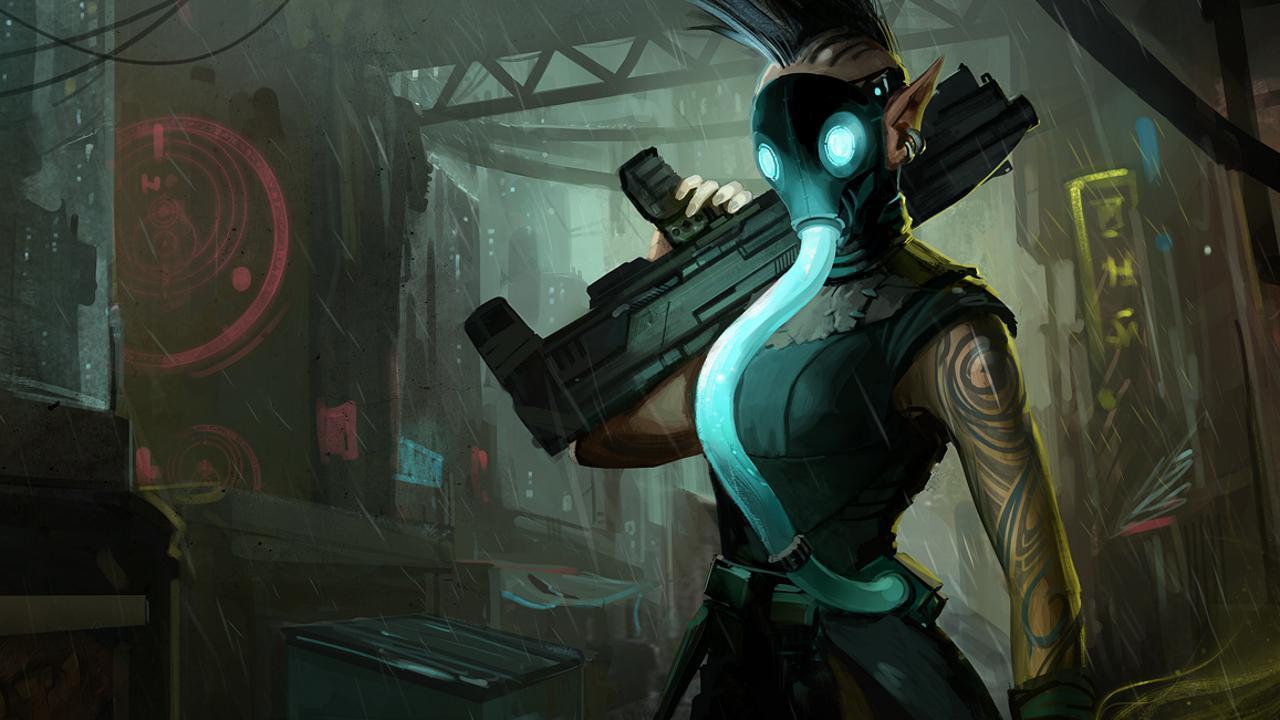
10. Shadowrun Returns
This Kickstarter success revitalized the classic cyberpunk-fantasy RPG setting. It delivered a tightly-written, atmospheric campaign that captured the essence of the tabletop game. While mechanically simpler than its inspirations, its narrative focus, excellent world-building, and tactical turn-based combat proved that a compelling story and strong atmosphere could carry a game. It reignited interest in the Shadowrun universe and demonstrated the viability of crowdfunded, niche RPGs, paving the way for many subsequent titles.
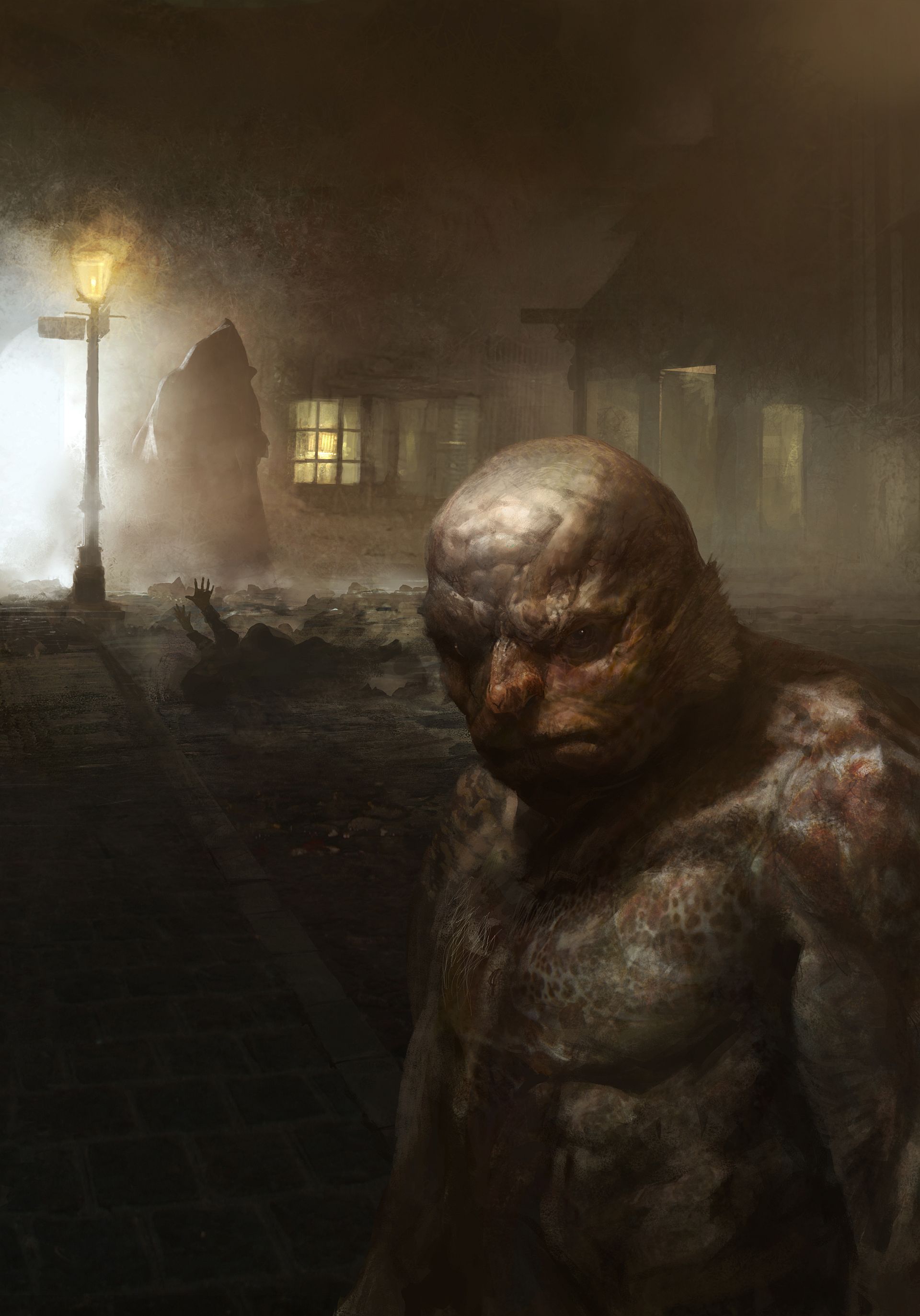
11. Call of Cthulhu: Dark Corners of the Earth
This game was a terrifying, ambitious attempt to translate Lovecraftian horror into an immersive first-person experience. Its unique sanity system, where prolonged exposure to horrors affected gameplay, was revolutionary. While notoriously buggy and challenging, its commitment to atmosphere, investigation, and psychological dread over jump scares created an unparalleled sense of cosmic terror. It showed that horror games could be more than just monsters; they could be about the unraveling of the mind itself.