1 / 9
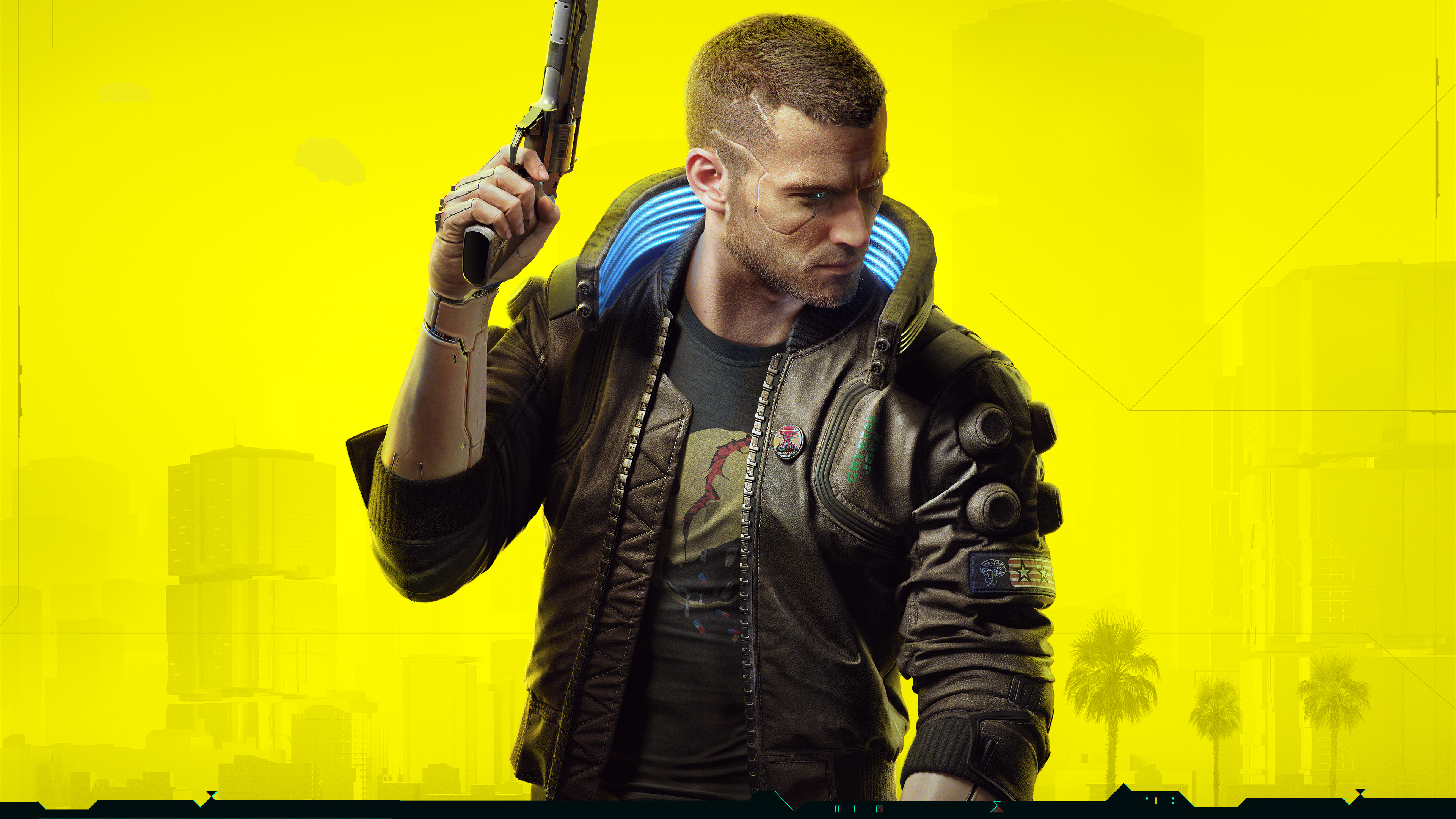
1. Cyberpunk 2077
Remember the internet meltdown? CD Projekt Red promised the moon, delivered a buggy mess on last-gen consoles, and faced a brutal backlash. But under all that noise, a genuinely ambitious, narratively rich RPG was struggling to get out. The post-launch fixes and expansions proved that the core vision was solid, even if corporate pressure and unrealistic hype nearly buried it. It wasn't the second coming, but it sure wasn't the absolute failure many declared it.
2 / 9
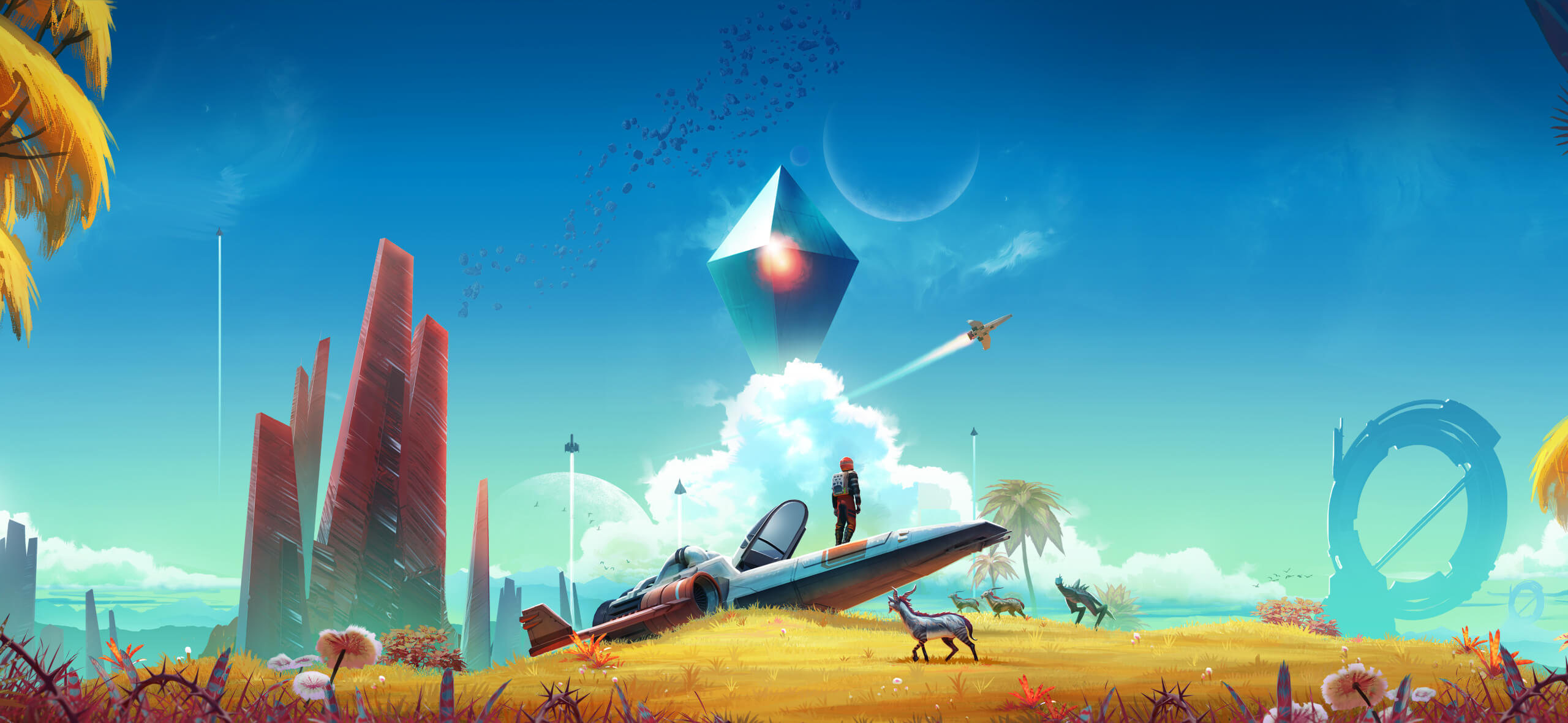
2. No Man's Sky
Sean Murray's initial over-promising was legendary, sparking a wave of justified anger. Yet, the sheer dedication Hello Games showed, relentlessly updating and expanding the universe, is a masterclass in redemption. What started as an empty, repetitive sandbox evolved into a vast, feature-rich exploration game. The initial slam was fair for the launch product, but ignoring its incredible journey since then is just plain disingenuous.
3 / 9
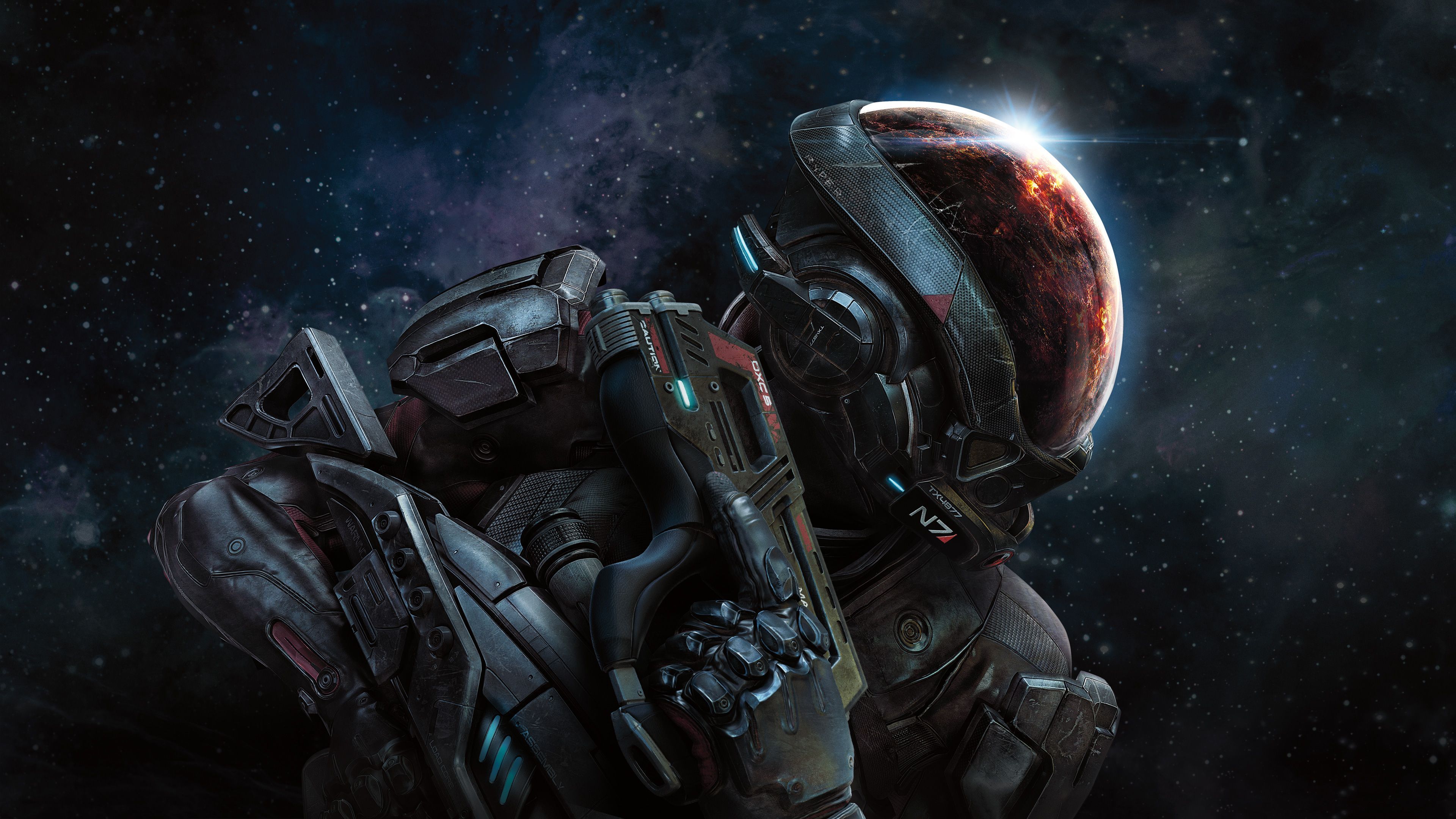
3. Mass Effect: Andromeda
This game became a meme factory before many even played it. Those infamous facial animations and awkward walks overshadowed a decent combat system and a compelling (if flawed) new galaxy to explore. It felt like the internet decided to pick one flaw and amplify it to oblivion, ignoring the genuine effort and potential. BioWare was already on thin ice, but Andromeda's public shaming felt disproportionate to its actual quality.
4 / 9
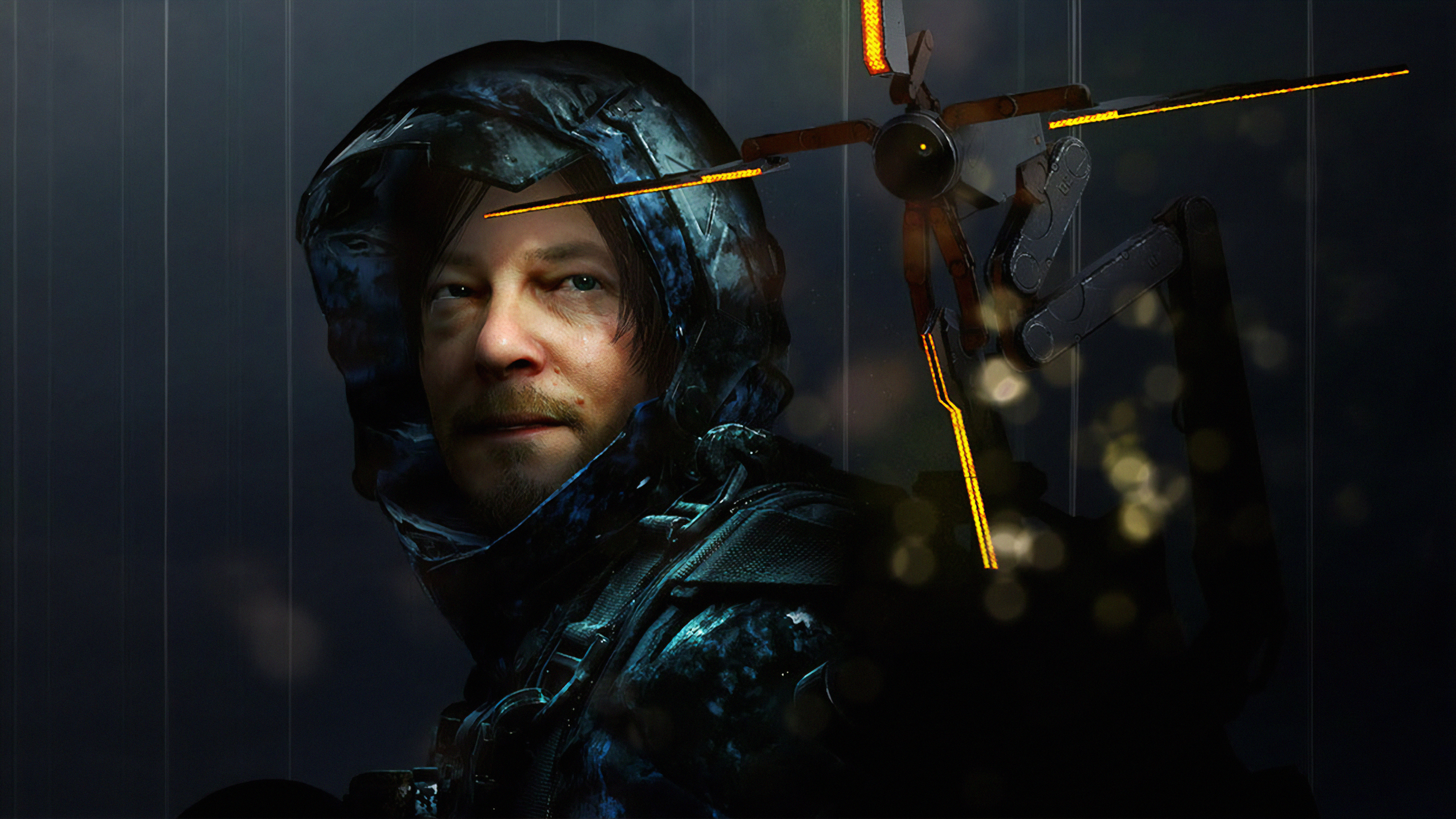
4. Death Stranding
Kojima's bizarre 'strand game' concept was always going to be divisive. People either loved its meditative, delivery-focused gameplay and abstract narrative or dismissed it as a walking simulator. The initial critiques often missed the point of its unique, deliberate pacing and thematic depth. It dared to be different, and for that, it was met with either cult adoration or outright dismissal, rarely finding middle ground. A true 'love it or hate it' experience.
5 / 9
5. Anthem
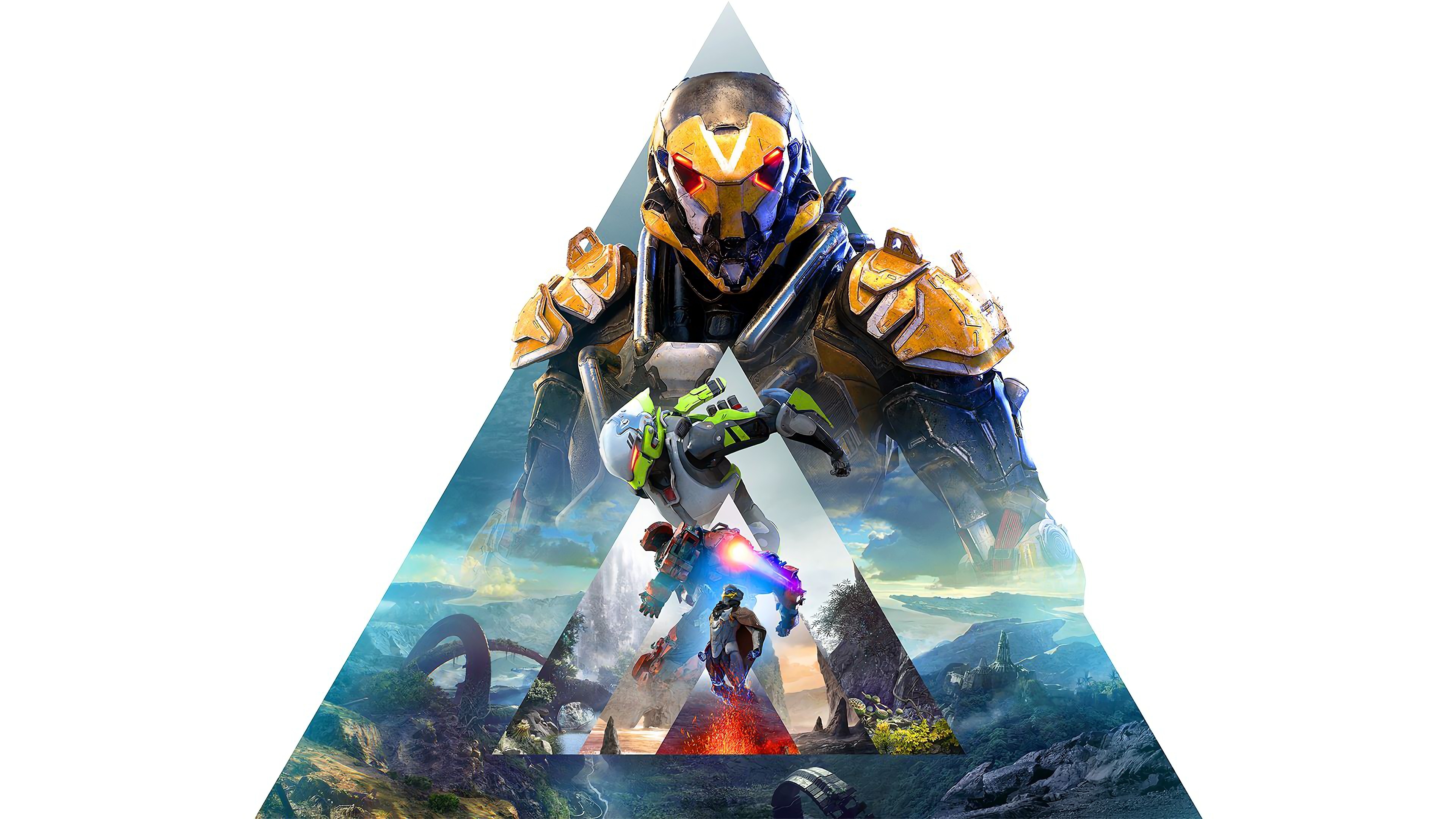
BioWare's attempt at a live-service loot-shooter was a tragic case of ambition meeting mismanagement. The core flying mechanic was genuinely exhilarating, and the suit designs were gorgeous. But behind that flashy exterior lay a shallow endgame, repetitive missions, and a clear lack of direction. It got slammed for being a shell of a game, and while some of it was deserved, the corporate meddling and internal chaos often get overlooked in the public's rush to condemn.
6 / 9
6. Fallout 76
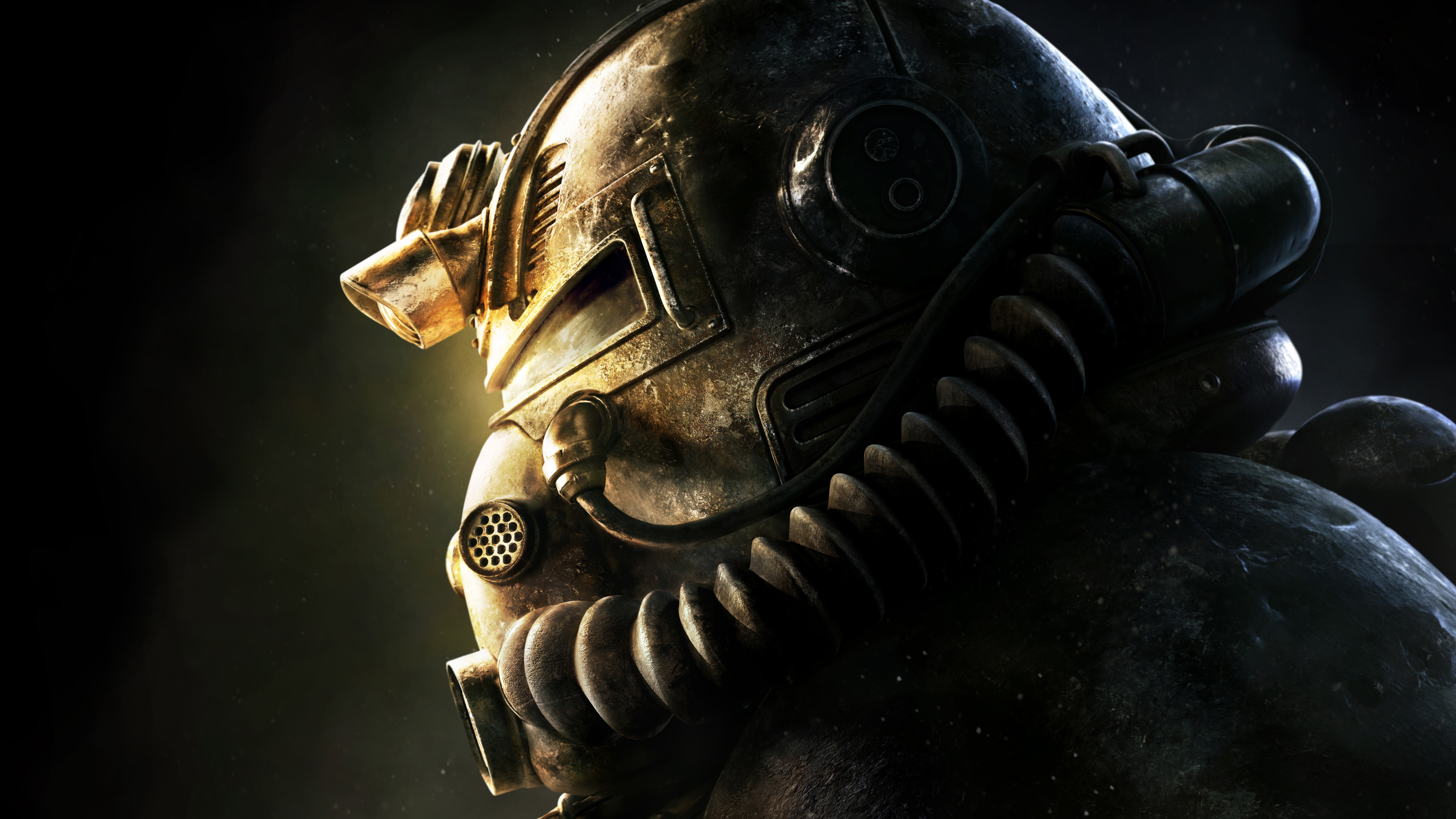
This one was a dumpster fire at launch, no denying it. From the buggy wasteland to the absurd canvas bag controversy and greedy monetization, Bethesda truly fumbled. But the sheer vitriol felt like a pile-on, ignoring the inherent fun some found in its co-op exploration and world-building. Years of patches and expansions have turned it into a surprisingly robust online RPG. The initial hate was earned, but sustained dismissal ignores its evolution.
7 / 9
7. Marvel’s Avengers
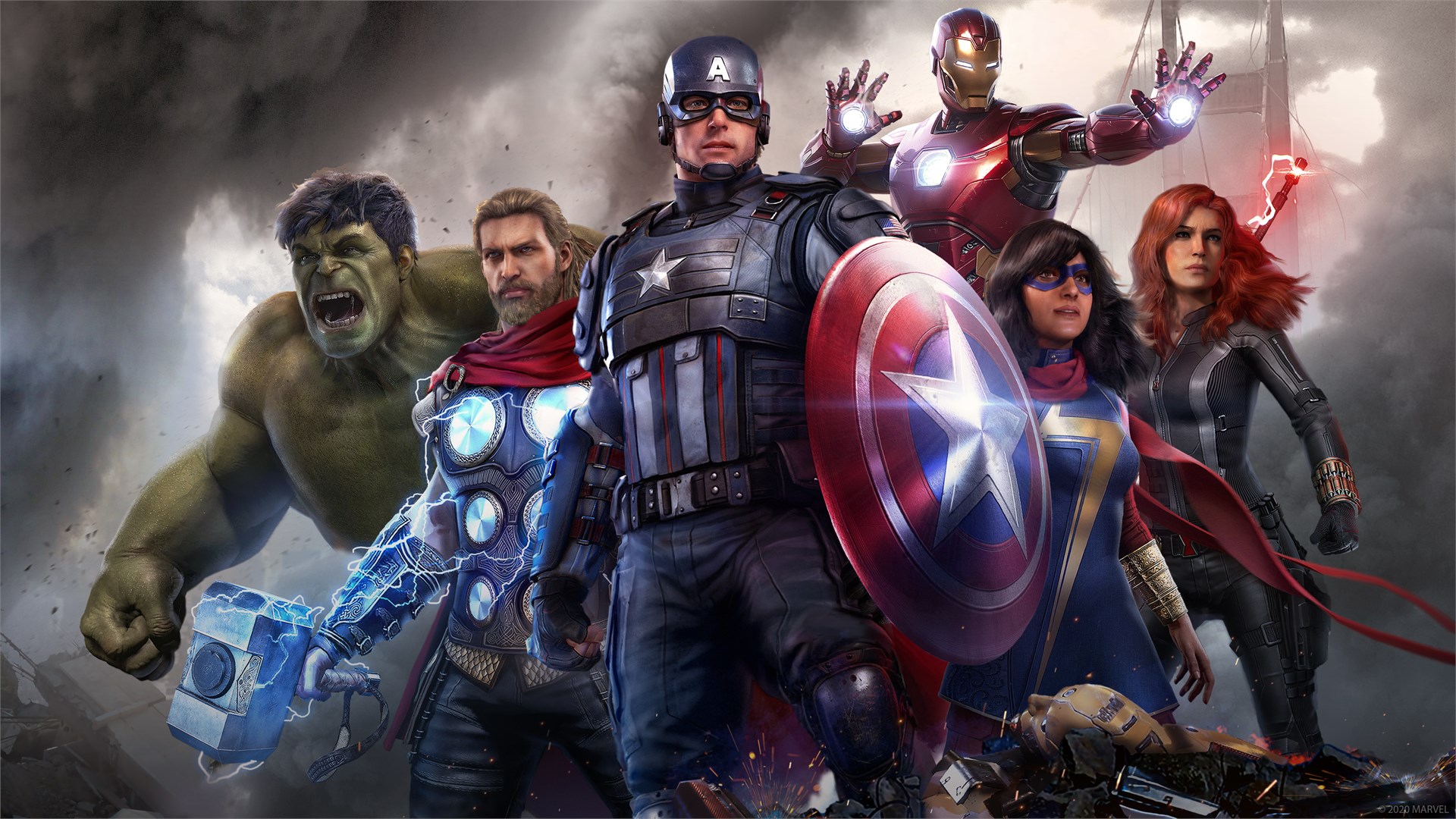
Another live-service game that couldn't stick the landing. The single-player campaign was actually quite fun, offering a decent superhero power fantasy. But the repetitive endgame, egregious monetization, and lack of compelling content quickly wore out its welcome. It got slammed for being a generic grind, and while fair, the core combat felt solid. The mistake was trying to force a square superhero peg into a live-service round hole.
8 / 9
8. Battlefield 2042
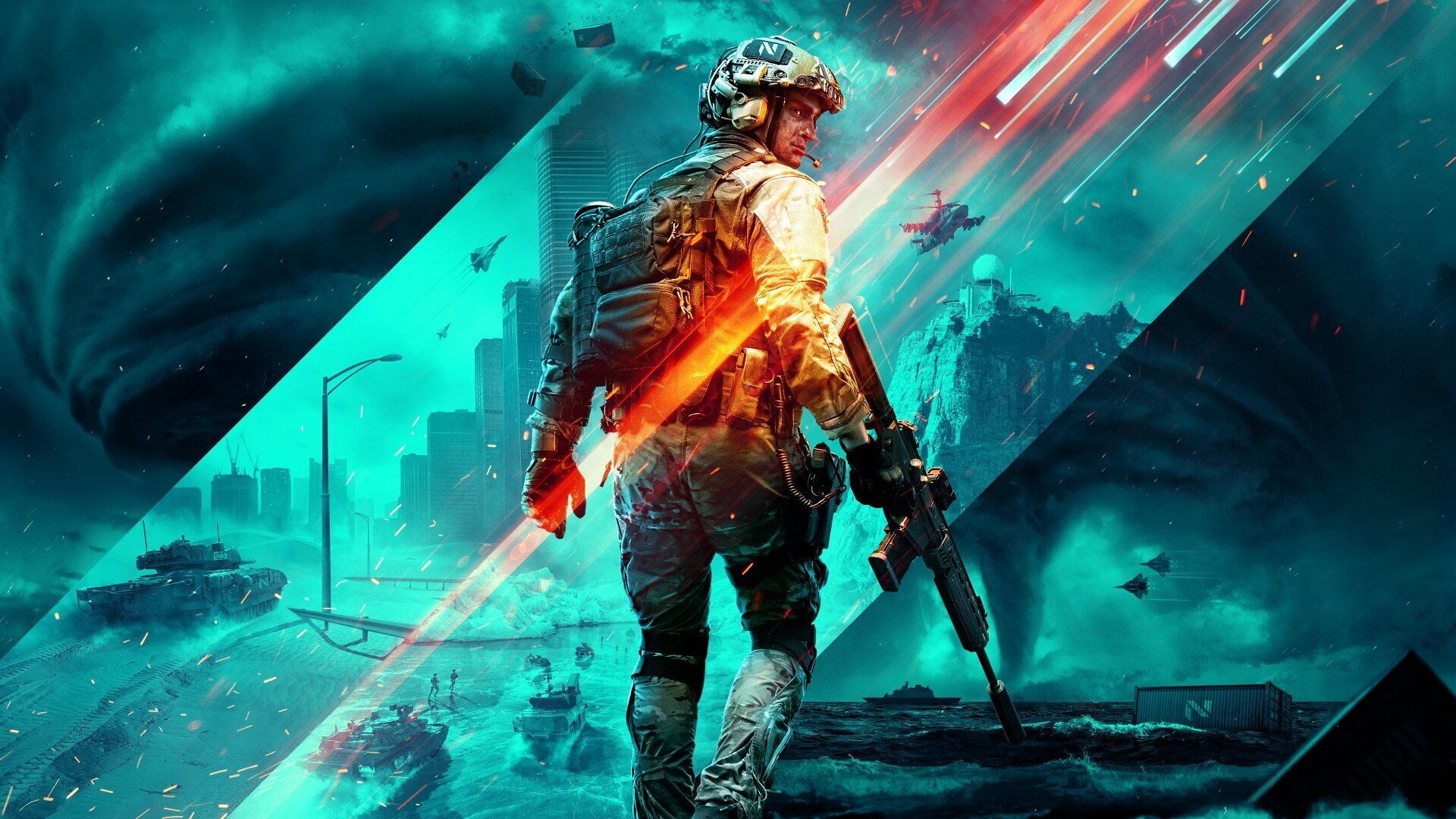
This was a harsh lesson in brand loyalty. DICE delivered a game that felt unfinished, lacking fundamental features, and plagued by bugs, all while stripping away core Battlefield elements. The community backlash was immense, and rightly so for a premium-priced title. However, the sheer anger often overshadowed glimpses of potential in its larger-scale battles. It's a prime example of rushing a product out the door, damaging a beloved franchise in the process.
9 / 9
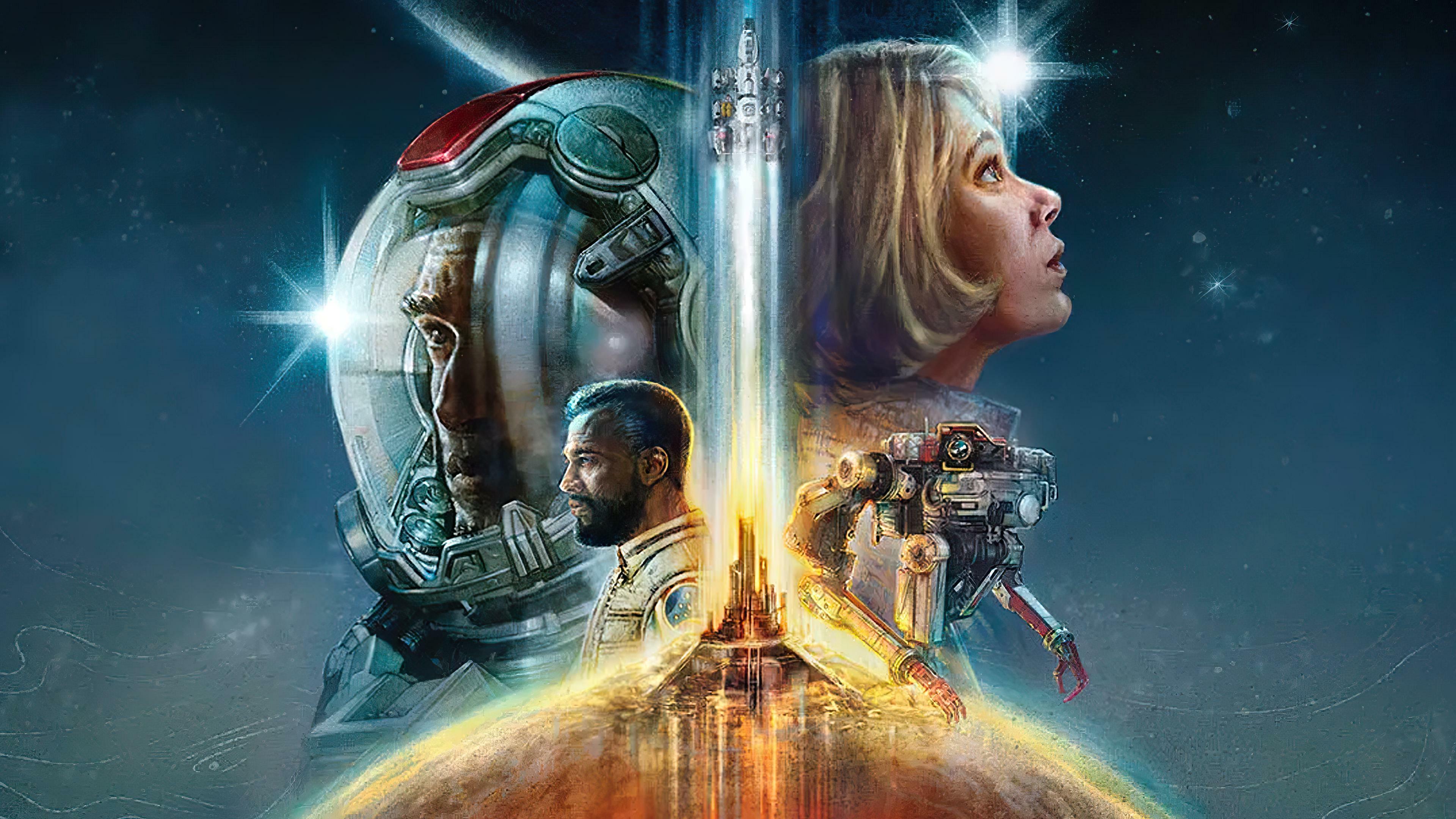
9. Starfield
Bethesda's latest space epic arrived with immense hype, only to be met with a lukewarm reception from many. Critics often lambasted its dated engine, excessive loading screens, and somewhat sterile open-world design. While these are valid points, the game's sense of discovery, deep lore, and unparalleled role-playing freedom often get overlooked. It's not a revolutionary step, but it's far from the 'boring' or 'empty' experience some made it out to be.