
1. Disco Elysium: Final Cut
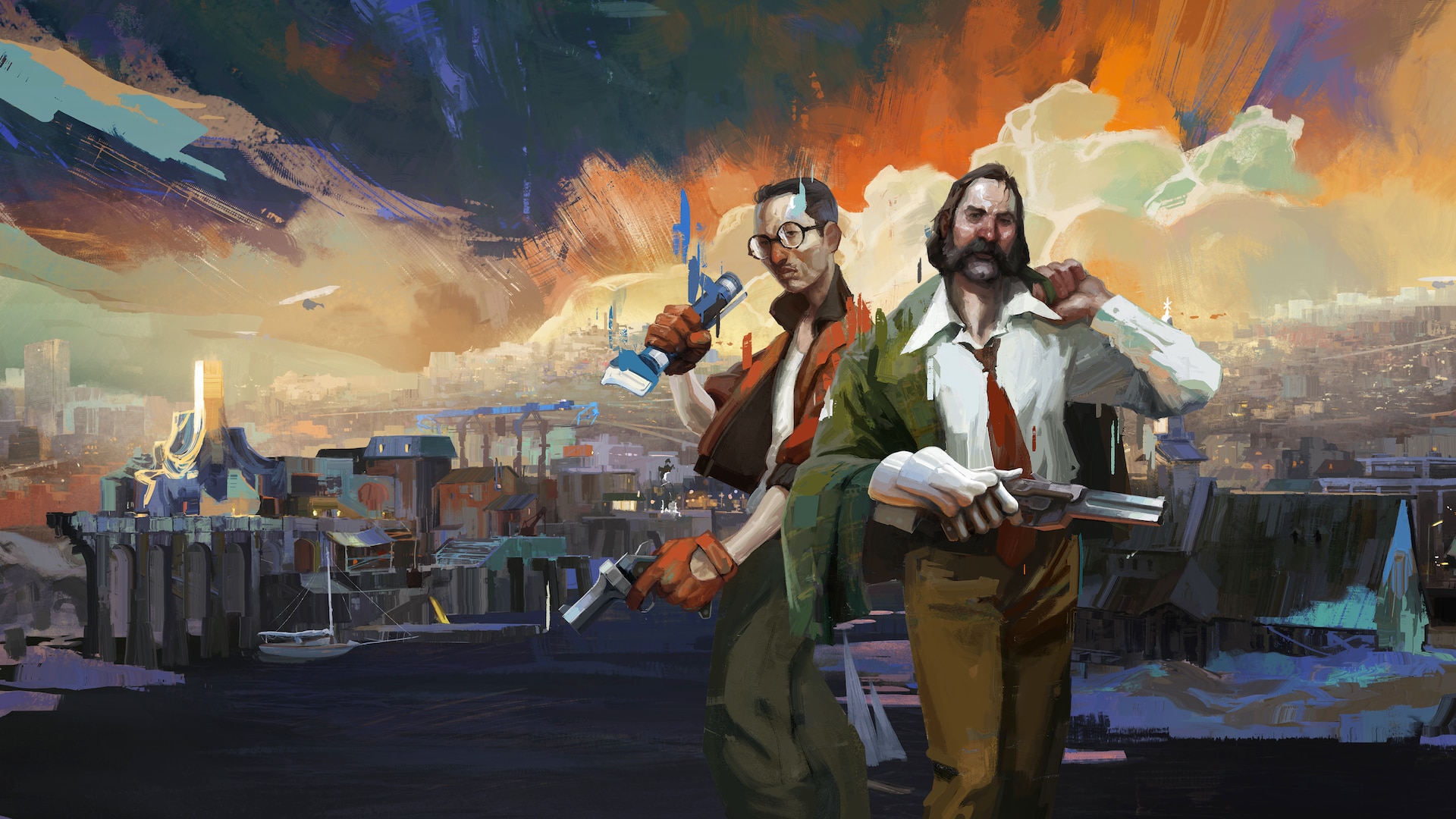
When Disco Elysium first dropped, some scoffed at its lack of traditional combat, dismissing it as just another "walking simulator" or an overly verbose indie experiment. But then the *Final Cut* arrived, solidifying its place as a narrative masterpiece. It wasn't about shooting aliens; it was about internal monologues and a broken detective in a broken world. This game isn't just good writing; it's a profound, often hilarious, and deeply melancholic exploration of politics, identity, and failure, proving that sometimes, words are the deadliest weapons.
2. Titanfall 2
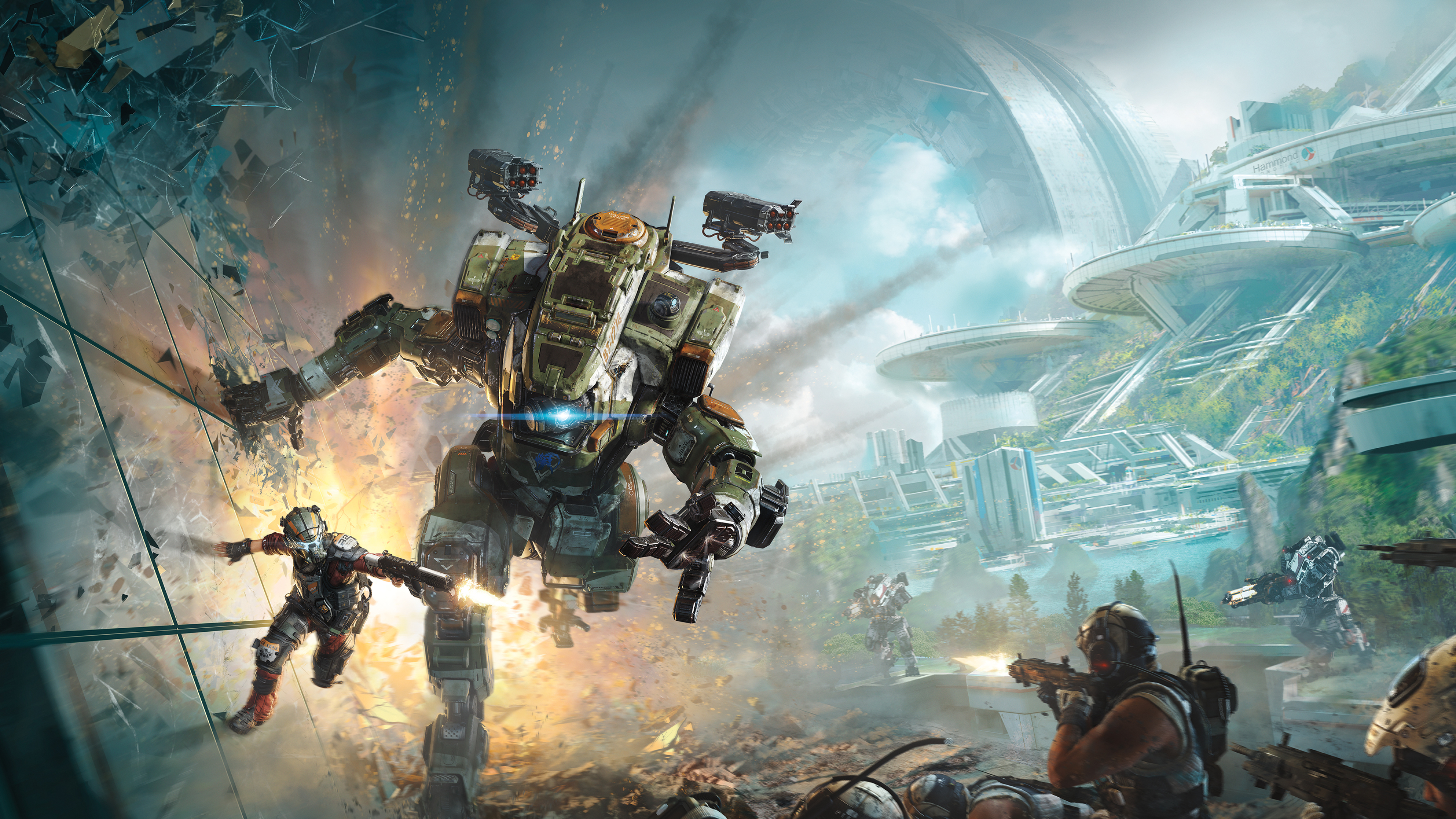
Oh, *Titanfall 2*. Sandwiched between Battlefield 1 and a new Call of Duty by EA's baffling release schedule, many wrote it off immediately. "Just another shooter," they sighed. But then people *actually played it*. The campaign was a masterclass in varied level design and exhilarating traversal, practically a playable thesis on how to innovate FPS mechanics. Its multiplayer, though not as populated as it deserved, was equally slick. It’s a prime example of an incredible game sabotaged by corporate shortsightedness, forever lamented by those who experienced its brilliance.
3. Return Of The Obra Dinn
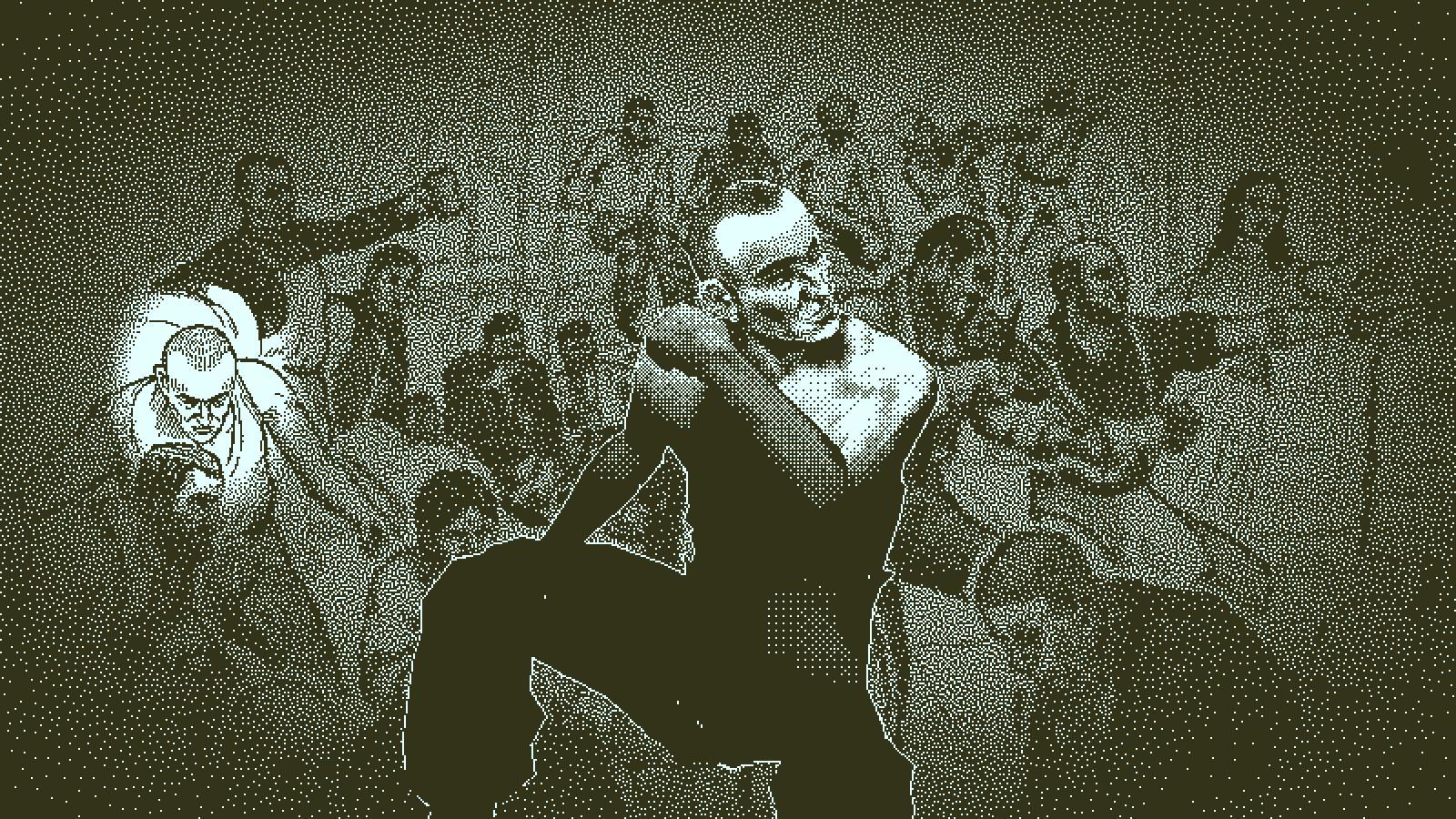
Lucas Pope’s follow-up to Papers, Please looked utterly bizarre in screenshots – a monochrome, first-person detective puzzle with a cryptic premise. Many probably thought, "Too niche, too weird, too much like work." Yet, *Return Of The Obra Dinn* delivered one of the most ingenious, satisfying deduction experiences in gaming history. Untangling the fates aboard that ghost ship, piecing together identities and deaths from fleeting glimpses, felt like true detective work. It’s a testament to bold, singular vision over focus-group tested mechanics.
4. Kentucky Route Zero
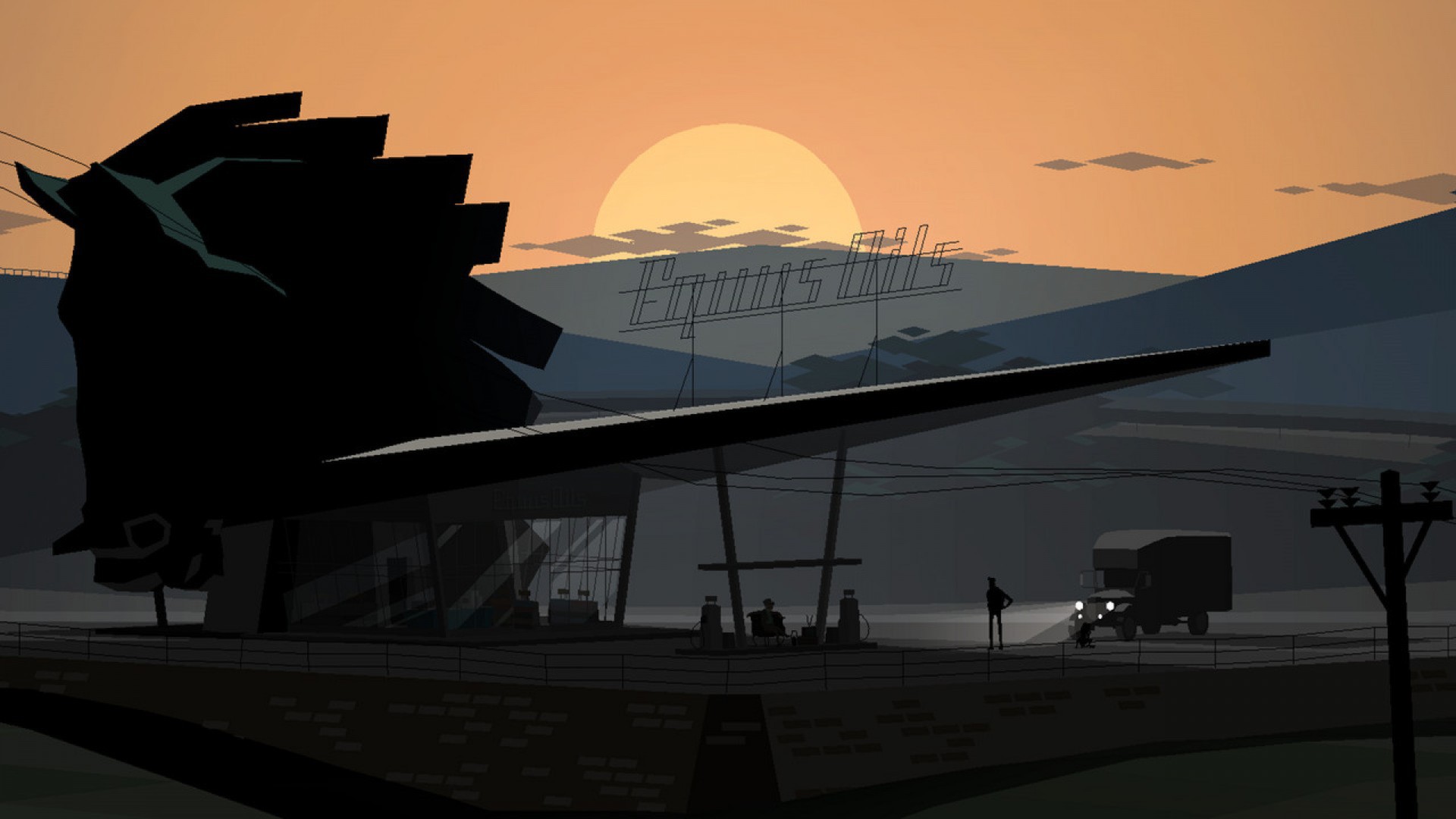
*Kentucky Route Zero* was never going to be a mainstream hit. An episodic, surreal point-and-click adventure about debt, forgotten highways, and spectral truck drivers? Many probably scrolled past, assuming it was pretentious indie art. But its quiet, melancholic beauty and poetic narrative slowly unfolded, revealing a profound meditation on American decay and human connection. It challenged the very idea of what a game "should" be, rewarding patience with an unforgettable, dreamlike journey that sticks with you long after the credits roll.
5. Hotline Miami
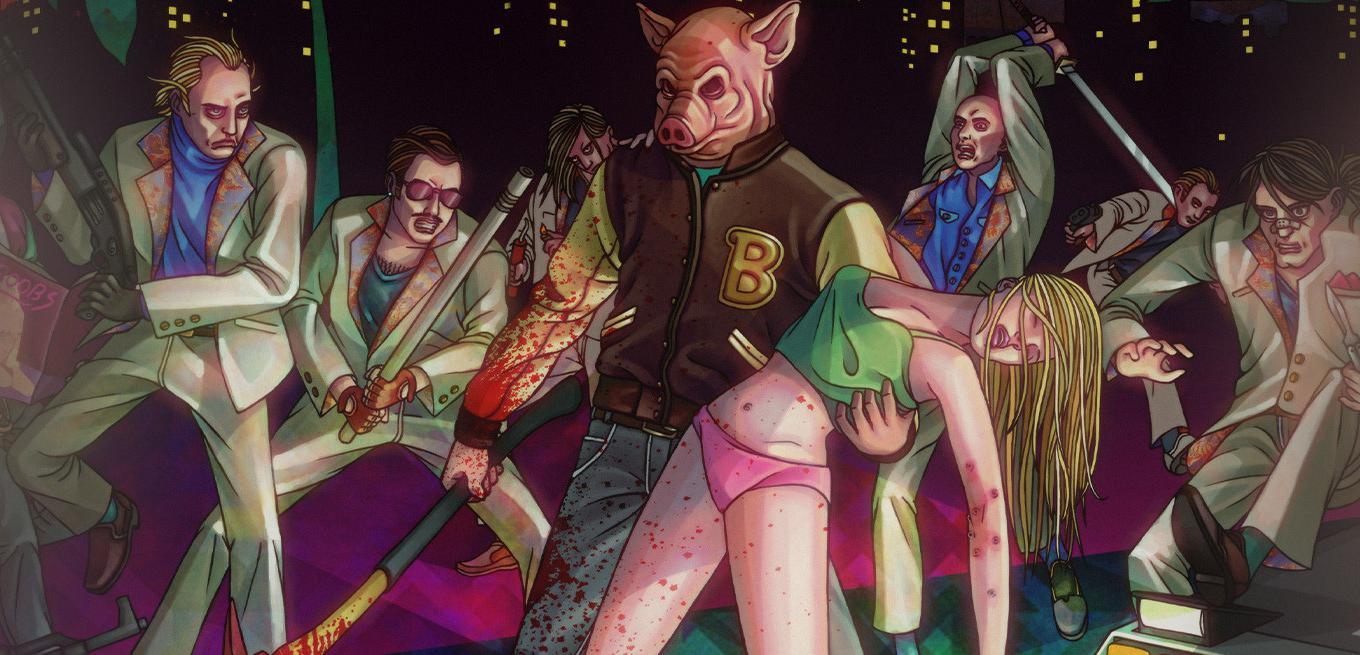
On the surface, *Hotline Miami* looked like a simple, top-down pixel art game, probably dismissed by some as just another violent indie for shock value. But the moment you started playing, the pulsating synthwave, the brutal one-hit-kill gameplay, and the disorienting narrative hooked you. It wasn't just about gore; it was a rhythmic, strategic puzzle where every move counted. Its relentless style and almost hypnotic feedback loop proved that even retro aesthetics could deliver an intensely modern, unforgettable, and deeply disturbing experience.
6. Alien: Isolation
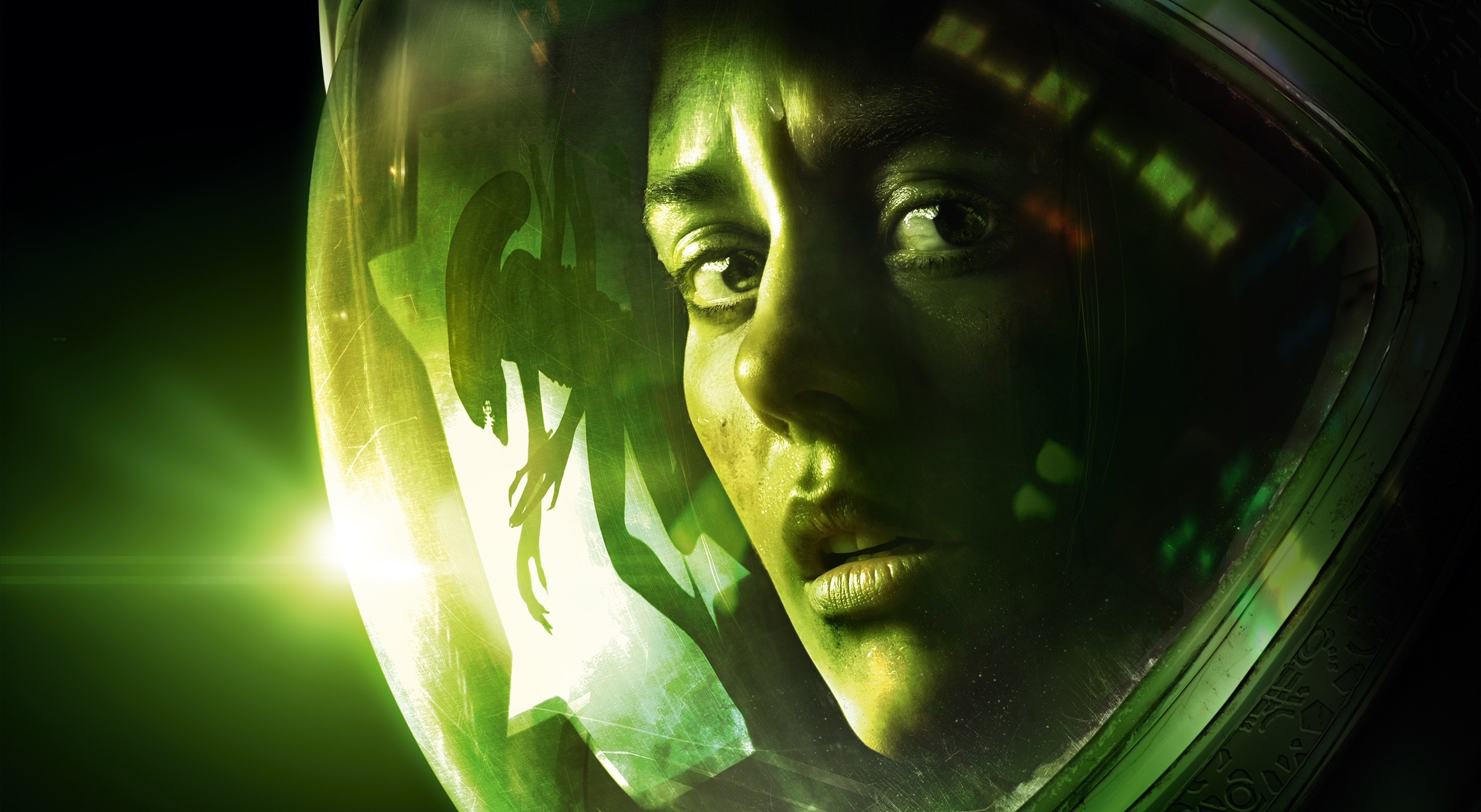
After a graveyard of failed *Alien* games, *Isolation* seemed destined for the same fate. A survival horror from Creative Assembly, known for RTS? Fans were rightly skeptical, anticipating another bug-ridden cash grab. But then it launched, and suddenly, everyone was whispering about *the* Xenomorph. This game understood dread, resource scarcity, and the sheer terror of an unkillable hunter. It proved that sometimes, a new studio can resurrect a dead franchise by focusing purely on the source material's core terror, delivering an experience many thought impossible.

7. Mirror's Edge
DICE, known for Battlefield, making a first-person parkour game with a minimalist aesthetic? Many critics and players dismissed *Mirror's Edge* as a risky, potentially nauseating experiment with clunky combat. The initial sales weren't stellar, either. Yet, its fluid movement, stunning art direction, and unique sense of flow carved out a dedicated fanbase. It was a game ahead of its time, proving that first-person movement could be exhilaratingly graceful, offering a breath of fresh air in a landscape dominated by brown and grey shooters.
8. Dwarf Fortress
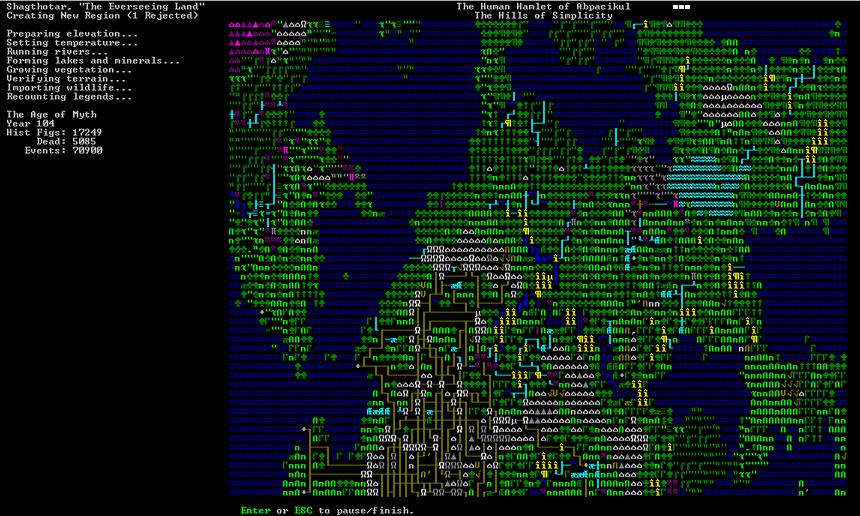
*Dwarf Fortress* isn't a game you "play"; it's a lifestyle you commit to. Dismissed by pretty much everyone outside its devoted cult as an impenetrable ASCII mess, its barebones visuals hid a simulation of unparalleled depth. It's not just a city-builder; it's an emergent storytelling engine where every dwarf has a personality, every squirrel has a name, and every fortress is doomed to glorious, hilarious failure. It's the ultimate proof that graphics are a distant secondary concern to systemic brilliance and boundless player agency.
9. Into the Breach
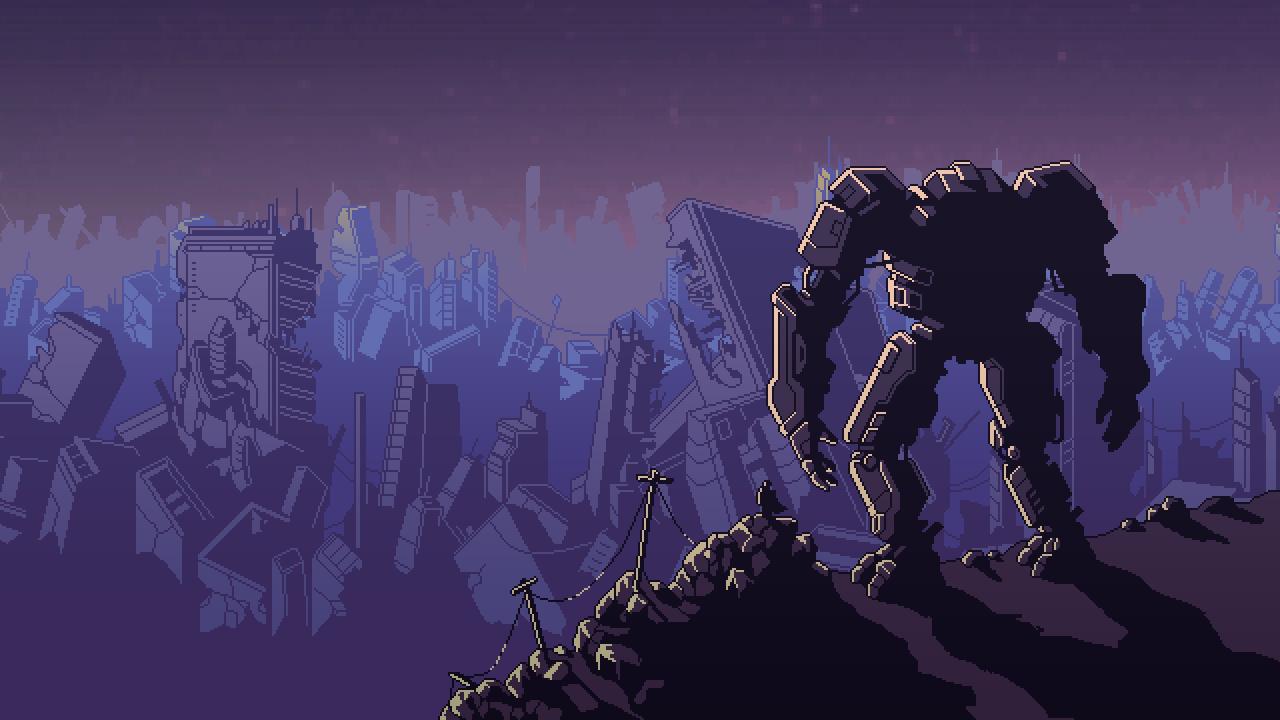
From the creators of FTL, *Into the Breach* looked like a minimalist tactical game. "Just another turn-based strategy with pixel art," some might have thought, possibly dismissing its small scope. But its elegant design, where every move is a puzzle and every enemy attack is broadcast, made it a strategic masterpiece. It wasn't about overwhelming power; it was about perfectly orchestrated defense and clever positioning. It proved that deep, engaging strategy doesn't need grand armies or flashy graphics, just impeccable mechanics and endless replayability.
10. A Plague Tale: Innocence
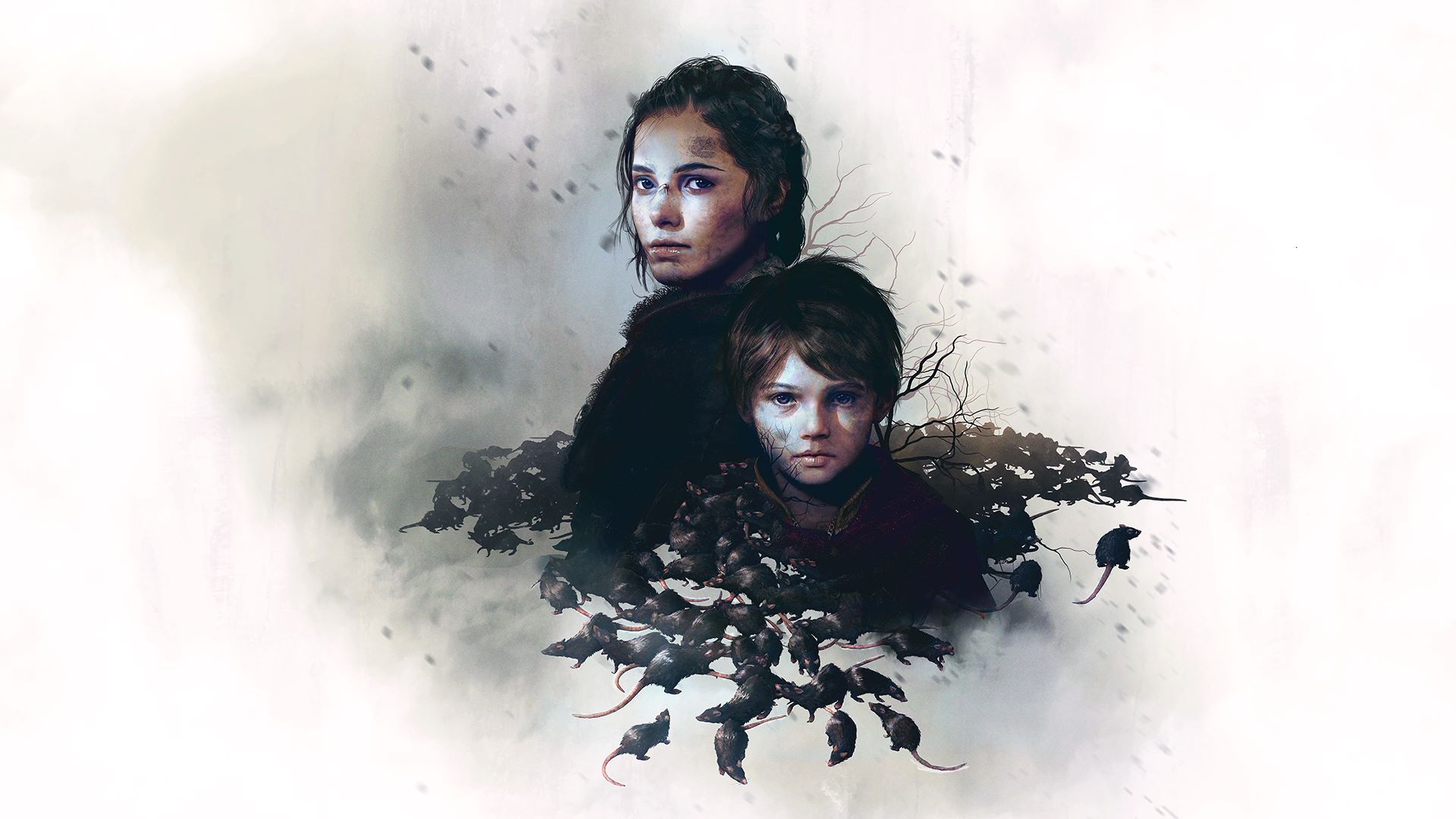
*A Plague Tale: Innocence* arrived from a relatively unknown studio with a B-tier budget, sporting a premise that sounded a bit grim and niche: two siblings, rats, and medieval France. Many might've dismissed it as another stealth-action title destined for obscurity. But its surprisingly compelling narrative, heartbreaking character development, and truly innovative use of rat swarms as both obstacle and weapon resonated deeply. It proved that genuine heart and a unique vision can elevate a game far beyond its initial humble expectations, becoming a sleeper hit.
11. Brothers: A Tale of Two Sons
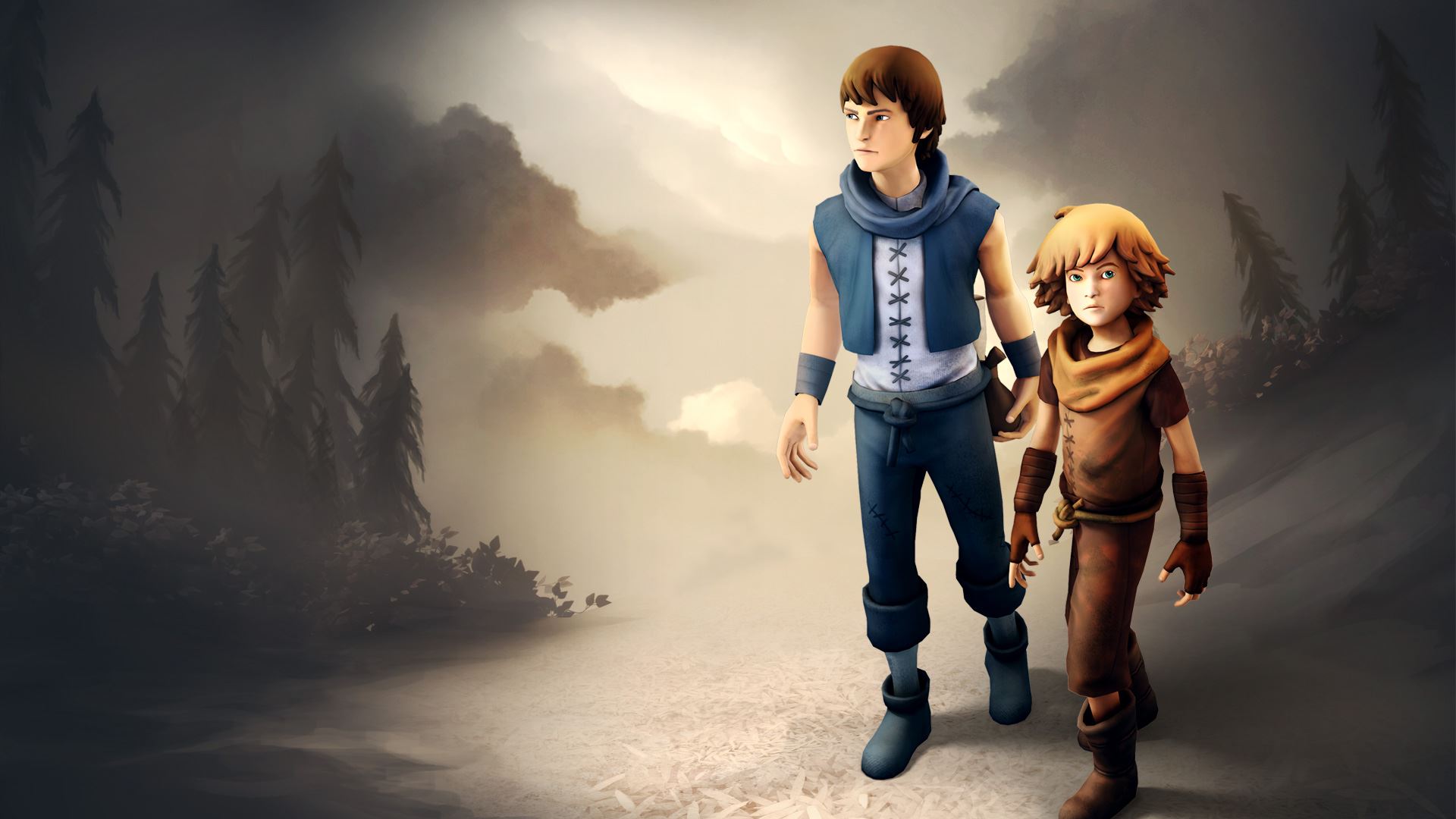
When *Brothers: A Tale of Two Sons* launched, the concept of controlling two characters simultaneously with each thumbstick sounded like a gimmick. Many likely dismissed it as a short, artsy indie puzzle game. Yet, Josef Fares delivered an emotionally resonant journey that transcended its novel controls. It was a masterclass in environmental storytelling and how gameplay mechanics could directly serve narrative and emotional impact. Its poignant ending and unique co-op-for-one design proved that innovation isn't just about graphics, but about how you make players *feel*.
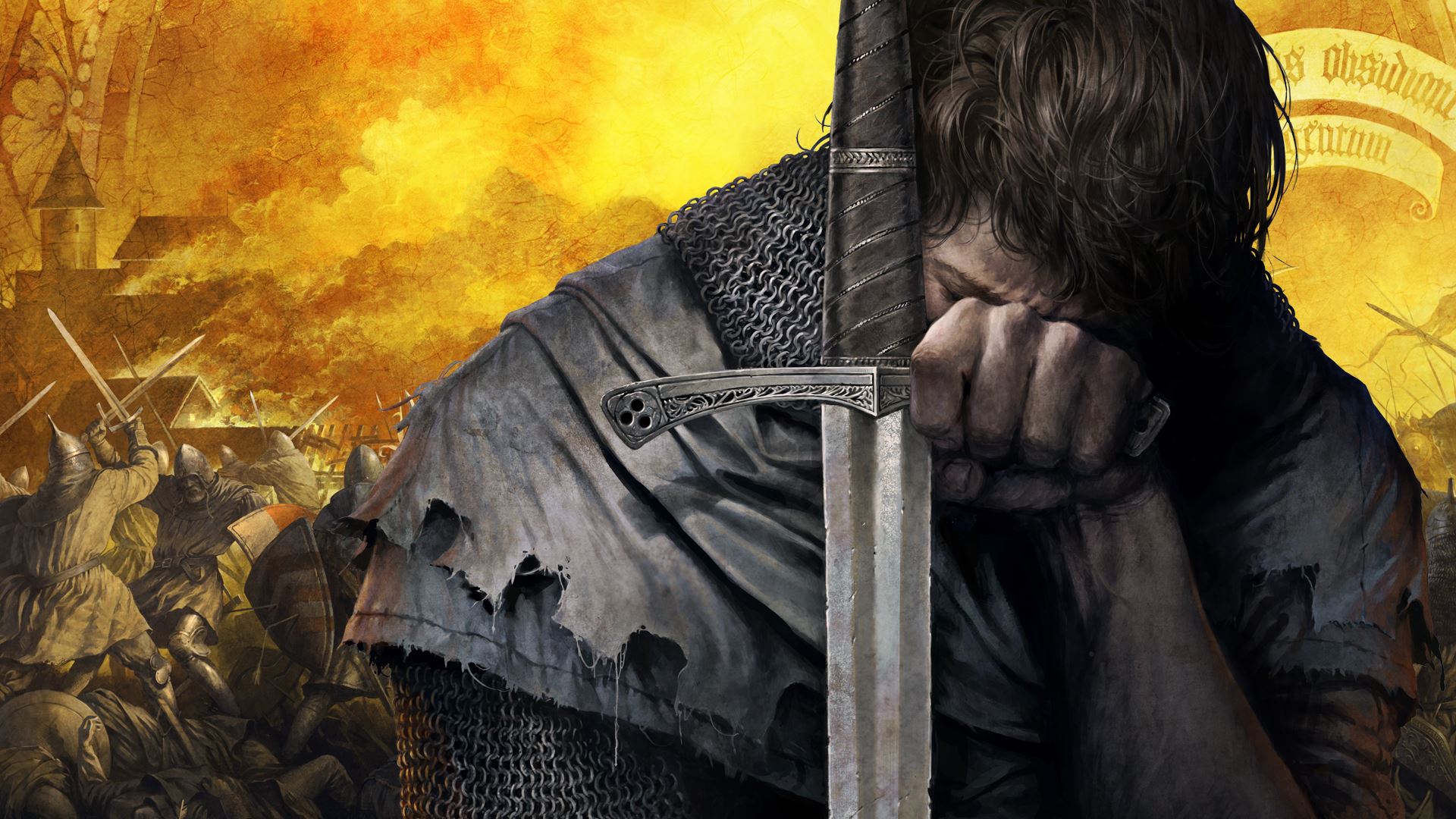
12. Kingdom Come: Deliverance
*Kingdom Come: Deliverance* dared to be a hardcore historical RPG with no dragons, no magic, and a notoriously buggy launch. Many scoffed, predicting it would be too niche, too frustrating, or simply too broken. But Warhorse Studios built an incredibly immersive, brutally realistic world where even simple combat was a challenge. Its commitment to historical accuracy and player freedom, despite its flaws, won over a dedicated audience. It proved that deep, unforgiving realism, even with initial stumbles, can create an utterly unique and rewarding experience.