

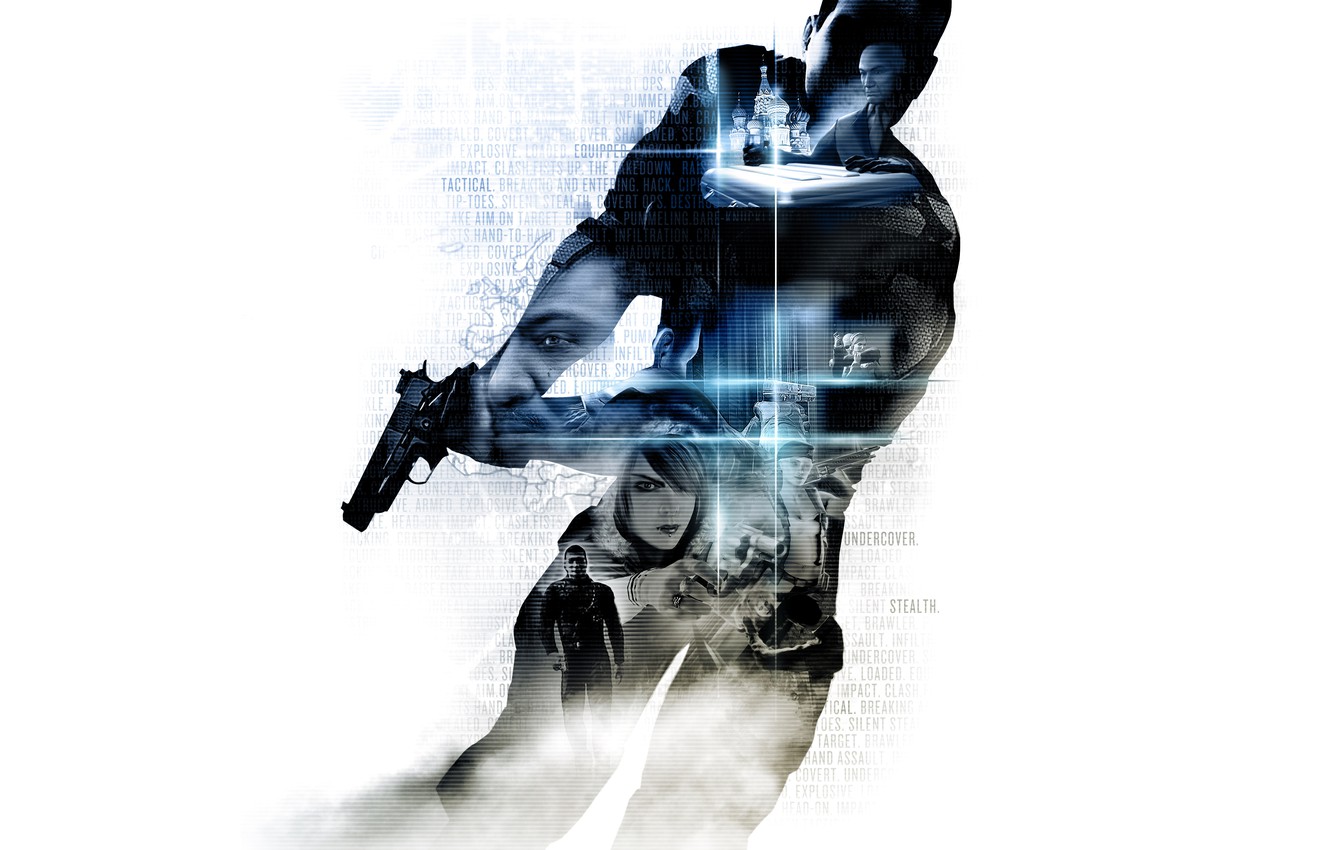
1. Alpha Protocol
This Obsidian RPG, released in 2010, tried to redefine spy thrillers in games, offering player choice with real consequences long before it became a standard. Its mechanics were rough, and the gunplay clunky, yet the branching narrative and dialogue options were remarkably deep, genuinely shaping protagonist Michael Thorton’s identity and missions. It challenged the notion that a game needed polished combat to be impactful, proving that narrative agency could carry a flawed but ambitious experience. Many still champion its commitment to player choice.
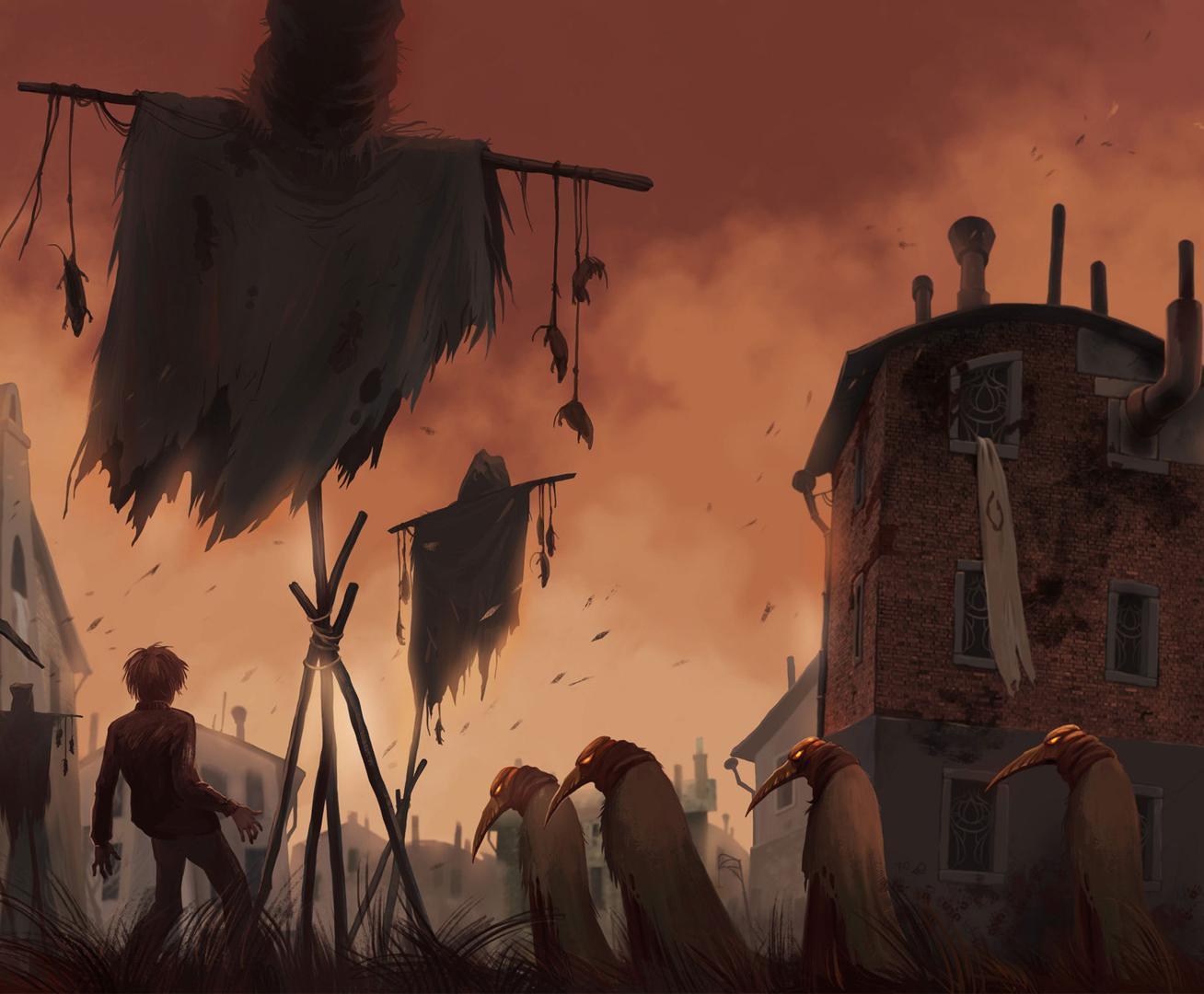
2. Pathologic Classic HD
The 2015 HD re-release brought the notorious 2005 Russian psychological horror to a new generation. It’s a game of unrelenting despair, where survival is less about combat and more about managing resources, understanding cryptic narratives, and grappling with moral compromises. Classic HD highlighted the original's profound, if punishing, exploration of human nature and plague, solidifying its cult status and demonstrating that games could be profoundly intellectual, even if they were profoundly frustrating.
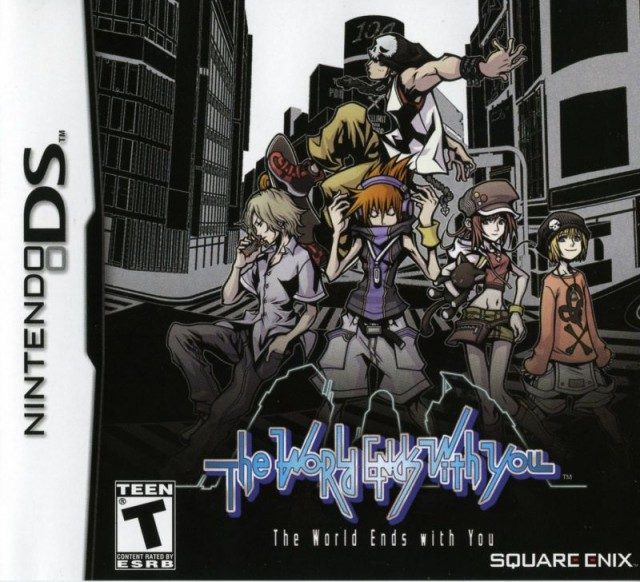
3. The World Ends With You DS
In 2007, this DS title redefined how handheld games could innovate. Its dual-screen combat, requiring simultaneous management of two characters, was a revelation, perfectly integrated with its vibrant, Shibuya-infused aesthetic and compelling narrative about youth culture. The unique pin-based upgrade system and evolving fashion elements encouraged exploration and experimentation. It proved that a console's unique hardware could inspire truly original, rather than merely derivative, gameplay experiences.
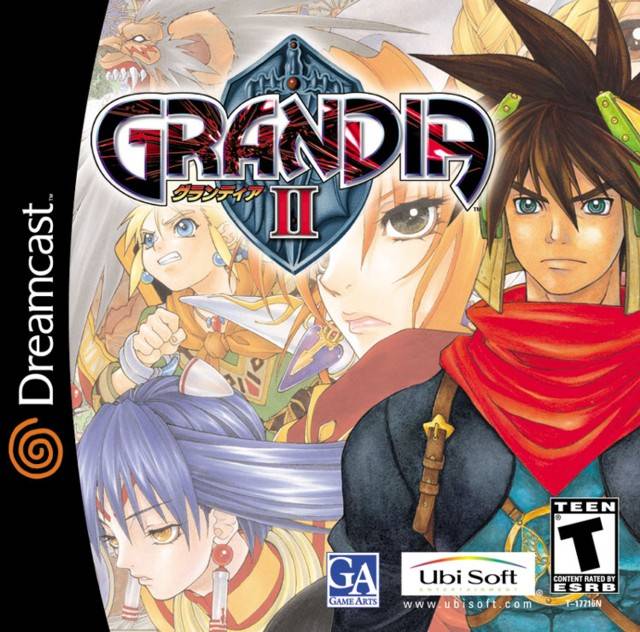
4. Grandia II
Released on the Dreamcast in 2000, Grandia II stood out with its innovative "Delay" combat system, where timing attacks and spells could interrupt enemy actions, adding a strategic layer to traditional JRPG turn-based battles. Its soaring orchestral score, memorable characters, and a narrative that grappled with themes of faith and existentialism offered a compelling, if linear, adventure. It showcased how strategic combat could refresh a genre often reliant on brute force or level grinding.
5. Rez
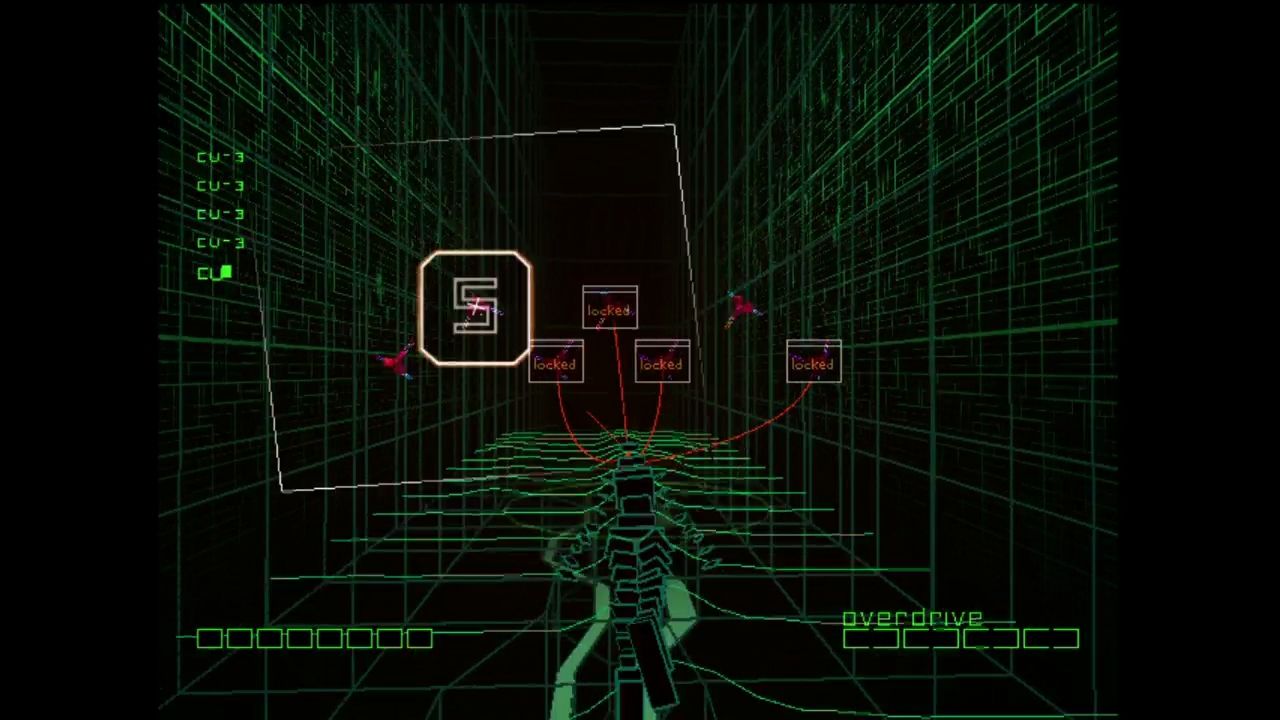
Rez, first seen on the Dreamcast in 2001, wasn't just a shooter; it was a synesthetic experience. Players moved through abstract digital landscapes, aiming and firing, but every action contributed to an evolving electronic soundtrack. This fusion of visuals, sound, and gameplay created a hypnotic, almost meditative rhythm. It demonstrated how minimalist design and integrated sensory feedback could elevate a simple rail shooter into a profound, almost spiritual, interactive art piece.
6. ICO
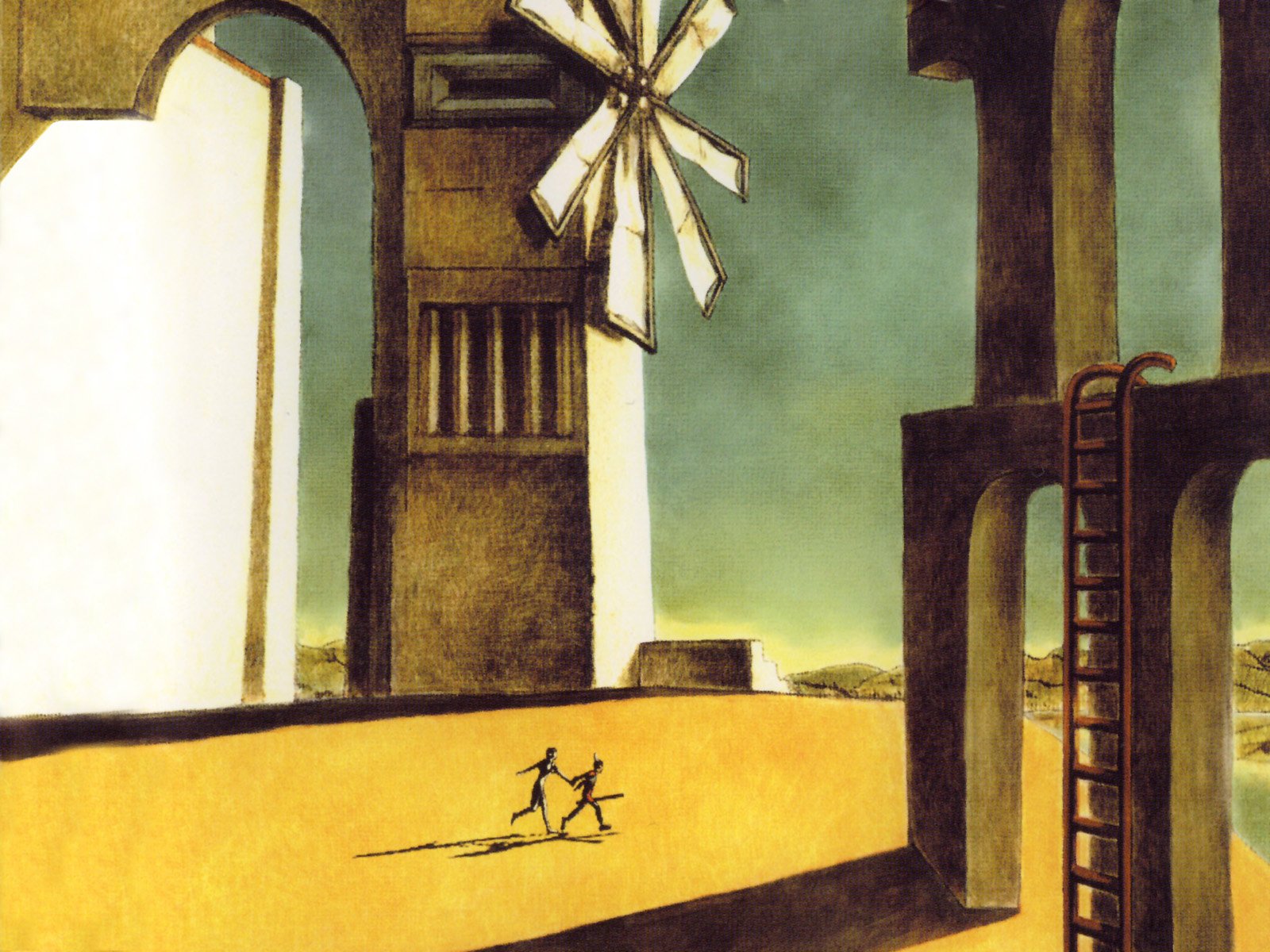
When ICO arrived on the PlayStation 2 in 2001, it stripped away common game conventions, offering a minimalist, deeply atmospheric puzzle-platformer. Its quiet storytelling, conveyed through environmental cues and the wordless bond between the horned boy Ico and the ethereal Yorda, forged a powerful emotional connection. It redefined narrative subtlety, proving that less dialogue and exposition could lead to a more profound and memorable experience, inspiring countless games with its understated elegance.