1. Planescape: Torment
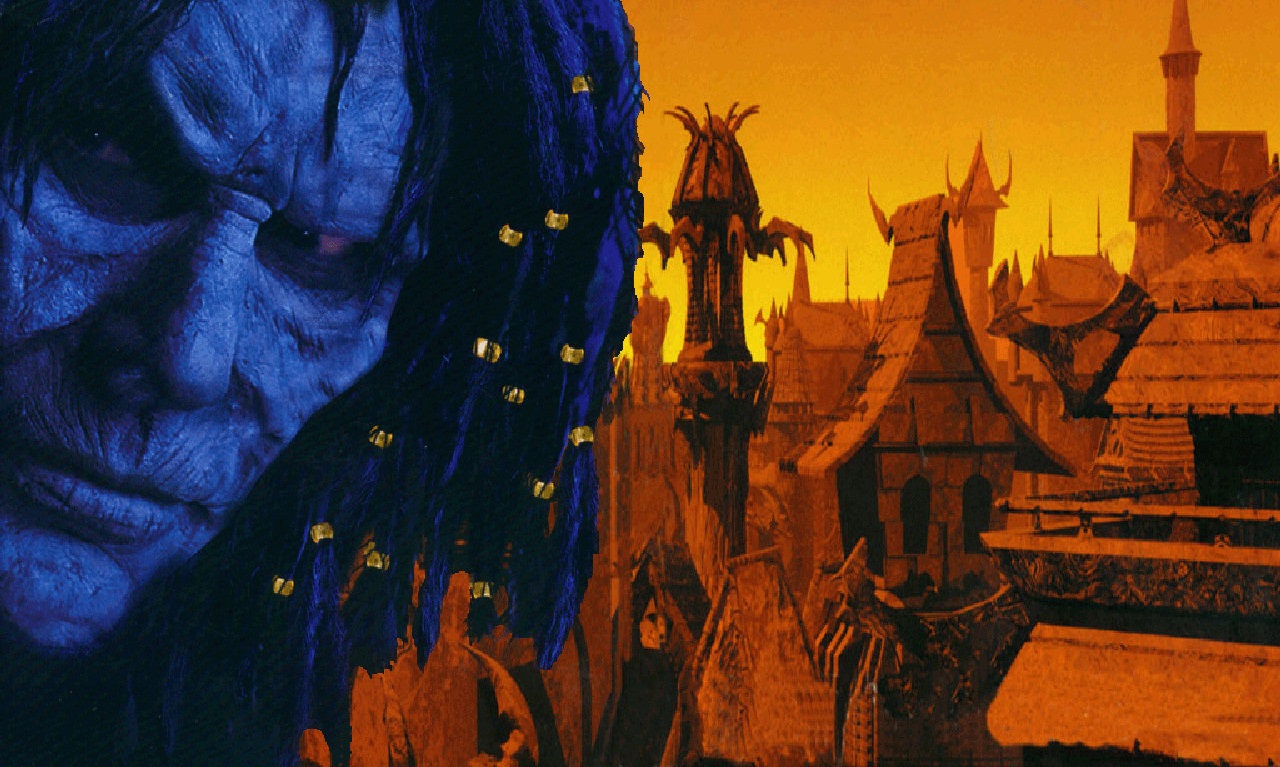
Planescape: Torment, in its original 1999 form, remains a narrative titan. This isn't just an RPG; it's a philosophical inquiry, an exploration of identity and mortality told through unforgettable characters and prose. Combat often takes a backseat to conversation, a radical choice then that still feels bold. Its grim, surreal setting, the planes of D&D, felt unlike anything else, creating a deep, lasting impression that few games have managed to replicate since.
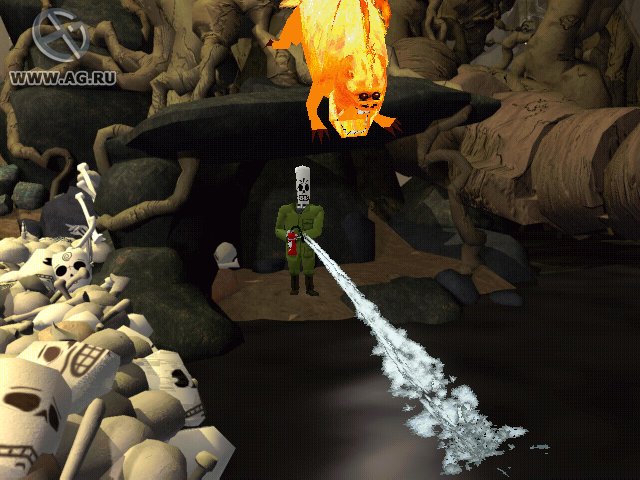
2. Grim Fandango
The 1998 release of Grim Fandango was a landmark in adventure gaming. Its unique blend of film noir and Día de los Muertos aesthetics, realized through groundbreaking 3D character models on pre-rendered backgrounds, presented a visual feast. Manny Calavera’s journey through the Land of the Dead is a masterclass in witty dialogue and complex, satisfying puzzles. It’s a melancholic, humorous tale that, even with its original tank controls, delivers an enduring artistic vision.
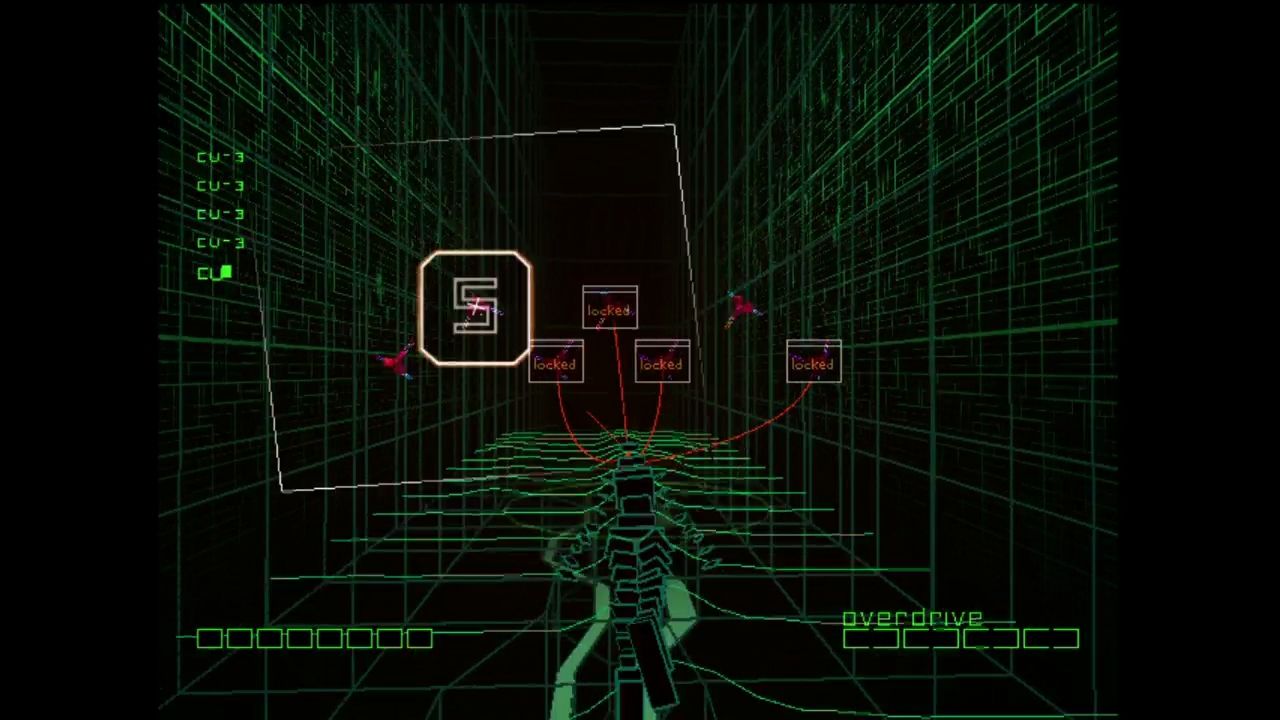
3. Rez
Rez, from its initial Dreamcast and PlayStation 2 iterations in 2001, offered a truly synesthetic experience. It merged a rail shooter with rhythm, transforming every shot and enemy defeat into a part of the evolving soundtrack. The abstract, wireframe visuals pulsated with the beats, creating a trance-like state. It wasn't just a game; it was an interactive art piece, a sensory journey that proved games could be profoundly meditative and intensely engaging simultaneously.
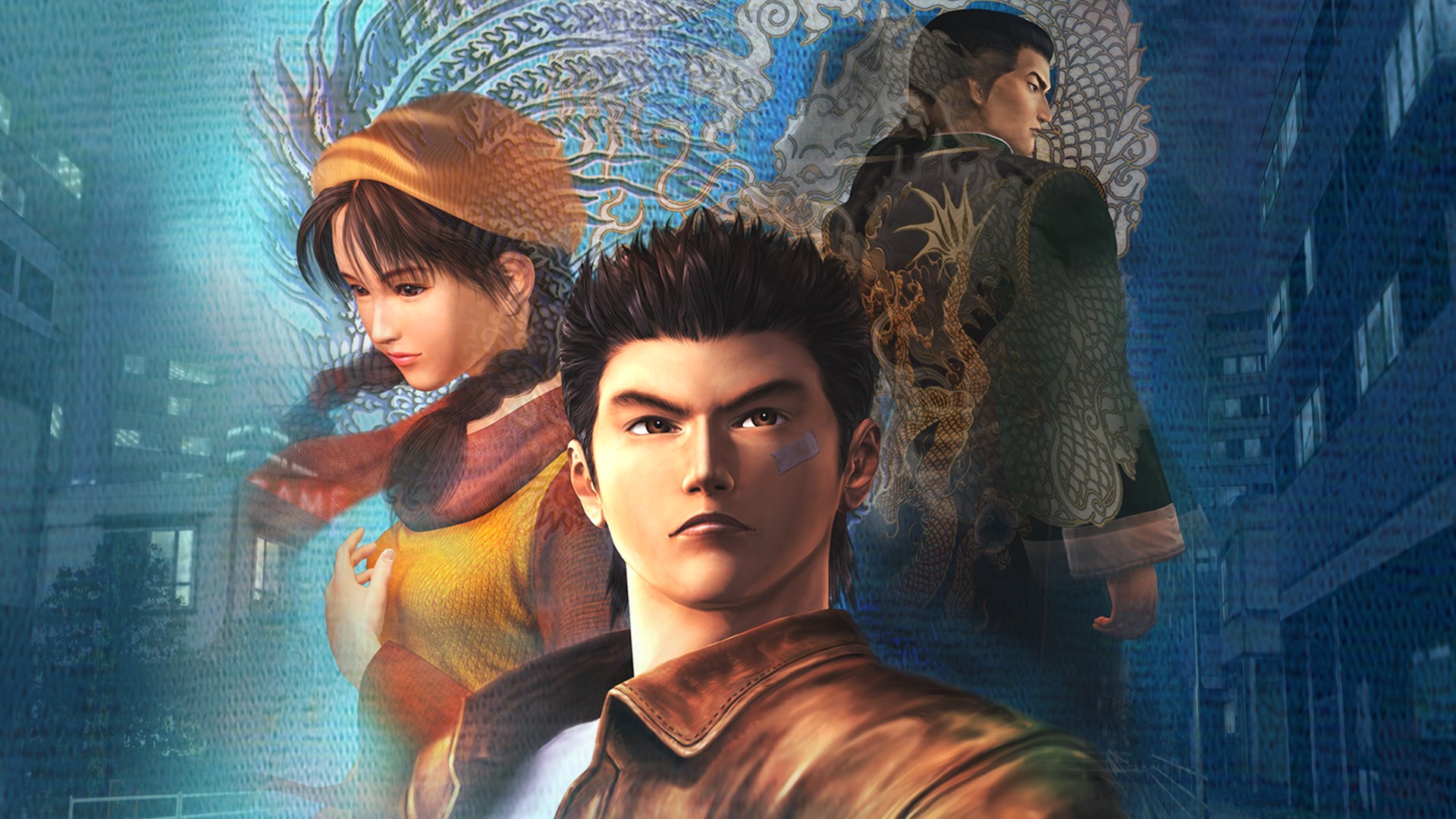
4. Shenmue
Shenmue, arriving on the Dreamcast in 1999, was an audacious experiment. Yu Suzuki's vision of 'FREE' (Full Reactive Eyes Entertainment) created an unprecedented level of detail in its 1980s Japanese setting. While its pacing could be deliberate, the ability to interact with almost every object, follow daily routines, and engage in quick-time events was revolutionary. It laid groundwork for open-world design, even if its ambition sometimes outstripped contemporary hardware capabilities.
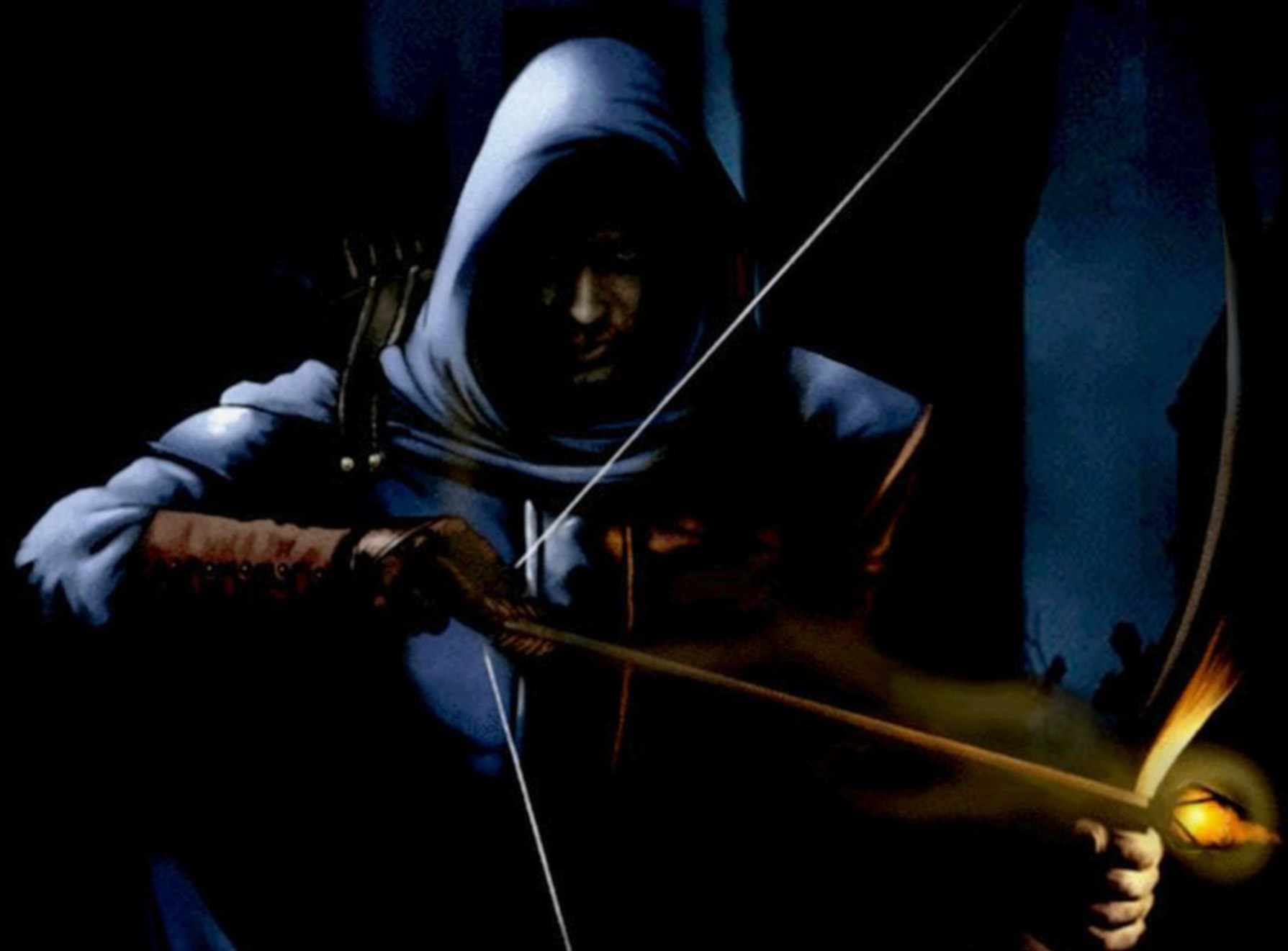
5. Thief: The Dark Project
Thief: The Dark Project, launched in 1998, didn't just popularize stealth; it defined it. Emphasizing shadow, sound, and careful planning over direct confrontation, it cultivated a unique tension. Garrett's adventures through its dark, steampunk-fantasy world were powered by an innovative engine that made light and darkness tangible mechanics. Its atmospheric level design and immersive soundscapes remain a masterclass in player empowerment through environmental interaction and intelligent design.
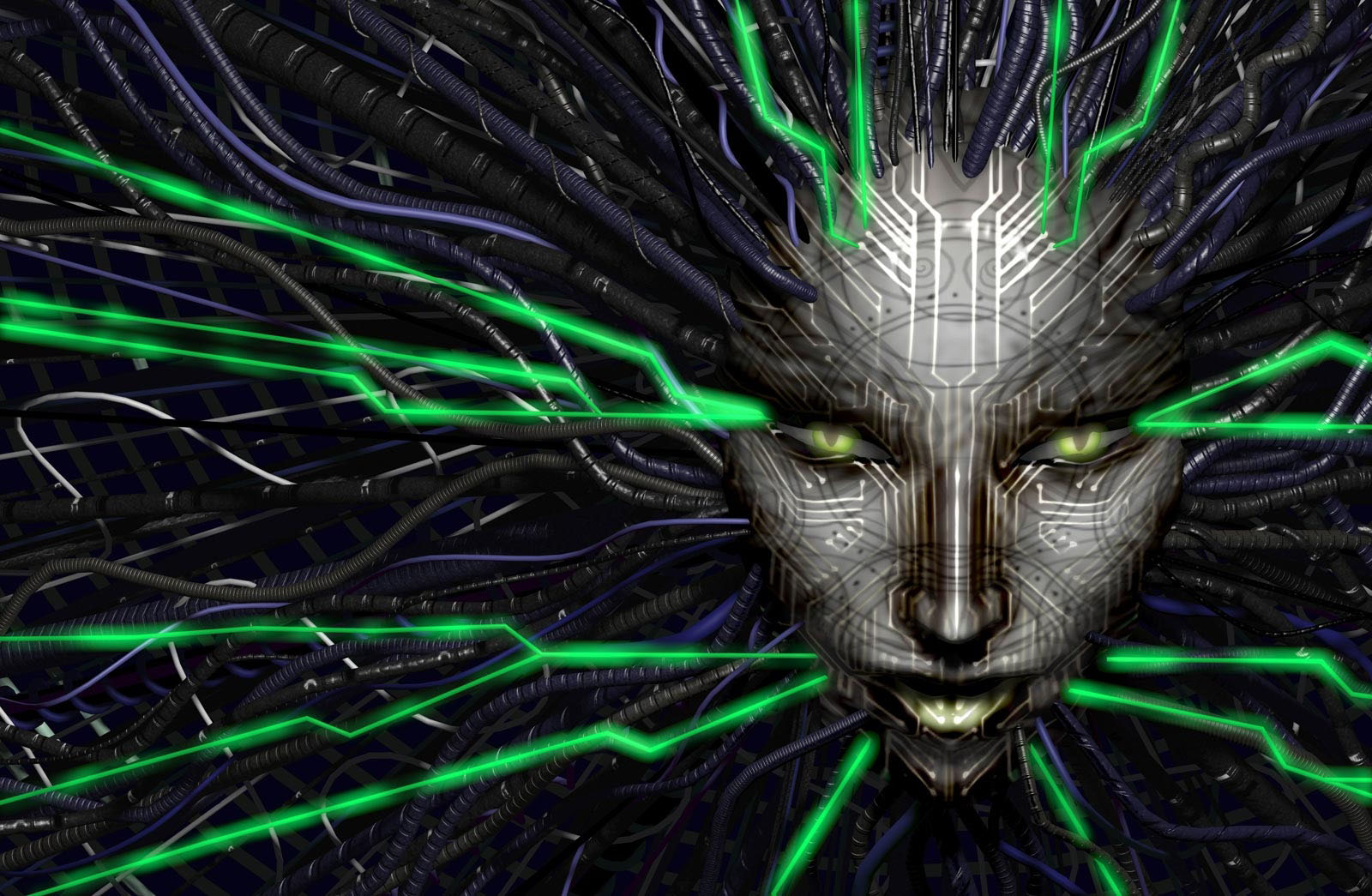
6. System Shock 2
System Shock 2, released in 1999, stands as a monumental achievement in immersive simulation. Blending first-person shooting, RPG progression, and psychological horror, it crafted an unparalleled atmosphere of dread aboard the derelict Von Braun. The insidious AI, SHODAN, is one of gaming's most iconic villains, her taunts echoing through terrifying, procedurally unfolding environments. It established benchmarks for environmental storytelling and player choice within a truly unsettling sci-fi narrative.