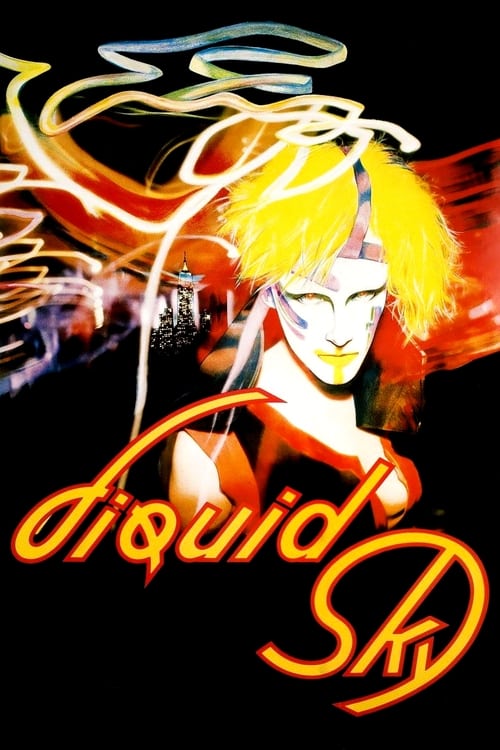
1. Liquid Sky
This cult classic is a neon-drenched, punk-rock fever dream. Its protagonist, an androgynous alien-obsessed model, uses her outlandish, DIY fashion to navigate a grimy, pre-AIDS New York. The costumes aren't just clothes; they're armor, a statement, and a lure for the aliens who feed on orgasmic energy. It's a vivid, unapologetic exploration of identity and desire, where every sequin and spiked collar screams rebellion against conformity, making the clothing inseparable from the film's unique, jarring worldview.
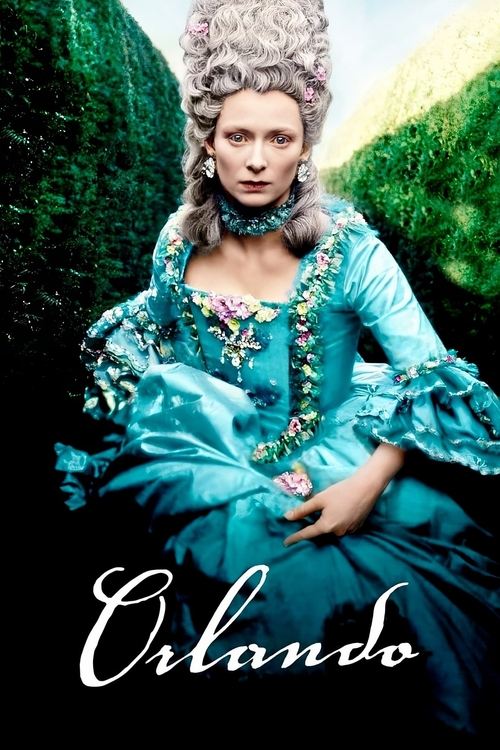
2. Orlando
Sally Potter's adaptation of Virginia Woolf’s novel is a visual feast, spanning centuries and genders. Tilda Swinton's Orlando embodies the fluidity of identity through an astonishing array of period costumes. From Elizabethan finery to Victorian dresses and modern suits, each outfit meticulously reflects the historical moment and Orlando’s evolving self. The clothing isn't mere historical accuracy; it's a narrative device, underscoring the character's journey through time and her exploration of gender, highlighting how society imposes roles through sartorial choices.
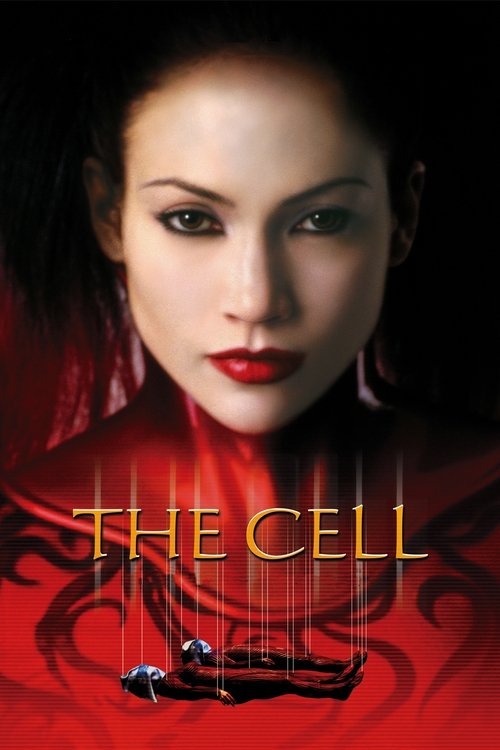
3. The Cell
Tarsem Singh's directorial debut is a kaleidoscope of grotesque beauty, and its costumes are central to its psychological horror. Jennifer Lopez’s therapist character dives into the mind of a serial killer, encountering his victims in surreal, often disturbing, dreamscapes. The fantastical, elaborate, and often disturbing outfits worn by both the victims and the killer’s inner demons are not just visual spectacle; they are projections of trauma, fear, and distorted desires, giving tangible form to the abstract horrors within the subconscious.
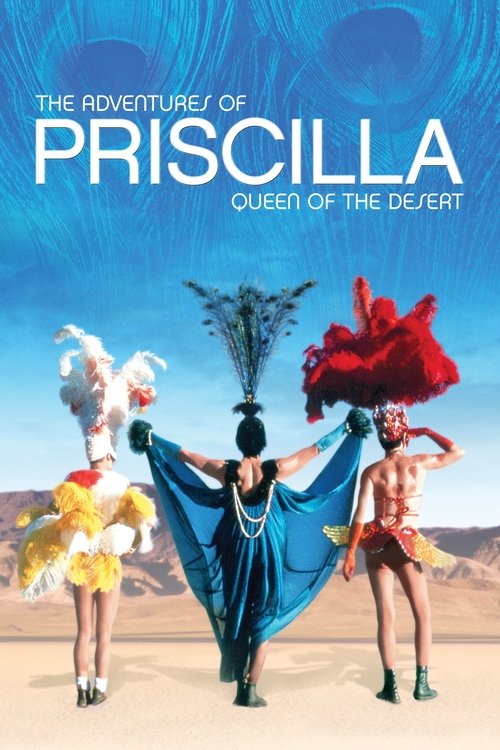
4. The Adventures of Priscilla, Queen of the Desert
This film is a vibrant, sequined explosion across the Australian outback. The drag queens' elaborate, over-the-top costumes are more than just performance wear; they are expressions of defiance, joy, and vulnerability in a world that often struggles to accept them. Each outfit, from the feather-boa-laden bus to the unforgettable flip-flop dress, embodies their spirit, their struggle, and their unwavering fabulousness. It’s a road trip where identity is celebrated through every stitch and glittery embellishment.

5. A Girl Walks Home Alone at Night
Ana Lily Amirpour’s Farsi-language vampire western is shot in stark black and white, making its few visual elements incredibly potent. The titular Girl’s chador is not just a cultural garment; it transforms into a flowing, almost bat-like cape, giving her an ethereal, predatory silhouette. It conceals her identity while simultaneously defining her as both an avenging spirit and a creature of the night. The costume is minimalist yet iconic, conveying power and mystery without a single word.
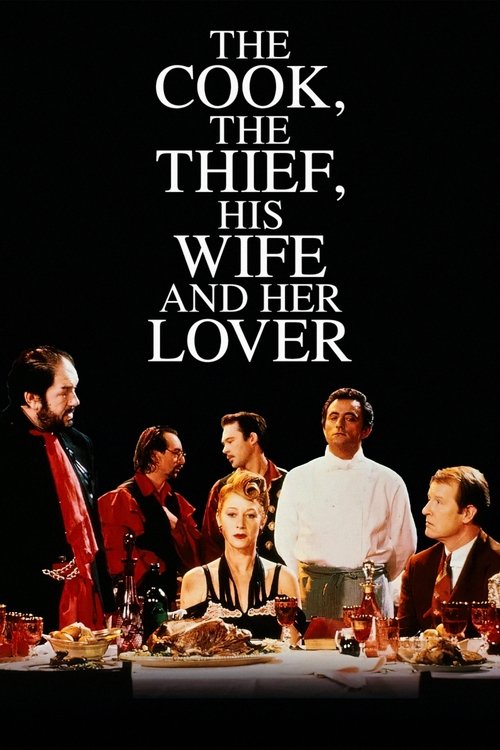
6. The Cook, the Thief, His Wife & Her Lover
Peter Greenaway's film is a baroque, brutal opera, where costume design by Jean-Paul Gaultier is as vital as the grand sets. Helen Mirren’s character, Georgina, changes dresses with each location, her gowns shifting colors from scarlet to emerald to sapphire as she moves through the restaurant. These elaborate, symbolic costumes reflect her emotional state and societal entrapment, becoming a visual metaphor for her journey from victim to vengeful agent. The clothes are literally part of the architecture of her oppression and liberation.
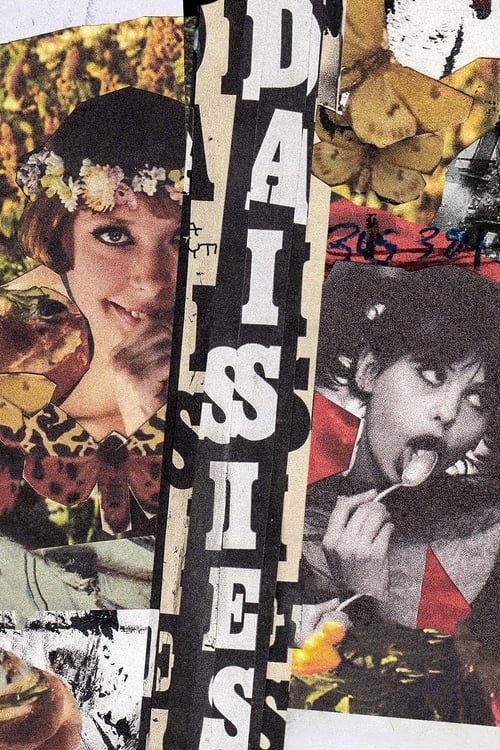
7. Daisies
Věra Chytilová's Czech New Wave masterpiece is a joyous, anarchic romp about two young women, Marie I and Marie II, who decide to be 'spoiled.' Their whimsical, constantly changing outfits—often floral, childlike, or provocatively adult—are direct extensions of their rebellious, playful, and ultimately destructive spirits. The costumes are not about fashion trends; they are visual declarations of their refusal to conform, their embrace of absurdity, and their challenge to patriarchal norms. They dress up, tear down, and redefine what it means to be a woman.
8. Zardoz
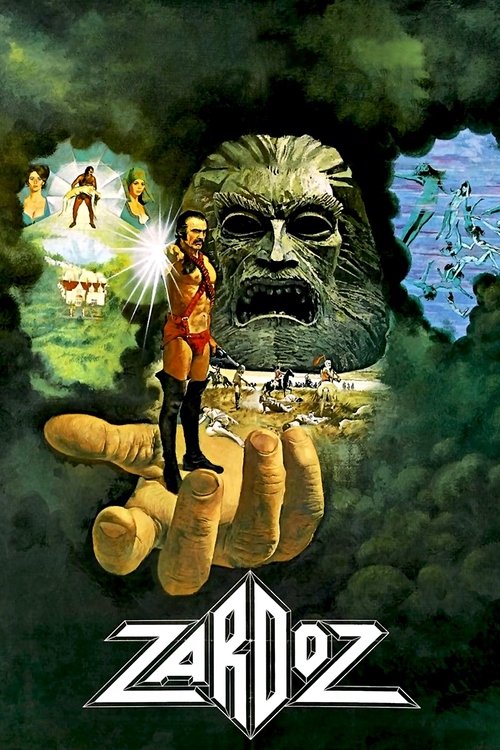
This sci-fi oddity is legendary for its bizarre vision and Sean Connery’s infamous red diaper. John Boorman’s post-apocalyptic world is divided by attire: the barbaric Exterminators in their rudimentary, suggestive gear, and the decadent Eternals in their flowing, often revealing, garments. Connery’s character’s costume, or lack thereof, immediately establishes his primitive strength and outsider status. It’s a film where clothing—or its absence—is the primary signifier of social hierarchy, power, and the ultimate absurdity of human civilization.
9. Holy Motors
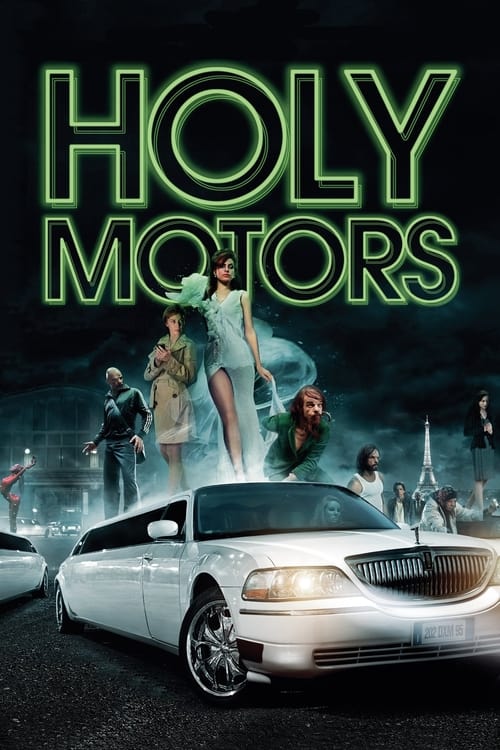
Leos Carax’s enigmatic film features Denis Lavant as Monsieur Oscar, a man who inhabits multiple lives, each requiring a complete transformation. His chameleon-like ability is entirely dependent on his elaborate costumes and prosthetics—from a motion-capture suit to a grotesque sewer creature. Each change of clothes isn't just a disguise; it’s an entire new persona, a distinct character Oscar embodies for his mysterious 'appointments.' The costumes are the literal embodiment of the film’s exploration of identity, performance, and the illusion of reality.