1. Homicide: Life on the Street
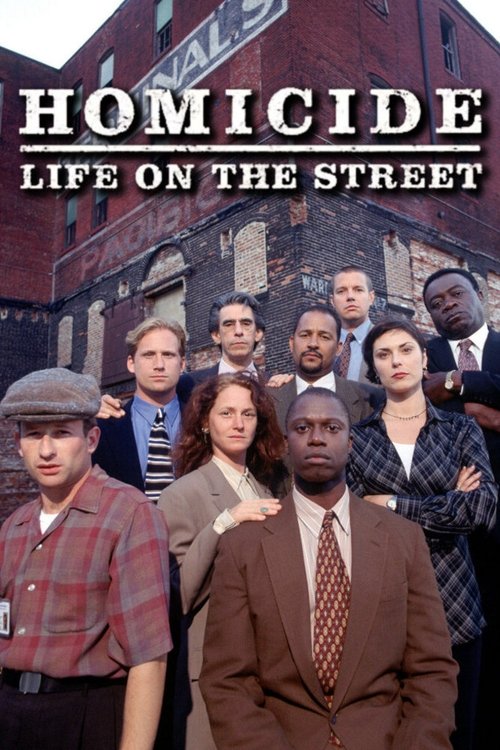
Before Baltimore became a TV character, there was Homicide. This wasn't your clean-cut procedural; it was raw, jumpy, and visually distinct, almost like a documentary crew was hiding in the squad room. Barry Levinson and Tom Fontana understood that sustained character development and serialized arcs, even in a cop show, could hook an audience beyond a single case. It felt real, messy, and set a new bar for broadcast drama, proving network TV could get its hands dirty.
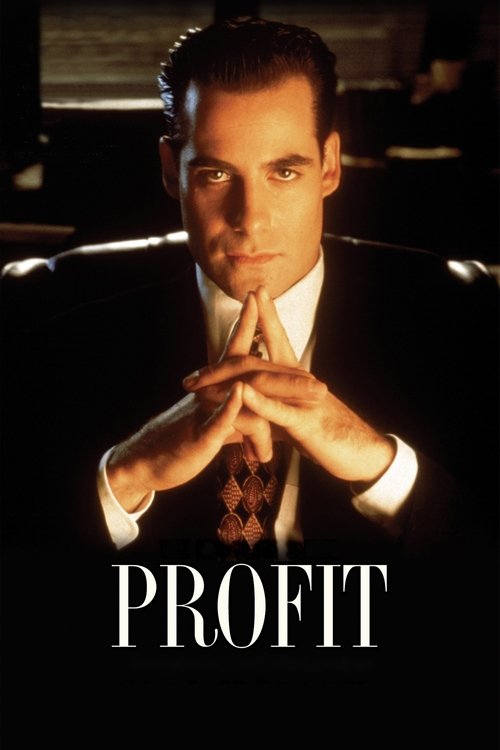
2. Profit
Before the anti-hero was a household name, there was Jim Profit. This Fox series was shockingly cynical for its era, a direct challenge to network sensibilities. Profit literally spoke to the camera, gleefully explaining his Machiavellian corporate machinations. It was a dark, unsettling, and brilliant look at unchecked ambition, pushing the boundaries of what audiences expected from a weekly drama. Too bold for its time, maybe, but its influence on later cable anti-heroes is undeniable.
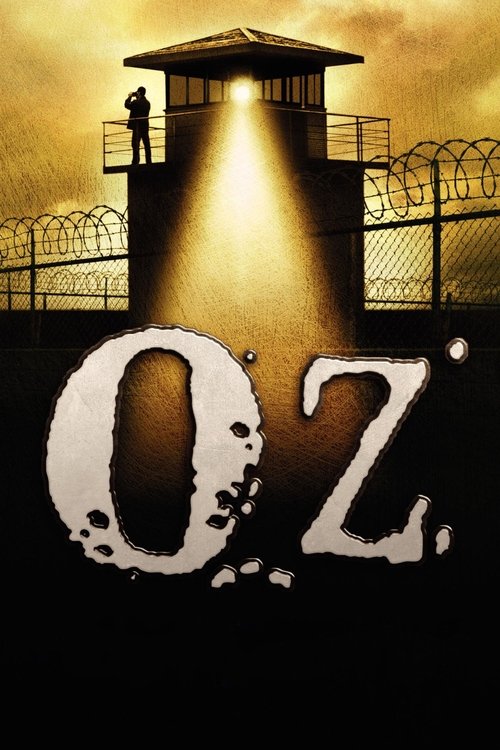
3. Oz
This was HBO's first hour-long drama, and it hit like a ton of bricks. Forget network censorship; Oz went there, exploring the brutal, complex ecosystem of a maximum-security prison with unflinching honesty. It was an ensemble masterclass, weaving multiple serialized storylines of power, race, and survival. Oz wasn't just violent; it was morally ambiguous, challenging viewers to find humanity in the darkest corners. This show proved cable could deliver prestige and push every boundary.
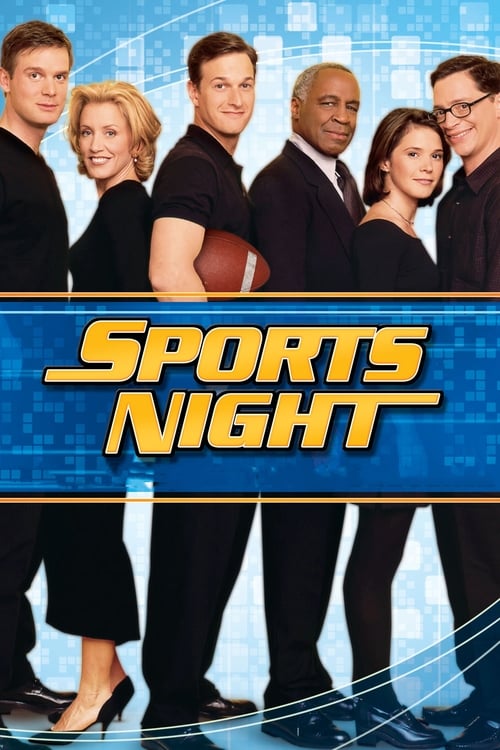
4. Sports Night
Aaron Sorkin's signature rapid-fire dialogue and 'walk-and-talk' style truly began here. It was a workplace comedy-drama, but with an intellectual heft and emotional depth rarely seen on network television. The ensemble cast navigated the high-pressure world of a nightly sports news show, blending witty banter with genuine pathos. Sports Night showed that smart, serialized storytelling could thrive outside traditional sitcom structures, even if network suits didn't always get it.
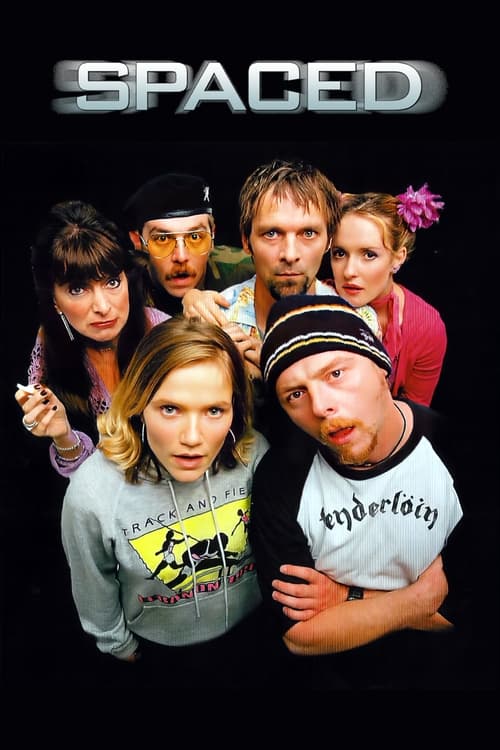
5. Spaced
Before Edgar Wright and Simon Pegg were Hollywood players, they gave us Spaced. This British comedy was a pop culture fever dream, packed with cinematic references, surreal humor, and genuine heart. It wasn't just gags; it was about two slackers navigating post-college life with a quirky ensemble. The visual inventiveness and genre-bending storytelling felt fresh, proving that television could be as film-literate and experimental as its big-screen counterparts, influencing a generation of creators.
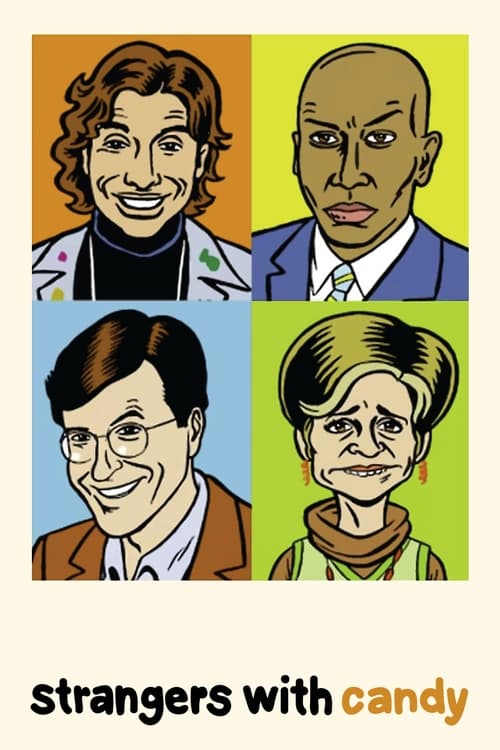
6. Strangers with Candy
Amy Sedaris, Stephen Colbert, and Paul Dinello crafted something truly unique and uncomfortable with Strangers with Candy. Jerri Blank, a 46-year-old high school freshman ex-con, navigating teenage angst, was pure anti-comedy gold. It was intentionally grotesque, absurd, and relentlessly dark, lampooning after-school specials with a twisted glee. This show carved out its own niche, proving that niche cable channels like Comedy Central could foster genuinely bizarre and provocative serialized narratives.
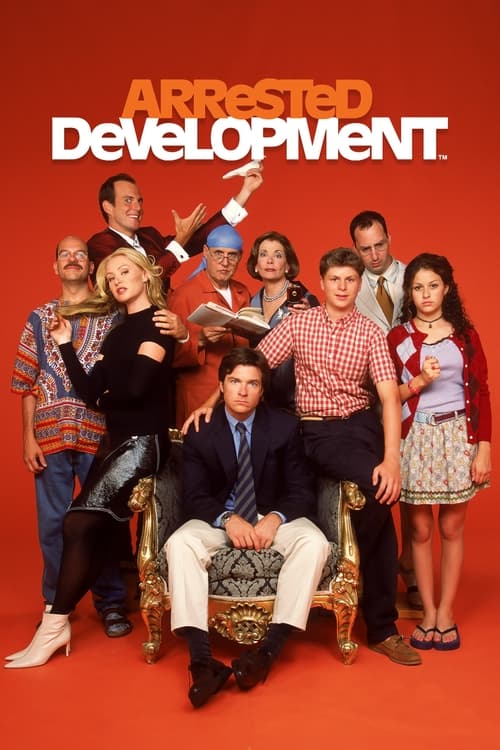
7. Arrested Development
This show was a comedy revelation, delivering jokes at a breakneck pace with layers of callbacks and running gags. The mockumentary style, complete with Ron Howard's deadpan narration, allowed for intricate, dense storytelling that rewarded repeat viewing. It was a masterclass in ensemble comedy, depicting a dysfunctional family with surprising heart amidst the chaos. Arrested Development perfected the kind of serialized, smart humor that would become a cornerstone of the burgeoning on-demand era.
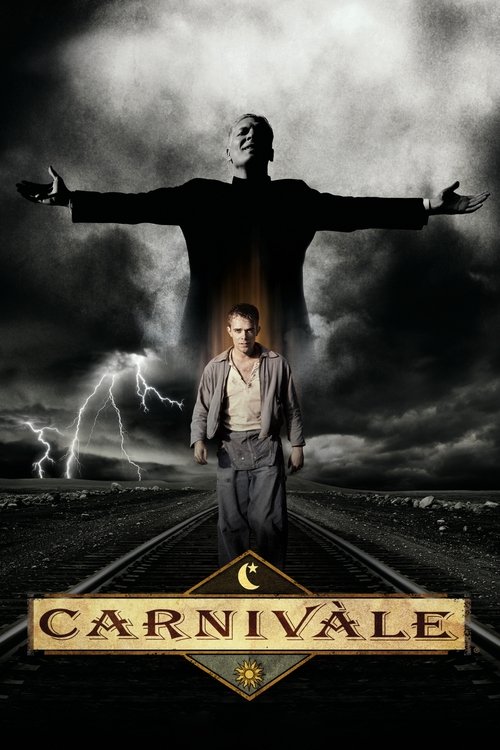
8. Carnivàle
Carnivàle was HBO taking a massive, ambitious swing. This Depression-era dark fantasy was visually stunning, narratively dense, and steeped in a sprawling mythology of good versus evil. It felt like watching a long, epic film, with its detailed production design and atmospheric cinematography. While its story didn't fully resolve, its sheer scale and commitment to serialized world-building proved cable's willingness to invest in complex, challenging narratives that demanded viewer dedication.
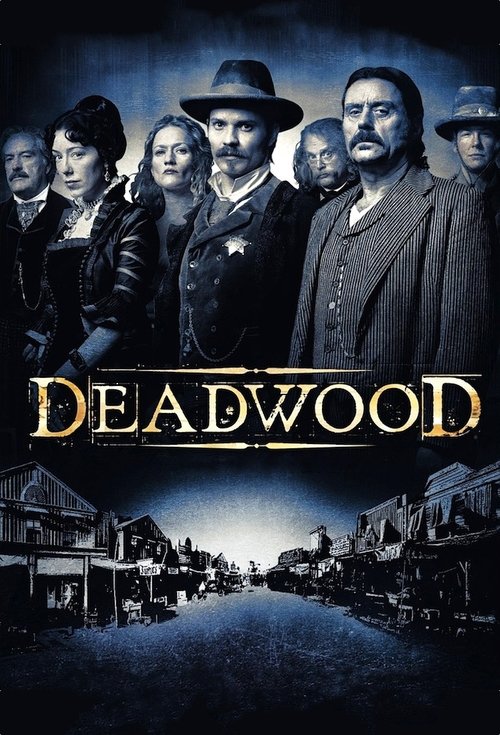
9. Deadwood
David Milch's Deadwood wasn't just a Western; it was a masterclass in language and character. The dialogue, raw and poetic, was a character unto itself, steeped in the period yet shockingly contemporary. This show took the ensemble drama to an entirely new level, building a fully realized, morally grey world where everyone was just trying to survive. It showcased HBO's freedom with profanity and complex themes, setting a high bar for historical dramas and serialized storytelling.
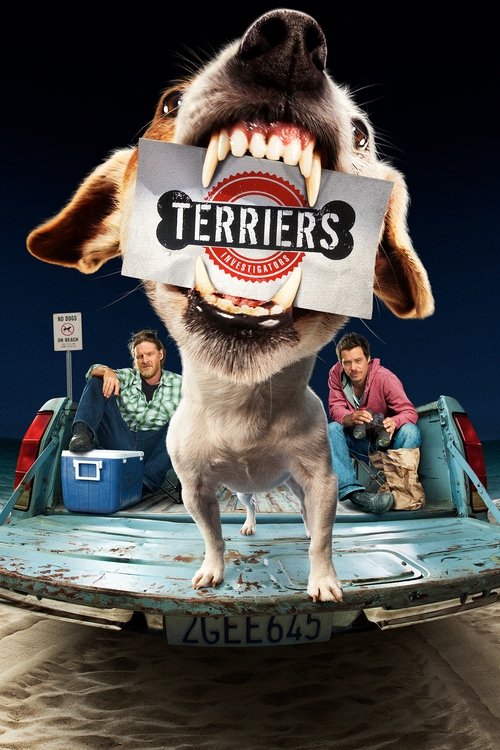
10. Terriers
This FX gem was a neo-noir buddy drama that deserved so much more. Donal Logue and Michael Raymond-James played unlicensed PIs, delivering nuanced, character-driven storytelling with a grounded, lived-in feel. It was serialized, smart, and often melancholic, eschewing flashy cases for a focus on human consequence and moral ambiguity. Terriers was a prime example of cable taking risks on smaller, critically acclaimed dramas that were perfect for discovery in the emerging on-demand landscape.