
1. The Sopranos
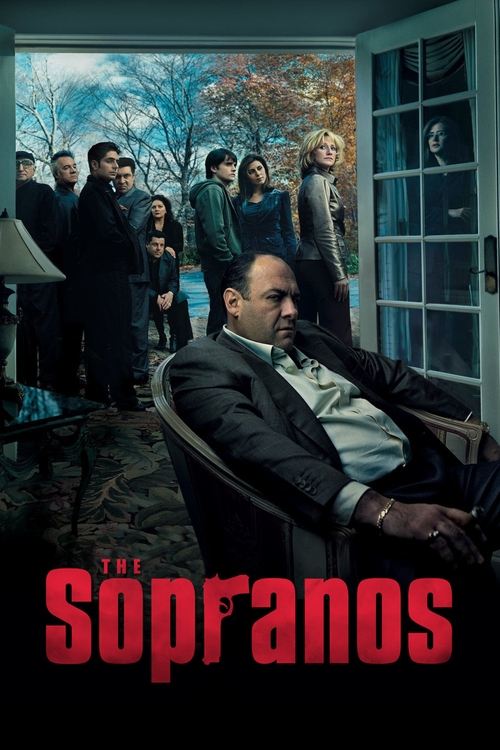
Before Tony, TV was mostly for escaping. This thing pulled you right into a mob boss's head, therapist and all. It wasn't just about the crime; it was about the crumbling American dream, family dysfunction, and moral rot, all with a cinematic scope we just hadn't seen on cable before. HBO took a huge swing, and it landed perfectly, proving serialized drama could be art, not just episodic fluff. It changed everything for grown-up TV.
2. The Wire
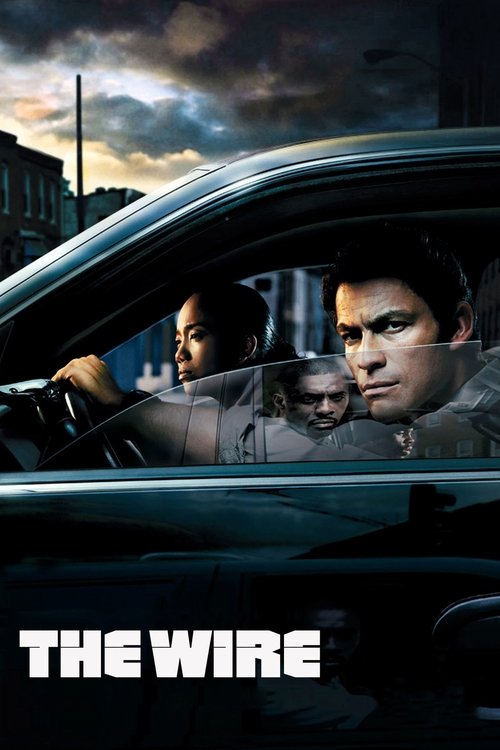
This wasn't just a cop show; it was a sprawling, novelistic dissection of an entire city. Each season peeled back another layer of Baltimore – the streets, the docks, the politics, the schools – showing how every institution was interconnected and broken. With its huge ensemble cast and unwavering commitment to realism, it demanded your attention, trusting viewers to keep up with its intricate, long-form storytelling. It felt like watching a documentary, but with characters you actually cared about.
3. Lost
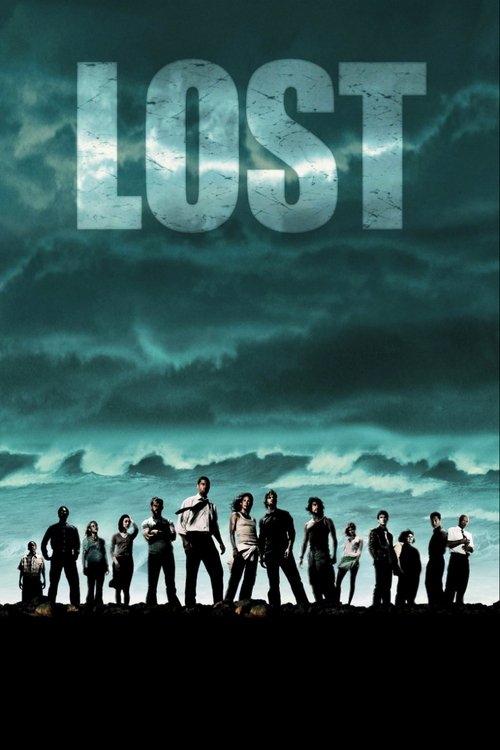
Forget what you heard about the ending; for years, this show was appointment viewing, a genuine cultural phenomenon. Its serialized mysteries, flashback structure, and massive ensemble cast kept everyone guessing week after week. We were all on that island, piecing together the mythology. It perfected the art of the cliffhanger and showed how complex, character-driven puzzles could keep an audience hooked like nothing else on network TV. You just had to tune in.
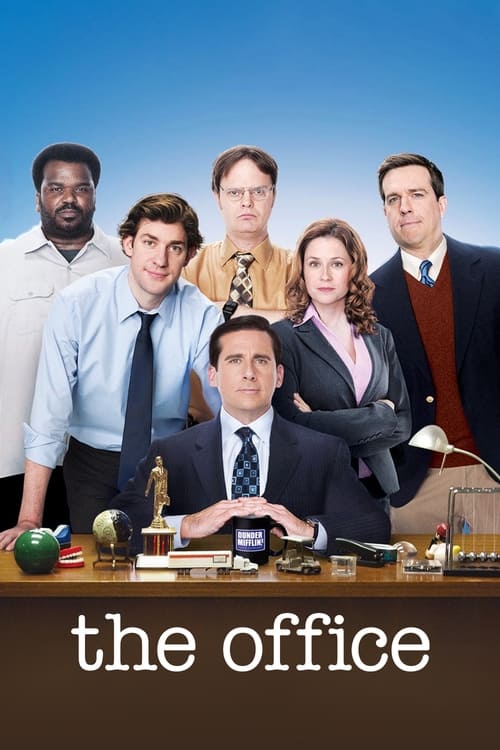
4. The Office
This mockumentary took a quirky British format and made it its own, defining a whole new comedic style for American audiences. It found humor in the mundane, turning a paper company office into a goldmine of awkward moments, endearing characters, and surprisingly heartfelt relationships. The direct-to-camera confessionals and dry wit felt fresh, breaking the laugh-track mold and proving that workplace comedy could be both intelligent and genuinely hilarious without resorting to slapstick.
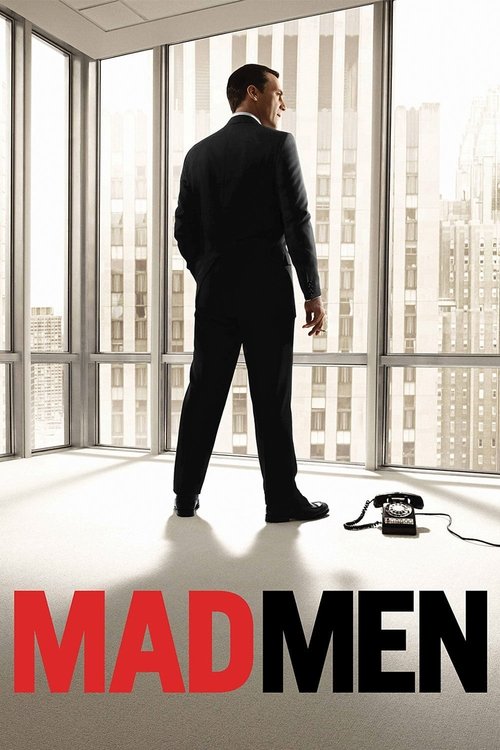
5. Mad Men
This show wasn't just pretty period piece; it was a masterclass in character study and understated drama. Don Draper’s enigmatic past and the changing world of 1960s advertising provided a rich backdrop for exploring identity, gender, and the American psyche. Its slow burn, subtle performances, and incredible attention to detail pushed the boundaries of prestige television, feeling more like a long-form film than a weekly series. AMC really swung for the fences with this one.
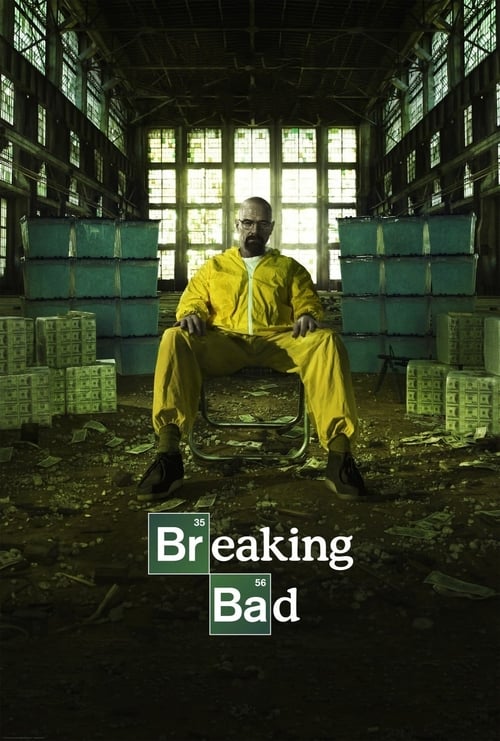
6. Breaking Bad
Walter White's transformation from mild-mannered teacher to ruthless drug lord was TV's ultimate character study in moral decay. This show built tension like a thriller, with every decision having dire consequences, pushing its protagonist deeper into darkness. The cinematic visuals, tight plotting, and intense performances made it feel like a nine-hour movie split into seasons. It was dark, relentless, and showed how deeply a single character's journey could captivate an audience.
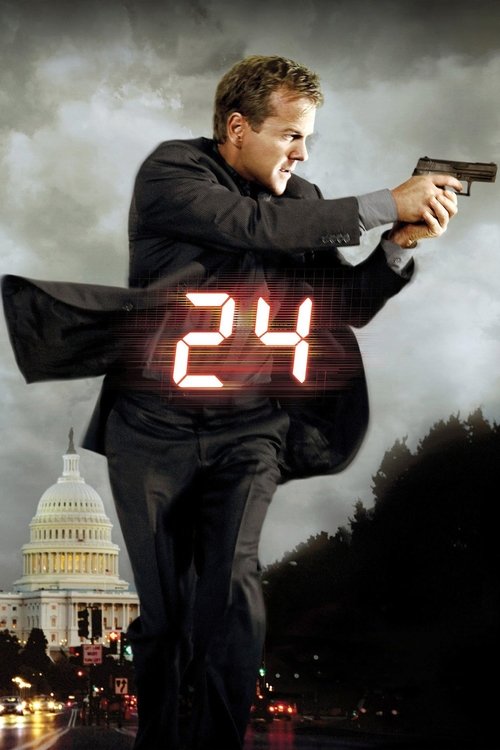
7. 24
Jack Bauer screaming "Dammit!" while saving the world in real-time was a game-changer. This show’s ticking clock format and split screens created an unprecedented level of urgency and intensity. It reinvented the procedural, proving serialized storytelling could work perfectly within a high-octane action thriller. Every episode was literally one hour of a single day, keeping you on the edge of your seat and making you feel like you couldn't miss a second.
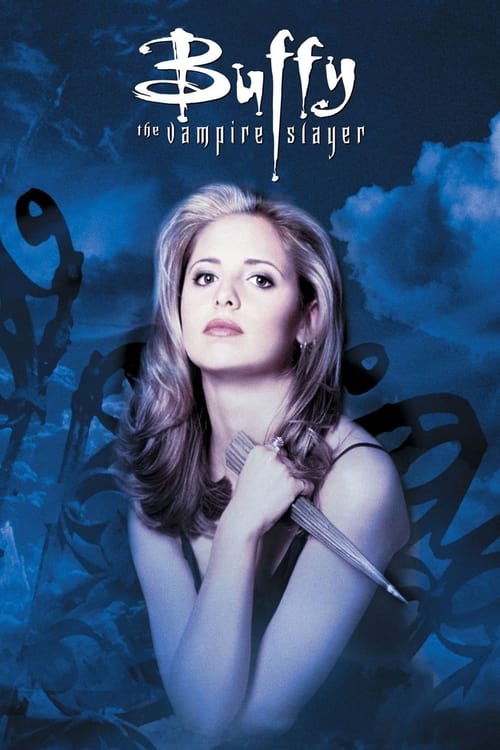
8. Buffy the Vampire Slayer
On the surface, it was a high school girl fighting monsters, but underneath, it was a smart, witty exploration of adolescence, power, and identity. Buffy blended monster-of-the-week action with deeply serialized character arcs and genuine emotional stakes. It proved genre shows could be taken seriously, laying the groundwork for complex mythology and strong female leads long before it was cool. It was funny, heartbreaking, and surprisingly profound.
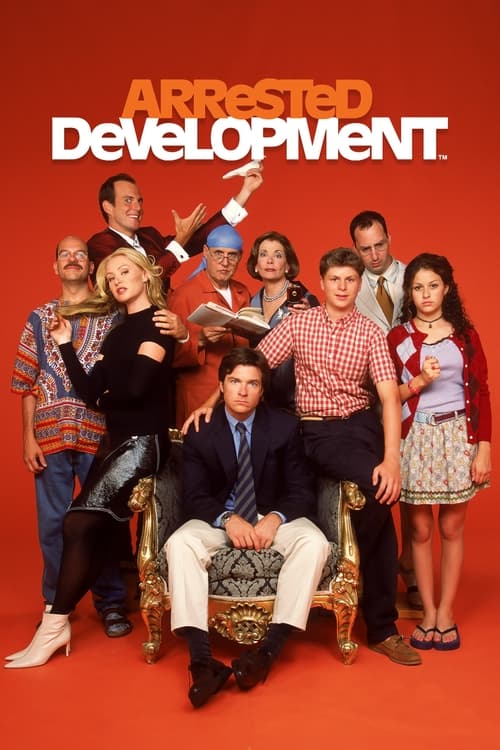
9. Arrested Development
This was a comedy so dense with running gags, callbacks, and meta-humor, it practically demanded rewatches, paving the way for on-demand viewing. Its mockumentary style, narrator, and rapid-fire jokes were unlike anything else on network TV. The Bluth family's dysfunctional antics were a masterclass in ensemble comedy, pushing the boundaries of what a sitcom could be. It was smart, fast, and often felt ahead of its time.
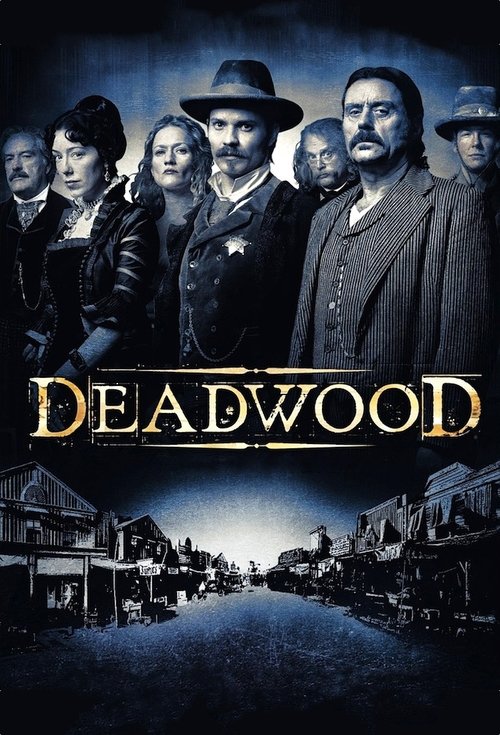
10. Deadwood
HBO went all-in on this profane, poetic, and utterly engrossing Western. It wasn't just cowboys and shootouts; it was about the birth of civilization, the brutal realities of greed, and the formation of a community. The dialogue was Shakespearean in its complexity and vulgarity, and the ensemble cast was unmatched. It felt like watching a gritty stage play unfold across a dusty, dangerous landscape, showing how far TV could push historical drama.